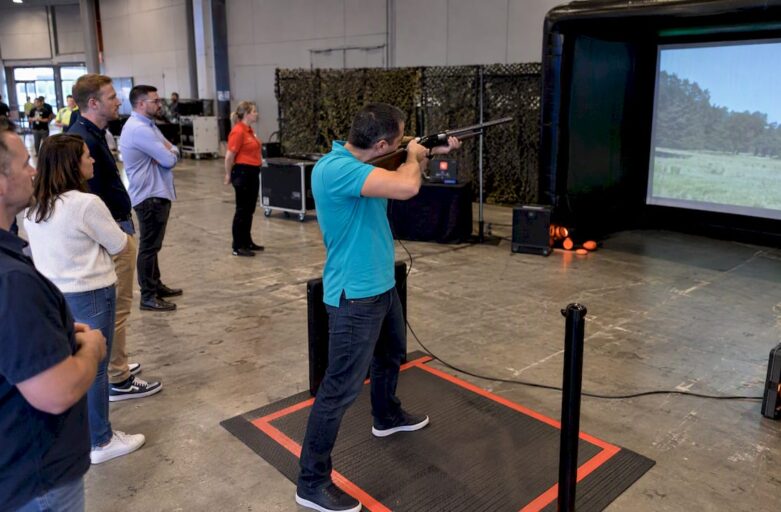
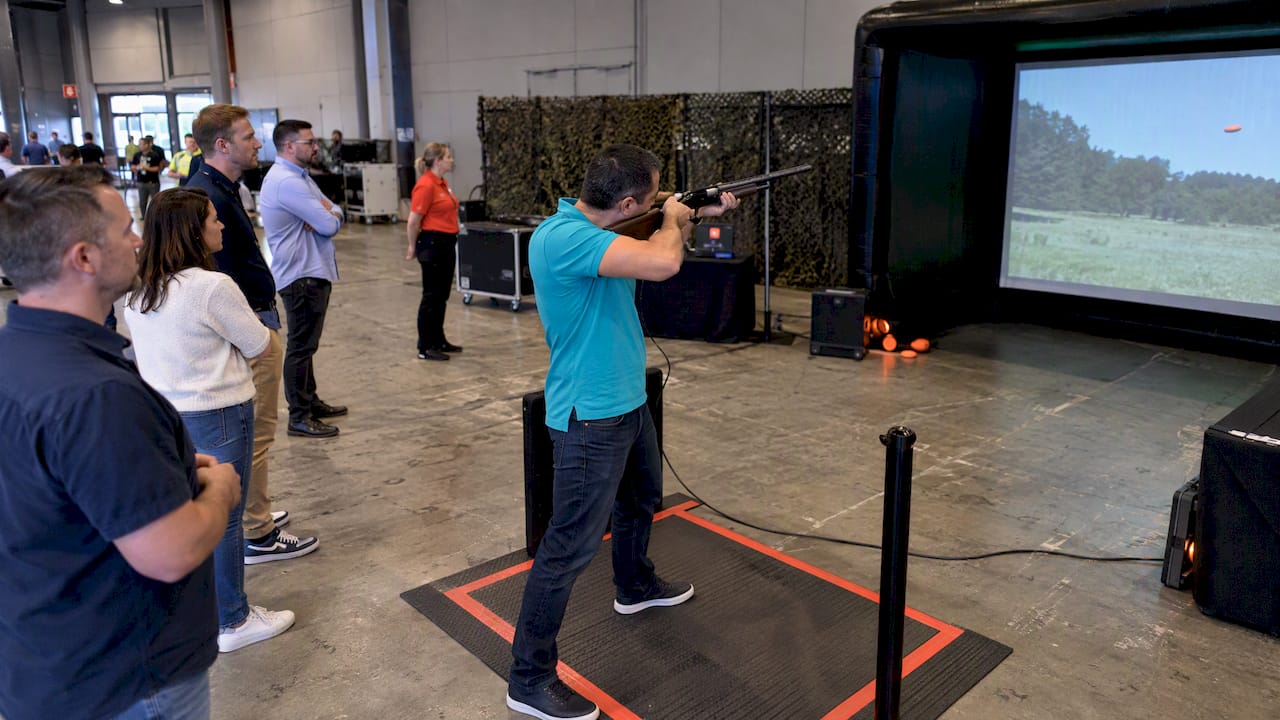
Pick team mode when the goal is bonding, shared wins and large-group energy. Pick individual mode when you need measurable personal performance, a clear winner or a skills-based award. Both formats run on the same equipment, and we can design a hybrid session that delivers both outcomes in a single booking.
TL;DR:
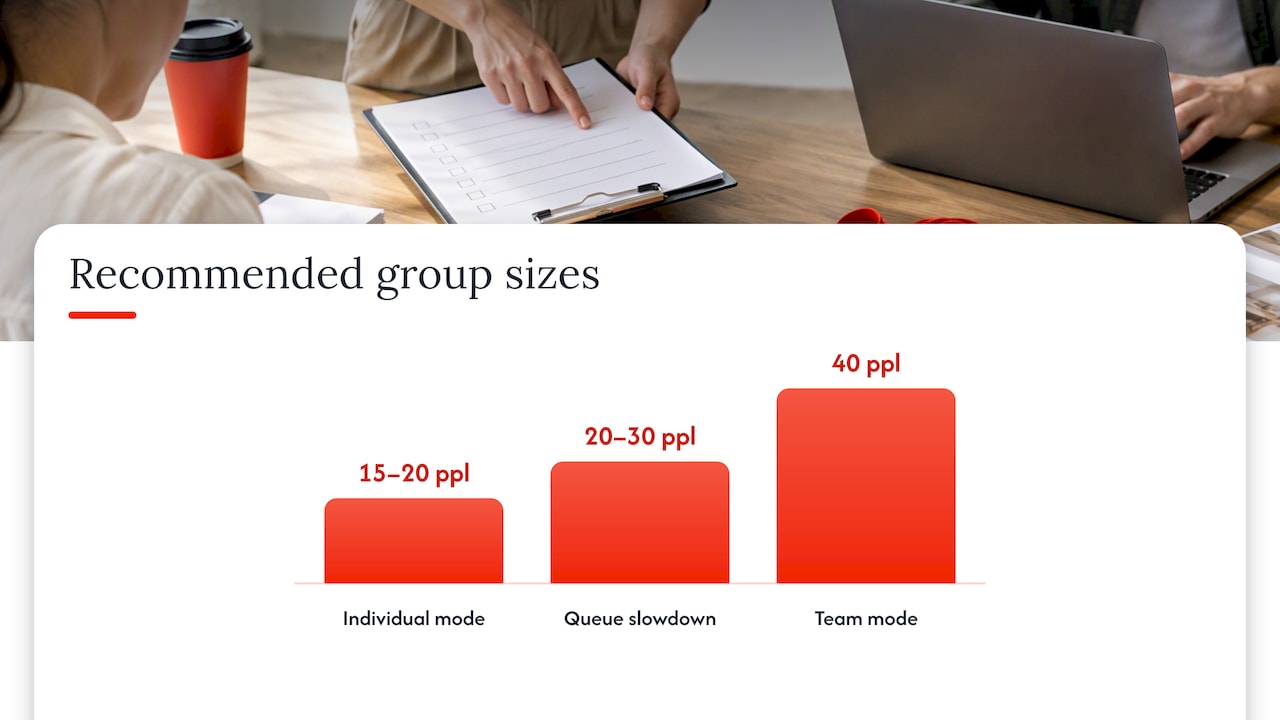
- For 40 people in a 20 to 30 minute slot, relays limit queues; individual rankings work best with about 20 to 30 players or fewer.
- A 15 minute slot fits one or two team relays; 45 minutes supports three to four rounds or two to three individual rounds plus briefing.
- Plan one operator and one marshal per 10 players, and use the electronic scoreboard to switch between squad totals and individual rankings without changing equipment.
- For a hybrid, schedule team rounds before individual finals; opening relays ease first time participants into the mechanics before personal scores determine the winner.
- System Rental costs 500 to 800 SGD hourly, while corporate packages cost 69 SGD per person and birthday packages start at 49 SGD per person.
Table of Contents
- Comparing team and individual formats on the axes that matter
- Matching the format to your event’s goal
- Building the run-sheet: scoring, rotation and staffing
- How Laser Clay supports both formats
- A planner’s view on choosing the right format
- Booking Laser Clay for your chosen format
- FAQ
- Useful links for planning your session
- Sources
Comparing team and individual formats on the axes that matter
Every format decision comes down to a handful of practical questions: what’s the objective, how many people are in the room, how long do you have, and how visible does the scoring need to be? Team and individual modes answer those questions differently.
Team mode is built around shared outcomes. Scores aggregate across a squad, so one strong shooter can lift a weaker teammate, and the pressure sits on the group rather than any single person. This structure rewards strategy (who shoots which round, who covers which lane) and it scales well, because large groups rotate through relays rather than queuing individually. It’s the natural fit for icebreakers, department mixers and any session where the point is to get strangers talking.
Individual mode strips that cushion away. Every shot counts against your own name, scores sit on a single leaderboard, and the result is a clean, merit-based outcome. That’s exactly what you want when the session is building toward an award, a performance review exercise or a prize for “most accurate shot of the day.” It works best with smaller groups or longer time slots, since each participant needs enough rounds on the board to produce a fair ranking.
A few quick comparisons help when you’re briefing a client or committee:
- Objective fit: team mode suits bonding and culture goals; individual mode suits recognition and assessment goals.
- Group size: team mode absorbs large numbers through relay rotation; individual mode works cleanest under roughly 20 to 30 players before queues slow things down.
- Session length: short sessions favour team relays for throughput; longer sessions give individual mode room for enough rounds per person.
- Scoreboard use: team mode highlights one aggregate score per squad; individual mode needs a visible per-player leaderboard to land its purpose.
A 20 to 30 minute slot for 40 people almost always runs better as team relays, since everyone gets meaningful stage time without a long queue. A 60 to 90 minute slot for 15 to 20 people has enough runway for full individual scoring and a genuine leaderboard reveal.
Matching the format to your event’s goal
The quickest way to choose is to start from the outcome you’re contracted to deliver, not the activity itself.
- Team-building workshops and department offsites: choose team mode, since the value is in shared problem-solving and shared wins, not individual ranking.
- Awards nights, sales recognition events or skills showcases: choose individual mode, so the leaderboard produces a defensible winner.
- Mixed-age birthday parties or family events: lean team or hybrid, since pairing confident shooters with newer ones keeps everyone involved regardless of age or experience.
- Groups with mixed mobility or experience levels: adapt team mode by balancing squads deliberately, pairing less mobile or first-time participants with more experienced teammates so no one carries the group alone.
- Events that need both outcomes, such as a company day with a morale goal and a prize budget: run a hybrid, sequencing team rounds first to build energy and cooperation, then closing with individual finals so personal performance still gets its moment.
Hybrid sequencing tends to work best in that order: team first, individual second. Starting with team rounds lowers the pressure for nervous or first-time shooters, and by the time individual finals begin, most participants already understand the mechanics and can shoot with more confidence.
Building the run-sheet: scoring, rotation and staffing
A format only works if the run-sheet supports it. For a 15-minute slot, keep it to one or two team relays with a single combined scoreboard reveal at the end. A 45-minute slot comfortably fits three to four team rounds or two to three individual rounds plus a short briefing. A 90-minute slot is where hybrids shine: two team relays followed by an individual bracket or ranked final round.
Scoring mechanics differ by format:
- Team mode: aggregate squad totals, relay points per rotation, or weighted rounds where a final relay counts double.
- Individual mode: per-round ranking, accuracy percentage across attempts, or head-to-head brackets for a knockout-style final.
- Both: real-time electronic scoreboards display either squad totals or individual leaderboards without needing separate equipment.
Logistics follow a simple staffing rule: one operator and one marshal per 10 players keeps lanes moving and safety briefings consistent. Marshals handle rotation timing, equipment checks and lane safety, which keeps downtime low even with multiple lanes running at once.
Pro Tip: Add a short, genuinely live commentary moment just before the final scoreboard reveal. It costs nothing and turns a simple results screen into the high point of the session.
Small prizes for individual mode and a shared “team of the day” shout-out for team mode both reinforce the outcome you were booked to deliver.
How Laser Clay supports both formats
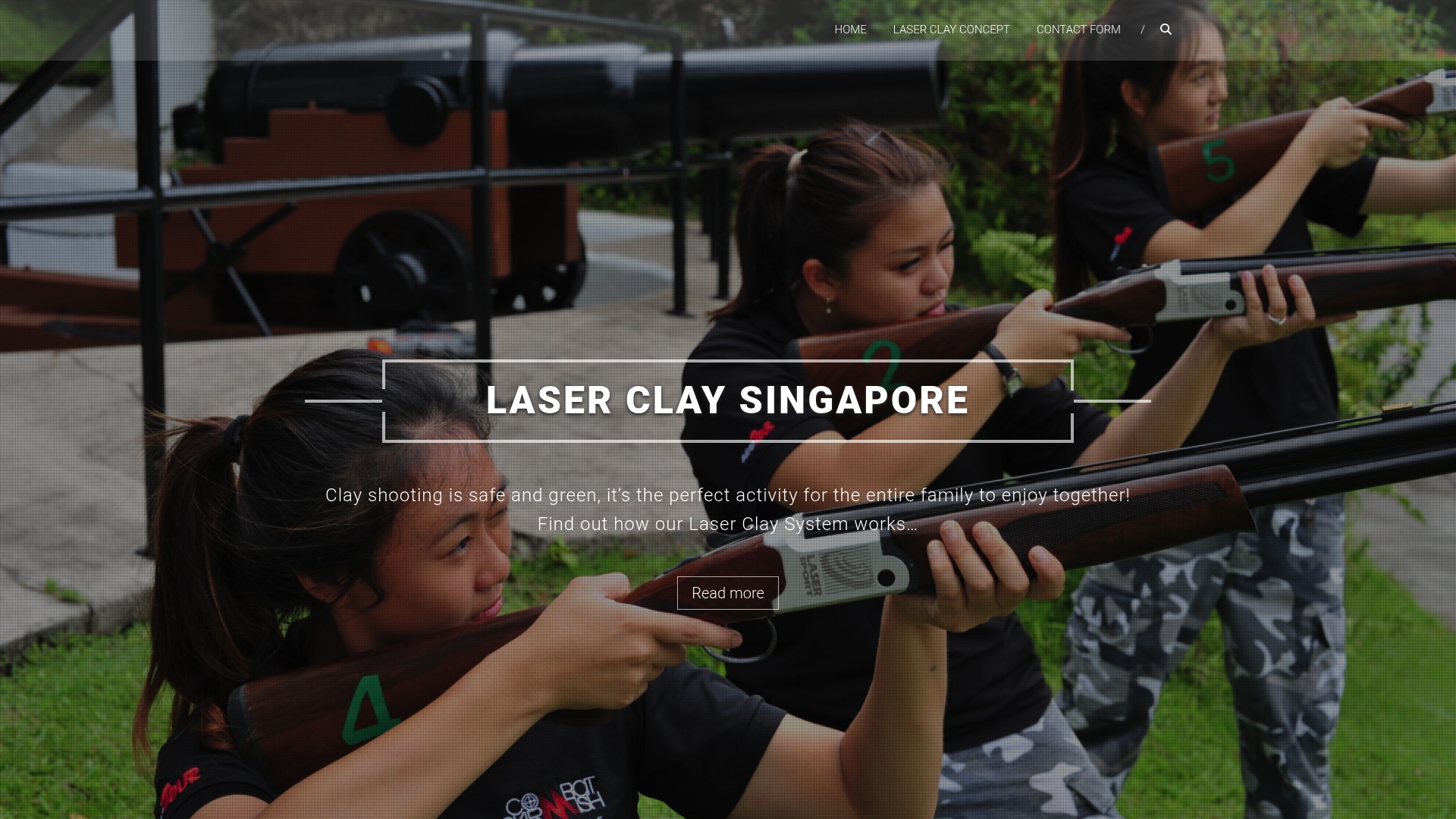
We run laser clay shooting without live ammunition, using reusable clay targets, which keeps sessions safe and lower-impact regardless of which format you choose. Because the activity is facilitated and suitable for all skill levels, mixed-experience teams and solo competitors can shoot side by side without one group slowing the other down.
Our electronic scoreboards capture individual and team scores in real time, so switching from a relay total to a personal leaderboard mid-session is a format change, not an equipment change. That flexibility is what makes hybrids practical rather than a logistical headache.
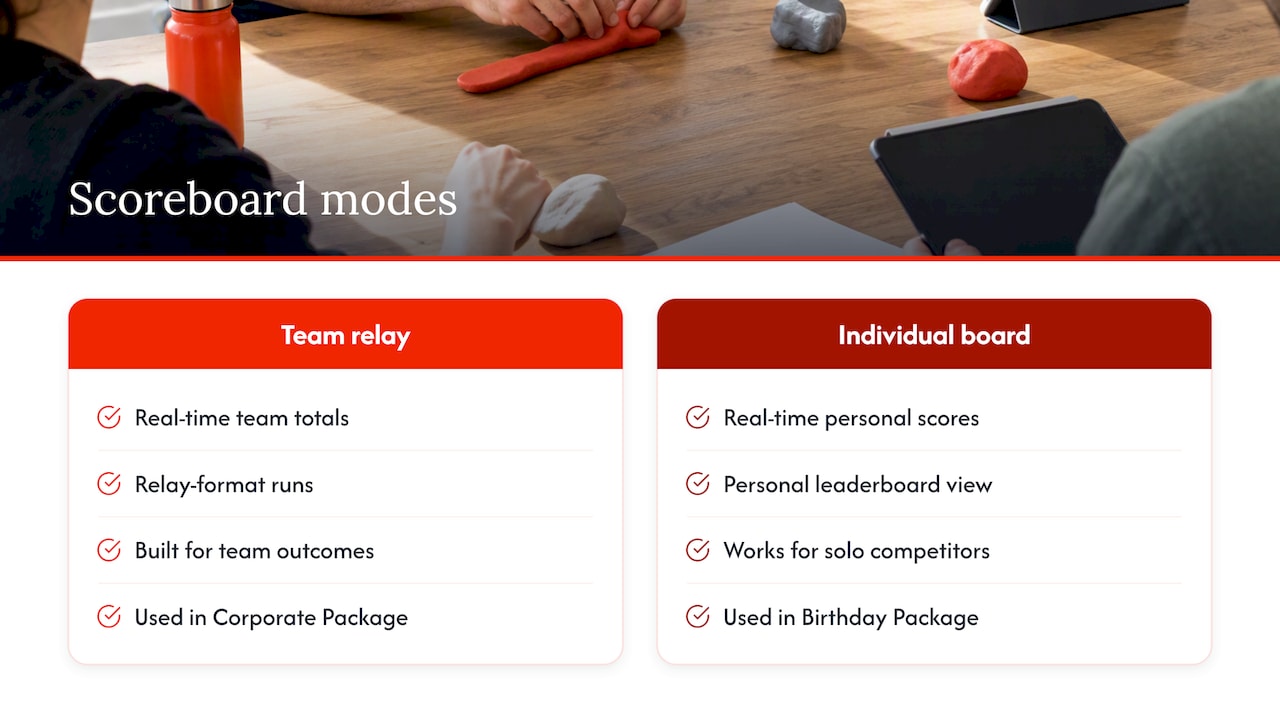
Our Corporate Laser Clay Package is built around team outcomes, our birthday packages flex between team and individual play for mixed-age groups, and our System Rental option suits planners who want to design a fully bespoke run-sheet.
A planner’s view on choosing the right format
If you’re booking on behalf of a client or committee, the decision usually isn’t about which format is “better.” It’s about what the session needs to prove: that a team gelled, or that someone earned a prize. Most of the friction we see comes from planners trying to force one format to do both jobs, when a short hybrid solves it cleanly.
- Clarify the real objective: bonding, reward or assessment.
- Confirm group size and the time slot available.
- Pick team, individual or hybrid based on that objective.
- Confirm staffing and scoreboard setup match the format.
- Schedule a short rehearsal or safety briefing before guests arrive.
— Joshua
Booking Laser Clay for your chosen format
Once you know whether you’re running team, individual or hybrid rounds, booking is straightforward. Our Corporate Laser Clay Package is priced at 69 SGD one-off per person and fits team-focused offsites, while our birthday party package starts from 49 SGD one-off per person and flexes across team and individual play for mixed-age guests. For bespoke run-sheets or longer events, System Rental runs 500 to 800 SGD per hour.
Get in touch through our contact page to check availability and request a run-sheet tailored to your format.
FAQ
Can we run both team and individual modes in one session?
Yes. A common approach runs team relays first to build energy and cooperation, then closes with individual finals so personal performance still gets recognised. This hybrid sequencing suits events with both a morale goal and a prize budget.
What group size works best for individual mode?
Individual mode runs cleanest with smaller groups, roughly under 20 to 30 players, since each person needs enough rounds on the board for a fair leaderboard. Larger groups generally move faster through team relays instead.
How many staff do we need to run a session?
Our standard ratio is one operator and one marshal per 10 players, which keeps lane rotation, safety briefings and scoring consistent across either format.
Is laser clay shooting safe for mixed-age groups?
The activity runs without live ammunition and uses reusable clay targets, and it’s facilitated for a wide range of ages and ability levels. That makes it suitable for mixed-age birthday parties and family events when run with proper staffing.
How much does a Laser Clay event cost?
Our packages cover corporate sessions, birthday parties, and bespoke event rentals. Current prices are available on the pricing page of our website.
Useful links for planning your session
- Corporate Laser Clay Package: booking details for team-focused corporate sessions.
- Birthday party package: flexible team and individual play for mixed-age groups.
- System Rental: equipment hire for bespoke run-sheets and longer events.
- Building team chemistry without expensive activities: practical exercises to extend a team-building outcome beyond the session.
Sources
- Laser clay team building explained for event planners
- Benefits of laser shooting team events explained
- Play Laser Clay in Singapore | Best Weekend Bonding Game
- Corporate Laser Clay Package
- System Rental
- Contact Information
- How to Build Team Chemistry (Without Expensive Team-Building Activities)