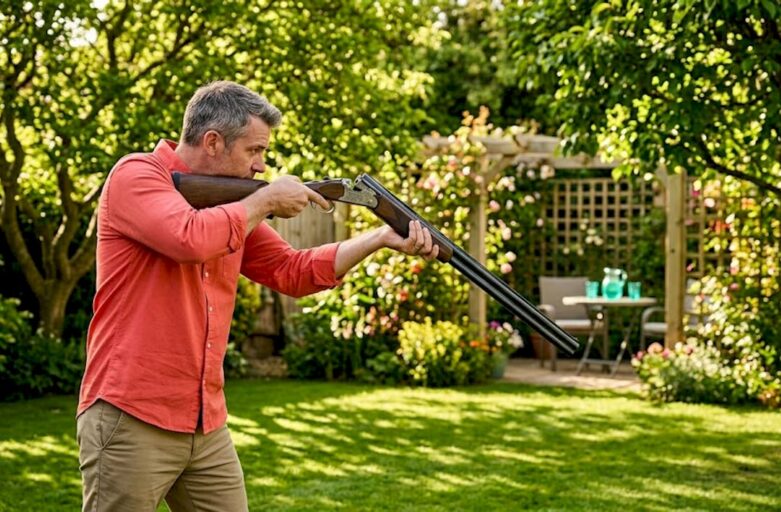
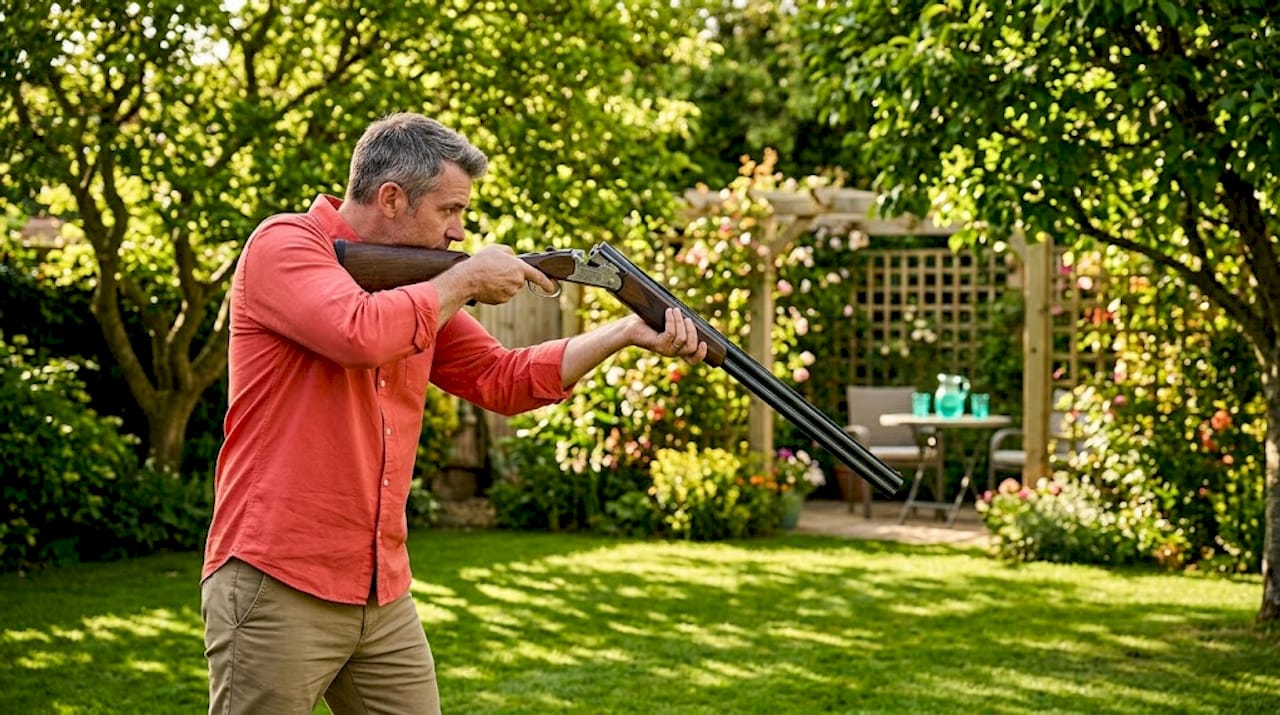
Whether you shoot competitively or just enjoy a weekend round of skeet, the cost and logistics of live ammunition add up fast. Learning to practice clay shooting without live ammo is no longer a compromise. It is a legitimate, structured approach used by serious shooters to sharpen fundamentals, build muscle memory, and stay match-ready between range sessions. This guide covers everything from dry fire safety protocols to virtual reality simulators, giving you a clear path to meaningful progress without a single shell fired.
Table of Contents
- Key takeaways
- How to practise clay shooting without live ammo safely
- Dry fire techniques for clay shooting skill
- VR and simulator options for clay shooters
- Combining methods and avoiding common mistakes
- Measuring progress without live fire
- My honest take on training without live ammo
- Try laser clay shooting with Laserclay
- FAQ
Key takeaways
| Point | Details |
|---|---|
| Safety comes first | Remove all live ammunition from your practice area and verify the chamber multiple times before any dry fire session. |
| Dry fire builds real skill | Regular dry fire sessions develop trigger control, stance, and swing mechanics that transfer directly to live shooting. |
| VR simulators add realism | Systems like GAIM and TrueClays deliver instant shot analysis and realistic clay trajectories without ammunition costs. |
| Weighted stocks close the gap | Training stocks matched to your firearm’s weight significantly improve skill transfer from simulation to the real range. |
| Blend your methods | Combining dry fire, simulation, and occasional live fire produces faster, more durable improvement than any single approach. |
How to practise clay shooting without live ammo safely
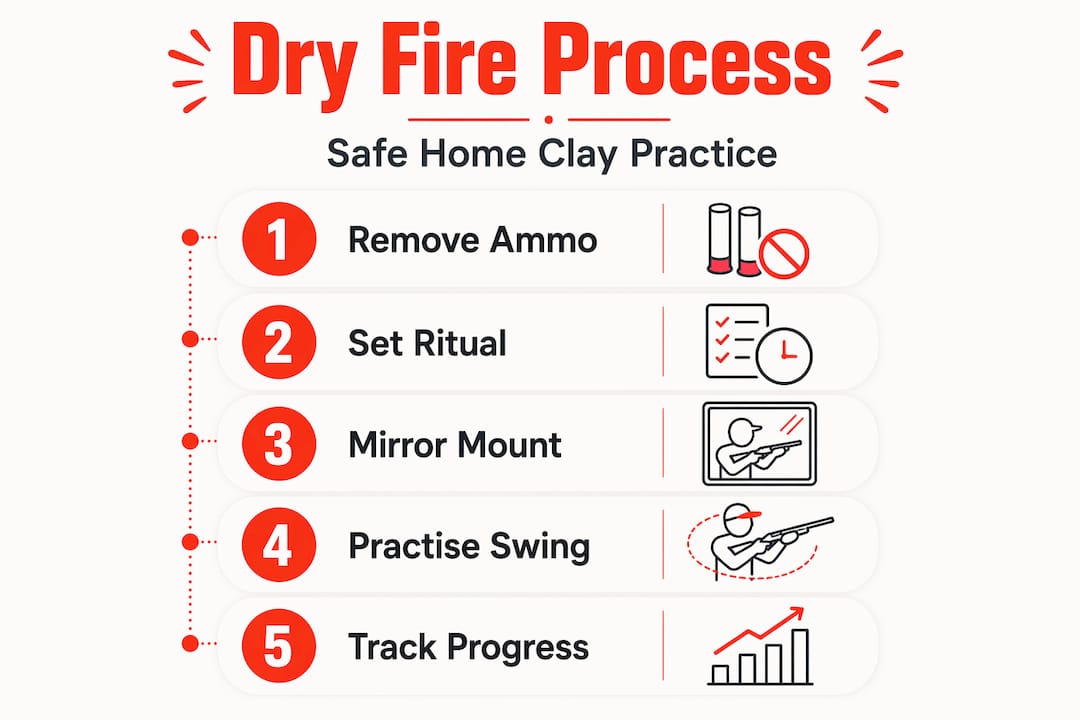
Before you pull a trigger on an empty chamber, the groundwork matters enormously. Physically verifying no live ammunition is present in your practice area, not once but repeatedly, is the single most important step in safe dry fire training. This means removing all cartridges from the room, not just from the gun.
Set up a dedicated practice space with a clearly defined safe direction. A solid backstop, such as a thick wall or a purpose-built dry fire target board, gives you a consistent aiming point and a safe direction for the muzzle. Keep the space free of distractions and establish a firm rule: once live ammunition enters the room, the session is over.
Here is the recommended equipment checklist before you begin:
- Snap caps or dummy rounds to protect your firing pin during repeated trigger pulls
- A safe backstop positioned at a realistic shooting distance
- A shot timer or metronome app to track cadence and consistency
- A training mount board or mirror for checking gun mount and cheek weld
- A cleared, unloaded firearm verified multiple times before use
Pro Tip: Set a physical ritual before every dry fire session. Remove all ammunition from the room, place it in a separate bag outside the door, then check the chamber three times. The ritual itself conditions your brain to switch into a safe practice mindset.
Local regulations vary, particularly in urban areas or flats. Check whether your local authority has any rules about handling unloaded firearms in residential settings. In most cases, dry fire practice in a private home is perfectly legal, but it is worth confirming before you begin.
Dry fire techniques for clay shooting skill
Dry fire practice is the most efficient way to build muscle memory without environmental or cost constraints. For clay shooting specifically, the fundamentals you can sharpen are gun mount, swing, trigger timing, and follow-through. These are the exact movements that separate consistent shooters from inconsistent ones.
The key insight most hobbyists miss is that dry fire helps professional marksmen isolate individual actions like swing and follow-through without the distraction of recoil and noise. When you strip away the bang, you actually notice more about your movement quality.
Here is a structured dry fire drill sequence for clay shooting:
- The gun mount drill. Stand in your natural shooting stance and mount the gun to your cheek and shoulder 20 times in succession. Focus on consistency. The bead should arrive at the same spot every time.
- The swing and follow-through drill. Pick two points on a wall roughly two metres apart. Mount the gun, swing smoothly from left to right while maintaining cheek contact, and call the imaginary shot at the second point. Repeat 15 times in each direction.
- The trigger pull drill. With the gun mounted and aimed at a small target mark on the wall, squeeze the trigger without disturbing the muzzle. If the bead moves at the moment of trigger release, your grip or trigger control needs work.
- The target acquisition drill. Start with the gun in the low ready position. On a self-given verbal cue, mount and acquire your wall target as quickly as possible while maintaining accuracy. Use a shot timer to track your mount speed over sessions.
- The rhythm drill. Using a metronome app set to a comfortable tempo, practise mounting and swinging in time with the beat. This builds the smooth, rhythmic movement that clay shooting demands.
Repetitive dry practice builds a shooting template in the subconscious, so that when you return to the live range, your movements feel automatic rather than forced.
Pro Tip: Always use snap caps during dry fire to protect your firing pin from wear. Over hundreds of practice pulls, an unprotected firing pin can suffer damage that leads to costly repairs.
The one thing dry fire cannot replicate is recoil. Keep that in mind when evaluating your progress. Every other fundamental, including mount, swing, timing, and trigger control, is fully trainable without a live round.
VR and simulator options for clay shooters
Virtual reality clay shooting simulators have matured considerably. Systems like GAIM clay shooting provide realistic trap, skeet, and sporting clay experiences with 360-degree environments and instant shot analysis, all without a single cartridge. For shooters who want genuine feedback on lead distance, swing speed, and shot placement, these platforms deliver something dry fire simply cannot.
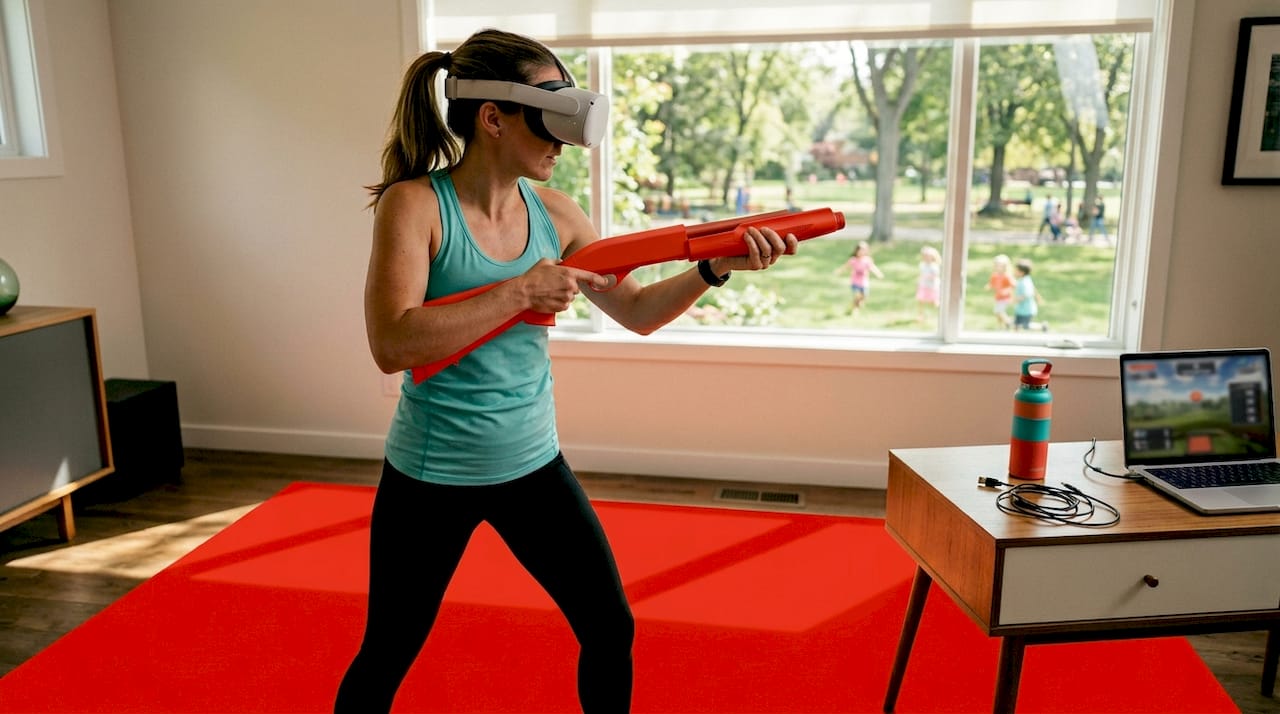
Here is a comparison of the main approaches to simulated clay shooting practice:
| Method | Realism | Cost | Feedback quality | Recoil simulation |
|---|---|---|---|---|
| Dry fire at home | Moderate | Very low | Limited (self-assessed) | None |
| VR simulator (e.g. GAIM, TrueClays) | High | Medium to high | Excellent (instant data) | Minimal |
| Laser clay shooting (e.g. Laserclay) | High | Low per session | Good (hit or miss feedback) | None |
| Weighted training stock only | Moderate | Low | None | None |
One underappreciated element of VR training is the role of the training stock. Weighted training stocks like the MegaVR Simstock or Real Stock Pro are designed to match the weight and balance of your actual shotgun. Skill transfer from simulation to real shooting depends heavily on matching this weight and feel during practice. Without it, you are training movements that do not match your live-fire setup.
VR systems also allow you to practise disciplines you may not have access to locally. If your nearest range only offers trap, a simulator gives you sporting clays and skeet as well, broadening your skill base without additional travel costs.
That said, virtual simulators cannot fully replicate recoil, which means grip strength, stance stability under recoil, and recovery speed still need live-fire validation. Use simulators to build your visual and mechanical skills, and reserve live sessions for confirming that those skills hold up under real conditions.
Combining methods and avoiding common mistakes
The shooters who improve fastest are not those who do the most dry fire or the most simulator time. They are the ones who combine methods intelligently and practise consistently.
A practical weekly structure might look like this: three short dry fire sessions of 15 to 20 minutes each, one VR or laser clay session per fortnight, and one live fire session per month to validate progress. This keeps costs manageable while maintaining steady skill development.
Watch out for these common errors when blending clay shooting training alternatives:
- Skipping the safety check. Even experienced shooters can become complacent. Never skip the ammunition removal step, regardless of how many times you have done it before.
- Neglecting recoil management. Because dry fire and simulation do not produce recoil, some shooters develop a flinch or grip habit that only appears during live fire. Periodic live sessions catch this early.
- Practising poor technique at speed. Moving too fast in drills before the movement is clean embeds bad habits. Slow, correct repetitions beat fast, sloppy ones every time.
- Ignoring gun fit. If your shotgun does not fit you properly, no amount of dry fire will fix the underlying issue. A gun fit session with a qualified coach is worth the investment.
- Losing motivation without feedback. Dry fire without any measurement tool becomes monotonous quickly. Use a shot timer, a training app, or a training partner to keep sessions purposeful.
Maintaining a consistent schedule matters more than session length. Twenty minutes three times a week outperforms a two-hour marathon once a fortnight, both for skill retention and motivation.
Measuring progress without live fire
Tracking improvement when you practise clay target practice without ammo requires a slightly different approach than counting broken clays. The indicators shift from outcomes to process quality.
| Progress indicator | How to measure it | Target benchmark |
|---|---|---|
| Gun mount consistency | Mirror or video review | Same cheek weld position every rep |
| Mount speed | Shot timer | Sub-1.5 second mount from low ready |
| Swing smoothness | Video playback | No stuttering or hesitation mid-swing |
| Trigger pull quality | Bead movement at trigger break | Zero muzzle disturbance |
| VR hit rate | Simulator data | Steady improvement over 4-week blocks |
When you return to live fire after a structured non-live ammo training period, you should notice cleaner mounts, a more consistent gun hold, and less flinching. These are reliable signs that the training has transferred. If your VR hit rate has been climbing steadily, expect that to reflect in your live scores within one or two sessions.
The long-term financial benefit is also worth tracking. A single box of clay shooting cartridges costs several times more than a dry fire session or a laser clay booking. Over a year, the savings from reducing live fire frequency while maintaining skill are substantial.
My honest take on training without live ammo
I have spent a fair amount of time watching shooters dismiss dry fire and simulation as “not the real thing.” And I understand the scepticism. There is something about the weight of a live round and the crack of a shot that feels definitive in a way that an empty chamber does not.
But here is what I have found in practice. The shooters who put in consistent dry fire work arrive at the live range with noticeably cleaner mechanics. Their mounts are quieter, their swings are smoother, and they are not fighting their own technique while trying to read a clay. The fundamentals are already there. The live session becomes confirmation rather than construction.
The honest limitation is recoil. You cannot fake it, and grip and stance under recoil do need live-fire time to develop properly. But that is a narrow slice of the overall skill set. Everything else, including mount, swing, timing, and follow-through, is fully trainable without a single shell.
My advice is to stop treating non-live ammo practice as a substitute and start treating it as a foundation. Build the mechanics offline, then test them live. That sequence produces better results than spending every session at the range hoping repetition alone will fix technique.
— Joshua
Try laser clay shooting with Laserclay
If you are ready to take your non-live ammo practice beyond the living room, Laserclay offers a genuinely engaging way to do it. Using advanced laser technology, Laserclay brings the clay shooting experience to life without lead ammunition, safety risks, or environmental concerns. It is accessible to all skill levels, which makes it ideal whether you are a seasoned shooter looking for structured reps or a complete beginner trying the sport for the first time.
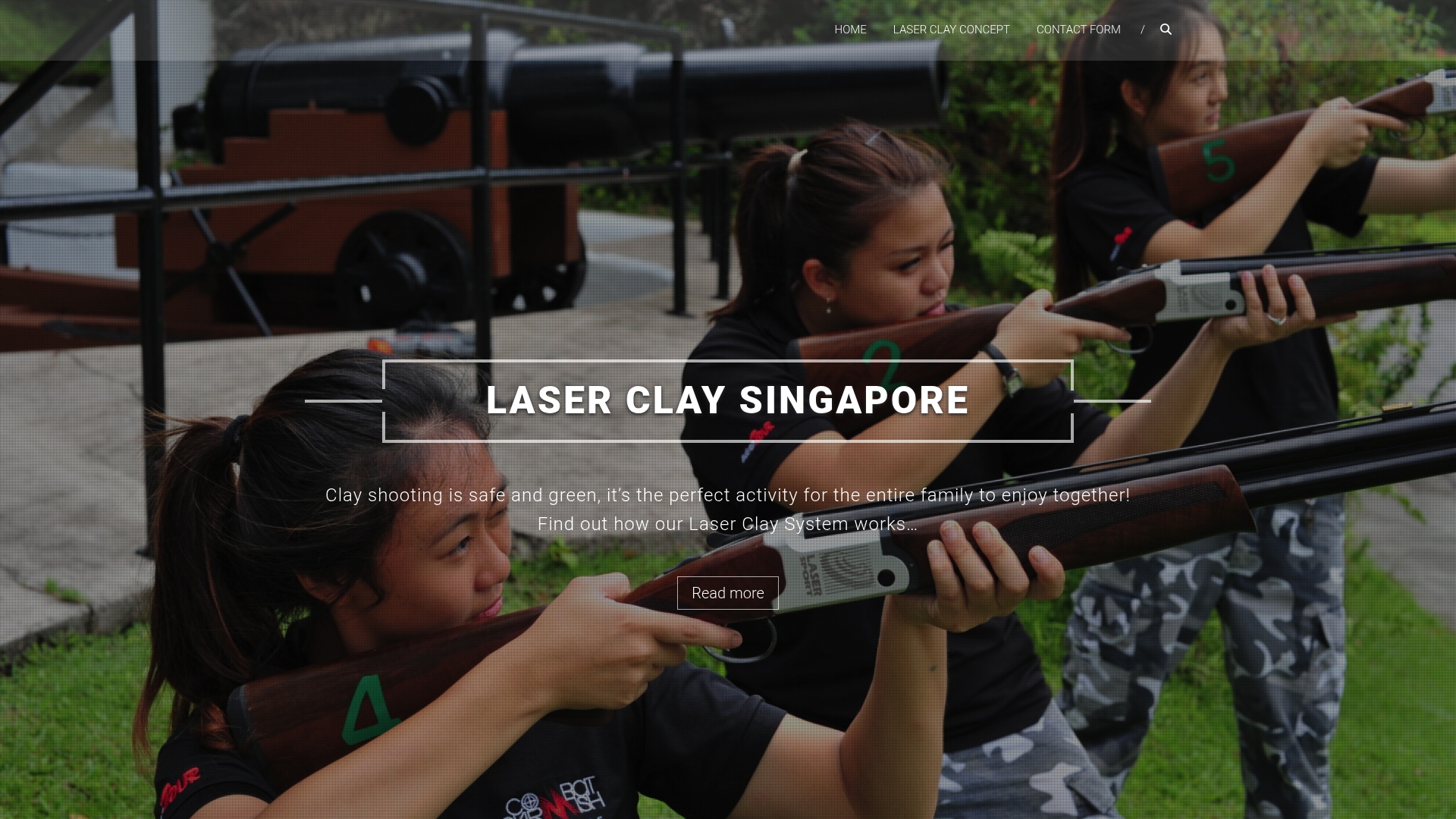
Sessions are available for individuals, groups, corporate team-building events, and celebrations. You get real feedback, a realistic shooting feel, and the social element that makes clay shooting enjoyable in the first place. Find out how a laser clay session fits into your training schedule, or get in touch to discuss bookings and options.
FAQ
What is the safest way to practise clay shooting at home?
Dry fire practice with all live ammunition removed from the room is the safest approach. Verify the chamber multiple times before each session and use snap caps to protect your firearm’s firing pin.
Can dry fire really improve my clay shooting scores?
Yes. Regular dry fire sessions build the muscle memory for gun mount, swing, and trigger control that directly translates to better live-fire performance. The one element it cannot train is recoil management.
How do VR clay shooting simulators compare to live fire?
VR systems provide excellent feedback on shot placement, lead distance, and swing mechanics, but they do not replicate recoil. They are best used alongside occasional live fire rather than as a complete replacement.
Do I need special equipment for dry fire clay shooting practice?
At minimum, you need snap caps to protect your firing pin and a safe backstop to aim at. A shot timer and a mirror or camera for reviewing your mount technique will make sessions significantly more productive.
How often should I practise without live ammo to see results?
Three short dry fire sessions of 15 to 20 minutes per week, combined with periodic simulator or laser clay sessions, produces measurable improvement within four to six weeks for most shooters.