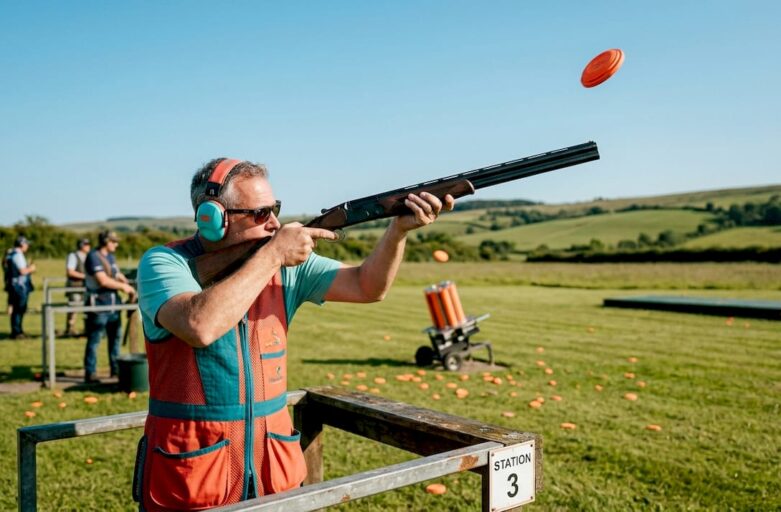
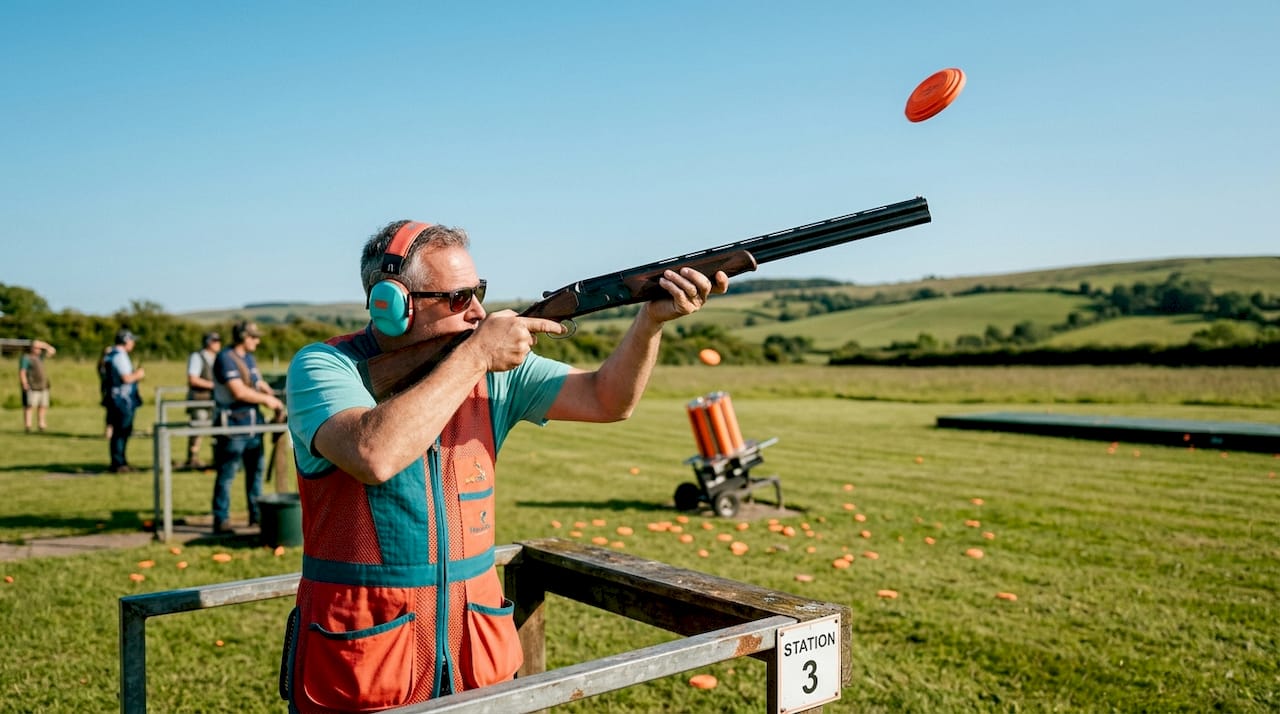
Laser clay shooting is a safe, technology-driven alternative to traditional clay pigeon shooting that uses deactivated 12-bore shotguns firing harmless infrared beams at reusable, sensor-fitted clay targets. No live ammunition, no recoil, no debris. The experience replicates every physical element of the traditional sport while removing the hazards that make conventional shooting inaccessible for many people. Laserclay and similar providers have built entire event programmes around this format, making it a genuine option for corporate groups, families, schools, and complete beginners who want the thrill of clay shooting without the barriers. If you have ever wondered whether clay shooting is for you, this format removes every reason to hesitate.
What is laser clay shooting and how does it work?
Laser clay shooting, also known as laser clay pigeon shooting, is defined by one core substitution: live cartridges are replaced by infrared beams that fire from a deactivated shotgun and interact with reflective or sensor-fitted reusable clay targets. The gun looks, feels, and handles exactly like a real 12-bore shotgun. You stand at the shooting station, mount the gun to your shoulder, track the clay as it flies, and pull the trigger. The difference is that nothing dangerous leaves the barrel.
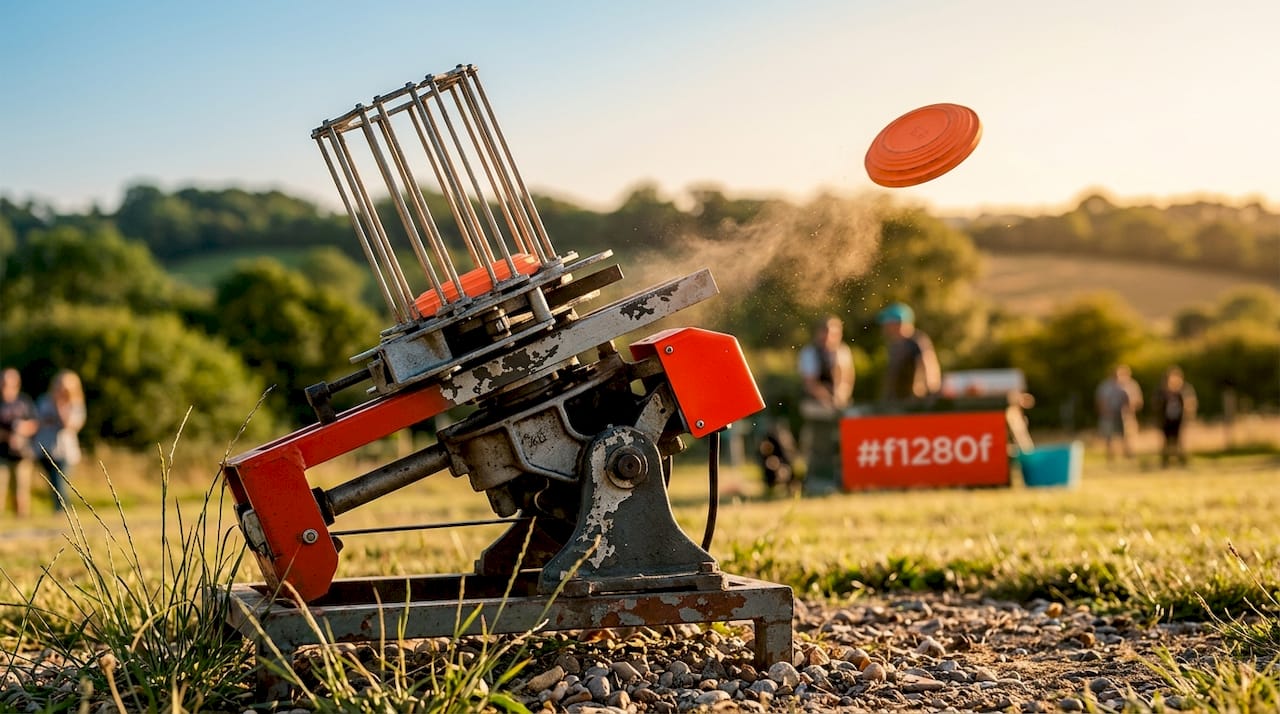
The reusable clays are launched by a standard clay trap, so the flight path, speed, and arc all mirror what you would see in a conventional round. When the infrared beam connects with the reflective strip on the clay, the hit is registered electronically and confirmed on a digital scoreboard in real time. This instant feedback is one of the most significant departures from traditional shooting, where you rely on visual confirmation of a breaking clay and a manual tally.
Sound effects play through the scoreboard system to simulate the crack of a shot, preserving the sensory atmosphere of the sport. The result is an experience that replicates traditional shooting in every meaningful way while eliminating the physical and environmental risks entirely.
How laser clay scoring works in practice
Understanding the scoring system is the fastest way to appreciate why this format works so well for competitive events. Here is the typical sequence from the moment you step onto the shooting station:
- The clay is launched from a trap at a pre-set angle and speed, identical to a conventional clay pigeon.
- You track and fire. Pulling the trigger releases the infrared beam from the modified barrel.
- The beam hits the reflective strip on the clay, bouncing back to the sensor connected to the scoreboard.
- The scoreboard registers the hit instantly, displaying your updated score in real time for all participants to see.
- Sound effects confirm the shot, maintaining the atmosphere of a live round without the noise of a real cartridge.
Typical setups connect five guns to a single scoreboard, allowing five participants to shoot simultaneously. For larger events, multiple systems are linked together to increase throughput and keep the pace moving. This matters for event organisers: the number of bays and scoreboard connections directly determines how many people can compete within a given time window.
Pro Tip: If you are organising a group event, ask your provider how many simultaneous shooting stations they operate. A five-gun setup handles roughly 20 to 30 participants per hour comfortably, depending on round length.
Sessions typically run 30 to 60 minutes, covering an arrival briefing, practice rounds, and a competitive finale. The electronic scoring and immediate feedback transform the experience into something closer to a game than a sport, which is precisely why it works so well for team-building and social events.
How does laser clay compare to traditional clay pigeon shooting?
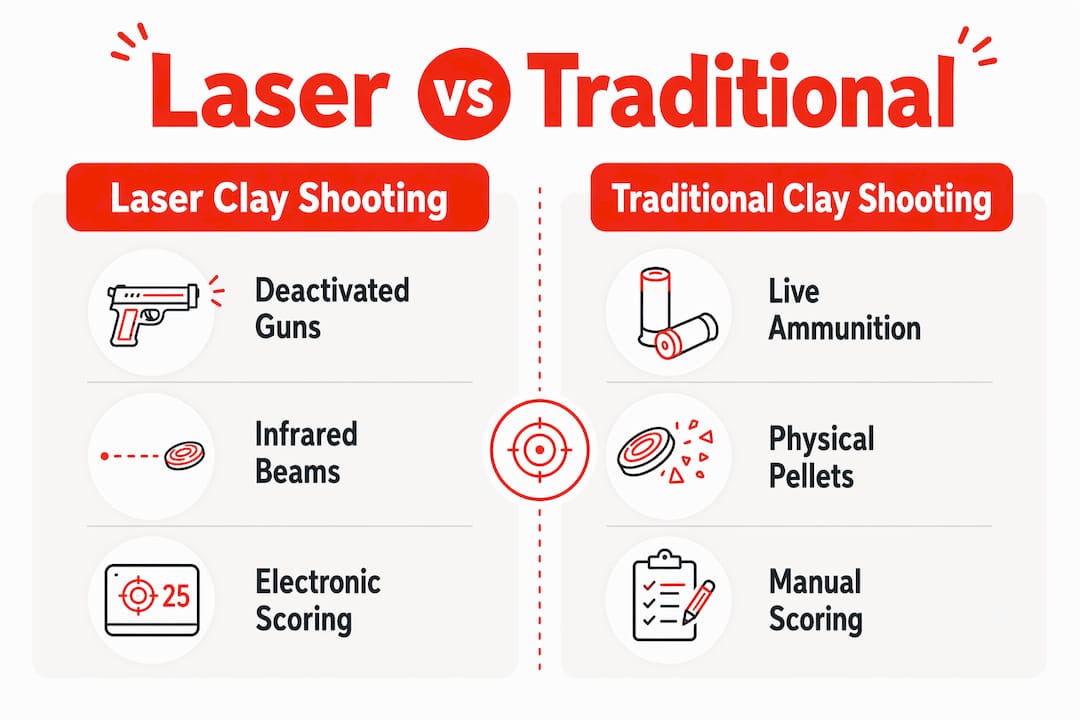
The clearest way to understand the difference is to place both formats side by side. The similarities are more numerous than most people expect.
| Feature | Laser clay shooting | Traditional clay shooting |
|---|---|---|
| Equipment | Deactivated 12-bore shotgun | Live 12-bore shotgun |
| Ammunition | Infrared beam | Live cartridges |
| Recoil | None | Significant |
| Noise level | Simulated sound effects | Loud gunshot report |
| Clay targets | Reusable, sensor-fitted | Breakable, single-use |
| Scoring | Electronic, real-time | Manual tally or visual |
| Debris | None | Clay fragments, spent cartridges |
| Age suitability | Generally 10 to 12 years and above | Typically 16 years and above |
| Environmental impact | Minimal | Lead shot, clay debris |
The table makes the safety and accessibility gap obvious. Traditional clay shooting requires regulation and licensing in many jurisdictions, and the physical demands of recoil alone exclude younger participants and anyone with shoulder or joint concerns.
That said, the laser format is not a lesser version of the sport. The deactivated guns are genuine shotguns in terms of weight, balance, and handling. The clay flight paths are identical. The competitive pressure of watching a live scoreboard arguably adds an intensity that manual tallying cannot match. For anyone looking to switch from traditional to laser clay shooting, the transition is straightforward because the physical mechanics are the same.
Key differences worth noting for newcomers:
- No ear protection required. The absence of a live cartridge means the noise level is manageable without specialist equipment.
- No range licence needed. Providers can set up laser clay systems in parks, car parks, and indoor venues.
- Clays are collected and reused after every session, leaving no mess and no environmental footprint from lead shot or broken clay fragments.
Who is laser clay shooting suitable for?
Laser clay shooting is suitable for almost anyone. Children aged 10 to 12 and above can participate safely, with the exact lower age limit varying by provider. The absence of recoil is the critical factor here. A standard 12-bore shotgun produces enough kick to bruise an adult shoulder; a deactivated version with an infrared system produces none. This single change opens the activity to children, older adults, and anyone who has never held a firearm.
The format is particularly well-suited to:
- Corporate team-building events, where mixed ability groups need an activity that levels the playing field.
- Stag and hen parties, where the competitive scoring creates natural banter and engagement.
- Family days and birthday celebrations, where participants range from 10 to 70 years old.
- School programmes, where shooting sports teach discipline and focus without the risks of live ammunition.
- Beginners exploring clay shooting as a potential hobby before committing to a licensed range.
Safety briefings are standard practice at every reputable provider. An experienced instructor covers gun handling, shooting stance, and range etiquette before any participant picks up a gun. No noise or recoil means the briefing is shorter and the learning curve is far less steep than at a traditional range.
Pro Tip: First-time participants almost always underestimate how quickly they improve. Within 15 minutes of practice rounds, most beginners are hitting clays consistently. Build that into your event schedule and you will see confidence and enjoyment rise sharply.
What events and formats does laser clay shooting suit?
The versatility of laser clay shooting is one of its most underappreciated qualities. Because the equipment requires no specialist venue and leaves no mess, providers can set up almost anywhere.
| Event type | Typical group size | Format | Duration |
|---|---|---|---|
| Corporate team building | 10 to 50 | Team rounds, league table | 60 to 90 minutes |
| Stag or hen party | 8 to 20 | Individual competition | 45 to 60 minutes |
| Family day | 6 to 30 | Casual rounds, mixed teams | 30 to 60 minutes |
| School programme | 15 to 40 | Structured rounds, coaching | 60 to 120 minutes |
| Tournament event | 10 to 100 | Knockout or league format | Half day to full day |
Multiple game modes allow organisers to run casual play alongside competitive team challenges within the same session. A typical corporate event might open with practice rounds, move into team heats, and finish with a knockout final displayed live on the scoreboard. The real-time scoring keeps energy high throughout because everyone can see exactly where they stand.
Indoor variations exist for venues with sufficient ceiling height, making the format genuinely weather-independent. Outdoor setups benefit from natural light and more space for multiple simultaneous shooting stations. Laserclay, for example, operates both configurations depending on client requirements. For a detailed breakdown of how a session is structured, the play laser clay guide covers the format step by step.
Key takeaways
Laser clay shooting delivers the full physical experience of traditional clay pigeon shooting through infrared technology, reusable targets, and electronic scoring, without live ammunition, recoil, or environmental impact.
| Point | Details |
|---|---|
| Core technology | Deactivated 12-bore shotguns fire infrared beams at sensor-fitted, reusable clay targets. |
| Scoring system | Hits register electronically in real time, updating a live digital scoreboard instantly. |
| Safety and access | No recoil, no live ammo, and no debris make it suitable for ages 10 and above. |
| Environmental benefit | Reusable clays are collected after every session, eliminating lead shot and clay fragment waste. |
| Event versatility | Sessions run from 30 to 90 minutes and suit corporate groups, families, schools, and tournaments. |
Why laser clay shooting is more than a novelty
I have watched a lot of people pick up a laser clay shotgun for the first time expecting a watered-down version of the real thing. Almost without exception, they are surprised. The weight of the gun, the discipline of tracking a moving target, the split-second timing required to connect with a clay at full flight: none of that changes just because the cartridge is infrared.
What does change is who gets to experience it. I have seen a 12-year-old outshoot a seasoned corporate director on a live scoreboard, and I have watched a group of colleagues who had never touched a gun leave a session genuinely competitive and already planning a rematch. That is not something traditional clay shooting can offer to a mixed-ability group on a Tuesday afternoon in a car park.
The environmental argument is also more significant than it first appears. Traditional clay shooting leaves behind lead shot and broken clay fragments across the ground. Providers who collect and reuse sensor-fitted clays as standard practice are not just being tidy. They are removing a genuine ecological concern that has led to restrictions on traditional shooting in several countries.
My honest view is that laser clay shooting is not trying to replace the traditional sport for serious clay shooters. It is doing something more interesting: it is making the experience of clay shooting available to people who would never otherwise try it, and doing so without compromise on the physical authenticity that makes the sport compelling in the first place.
— Joshua
Try laser clay shooting with Laserclay
Laserclay brings the full laser clay pigeon shooting experience to Singapore, with modern equipment, real-time electronic scoring, and sessions designed for groups of all sizes and abilities.
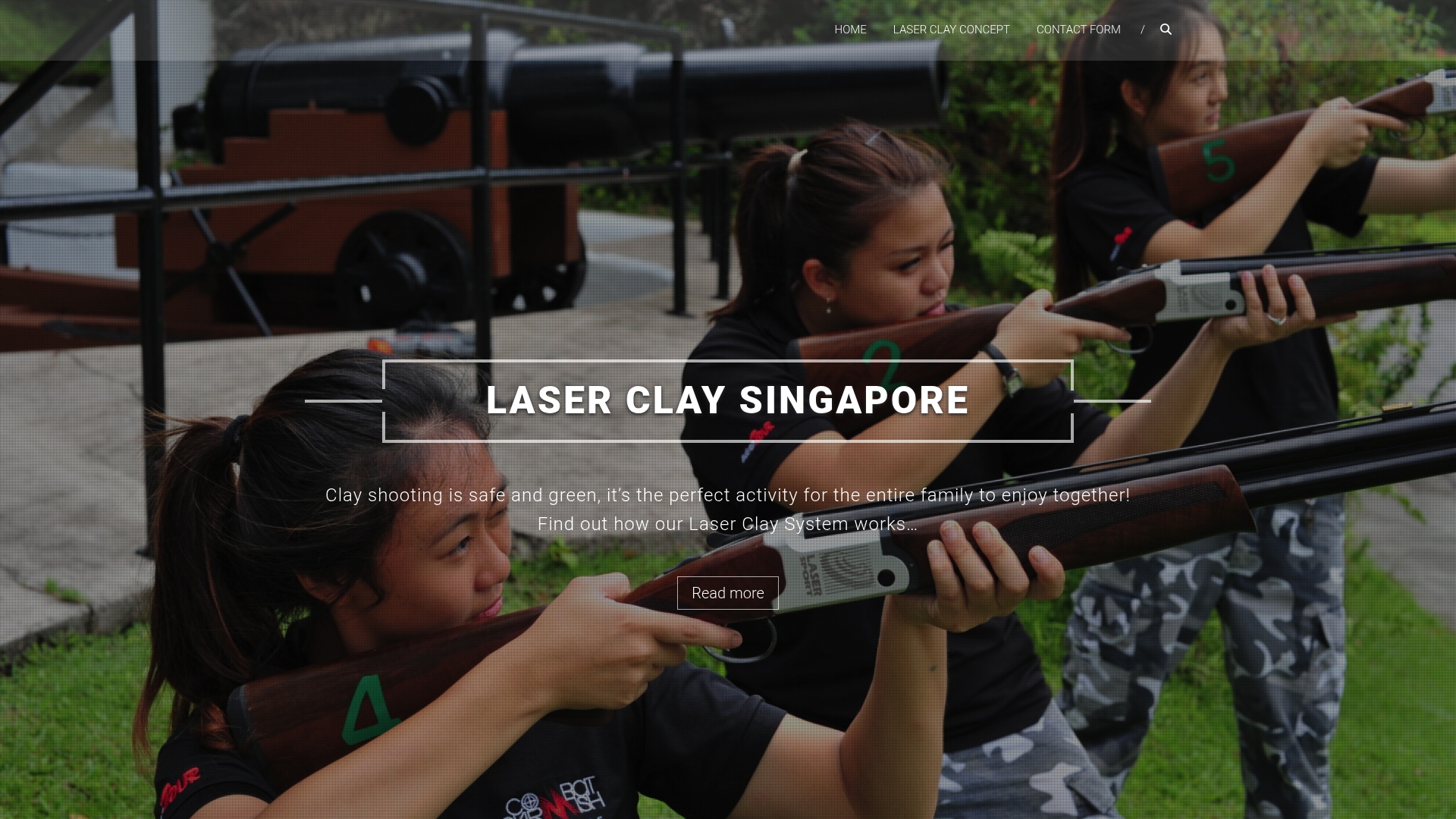
Whether you are planning a corporate team day, a birthday celebration, or a school programme, Laserclay provides a complete setup including deactivated shotguns, reusable sensor-fitted clays, and a live digital scoreboard. Sessions are run by experienced instructors who handle the safety briefing and coaching so your group can focus on competing. The format is eco-friendly and accessible from age 10 upwards, with no specialist venue required. Visit the booking and session guide to check availability and find the right format for your event.
FAQ
What is laser clay pigeon shooting?
Laser clay pigeon shooting is a version of traditional clay shooting that uses deactivated shotguns firing infrared beams at reusable, sensor-fitted clay targets. It replicates the physical experience of the sport without live ammunition, recoil, or environmental debris.
How does laser clay scoring work?
When the infrared beam from the gun connects with the reflective strip on a flying clay, the hit is registered electronically and displayed on a live digital scoreboard in real time. There is no manual counting and no ambiguity about whether a clay was hit.
Is laser clay shooting safe for children?
Most providers set the minimum age at 10 to 12 years old. The absence of recoil and live ammunition makes it significantly safer than traditional clay shooting, and a safety briefing from an instructor is standard before any session begins.
Can laser clay shooting be used for competitive tournaments?
Yes. The electronic scoring system supports knockout and league formats, with live results visible to all participants throughout the event. Multiple simultaneous shooting stations allow large groups to compete in structured rounds.
How does laser clay shooting differ from traditional clay shooting?
The primary differences are the use of infrared beams instead of live cartridges, the absence of recoil and significant noise, and the use of reusable clays instead of breakable single-use targets. The gun handling, clay flight paths, and competitive structure remain the same.