

Shooting sports are defined by a growing tension between tradition and the demands of a modern, safety-conscious, and environmentally aware world. The case for why shooting sports need modernization rests on four pillars: safety, fairness, accessibility, and environmental responsibility. Recent moves by the International Shooting Sport Federation (ISSF), the National Rifle Association of India (NRAI), and technology firms like Action Target confirm that the sport is at a genuine turning point. The question is no longer whether to modernise, but how fast.
Why shooting sports need modernization now
The 2026 ISSF rule changes represent the most significant regulatory shift in competitive shooting in over a decade. The central concern driving them is what Olympic champion Abhinav Bindra has called “technological doping”: the use of hyper-stiff shooting gear that artificially boosts performance, effectively replacing athlete skill with equipment advantage. The new rules mandate lighter, less rigid gear to restore competitive integrity.
The fairness argument is straightforward. When expensive, overly engineered equipment determines results, well-funded athletes win by default. The 2026 ISSF rule changes set new thresholds that reduce equipment-induced inequality, making the sport more accessible to athletes from lower-income backgrounds and developing nations. That is not just good ethics. It is good sport.
The importance of updated shooting sports rules extends beyond elite competition. Grassroots clubs, school programmes, and recreational shooters all benefit when the cost of entry falls. Lower equipment costs mean more participants, more funding, and a healthier talent pipeline for future Olympic cycles.
Pro Tip: If you are a club coach or policy advocate, the 2026 ISSF equipment guidelines are worth reading in full. They provide a clear framework for updating your club’s approved gear list and can help you make the case for budget reallocation to governing bodies.
Key benefits of the 2026 regulatory updates include:
- Reduced equipment costs making competitive shooting accessible to athletes without large sponsorship budgets
- Skill prominence restored as the primary determinant of competitive results
- Standardised gear thresholds reducing disputes over equipment legality at international events
- Broader participation as lower barriers attract new demographics, including youth and women
India’s shooting scene illustrates the real-world impact of policy-driven access. The country has produced world-class shooters partly because of regulatory reform, and the 2026 ISSF changes align closely with the direction Indian shooting federations have already been taking.
How is technology transforming shooting ranges?

Modern range management is no longer about clipboards and manual lane assignments. IoT-based range platforms like SmartRange AXIS unify manual processes into digital workflows, cutting errors and reducing wait times for both operators and participants. The result is a safer, more efficient facility that can handle higher throughput without compromising the experience.
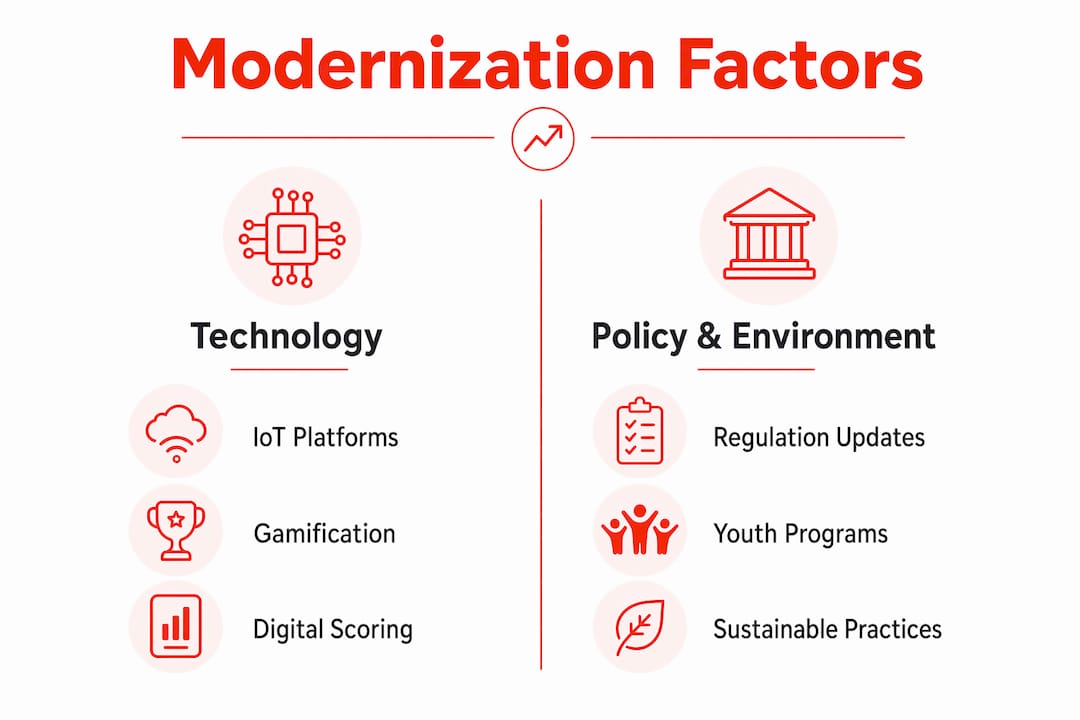
The commercial case for technology in shooting sports is equally strong. Action Target’s TopShot shotgun ranges demonstrate how gamification transforms a traditionally niche activity into a family and corporate event. By integrating digital scoring, interactive targets, and lane-sharing systems, these facilities increase what the industry calls “revenue density”: more participants per lane, more sessions per day, more diverse audiences.
Here is how technology is reshaping the shooting sports experience step by step:
- Digital lane management replaces paper-based systems, allowing real-time booking, lane sharing, and automated safety checks.
- Gamified scoring systems display live leaderboards and personal bests, turning practice sessions into competitive events that keep participants coming back.
- IoT safety monitoring tracks equipment status, range conditions, and participant behaviour in real time, reducing incident risk.
- Interactive target systems adjust difficulty dynamically, making the sport accessible to beginners while still challenging experienced shooters.
- Data analytics dashboards give range operators insight into peak usage times, equipment maintenance needs, and participant retention rates.
Pro Tip: Range operators looking to increase bookings should consider gamified scoring as a first step. It requires relatively low capital investment compared to full IoT integration, yet delivers immediate improvements in participant engagement and repeat visits.
The “Topgolf-style” model is particularly significant for the future of competitive shooting. Topgolf turned a traditional sport into a social experience by adding technology and removing barriers to entry. Shooting ranges adopting the same philosophy are seeing group bookings from corporate teams, birthday parties, and school groups that would never have visited a conventional range.
What role do policy and youth programmes play?
Policy change is the fastest lever for growing shooting sports participation. India’s experience is the clearest evidence available. After the government liberalised import permits and reduced the minimum handling age from 16 to 12, registered shooters grew from 8,011 in 2019 to 16,951 in 2025. That is more than a doubling of participation in six years. The policy change did not just add numbers. It changed who the sport belongs to.
The NRAI has set an even more ambitious target. The association aims to expose 750,000 youth to shooting before the 2028 Olympics. That figure reflects a deliberate strategy: build a broad base of young participants now, and the elite talent will emerge naturally over the following decade.
| Policy Change | Impact |
|---|---|
| Age limit reduced from 16 to 12 | Opened the sport to a younger demographic, expanding the talent pool |
| Import permit liberalisation | Made quality equipment more affordable and widely available |
| NRAI 750,000 youth exposure goal | Creates a structured pipeline from grassroots to elite competition |
| 2026 ISSF equipment cost rules | Reduces financial barriers for athletes in developing nations |
Schools and families are drawn to shooting sports for reasons beyond competition. The discipline, focus, and mental control required to shoot accurately are skills that transfer directly to academic and professional life. Framing the sport around these benefits, rather than purely around competitive results, is how federations and clubs attract new demographics. The shooting sports evolution happening right now is as much cultural as it is technical.
Are environmental concerns holding shooting sports back?
Traditional clay shooting carries a well-documented environmental cost. Lead shot contaminates soil and water, posing risks to wildlife and local ecosystems. The common environmental concerns associated with conventional clay shooting include lead accumulation in topsoil, noise pollution affecting surrounding communities, and the physical waste of clay target fragments across large areas of land.
These concerns are not abstract. They are the reason several local authorities in the United Kingdom and across Europe have introduced restrictions on outdoor clay shooting near protected habitats. The growing popularity of lead-free alternatives is a direct response to these pressures.
Laser clay shooting addresses every one of these concerns simultaneously:
- Zero lead contamination as no live ammunition is used at any point
- No clay fragment waste since targets are digital projections or physical discs that are reused
- Reduced noise levels making the activity suitable for urban venues, schools, and indoor spaces
- Lower running costs as there is no ongoing ammunition expenditure
- Broader venue options including corporate offices, sports halls, and community centres
| Factor | Traditional Clay Shooting | Laser Clay Shooting |
|---|---|---|
| Ammunition | Lead shot required | None required |
| Environmental risk | Soil and water contamination | None |
| Venue flexibility | Outdoor ranges only | Indoor and outdoor |
| Cost per session | High (ammunition + targets) | Lower (reusable equipment) |
| Accessibility | Licence and safety training required | Open to all ages and skill levels |
The growth of ammunition-free shooting in 2026 is not a niche trend. It is a structural shift driven by regulation, public opinion, and the practical needs of event organisers who want engaging, safe activities without the logistical burden of live ammunition. Sustainability is no longer a selling point. It is a baseline expectation.
Key takeaways
Modernising shooting sports requires simultaneous action on regulation, technology, policy, and environmental practice to sustain and grow the sport’s global relevance.
| Point | Details |
|---|---|
| Regulatory fairness matters | The 2026 ISSF rules reduce equipment advantages, restoring skill as the primary competitive factor. |
| Technology increases access | IoT systems and gamified ranges attract new demographics and improve range efficiency. |
| Policy drives participation | India’s age limit reduction doubled registered shooters from 8,011 to 16,951 in six years. |
| Youth pipelines are critical | The NRAI’s goal of 750,000 youth exposures before 2028 shows how federations build long-term talent. |
| Sustainability is non-negotiable | Lead-free and laser alternatives remove environmental barriers and open new venue categories. |
The uncomfortable truth about tradition in shooting sports
I have spent years watching governing bodies in sport resist change until the cost of inaction becomes undeniable. Shooting sports are no different. The resistance to updating equipment rules, lowering age limits, or embracing laser alternatives often comes from people who love the sport deeply. That love is real, and it deserves respect. But love for a sport is not the same as serving its future.
The 2026 ISSF changes and the NRAI’s youth programme are not threats to tradition. They are the mechanism by which the tradition survives. A sport that only wealthy, adult, male athletes can access is not a sport with a future. The data from India proves that when you remove barriers, participation surges. The talent that emerges from that surge is what keeps the sport relevant at the Olympic level.
My honest caution is this: modernisation without community engagement produces backlash. Federations and clubs that impose rule changes without explaining the reasoning lose members. The most effective modernisation efforts I have seen combine clear communication with genuine consultation. Tell your members why the change matters. Show them the data. The sport’s evolution is a story worth telling, and the people inside it deserve to hear it first.
— Joshua
Experience modern shooting with Laserclay
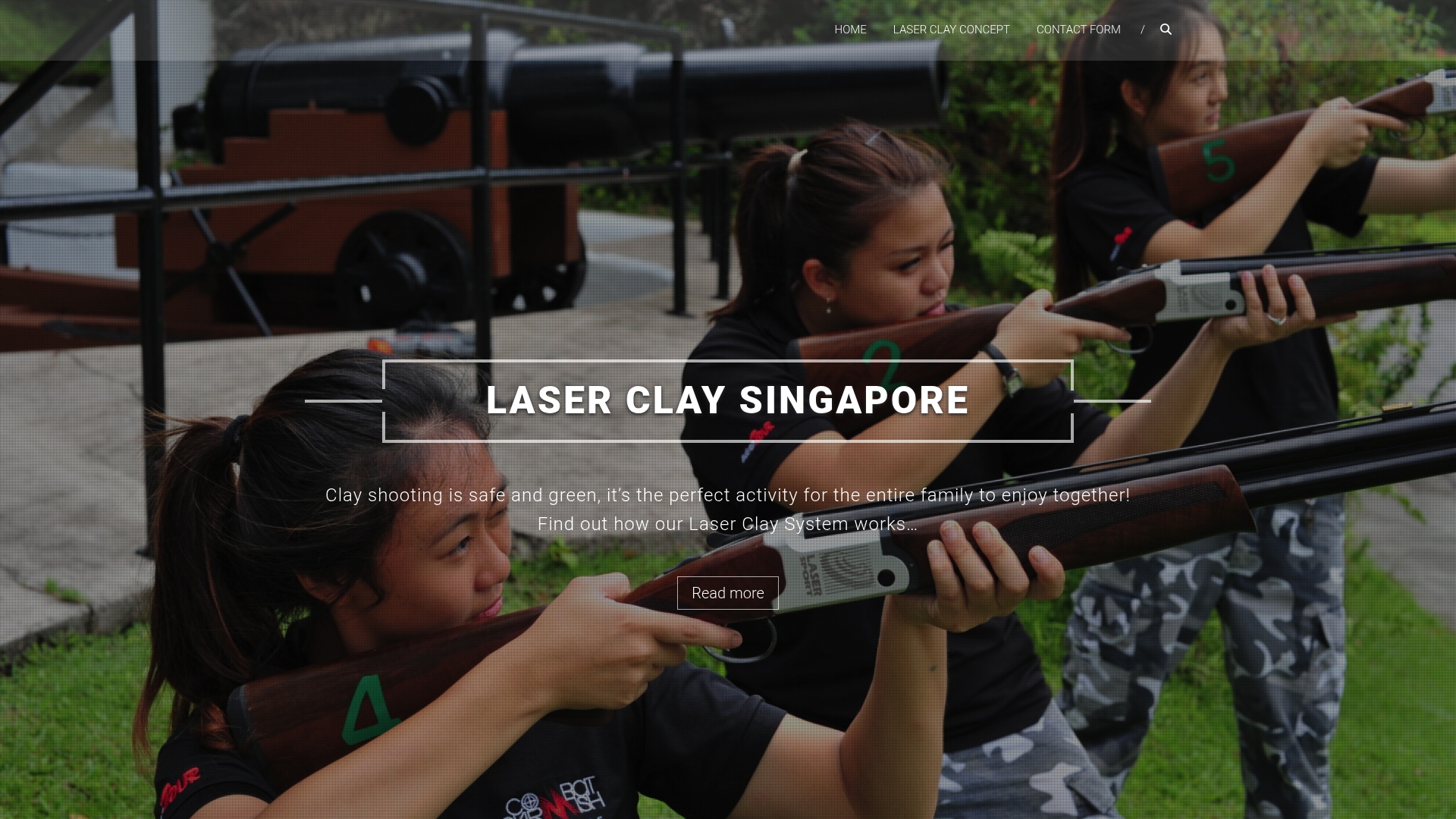
Laserclay brings the shooting sports evolution to life in a format that is safe, sustainable, and genuinely enjoyable for everyone. Using advanced laser technology, Laserclay removes the barriers of live ammunition, lead contamination, and restrictive venue requirements. Whether you are planning a corporate team-building day, a family weekend activity, or a school event, Laserclay delivers a fully immersive clay shooting experience without any of the environmental or safety concerns of traditional formats. Explore the Laserclay Singapore experience and discover why eco-conscious event organisers and sporting enthusiasts are choosing laser clay as their preferred modern alternative. You can also read the beginner’s guide to getting started to see exactly what to expect on your first session.
FAQ
What is technological doping in shooting sports?
Technological doping refers to the use of hyper-stiff shooting equipment that artificially boosts performance beyond what athlete skill alone can achieve. The 2026 ISSF rules specifically target this by mandating lighter, less rigid gear to restore fair competition.
How have policy changes affected shooting sports participation?
India’s reduction of the minimum handling age from 16 to 12, combined with import permit liberalisation, grew registered shooters from 8,011 in 2019 to 16,951 in 2025. Policy reform is the single most effective lever for expanding participation.
What are the environmental benefits of laser clay shooting?
Laser clay shooting eliminates lead shot contamination, produces no clay fragment waste, and operates at significantly lower noise levels than traditional clay shooting. These factors make it viable in urban venues, schools, and indoor spaces where conventional shooting is prohibited.
Why are shooting ranges adopting gamification?
Gamified ranges using systems like Action Target’s TopShot increase revenue density by enabling lane sharing and attracting group bookings from families and corporate clients. Interactive scoring and live leaderboards convert one-time visitors into regular participants.
What is the nrai’s goal for youth shooting before 2028?
The National Rifle Association of India aims to expose 750,000 young people to shooting before the 2028 Olympics. The programme is designed to build a broad grassroots base from which elite competitive talent can emerge over the following decade.