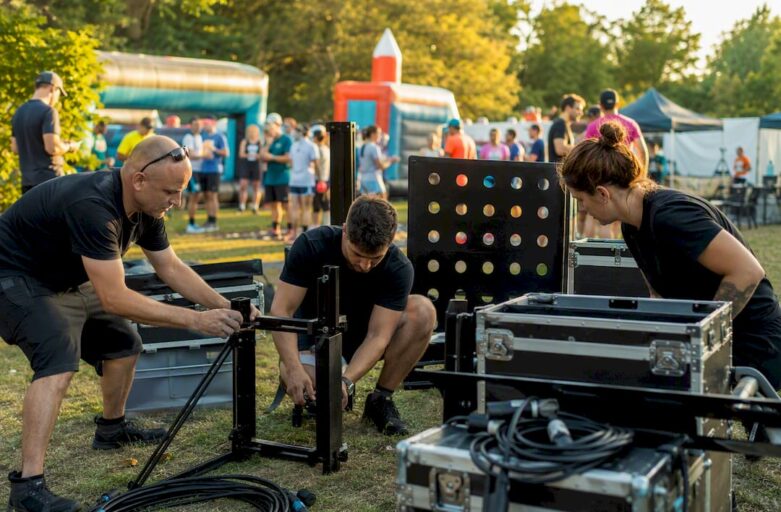
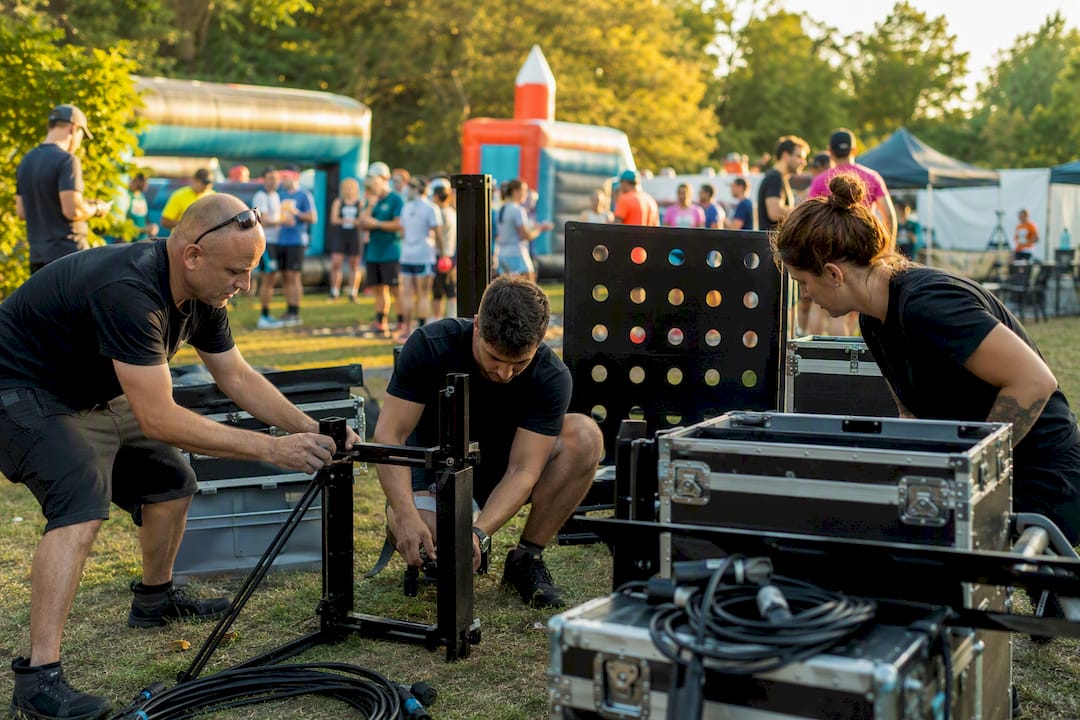
The fastest way to protect an outdoor event from Singapore’s rain is to confirm an indoor or covered fallback before the day arrives, not during it. Book a facilitator-led paid activity such as Laser Clay as your Plan B, set a firm go/no-go decision time (three hours before start is standard for most events), and name one person who owns that call. Everything else in your wet weather plan Singapore checklist flows from those three decisions.
TL;DR:
- Securing an indoor or covered backup venue or activity at least 72 days before the event is crucial, as these spaces book out quickly in Singapore.
- Confirming logistics like power, access, and sheltered routes with the backup venue should be completed one month prior, including stress-testing vendor flexibility.
- Rehearsing the event pivot, especially the operational sequence, ensures a seamless transition during unexpected weather changes on event day.
- Laser Clay serves as a practical rainy-day alternative, offering facilitator-led, indoor-compatible gameplay with quick setup and safety handled by the provider.
- A detailed risk assessment must include clear weather triggers, responsible owners, and predefined actions to comply with Singapore’s safety guidelines and prevent last-minute chaos.
Table of Contents
- Quick wet-weather checklist for planners: what to lock and when
- Deployable indoor or covered activity options that preserve the event outcome
- Operational checklist for switching during event day
- Safety and compliance in Singapore: the checks you must run before a pivot
- Planner perspective: what actually saves a Singapore pivot
- Book Laser Clay as your wet-weather Plan B
- Sources
- FAQ
Quick wet-weather checklist for planners: what to lock and when
A wet weather plan Singapore organisers can actually rely on is built in stages, not on the morning of the event. Miss the early milestones and you’re left improvising with whatever venue happens to be free, which is rarely the venue you wanted.
Here’s the timeline that keeps a contingency plan from collapsing into a scramble:
- 72+ days out: Reserve your backup venue or paid indoor activity as a formal hold, and add a wet-weather line item to the budget. Good indoor backup space in Singapore books out fast, and organisers who wait until closer to the date often find nothing suitable left.
- 1 month out: Confirm loading access, power supply, and sheltered transfer routes with the backup venue. Run a short stress-test call with vendors to check they can actually pivot, not just that they’ve said yes.
- 24 to 72 hours out: Lock final headcount against indoor capacity, test AV equipment, arrange transport contingency, and draft the participant communication message so it’s ready to send, not written in a panic.
- The go/no-go window: Fix the exact decision time, confirm who owns the call, and have your prewritten message queued up to fire the moment the decision is made.
Larger events, corporate offsites of several hundred people especially, need that decision made earlier still, since transport and setup lead times stretch as headcount grows. A team-building logistics checklist built around this timeline turns a stressful judgement call into a formality.
Deployable indoor or covered activity options that preserve the event outcome
Switching indoors doesn’t have to mean switching to something worse. The goal is preserving a large majority of what the outdoor session was meant to deliver, according to advice on wet weather backup plans for outdoor team building, and that means designing the indoor version as its own programme rather than a shrunken copy of the original.
Three broad categories cover most contingency needs:
- Managed facilitated experiences keep the energy, scoring, and competitive structure your outdoor plan had, just under a roof.
- Equipment rental for a facilitator-led activity gives you a medium setup footprint with flexibility on room shape and headcount.
- Multi-zone indoor challenges and classroom workshops work well when the priority is a structured debrief or a learning outcome rather than pure competition.
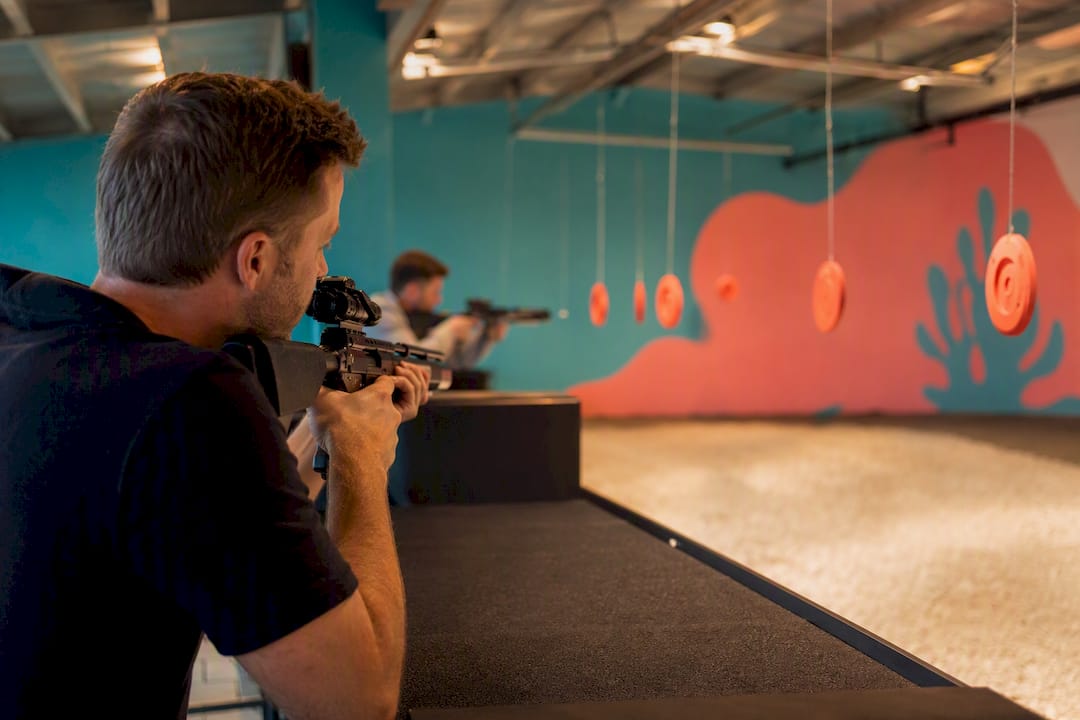
Laser Clay sits in the first category and is worth naming specifically. It runs with a facilitator on-site, an electronic scoreboard that mirrors the competitive scoring teams expect outdoors, and reusable eco-friendly targets that need no ammunition and no live-fire risk. Setup typically fits inside a function room or covered hall, formats scale for mixed-ability groups, and the facilitator handles safety briefing and equipment protection so your own staff aren’t managing gear on top of everything else.
Pro Tip: Ask any indoor activity provider how quickly they can rig on-site. If the answer is longer than your venue’s changeover window, it’s not a genuine wet-weather option, no matter how good the activity looks on paper.
Operational checklist for switching during event day
The pivot itself needs a sequence, or it turns chaotic even when the backup venue is solid. Treat it like a mini run-sheet within the run-sheet.
- Decision and communication: The named decision owner makes the rain call following a clear golf event rain delay policy, then immediately triggers prewritten messages to participants, vendors, and venue staff. No ad-hoc phrasing under pressure.
- Immediate physical actions: Move people and equipment along sheltered transfer routes, get wet-sensitive items into protected storage fast, and put non-slip matting down at entry points before the first person walks through.
- AV and power: Label critical circuits in advance so anyone can identify them under stress, keep backup devices charged and ready, and have a rapid relocation plan for anything that can’t get wet.
- Staffing and timing: Brief facilitators on the revised rotation, build in a buffer window to absorb the changeover delay, and pull in extra crew specifically for wet-weather handling, wet floors and wet gear both create their own workload.
None of this works if it’s the first time anyone’s tried it. Rehearsing the sequence, even briefly, during a tech run or a walkthrough is the difference between a staged transition and a visibly panicked one.
Safety and compliance in Singapore: the checks you must run before a pivot
Singapore’s workplace safety and health guidelines for event management set out specific triggers that should already be written into your risk assessment, not decided on the fly.
- Lightning: Guidance is explicit that outdoor work or activity should stop the moment lightning is detected or forecast, and this applies to setup crews as much as participants.
- Structures: SCDF rules govern temporary structures and venue fire-safety limits, including aisle widths and evacuation routes, which must stay clear even when you’re relocating equipment indoors in a hurry.
- Alerts: Monitor NEA channels for lightning and PSI alerts, and document the exact readings or conditions that trigger a stop-work decision in your risk assessment rather than leaving it to judgement.
- Physical controls: Non-slip flooring at arrival points, weather protection for electrical installations, sheltered loading bays, and a clearly labelled emergency owner all belong on the same checklist.
A corporate event risk assessment template that embeds these triggers, rather than treating the contingency as a footnote, is what actually holds up when conditions turn. The template should name owners and state the fallback action for each trigger, not just flag that a risk exists.
Planner perspective: what actually saves a Singapore pivot
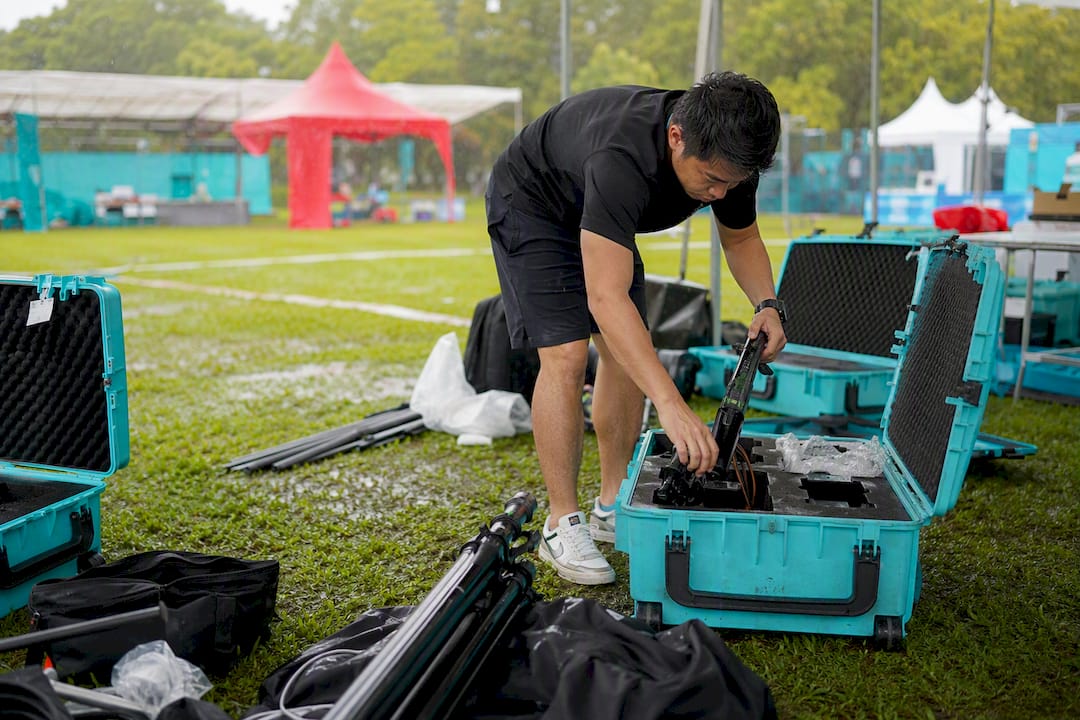
Most wet-weather failures aren’t caused by rain. They’re caused by decisions made too late, backups that were never tested, and participants finding out about the change from a confused text message sent five minutes before start. The plans that hold up share the same trait: the indoor option was booked and confirmed weeks earlier, not hunted for once the sky turned dark.
Prebooked, facilitator-led activities remove most of the friction, since someone else is handling setup and safety while your team handles people. Two things worth doing regardless of provider: rehearse the actual pivot during your tech run, and assign one person whose only job on the day is managing participant flow during the changeover. Everything else in a solid wet weather plan Singapore organisers build tends to fall into place around those two habits.
— Joshua
Book Laser Clay as your wet-weather Plan B
Laser Clay is the direct alternative to scrambling for last-minute venue space when rain threatens your outdoor event. Instead of hunting for an indoor hall on the day, you get a package that ships with a facilitator, an electronic scoring system, and reusable eco-friendly targets, all designed to run indoors or undercover with a setup time that fits inside a typical venue changeover.
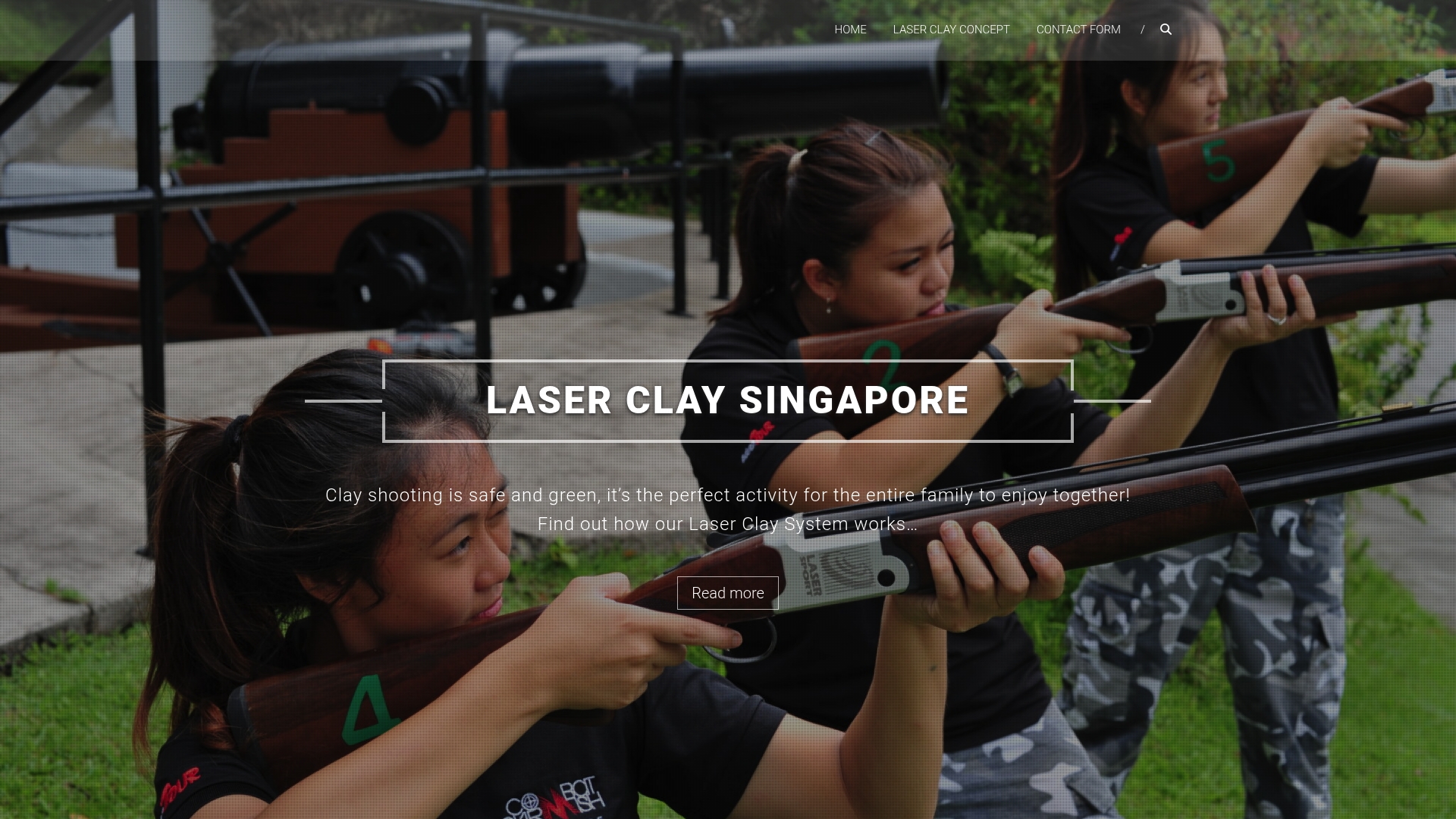
Operationally, Laser Clay handles the parts planners worry about most: safety briefing, equipment protection from moisture, and inclusive game formats that work for mixed-ability corporate teams, school groups, or birthday parties alike. Power needs are modest and the footprint fits most function rooms and covered halls, which means it slots straight into the backup venue you’ve already secured. If you’re building a wet-weather hold into your booking, reach out early and ask about securing a provisional date with a deposit, the same “book it before you need it” logic that applies to your venue, applies here too. Check dates and reserve your Laser Clay session now, before the forecast forces your hand.
Sources
- Workplace safety and health guidelines: event management
- Wet weather backup plans for outdoor team building in Singapore
- The ultimate guide to outdoor event space in Singapore: 2026 edition
FAQ
What is a wet weather plan for events in Singapore?
It’s a documented contingency, ideally built into your risk assessment, that names a confirmed indoor or covered fallback, a decision owner, and an exact go/no-go trigger time.
When should I decide to move an event indoors?
Most guides recommend a several-hour window before start for standard events, with larger events needing an earlier call because of transport and setup lead times.
What indoor activities work as a rain contingency for corporate events?
Facilitator-led experiences such as Laser Clay preserve the competitive scoring and energy of an outdoor session while running entirely under cover.
Who should make the final rain call on event day?
One named decision owner, agreed in advance, should hold this responsibility so the call isn’t debated or delayed once conditions turn.
Does Singapore have official guidance on weather safety for events?
Yes. The WSH event management guidelines cover lightning stop-work triggers and electrical protection, while SCDF governs temporary structures and evacuation routes.