The best condo function room activities are compact, low-noise and easy to book: think seated social games, craft workshops, structured kids’ play and facilitator-led options like Laser Clay. Anything involving heavy equipment, loudspeakers or a big freight lift delivery needs a proper conversation with your MCST first. Sort the booking basics early and the activity choice becomes the easy part.
TL;DR:
- Most condo function activities should be low-noise, compact, and easy to book, with activities involving heavy equipment or loud audio needing prior MCST approval.
- Suitable activities for kids include craft stations, magic shows, and small science demos, while adult events favor seated workshops, tastings, board games, or quiz nights.
- Planning a condo event requires confirming fees, guest limits, rules, vendor arrangements, and scheduling setup and teardown within restricted time windows.
- It is crucial to check noise restrictions, guest caps, prohibited items, cleanup responsibilities, and lift or power load limits before finalizing the booking.
- Laser Clay shooting offers a quiet, facilitator-led activity that fits most condo function rooms without requiring permanent fixtures or causing noise issues.
Table of Contents
- Condo function room activities grouped by audience and space
- How to book a condo function room without last-minute drama
- Bylaws, noise and safety: what condo planners need to check
- What years of condo events have taught me
- Where Laser Clay fits into your next condo event
- Sources
- FAQ
Condo function room activities grouped by audience and space
Most function rooms in Singapore are air-conditioned spaces of moderate size, typically equipped with tiled or carpeted floors, a pantry, and a number of stackable tables. That size rules out anything requiring a stage, a bounce castle, or a live band with a full PA system. It suits almost everything else. A condominium function room is managed by the MCST specifically for private social use, which is why the activities below are chosen for fit, not just fun.
For kids’ parties, skip the inflatables and go compact:
- Craft stations (slime-making, tote bag painting, terrarium building) — small footprint, seats 10 to 20 kids, near-silent, needs only trestle tables and wipeable mats.
- Magic or balloon-artist sets — medium footprint if kids gather in a semicircle, low noise, minimal setup beyond a chair for the performer.
- Mini science or cooking demos — small to medium footprint, moderate noise from chatter, needs a power point and a folding table.
For adult social gatherings, seated formats work best in a room this size:
- Wine or whisky tasting flights — small footprint, 12 to 30 guests, quiet, needs glassware and a spit bucket if you’re serious about it.
- Board game or card lounge — small footprint, scales from 8 to 40 depending on table count, virtually silent, zero special setup.
- Seated workshops (pottery painting, calligraphy, floral arranging) — medium footprint, 15 to 25 guests, low noise, needs plastic sheeting for mess control.
For family and community events, the goal is participation without chaos:
- Potluck dinner with a theme — large footprint if you want mingling space, scales to whatever the room fits, moderate chatter noise, needs extra table space and a fridge or cooler.
- Talent night or karaoke-lite (no professional speakers) — medium footprint, 20 to 60 guests, moderate noise that needs a curfew check, minimal AV.
- Quiz or bingo night — small to medium footprint, works for 15 to 50 people, low to moderate noise, needs a microphone if the room is deep.
For corporate or HR bookings, short and structured beats long and elaborate:
- 45-minute team icebreaker games — small footprint, 10 to 40 staff, low noise, no equipment beyond printed sheets.
- Mini skills workshops (public speaking, design thinking) — medium footprint, 15 to 30 attendees, quiet, needs a projector.
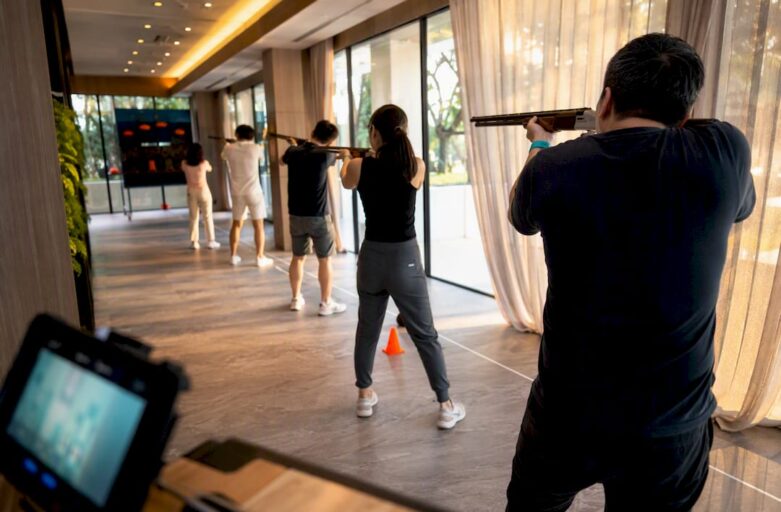
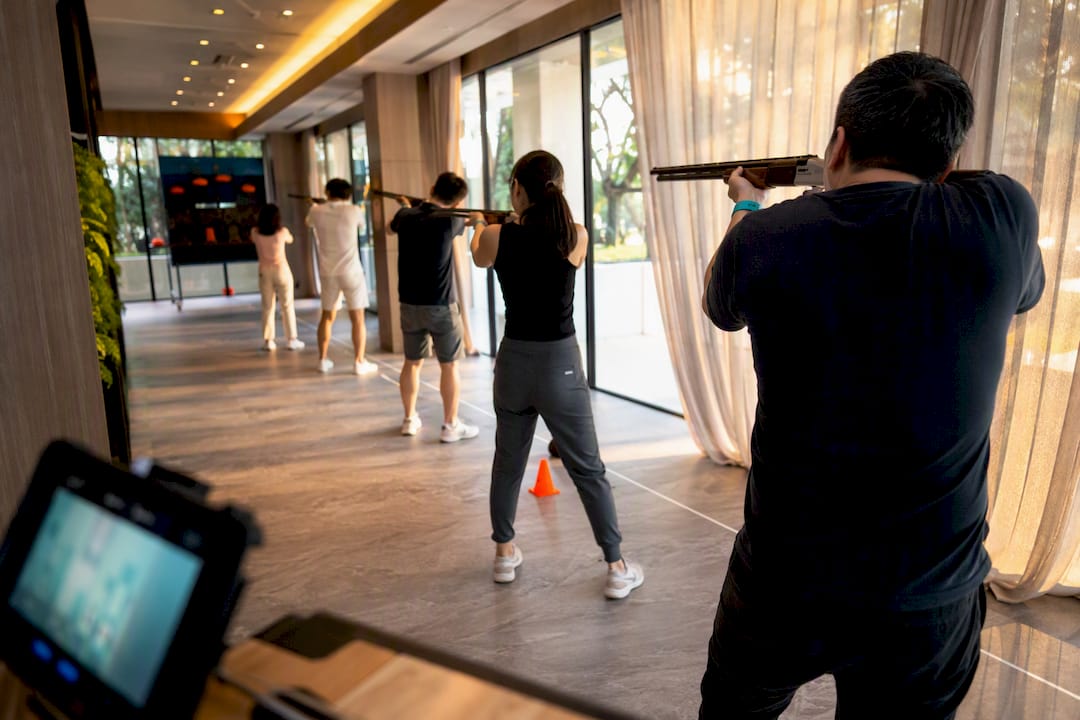
For a high-tech option that’s still condo-friendly, laser clay shooting fits a category most planners overlook: it’s facilitator-led, runs on sound-simulated equipment rather than anything genuinely loud, and packs into a footprint most function rooms can handle without rearranging furniture for hours. It works for birthday groups, resident mixers and corporate sessions alike, and nobody’s dodging a real projectile.
How to book a condo function room without last-minute drama
Booking basics that resident guides consistently flag: confirm the booking fee and refundable deposit with your management office before locking a date, since most MCSTs charge less than a commercial venue but still require both.
- Check availability and rules. Call or log into the resident portal to confirm the slot, the hourly rate, deposit amount, and cleaning obligations.
- Confirm guest caps and hours. Ask what the maximum headcount is and what time the room must be vacated.
- Brief your vendors early. Give any external supplier the room dimensions, lift size, and door clearances before they confirm.
- Set a setup and teardown window. Most MCSTs allow a short setup and teardown window on either side of your booked slot, but this is generally limited.
- Appoint one logistics point person. Community event planning guidance consistently recommends a single contact to coordinate vendors, arrivals and cleanup rather than leaving it to whoever’s free.
For layout, split the room into three rough zones: food near the pantry or door, activity in the centre where there’s most open floor, seating around the edges. A simple two-hour run-of-show: 15 minutes for arrivals and settling in, 90 minutes for the main activity or two shorter activities back to back, then 15 minutes for wind-down and photos before teardown starts.
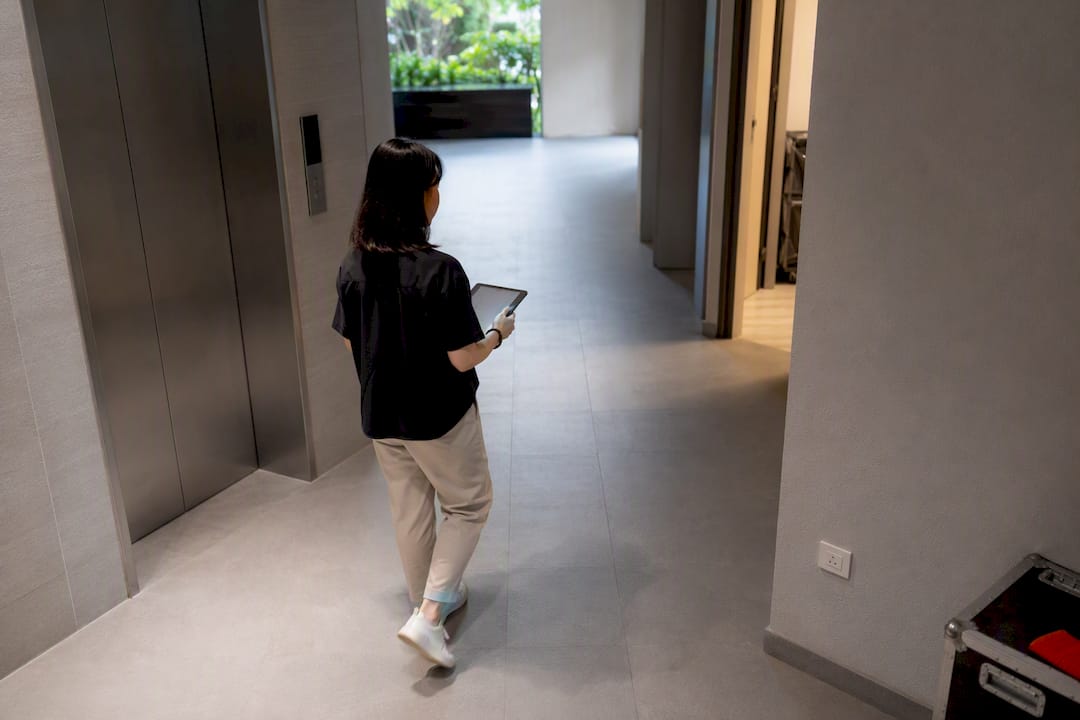
Pro Tip: Do a site walk before you commit to any vendor bringing equipment. Walk the route from the loading bay to the function room, note the lift dimensions, and check where the nearest power point sits relative to where you’ll set up. It takes fifteen minutes and it’s the difference between a smooth load-in and a cancelled booking on the day.
Bylaws, noise and safety: what condo planners need to check
Most disputes trace back to three things: noise curfews, guest caps, and cleanup left too late. Check these before you finalise anything:
- Noise curfew, usually somewhere between 10pm and 11pm on weeknights.
- Maximum guest numbers stated in the house rules, not just what the room physically fits.
- Prohibited items (open flames, confetti, glitter, certain adhesives).
- Who’s responsible for cleanup and by what time.
- Freight lift and power load specs for any vendor bringing equipment.
Mitigate noise by facing speakers away from shared walls, scheduling a quiet window after 9pm, and staggering guest arrivals so the corridor doesn’t turn into a queue. Cost is often the real reason residents choose the function room over a hotel or event space in the first place: booking fees plus deposits typically undercut commercial venue rates by a wide margin, which is exactly why it’s worth protecting that deposit by following the rules properly.
What years of condo events have taught me
Vendor coordination is where events fall apart, not the activity itself. A single logistics contact who talks to the vendor directly, not through three group chats, prevents most disasters. And the quieter truth: these evenings do something for a building that a WhatsApp group never will. Neighbours who’ve said nothing but “hi” for years end up laughing over bingo cards.
— Joshua
Where Laser Clay fits into your next condo event
For organisers who want one activity that’s genuinely different without the logistics headache, Laser Clay is worth a look. It’s a portable, facilitator-led kit that runs on sound-simulated shotguns and reusable eco-friendly targets, so there’s no ammunition, no mess, and no noise complaint waiting to happen. Sessions are short, scored electronically, and suited to a range of group sizes.
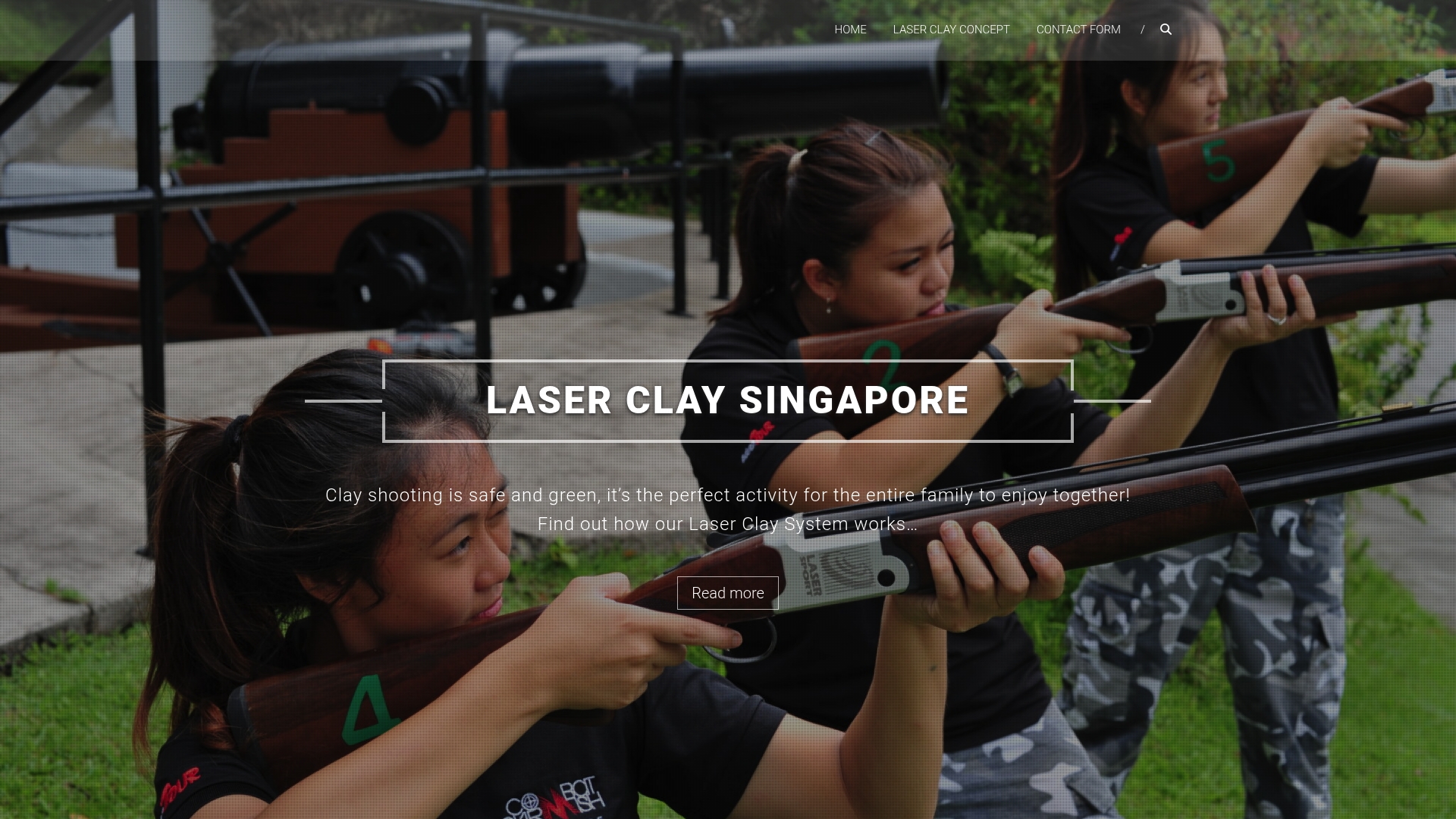
It fits the profile suited for many condo function rooms: compact setup, no permanent fixtures required, and a facilitator-led session to keep things organized. Check session formats and how it works or see pricing benchmarks and booking details to check dates against your function room slot before you confirm the booking with management.
Sources
- Everything you need to know about MCST (RedBrick)
- Cheap function rooms and what works in them (Venuerific)
- Community event ideas (Cvent)
FAQ
What is a function room in a condominium?
It’s a private, air-conditioned amenity managed by the MCST for residents’ use, commonly booked for birthday parties, family reunions and community meetings.
What are some fun event spaces or activities in Singapore condos?
Compact interactive games, seated workshops, quiz or bingo nights, and facilitator-led options like laser clay shooting all suit the typical function room footprint.
What events are function rooms used for?
Birthday parties, resident mixers, corporate team-building sessions, family potlucks and small workshops are the most common uses.
How much does it cost to book a function room in Singapore?
Most MCSTs charge a booking fee plus a refundable deposit, typically well below what a commercial venue would charge for a similar space and duration.