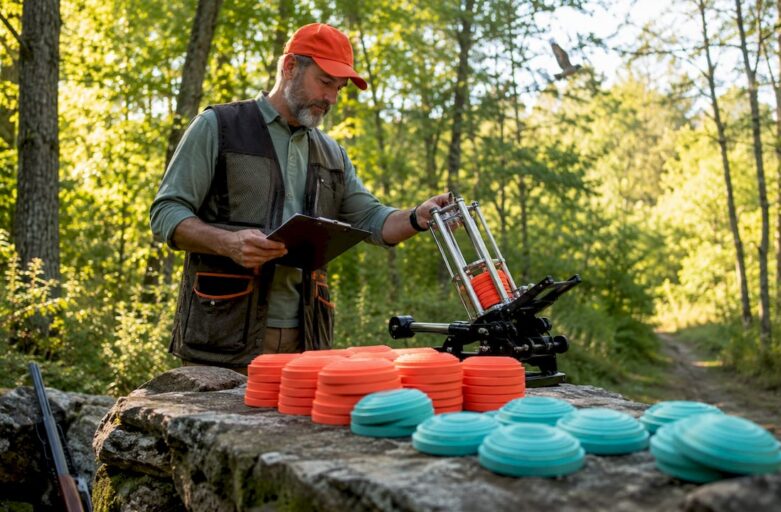
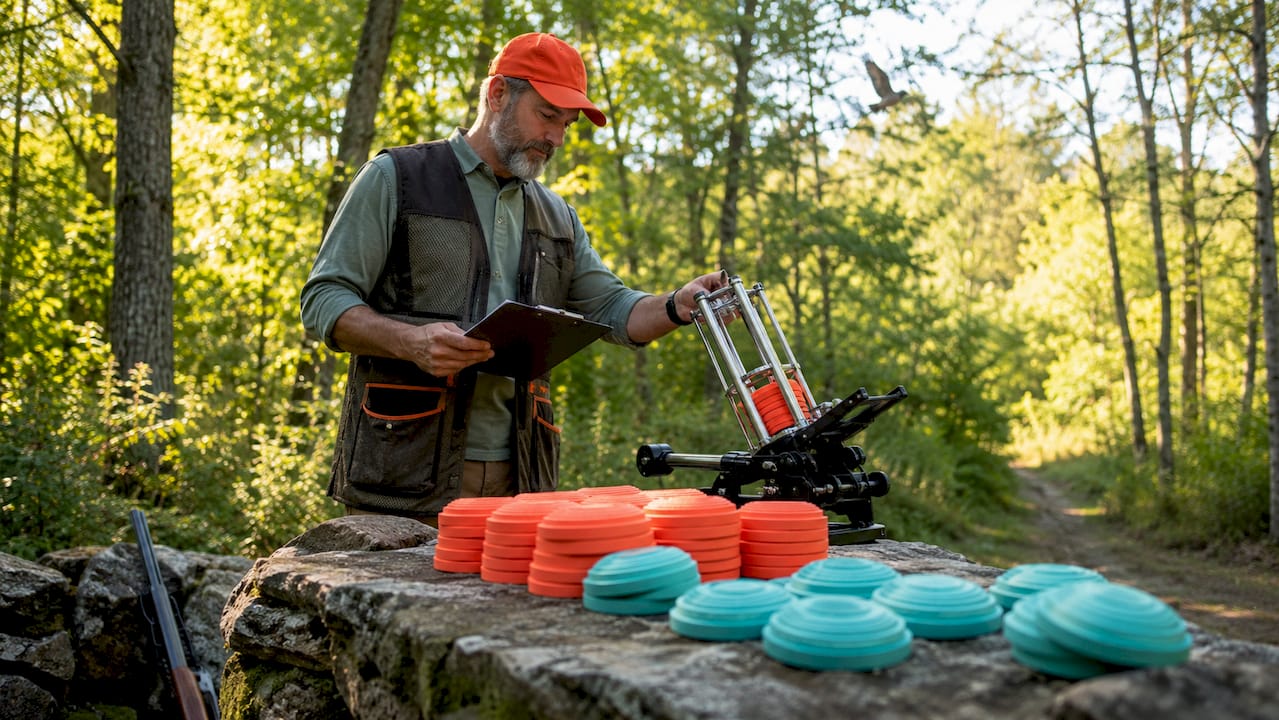
Eco-friendly alternatives to traditional clay shooting are defined as options that reduce or eliminate toxic residues, lead projectiles, and non-biodegradable waste from shooting environments. Traditional clay targets contain polycyclic aromatic hydrocarbons (PAHs) and are fired using lead shot, both of which contaminate soil and groundwater for decades. With UK REACH restrictions taking effect from 1 April 2026, the pressure to adopt greener options has never been greater. The leading eco friendly alternatives to traditional clay shooting include biodegradable clay targets, laser-based shooting systems like Laserclay, and self-healing targets made from recycled materials.
1. biodegradable clay targets: what they are and how they compare
Biodegradable clay targets are the most direct swap for traditional clays. Products like Bio Clays Pro from Nordic Clays Inc. are made from starch-based granulates derived from potato, grain, root, and seed flour, with 2% natural dye for colour. They look and fly like standard clays but leave a far smaller environmental footprint.
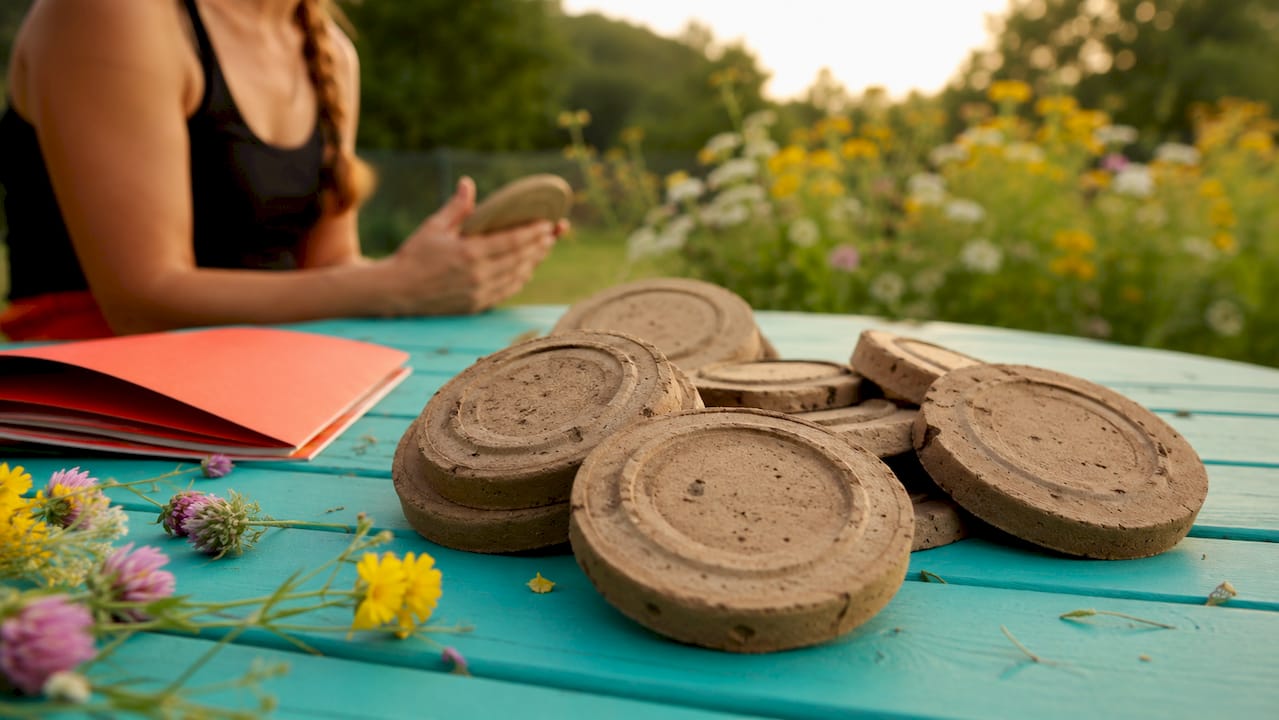
The key environmental advantage is PAH content. Bio Clays Pro registers a PAH content below 0.2 mg/kg, far beneath the EU 2026 compliance threshold of 50 mg/kg. That gap matters because PAHs are carcinogenic compounds that persist in soil long after a shooting event ends.
Biodegradation takes approximately six years depending on moisture, temperature, and soil conditions. That is slower than many buyers expect, but it is still a significant improvement over petroleum-based binders in conventional targets. The lighter weight of starch-based clays also reduces transport CO2 emissions compared to traditional targets.
One practical limitation is compatibility. Biodegradable clays may not perform identically in all traditional clay throwers, so testing before a large event is advisable.
Pro Tip: Ask your supplier for the specific PAH certificate for any biodegradable clay target. Vague “eco” labelling without a PAH figure below 50 mg/kg does not guarantee compliance with 2026 standards.
2. laser clay shooting: the ammunition-free green alternative
Laser clay shooting uses advanced laser systems to register hits on moving targets without ammunition, gunpowder, or recoil. This is the most complete departure from conventional shooting, and it is the approach Laserclay has built its entire offering around.
The environmental benefits are absolute. No lead shot enters the ground. No PAH-laden clay fragments scatter across the range. No residual contamination accumulates over years of use. For groups concerned about environmental impacts of shooting, this is the cleanest option available.
Operationally, laser clay shooting removes the need for extensive safety exclusion zones. That means it works in urban parks, corporate campuses, school grounds, and indoor venues where traditional shooting is simply not permitted. Digital scoring and instant feedback are built into the system, which makes it particularly effective for team-building events where engagement and friendly competition matter.
Key advantages for group organisers include:
- No ammunition costs or storage requirements
- No recoil, making it accessible to participants of all ages and fitness levels
- Instant digital scoring displayed on boards for group visibility
- Minimal setup time compared to a live-fire range
- No specialist safety officer required in most venue contexts
Pro Tip: For corporate team-building events, laser clay shooting works best with groups of 10–30 participants. The digital leaderboard creates natural competitive energy without any prior shooting experience needed.
3. self-healing targets made from recycled materials
Self-healing targets represent a different philosophy. Rather than replacing the clay entirely, they replace the target with a durable, reusable object that repairs itself after each shot. The Infinity Target from Infinity Targets is made from 100% recycled materials and offers up to 30% longer lifespan than previous versions.
The reactive surface closes after impact, meaning the same target withstands hundreds of shots before replacement. That directly reduces the volume of waste generated at a shooting range. Traditional clay targets shatter into fragments on every shot, leaving debris across the ground that requires clearing and disposal.
Self-healing targets are weather-resistant and lighter than earlier designs, which reduces logistics costs for mobile events and outdoor venues. They suit fixed-range operators who want to cut consumable costs while reducing their environmental footprint.
| Feature | Traditional Clay Targets | Self-Healing Recycled Targets |
|---|---|---|
| Material | Petroleum-based binder, pitch | 100% recycled polymer |
| Waste per session | High (fragments per shot) | Near zero (reusable) |
| PAH risk | High | None |
| Lifespan | Single use | Hundreds of shots |
| Weather resistance | Low | High |
| Setup complexity | Moderate | Low |
Self-healing targets do not replicate the visual break of a clay disc, which some shooters prefer for satisfaction and confirmation of a hit. For training purposes and range practice, however, they are a practical and genuinely sustainable option.
4. how environmental regulations are reshaping shooting events
Regulatory pressure is now the single biggest driver pushing shooting events toward greener options. UK REACH restrictions effective 1 April 2026 limit lead shot to no more than 1% lead by weight and other projectiles to no more than 3% lead by weight on outdoor shooting ranges. Range operators must document risk-reduction actions and submit evidence to authorities.
The science behind these rules is stark. Lead, arsenic, antimony, and PAHs can persist in soil and groundwater for decades after a shooting range is decommissioned. That means the environmental liability from traditional clay shooting does not end when the event does.
| Contaminant | Source | Environmental Risk |
|---|---|---|
| Lead | Shot pellets | Soil and water toxicity, wildlife harm |
| PAHs | Clay target binder | Carcinogenic, persistent in soil |
| Arsenic | Legacy ammunition | Groundwater migration |
| Antimony | Shot pellets | Aquatic toxicity |
For event organisers, the compliance picture is clear. Using lead-free or ammunition-free alternatives removes the documentation burden entirely. It also removes the liability risk of operating on land that may later require expensive environmental remediation. Regulatory compliance is not just an ethical choice. It is increasingly a practical and financial one.
5. matching the right green alternative to your needs
The best environmentally safe target shooting option depends on your specific context. A fixed rural shooting range has different priorities from a corporate team-building organiser booking a city-centre venue.
Biodegradable clay targets suit shooters who want to maintain the traditional clay experience with minimal disruption to their existing setup. They work best at established ranges with compatible throwers and where the six-year biodegradation window is acceptable.
Laser clay shooting is the strongest choice for group events, corporate bookings, and venues with site restrictions. Laserclay’s approach eliminates every category of environmental concern simultaneously: no lead, no PAHs, no fragments, and no residual contamination. The team-building benefits are also well documented, with digital scoring creating immediate engagement for mixed-ability groups.
Self-healing recycled targets suit range operators focused on reducing consumable waste and long-term operational costs, particularly where the visual break of a clay is less important than durability.
| Alternative | Best For | Environmental Benefit | Cost Profile |
|---|---|---|---|
| Biodegradable clays | Traditional range shooters | Low PAH, partial biodegradation | Similar to standard clays |
| Laser clay shooting | Groups, events, urban venues | Zero contamination | Higher setup, lower ongoing |
| Self-healing targets | Fixed ranges, training | Zero fragment waste | High upfront, low ongoing |
Pro Tip: If you are organising a one-off event at a non-specialist venue, laser clay shooting is the only option that requires no site preparation, no safety officer, and no post-event cleanup. It is the most logistically simple green choice.
For those exploring sustainable shooting practices across different formats, the most important question is not which option is greenest in isolation. It is which option fits your venue, your group, and your budget while delivering the lowest environmental impact for your specific situation.
Key takeaways
The most effective eco-friendly approach to clay shooting eliminates toxic residues entirely, with laser-based systems offering the cleanest solution for groups and events.
| Point | Details |
|---|---|
| Biodegradable clays reduce PAH risk | Products like Bio Clays Pro register PAH content below 0.2 mg/kg, well within 2026 EU limits. |
| Laser shooting eliminates all contamination | No lead, no PAHs, and no fragments means zero residual environmental impact at any venue. |
| Self-healing targets cut consumable waste | Recycled material targets withstand hundreds of shots, removing the need for single-use clays. |
| 2026 UK REACH rules change the compliance picture | Ranges must document lead risk reduction or face legal exposure, making ammo-free options more attractive. |
| Match the alternative to your context | Urban events suit laser systems; rural ranges suit biodegradable clays; training facilities suit self-healing targets. |
Why i think most shooters underestimate the legacy problem
The conversation about green alternatives in clay shooting tends to focus on what happens during an event. The more serious issue is what happens after. Soil investigations at decommissioned ranges consistently find lead, PAHs, and arsenic migrating into groundwater years after the last shot was fired. Most event organisers have no idea this liability exists.
From what I have observed, the shooters and organisers who switch to greener options earliest tend to do so for regulatory reasons, not environmental ones. That is fine. The outcome is the same. But the ones who genuinely understand the legacy contamination risk are the ones who move fastest to ammunition-free formats.
Biodegradable clays are a good transitional step. They are not a complete solution. A target that biodegrades over six years still leaves PAH residue in the soil during that window. Laser systems like Laserclay remove the problem at the source. There is no residue to manage, no documentation to file, and no remediation risk to carry.
The other misconception I encounter regularly is that eco-friendly shooting means a compromised experience. That is simply not true. Digital scoring, instant feedback, and the accessibility of laser formats often produce more engaged groups than a traditional clay day. The sport does not lose anything meaningful. It gains participants who would never have picked up a shotgun.
The growth of ammunition-free shooting in 2026 is not a trend driven by environmental activists. It is driven by event organisers who want fewer logistics, lower liability, and broader participation. The environmental benefit is real and significant. It is also, increasingly, the easiest argument to make.
— Joshua
Experience truly green shooting with Laserclay
Laserclay delivers clay shooting without a single round of ammunition, making it the most complete green alternative available for recreational and corporate events.
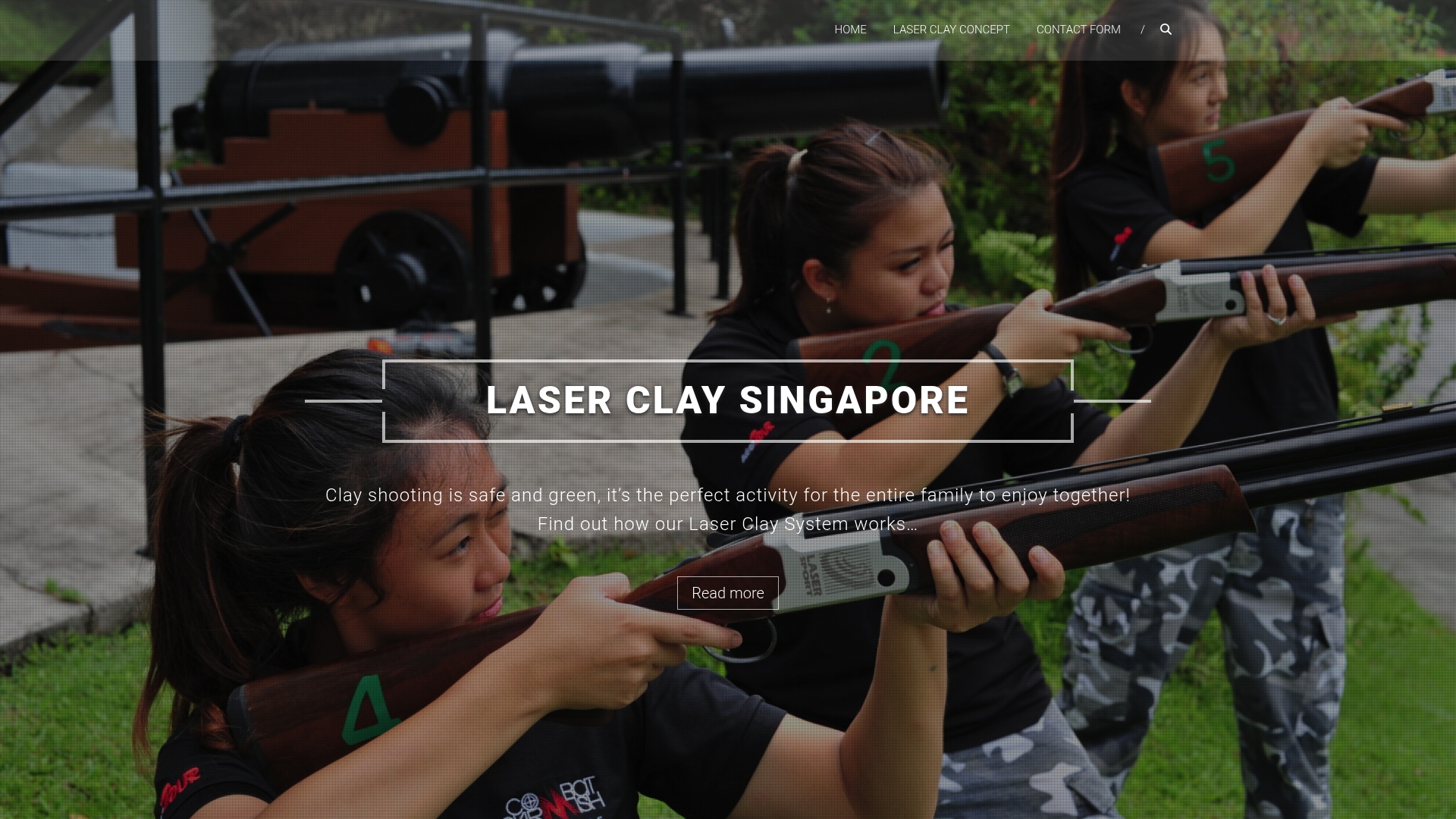
Whether you are planning a corporate team-building day or a weekend group activity, Laserclay’s laser-based system sets up at virtually any venue with no safety exclusion zones, no post-event cleanup, and no environmental liability. Every participant, regardless of experience, can compete on equal terms from the first shot. Explore the full Laserclay experience and see why eco-conscious event organisers across Singapore are choosing ammunition-free shooting as their default format.
FAQ
What does eco-friendly clay shooting mean?
Eco-friendly clay shooting means using targets, equipment, or systems that reduce or eliminate toxic materials such as lead shot and PAH-containing binders. The best options include biodegradable clay targets, laser shooting systems, and recycled material targets.
Are biodegradable clay targets fully safe for the environment?
Biodegradable clay targets significantly reduce PAH contamination compared to traditional clays, but they still take approximately six years to break down fully. Products like Bio Clays Pro achieve PAH levels below 0.2 mg/kg, which meets 2026 EU compliance thresholds.
Is laser clay shooting suitable for beginners and corporate groups?
Laser clay shooting is designed for all experience levels. It uses no recoil or live ammunition, and digital scoring provides instant feedback, making it one of the most accessible formats for corporate team-building and first-time participants.
What do UK REACH 2026 rules mean for shooting event organisers?
From 1 April 2026, UK REACH restricts lead shot above 1% by weight on outdoor ranges and requires documented risk-reduction plans. Organisers using ammunition-free formats like laser clay shooting are exempt from these requirements entirely.
How long does contamination persist at traditional clay shooting ranges?
Lead and PAH contamination can persist in soil and migrate into groundwater for decades after a range is decommissioned. This makes switching to non-toxic alternatives a long-term environmental and financial risk-reduction measure.