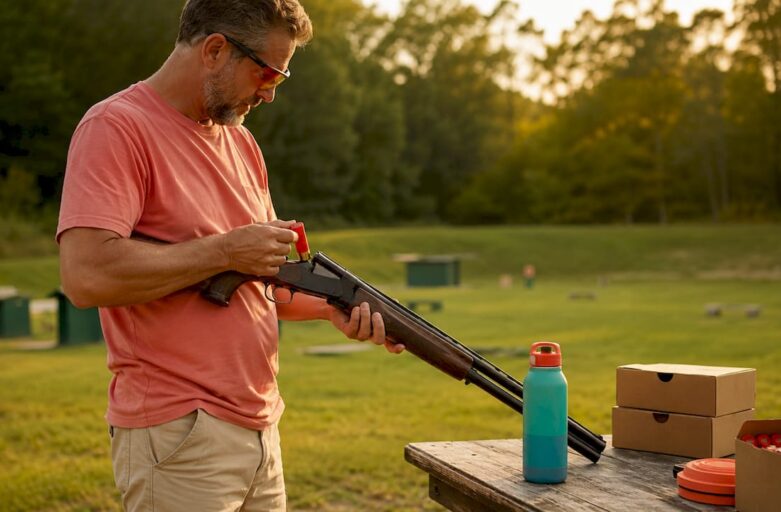
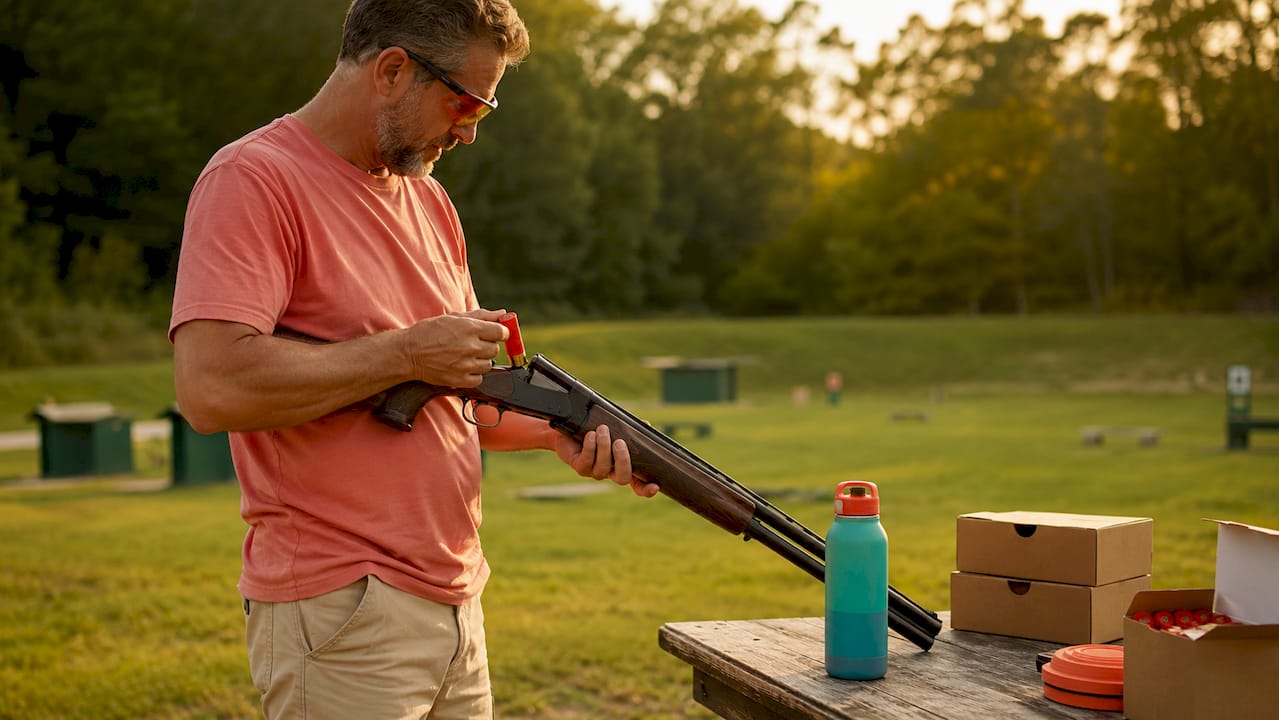
Sustainable shooting sport training is defined as the practice of developing marksmanship skills while actively minimising environmental harm through lead-free ammunition, advanced capture technology, and responsible range management. The UK lead shot ban takes full effect in 2029, confirmed after public consultations with 11,000 shooters over four years. That regulatory shift is not a distant concern. It is the clearest signal yet that to train shooting sport in a sustainable way is no longer optional. Technologies like the MILO Live Bullet Bank, SIM-X synthetic ammunition, and Ecoaims electronic systems are already reshaping how serious shooters train, compete, and protect the environments they depend on.
How to train shooting sport in a sustainable way
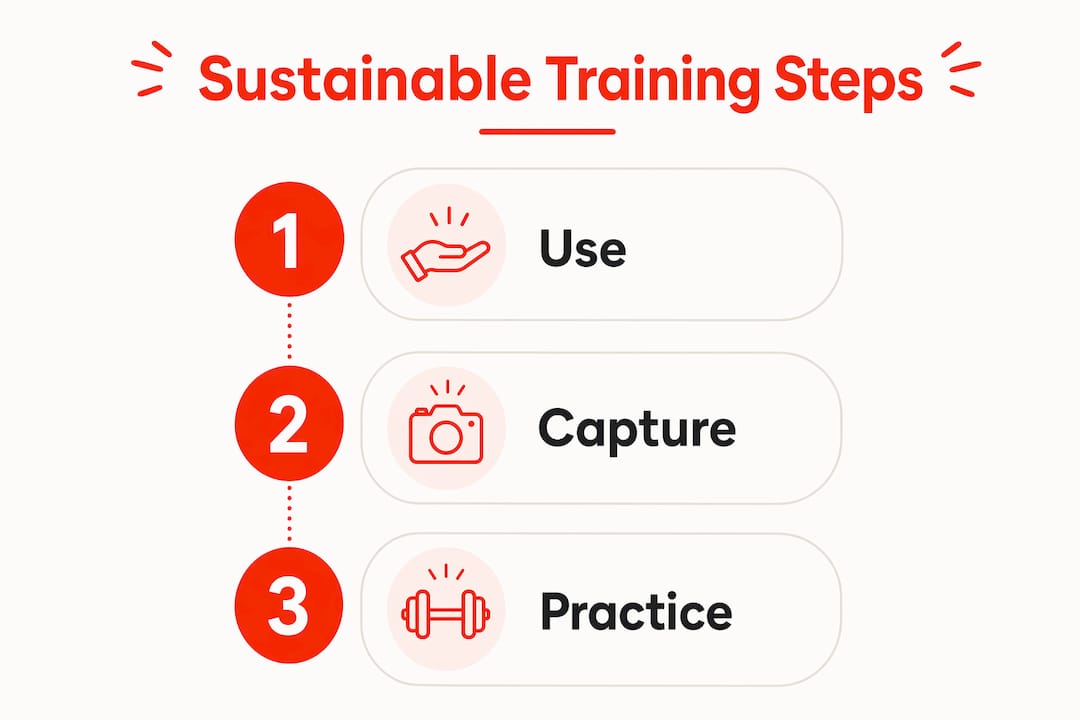
Sustainable shooting training rests on three pillars: what you fire, how you capture it, and how you practise when no projectile is needed at all. Each pillar addresses a distinct category of environmental risk, from lead contamination in soil and water to plastic wad pollution and carbon-heavy equipment production. Understanding all three gives you a complete picture of what responsible marksmanship looks like in 2026.
The common environmental concerns in clay shooting include lead accumulation in topsoil, plastic wad dispersal across fields, and the habitat disruption caused by poorly managed ranges. These are not abstract problems. Studies of traditional shooting estates have found lead concentrations in soil that exceed safe thresholds for wildlife and groundwater. Addressing them requires deliberate choices at every stage of training.
What equipment and ammunition support sustainable shooting training?
Lead-free ammunition is the most direct way to reduce the environmental footprint of live-fire training. SIM-X and BioAmmo produce synthetic-core and alloy-jacketed rounds that match or exceed traditional lead performance while generating fewer health hazards for shooters and range staff. These rounds are lighter and produce lower recoil, which benefits newer shooters developing consistent technique.
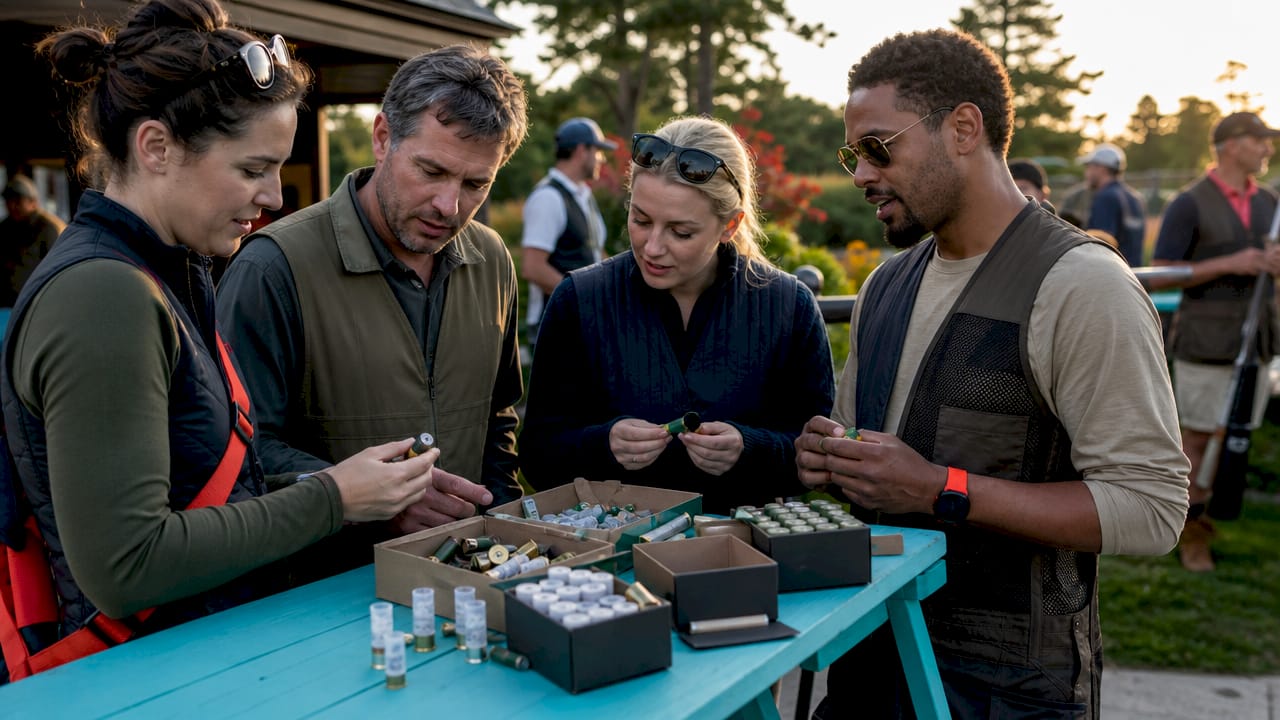
Steel shot is the most widely available lead-free option for clay disciplines, but it requires careful matching with choke selection. Steel shot patterning done carefully with an open choke can produce comparable or superior pattern density to lead at typical clay distances. Bismuth and tungsten matrix cartridges offer higher density for tighter chokes, though at a greater cost per round.
Biodegradable cartridges and eco-wads address the plastic pollution problem that lead-free shot alone does not solve. Eco-wad cartridges are becoming a required standard on responsible shooting estates across the UK, replacing petroleum-based plastic cups with plant-derived or paper alternatives that break down in the field within months rather than decades.
| Ammunition type | Environmental benefit | Relative cost |
|---|---|---|
| Steel shot | No lead, widely available | Low to moderate |
| Bismuth | High density, no lead, biodegrades | High |
| Tungsten matrix | Highest density, no lead | Very high |
| SIM-X synthetic | No lead, lower recoil, reduced health risk | Moderate |
| Eco-wad cartridges | Eliminates plastic wad pollution | Low to moderate |
Pro Tip: Match your choke to your chosen lead-free load before your first session. Steel shot requires at least one choke size more open than you would use with lead. Firing steel through a full choke risks barrel damage and inconsistent patterns.
How do shooting ranges manage lead and environmental risks sustainably?
UK REACH regulations now restrict lead content in outdoor shooting projectiles to under 3% and require ranges to implement capture measures and submit risk management data every three years. This is not merely a compliance exercise. It forces range operators to audit their infrastructure and invest in systems that protect both shooters and the surrounding environment.
Traditional sand berms have been the standard backstop for decades, but they create significant problems under modern regulations. Berms accumulate lead at depth, require specialist hazardous waste contractors to remediate, and demand extended range closures during clean-up. The MILO Live Bullet Bank addresses this directly. Its vertical trap design redirects rounds into sealed collection containers, enabling lead recycling and near-zero operational downtime. That continuity of training availability is a practical benefit that operators often underestimate until they have experienced a berm remediation shutdown.
Lead capture technologies that reduce maintenance downtime improve training frequency and safety compliance simultaneously. A range that stays open is a range that generates the revenue needed to fund further environmental improvements.
Risk management protocols every range should implement include:
- Conducting a baseline soil and water contamination survey before installing new capture systems
- Documenting all ammunition types used on site and their lead content percentages
- Scheduling lead reclamation from vertical traps at defined intervals rather than reactively
- Training range staff on REACH reporting requirements and submission deadlines
- Posting clear signage on permitted ammunition types to prevent non-compliant rounds being fired
Pro Tip: Ranges using vertical bullet traps can sell reclaimed lead to specialist recyclers, turning a compliance obligation into a modest revenue stream. Some operators report that recycling income offsets a portion of the trap installation cost over a three-year period.
What are the best sustainable training practices for skill development?
Reducing environmental impact does not mean reducing training quality. The most effective sustainable training programmes combine precision psychology, electronic systems, and disciplined range behaviour to develop shooters who fire fewer rounds with greater effect.
-
Adopt a mindfulness-based training programme. A 7-week MAIC programme of 14 sessions improves precision shooting by enhancing neural efficiency and performance under competitive pressure. Fewer rounds fired under better mental conditions produces faster skill development than high-volume, low-focus practice.
-
Integrate electronic and laser training systems. Ecoaims electronic systems use wood-fibre biocomposite handles to reduce carbon footprint while providing projectile-free training that replicates live-fire mechanics. These systems are particularly effective for trigger control, mount, and follow-through drills that do not require a live target.
-
Use reusable targets and digital scoring. Paper targets generate significant waste across a training season. Reactive steel targets, electronic scoring systems, and laser-based platforms like those offered by Laserclay eliminate consumable target waste entirely while providing instant feedback.
-
Establish a cleaning and maintenance routine that reduces chemical use. Solvent-heavy cleaning products contribute to chemical runoff at ranges. Water-based bore cleaners and biodegradable lubricants are now widely available and perform comparably to petroleum-based alternatives.
-
Practise deliberate round reduction. Set a maximum round count for each session and track your performance-per-round ratio. Shooters who practise clay shooting without live ammo between live sessions consistently report improved consistency when they return to live fire, because dry and electronic practice builds the neural pathways that ammunition expenditure alone cannot.
-
Recycle all spent casings and packaging. Brass, steel, and aluminium casings are recyclable through standard metal recycling channels. Cardboard cartridge boxes and plastic packaging should be collected and disposed of responsibly rather than left at the range.
Which shooting disciplines minimise environmental impact most effectively?
Not all shooting sports carry the same environmental burden. Choosing a discipline with lower inherent impact is itself a sustainable decision, and several formats have evolved specifically to address the shortcomings of traditional clay shooting.
| Discipline | Lead use | Plastic waste | Safety profile | Training realism |
|---|---|---|---|---|
| Traditional clay shooting | High | High (plastic wads) | Moderate | High |
| Steel shot clay shooting | None | Moderate (eco-wads available) | Moderate | High |
| Simulated game shooting | None to low | Low | High | High |
| Laser clay shooting | None | None | Very high | Moderate to high |
| Electronic dry-fire (Ecoaims) | None | None | Very high | Moderate |
Simulated game shooting uses projectile-free or low-impact formats to replicate the experience of driven game days without live quarry or lead shot. It is growing in popularity among estates that want to offer shooting experiences while meeting environmental responsibility standards that traditional game days cannot easily satisfy.
Laser clay shooting represents the furthest point on the sustainability spectrum. With no projectiles, no lead, and no plastic wad dispersal, it eliminates the three primary environmental concerns of traditional clay shooting in a single format. The environmental benefits of lead-free shooting extend beyond soil protection to include reduced health risk for participants, lower insurance liability for operators, and accessibility for venues that cannot hold a firearms licence. Laserclay has built its entire offering around this model, making it one of the most direct expressions of green shooting sport available today.
Key takeaways
Sustainable shooting training requires lead-free ammunition, advanced capture technology, and deliberate practice methods working together to protect both performance and the environment.
| Point | Details |
|---|---|
| Lead-free ammunition is now viable | SIM-X, BioAmmo, and steel shot match lead performance when matched correctly to choke and firearm. |
| UK regulations are tightening | The lead shot ban takes effect in 2029 and REACH rules already require risk management documentation from ranges. |
| Vertical traps outperform sand berms | The MILO Live Bullet Bank captures lead without soil contamination and allows near-zero operational downtime. |
| Electronic training reduces waste | Ecoaims and laser systems build marksmanship skills without any projectile, cutting both environmental impact and cost. |
| Discipline choice matters | Laser clay shooting eliminates lead, plastic wads, and projectile risk entirely, making it the most sustainable format available. |
Why the industry’s sustainability shift is more urgent than it appears
I have watched the shooting community treat sustainability as a reputational concern for years. The conversation was always about image, about appearing responsible to landowners and regulators. What I find genuinely interesting now is that the economics have caught up with the ethics.
When I first looked at vertical bullet traps, the upfront cost seemed prohibitive compared to maintaining a berm. Then I started accounting for remediation shutdowns, hazardous waste contractor fees, and the REACH reporting burden. The berm is not cheap. It is just cheap in ways that are easy to ignore until a regulator asks for your documentation.
The same logic applies to lead-free ammunition. The incentivisation programmes that have used vouchers of $20 to $40 to boost lead-free adoption among hunters reveal something important: the barrier was never performance. It was habit and perceived cost. Once shooters actually pattern steel shot correctly and feel the reduced recoil of SIM-X rounds, the resistance largely disappears.
What I think the community still underestimates is the psychological training dimension. The MAIC programme research is not a curiosity. It is a direct challenge to the assumption that more rounds equals more skill. Shooters who train mindfully, with electronic systems between live sessions, are developing faster. They are also generating less waste, spending less money, and putting less pressure on range infrastructure. That is not a trade-off. It is a compounding advantage.
The direction of travel is clear. Regulations will tighten, lead will become harder to use legally, and the ranges that have invested in sustainable infrastructure will be the ones still operating in a decade. The shooters who have built their technique on precision rather than volume will adapt most easily. Starting now is not idealism. It is practical preparation.
— Joshua
Try laser clay shooting: the sustainable alternative
If you want to experience what genuinely eco-friendly shooting practice feels like, Laserclay offers the most direct route available. No lead, no projectiles, no plastic wads, and no firearms licence required. The experience replicates the timing, tracking, and decision-making of clay shooting using advanced laser technology, making it a credible training supplement and a genuinely accessible event format.

Laserclay caters to corporate team-building events, birthday celebrations, and group sessions where safety and environmental responsibility are non-negotiable. Whether you are an experienced shooter looking to reduce your environmental footprint between live sessions, or an event organiser seeking a greener clay shooting experience for your guests, Laserclay delivers a format that requires no compromise on enjoyment. Visit Laserclay Singapore to explore session options and book your next event.
FAQ
What does it mean to train shooting sport sustainably?
Sustainable shooting sport training means developing marksmanship skills using lead-free ammunition, advanced lead capture systems, and electronic or laser-based practice methods that minimise soil contamination, plastic waste, and health risks for participants.
When does the UK lead shot ban take effect?
The UK lead shot ban takes full effect in 2029 for target and live quarry shooting, following public consultations with 11,000 shooters over four years. Limited exemptions apply in specific circumstances.
Are lead-free cartridges as effective as traditional lead shot?
Yes. Companies like SIM-X and BioAmmo produce lead-free rounds that match or exceed traditional lead performance, particularly when steel shot is correctly patterned with an appropriately open choke.
What is the most sustainable shooting discipline available?
Laser clay shooting is the most sustainable format, eliminating lead, plastic wads, and projectiles entirely. It carries the highest safety profile and is accessible at venues that cannot accommodate live-fire shooting.
How do vertical bullet traps improve range sustainability?
Vertical traps like the MILO Live Bullet Bank redirect rounds into sealed containers for easy lead recycling, avoiding the soil contamination and extended shutdowns associated with traditional sand berms. UK REACH regulations require ranges to document and manage lead capture every three years.