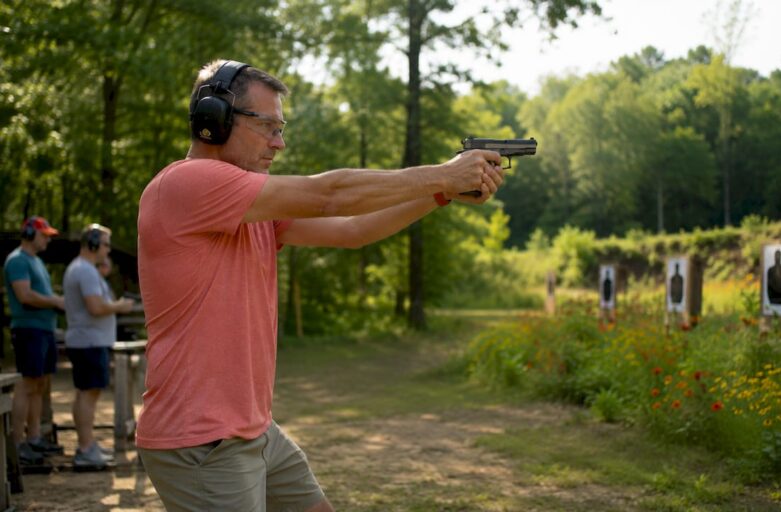
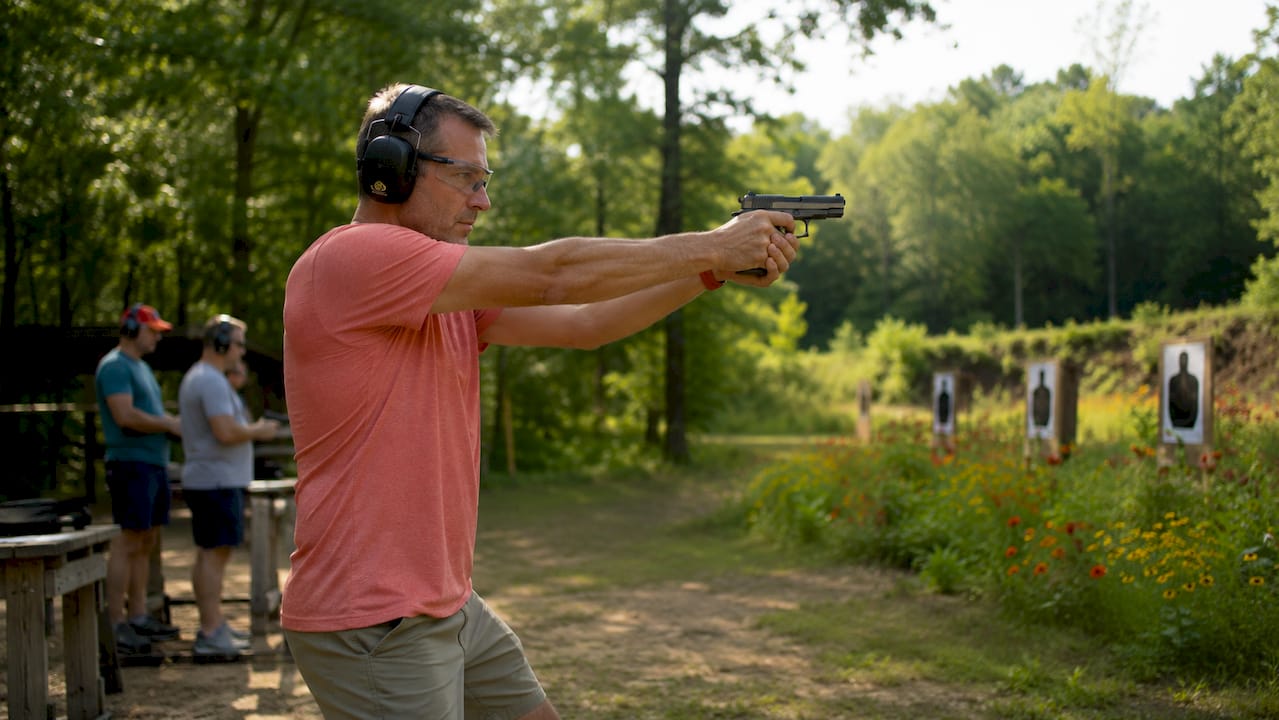
Shooting sports are defined by one rare quality: they reward mental discipline and technique over physical strength, making them genuinely accessible to almost anyone. Women account for roughly 33% of new target shooters, and 40% of range visitors fall between the ages of 18 and 34. These figures reflect a sport that has quietly built one of the most varied participant bases in recreational activity. Understanding why shooting sports attract mixed demographics requires looking at the sport’s structure, its community, and the practical changes that have made entry far easier than most people assume.
Why shooting sports attract mixed demographics
Shooting sports draw participants from across gender, age, and social background for reasons that go beyond curiosity. The sport’s structure actively removes the barriers that exclude people from most physical activities.
Women’s growing involvement is the most visible shift. Women now represent about one-third of new participants, driven by a combination of self-defence interest, competitive ambition, and the appeal of a sport where size and strength carry no advantage. Female-only instructional environments have accelerated this trend by reducing the discomfort of being a minority in a traditionally male space, building confidence faster and improving retention rates.
Young adults aged 18 to 34 are the largest single age group at shooting ranges. Their motivations tend to centre on skill acquisition, social experience, and the satisfaction of measurable progress. Unlike many modern leisure options, shooting offers an immediate, visible result with every shot. That feedback loop is genuinely rare in contemporary hobbies.
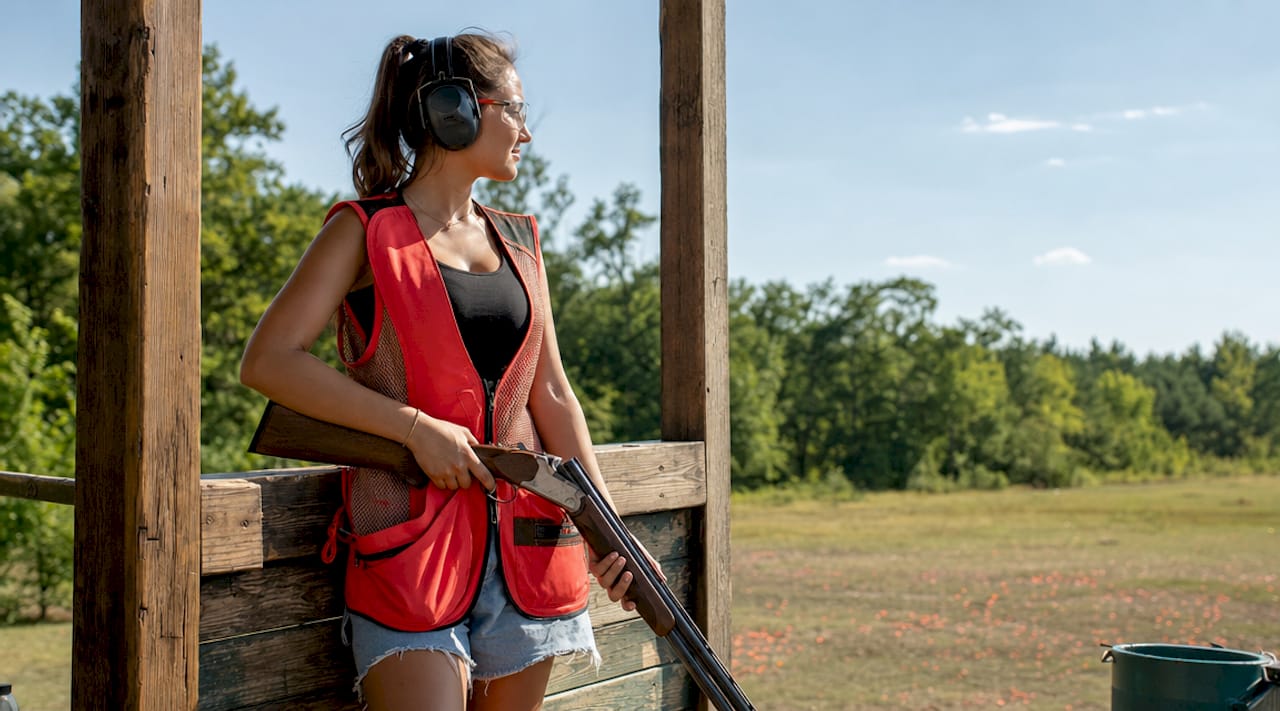
Non-hunters entering the sport represent another significant demographic shift. Many first-time visitors arrive with no background in firearms culture whatsoever. Nearly half of first-time visitors rent firearms rather than owning them, which removes the cost and commitment barrier entirely. Ranges that offer rental-friendly experiences have seen the broadest demographic spread, attracting groups who treat a session the way they might treat a bowling evening or an escape room visit.
The motivations driving participation across all these groups cluster around four themes: social connection, skill-building, self-defence awareness, and the appeal of a structured challenge with clear feedback.
How does shooting sport provide a level playing field?
Shooting is one of the few sports where men and women compete under identical rules, distances, and conditions. No weight categories, no separate distances, no adjusted targets. This structural equality is not incidental. It is the reason shooting produces results that surprise people unfamiliar with the sport.
Women have outperformed men in mixed shooting events at international level, including at the Olympic Games, where mixed-gender air pistol and air rifle events have produced results that reflect technique and composure rather than physical output. The discipline rewards breath control, trigger management, and mental steadiness. None of those qualities are gender-specific.
| Factor | Physical sports | Shooting sports |
|---|---|---|
| Strength advantage | Significant | None |
| Gender-separated competition | Common | Mixed formats available |
| Age performance peak | Early-to-mid 20s | Broad range, often 30s and beyond |
| Key performance driver | Physical output | Mental control and technique |
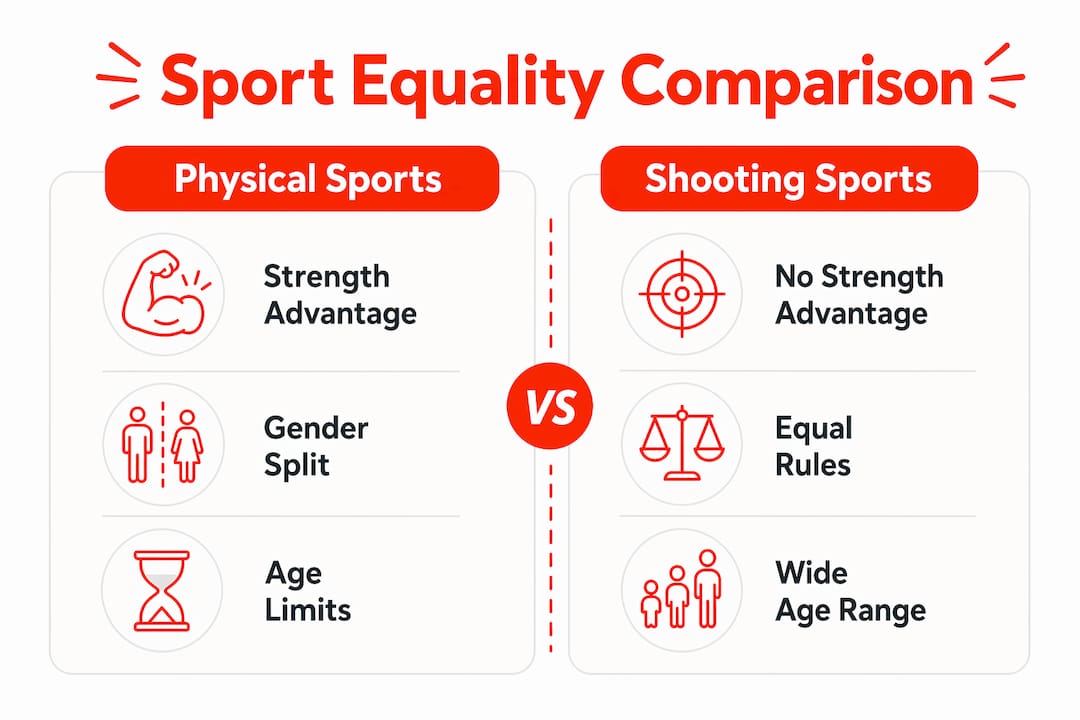
The practical implication is that a 55-year-old woman and a 22-year-old man can compete on genuinely equal terms. That is unusual in sport and it matters enormously for demographic breadth.
Pro Tip: If you are new to shooting sports, focus entirely on breath control and trigger discipline in your first sessions. These two skills determine 80% of your early progress and they are learnable at any age.
What role do modern facilities and leisure trends play?
Four specific changes in how ranges operate and market themselves have expanded the sport’s reach considerably.
-
Rental-friendly access. Ranges that stock a variety of firearms for hire remove the single largest barrier for newcomers: the cost and commitment of ownership. Instant, measurable feedback from each shot satisfies the desire for tangible progress that many modern hobbies fail to deliver, and rental access means anyone can experience this without prior investment.
-
Experience marketing over outfitter marketing. Many ranges have historically repelled newcomers by presenting themselves as spaces for serious hunters and collectors. Ranges that switched to showing diverse, relatable participants in social settings, and positioning shooting as a weekend activity rather than a specialist pursuit, attracted significantly broader demographics.
-
Community-centred programming. Leagues, beginner nights, and group sessions transform a solitary activity into a social one. The interactive group dimension of shooting events is a primary driver of repeat attendance, particularly among younger participants who prioritise social experience alongside skill development.
-
Technology integration. Digital scoring, laser-based training systems, and real-time performance tracking appeal directly to participants who grew up with instant feedback from games and apps. These tools also reduce the intimidation factor for newcomers by making progress visible and objective.
“The surge in shooting sports participation reflects a broader cultural shift: people are seeking hobbies that offer skill, social connection, and measurable progress simultaneously. Shooting delivers all three in a single session.”
How do cultural and policy changes influence participation globally?
Policy and cultural context shape who enters shooting sports at a national level, and the evidence from India is the clearest available example. Indian national shooting championship entries doubled from 8,011 in 2019 to 16,951 in 2025. The drivers were policy liberalisation that eased access to shooting ranges and licences, combined with the visibility of world-class Indian shooters competing at the Olympic Games.
Role models matter in ways that are difficult to overstate. When Abhinav Bindra won India’s first individual Olympic gold medal in 2008, applications to shooting academies rose sharply in the following years. Manu Bhaker’s performances at the 2024 Paris Olympics produced a similar effect, with particular impact on female participation. Women and youth participation are rising fastest in countries where national champions are visible and celebrated.
| Country | Key driver | Participation trend |
|---|---|---|
| India | Policy liberalisation and Olympic champions | Doubled entries 2019 to 2025 |
| United States | Pittman-Robertson funding for youth leagues | Sustained pipeline from beginner to elite |
| United Kingdom | Club-based community programmes | Steady growth in junior and female categories |
In the United States, Pittman-Robertson federal funding channels excise tax revenue from firearms and ammunition sales into youth leagues, training infrastructure, and education programmes. This creates a structured pathway from a first visit at a local range to competitive participation at state and national level. The funding model is one reason American shooting sports maintain consistent participation across age groups rather than relying on organic growth alone.
Pro Tip: If you are considering introducing shooting sports to a young person, look for clubs that run junior programmes with dedicated coaching. The structured environment and peer group accelerate skill development and dramatically improve the likelihood of long-term participation.
What can newcomers realistically expect?
Arriving at a shooting range or clay shooting venue for the first time is less daunting than most people anticipate, provided you choose the right entry point.
- Equipment selection matters early. Short-action rifles are the standard recommendation for beginners because their manageable recoil allows focus on technique rather than flinch management. The same principle applies to clay shooting: starting with lighter loads lets you concentrate on timing and swing rather than absorbing impact.
- Coaching environment shapes retention. Female-only coaching sessions consistently produce faster confidence gains for women new to the sport. Mixed sessions work well once basic technique is established, but the initial environment significantly affects whether a newcomer returns.
- Safety briefings are thorough and non-negotiable. Every reputable facility runs a structured safety induction before any participant handles equipment. This is not bureaucracy. It is the foundation of a culture that keeps the sport accessible by keeping it safe.
- The learning curve is steep but rewarding. Most newcomers see visible improvement within two or three sessions, which is precisely the feedback loop that drives retention. The discipline shooting teaches extends beyond the range, with participants frequently reporting improvements in focus and composure in other areas of life.
- Community is available from day one. Most ranges and clubs actively welcome newcomers. The culture has shifted considerably from the insular, specialist atmosphere that characterised many venues a decade ago.
Key takeaways
Shooting sports attract mixed demographics because they combine structural equality, accessible entry points, and immediate skill feedback in a way that few other sports can match.
| Point | Details |
|---|---|
| Structural equality | Men and women compete under identical rules, removing physical advantage entirely. |
| Female participation growth | Women account for roughly one-third of new shooters, driven by empowerment and self-defence interest. |
| Rental access as a gateway | Nearly half of first-time visitors rent firearms, eliminating ownership as a barrier. |
| Policy and role models | Countries with visible champions and supportive policy see the fastest participation growth. |
| Feedback and community | Instant measurable results and social programming drive retention across all age groups. |
What I have observed about shooting sports and demographic breadth
I have spent considerable time watching how different groups engage with shooting sports, and the pattern that stands out most is this: the people who stay are rarely the ones who arrived expecting to be good at it. They are the ones who were surprised by how quickly they improved.
That surprise is the sport’s most underrated asset. A 60-year-old woman who has never held a firearm can, within a single session, hit a clay target consistently. That experience is genuinely rare in sport. Most activities require weeks or months before a newcomer feels competent. Shooting delivers a moment of real achievement within the first hour, and that moment is what brings people back.
The conventional wisdom says shooting sports are growing because of self-defence interest or political factors. Those play a role. But the deeper driver is simpler: people want to get better at something, and they want to feel that progress quickly. Shooting delivers both. The demographic breadth is a consequence of that, not a marketing achievement.
What I find most interesting is how the sport’s inclusivity is structural rather than aspirational. It does not need to try to be equal. It simply is, by design. That is rare, and it is the reason the sport’s demographic reach will continue to expand regardless of which group happens to be driving growth in any given year.
— Joshua
Try laser clay shooting: accessible, safe, and genuinely fun
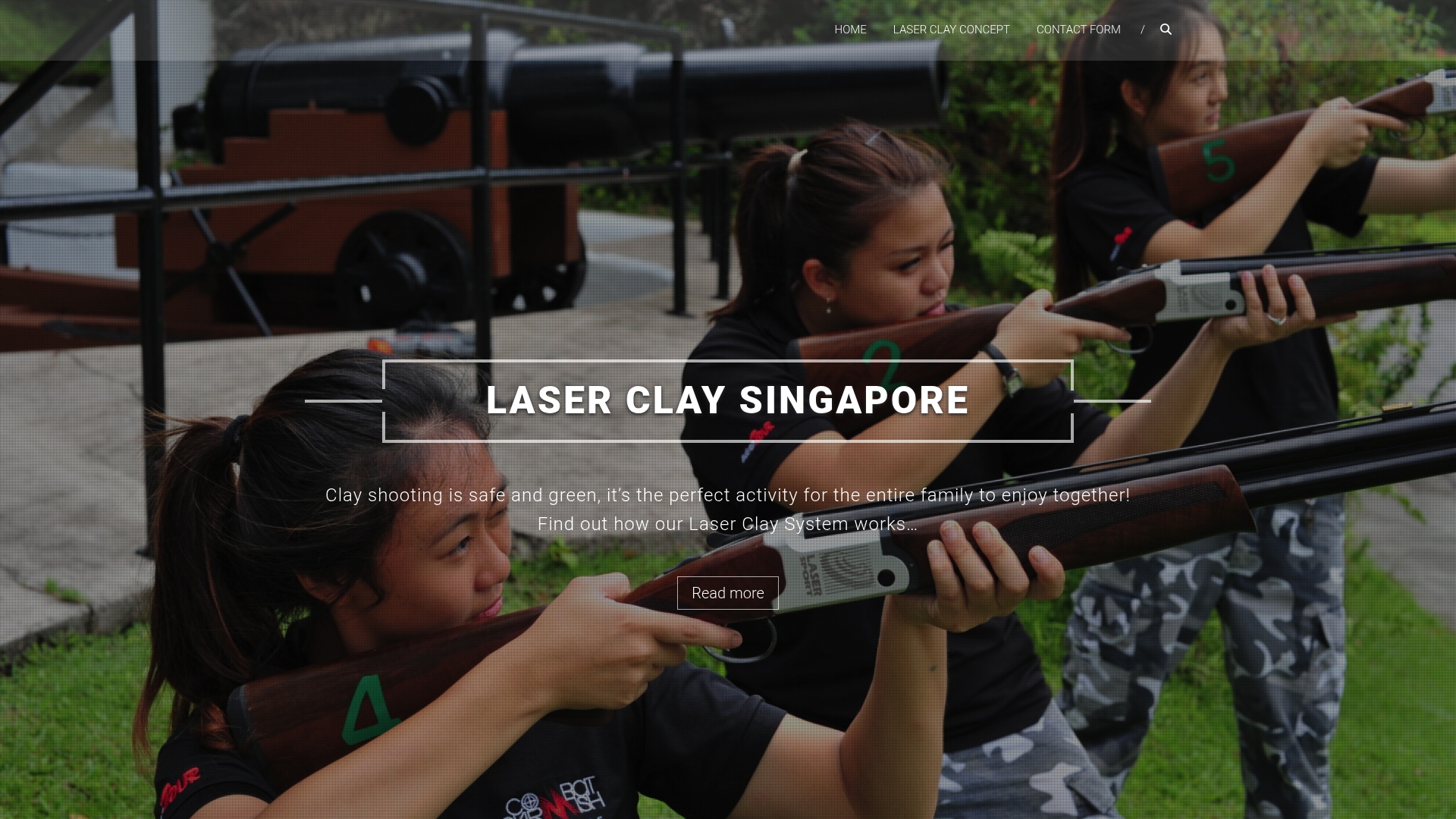
Laserclay brings the appeal of clay shooting to anyone, regardless of age, background, or experience. Using advanced laser technology instead of live ammunition, Laserclay removes the safety concerns and environmental impact associated with traditional clay shooting, making it an ideal first experience for newcomers and a compelling option for groups. Whether you are organising a corporate team-building day, a birthday celebration, or simply looking for a social activity that everyone can genuinely enjoy, Laserclay delivers the same skill-building feedback and community atmosphere that makes shooting sports so broadly appealing. Book a laser clay session and discover why the sport attracts such a wide range of participants.
FAQ
Why do shooting sports appeal to so many different age groups?
Shooting sports reward mental discipline and technique rather than physical peak performance, which means participants remain competitive across a wide age range. Unlike most sports, performance does not decline sharply after the mid-twenties.
What percentage of new shooters are women?
Women account for approximately 33% of new target shooters, reflecting a significant and growing female presence in the sport driven by empowerment, self-defence interest, and the sport’s structural equality.
Do I need to own a firearm to try shooting sports?
Nearly half of first-time visitors to shooting ranges use rental firearms, so ownership is not a requirement. Rental access is one of the primary reasons shooting sports attract participants with no prior connection to firearms culture.
How does policy affect shooting sports participation?
Countries that ease access to ranges and licences, and invest in youth programmes, see the fastest growth. India’s national championship entries doubled between 2019 and 2025 following policy liberalisation and the visibility of Olympic-level role models.
Is laser clay shooting suitable for complete beginners?
Laser clay shooting is specifically designed for all skill levels. It uses laser technology rather than live ammunition, removing recoil and safety complexity, which makes it one of the most accessible entry points into shooting sports for newcomers of any age.