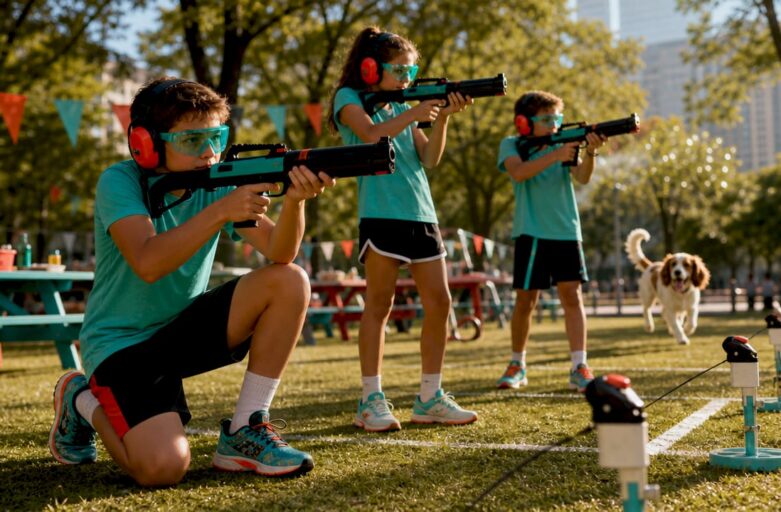
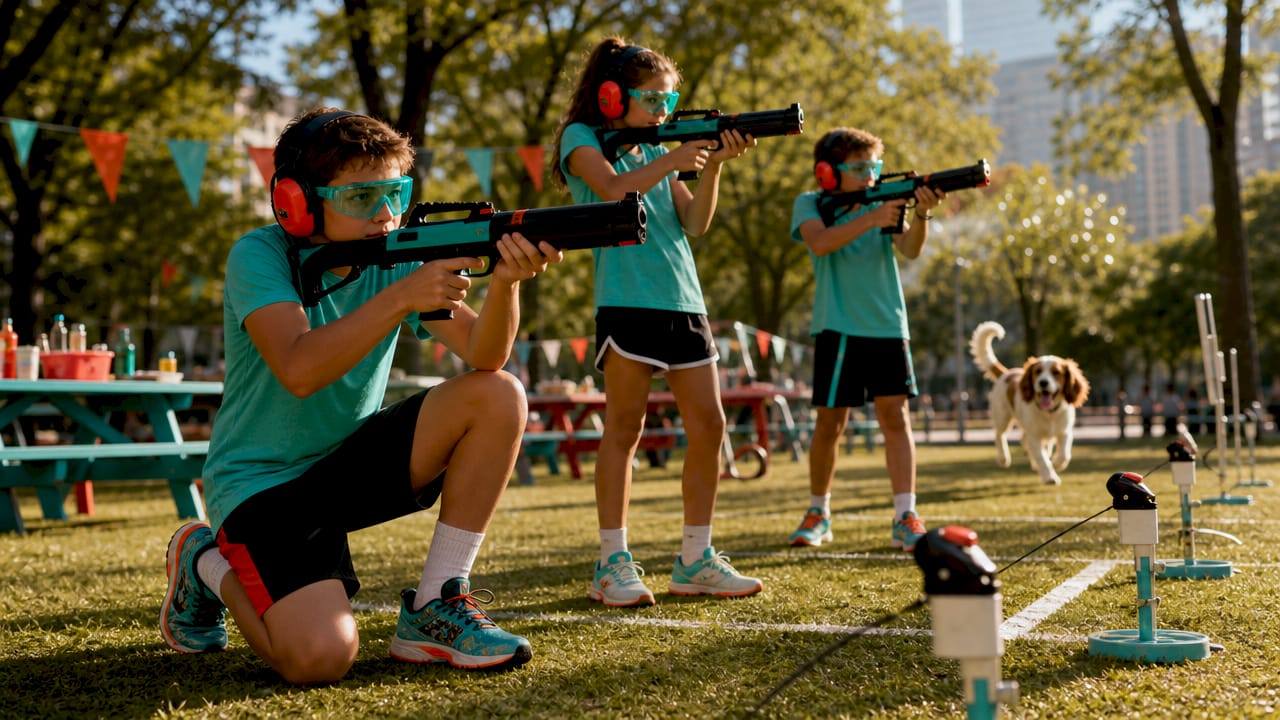
Competitive shooting games are structured activities that use target-based challenges to teach young people discipline, respect, and teamwork alongside physical skill. Parents and educators who want to teach sportsmanship through competitive shooting games have a powerful tool at their disposal. Organisations like the Scholastic Shooting Sports Foundation (SSSF) and Georgia 4-H demonstrate that shooting sports teach core life skills including honesty, integrity, and responsibility through adult-led instruction. The key is structure. Without deliberate design and consistent adult mentorship, competition alone does not build character.
What safety measures are essential before starting competitive shooting games?
Safety is the foundation of every effective shooting sports programme. Without it, no amount of good game design will produce positive outcomes. The Range Safety Officer (RSO) holds ultimate authority on the range, and shooters obey commands immediately, reinforcing respect and discipline from the very first session. That immediate compliance is not just a safety rule. It is the first practical lesson in sportsmanship.
Before any youth group picks up equipment, parents and educators should confirm the following are in place:
- Certified adult supervision. Every session requires at least one qualified instructor or RSO present at all times.
- Age-appropriate equipment. Firearms or laser-based alternatives must match the physical capability of each participant.
- Defined range boundaries. Clear physical markers tell participants exactly where safe zones begin and end.
- Written code of conduct. Georgia 4-H’s Code of Ethics requires respectful conduct towards participants, volunteers, and property as a baseline expectation.
- Briefing before every session. A pre-game safety talk sets behavioural expectations and reminds participants that rules exist to protect everyone.
Structured environments create predictable behaviour norms where respect and safety coexist naturally. When young people know exactly what is expected of them, they spend less energy on anxiety and more on learning.
Pro Tip: Run a five-minute “safety contract” at the start of each session where participants verbally agree to the rules. This small ritual builds ownership of the code of conduct rather than passive compliance.
How to design competitive shooting games that promote sportsmanship
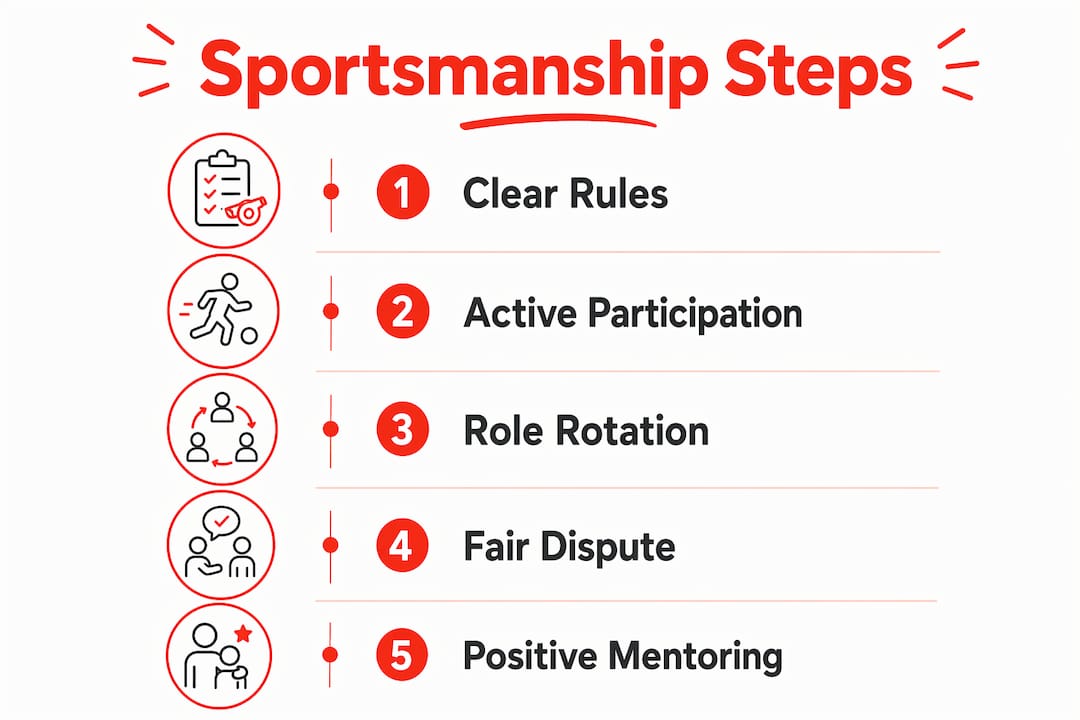
Game design is where values get embedded or lost. A poorly designed game rewards only winning. A well-designed game rewards effort, fair play, and team contribution equally.
Use team-based formats and role rotation
The Race to 30 game is a strong example of team-based competitive play that uses scoring constraints and rotation to keep every participant engaged. Teams work towards a shared score rather than individual glory. Rotating roles, such as shooter, spotter, and scorer, means every participant contributes and every contribution is visible to the group.
Structure the rules for dispute resolution
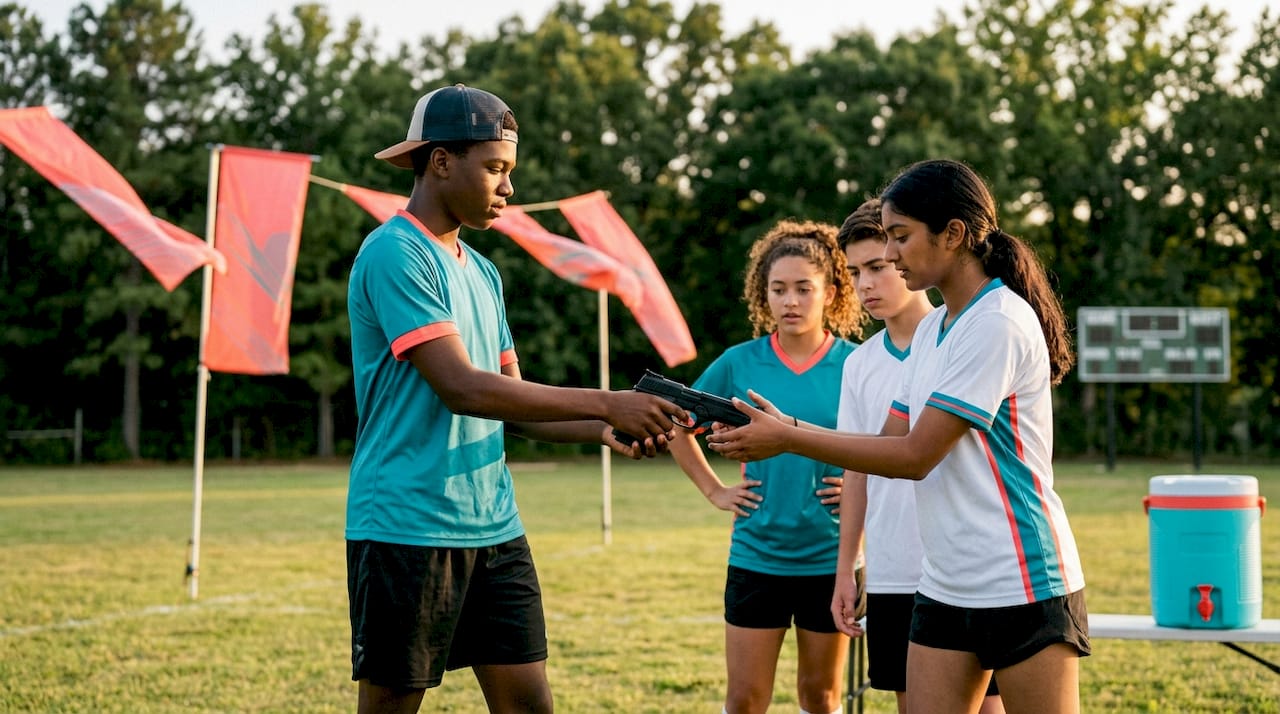
Clear rules for handling mistakes matter as much as rules for scoring. When a participant disputes a call, the process should be:
- Pause the game immediately and calmly.
- Ask both parties to state their view without interruption.
- Refer to the written rules or the RSO for a final decision.
- Resume play with no further discussion of the dispute.
- Debrief the incident briefly after the session, focusing on the process rather than the outcome.
This sequence teaches young people that disagreements have a fair process. It removes the temptation to argue, sulk, or retaliate.
Maximise active participation
Faster transitions and small teams increase active participation and reduce the idle time that breeds frustration and poor behaviour. Waiting is the enemy of good sportsmanship in youth activities. Keep groups to four or fewer participants per station, rotate every two to three minutes, and assign a task to every role so nobody stands idle.
| Game element | Poor design | Strong design |
|---|---|---|
| Scoring | Individual only | Team and individual combined |
| Roles | Shooter only | Shooter, spotter, scorer, timekeeper |
| Dispute process | Adult decides instantly | Structured peer-first process |
| Waiting time | Long queues | Rotation every 2–3 minutes |
| Recognition | Winner only | Effort, improvement, and fair play |
Pro Tip: Award a “team spirit” point at the end of each round, voted on by participants themselves. Peer recognition of good behaviour is more powerful than adult praise alone.
What role do adults play in modelling sportsmanship during shooting activities?
Adults are the most influential variable in any youth shooting programme. Sportsmanship requires guidance, mentoring, and a supportive environment. It does not emerge automatically from competition. Young people watch adults constantly, and they replicate what they see far more than what they are told.
Georgia 4-H’s Code of Ethics makes this explicit. Adults embodying sportsmanship values in shooting programmes has a stronger impact on youth than verbal instructions alone. That means every coach, parent volunteer, and educator must model the behaviour they expect.
Practical adult behaviours that reinforce competitive shooting ethics include:
- Staying calm under pressure. If a young person misses a target badly, the adult’s reaction sets the emotional tone for the group.
- Praising effort over outcome. “You held your position well” lands better than “You nearly got it.”
- Acknowledging opponents respectfully. Congratulating the opposing team in front of participants teaches that respect for rivals is a strength, not a weakness.
- Correcting without humiliating. Address rule violations privately where possible, and frame corrections as learning moments.
- Consistent messaging. Use the same language as the written code of conduct so participants hear one coherent set of values, not mixed signals.
“Character is not taught by telling young people to be good. It is caught by watching adults be good under pressure.”
Overemphasising winning undermines sportsmanship. Effective adult mentors focus on interaction protocols and dispute resolution, not just the scoreboard. When adults model emotional control and respect for officials, participants internalise those behaviours as normal parts of competition.
Common challenges when teaching sportsmanship through shooting games
Even well-designed programmes hit obstacles. Knowing what to expect helps parents and educators respond constructively rather than reactively.
-
Competitive pressure triggering poor behaviour. When participants care deeply about winning, frustration spills over into arguments or sulking. Address this by framing every session as a skills challenge, not a tournament, until participants have internalised the values.
-
Long waiting times causing boredom and friction. Idle participants find ways to entertain themselves that often undermine the group’s focus. Redesign stations to keep everyone active, or assign observation tasks with specific things to watch for and report back.
-
Inconsistent rule enforcement. When adults apply rules differently to different participants, trust collapses quickly. Write the rules down, display them visibly, and apply them without exception.
-
Skill gaps between participants. A large ability difference between participants can demoralise beginners and bore advanced shooters. Use competition guidelines that highlight character and self-discipline alongside skill, and group participants by experience level where possible.
-
Adults losing their composure. Parents in particular can become emotionally invested. Set clear expectations for adult conduct before the session begins, and designate one lead adult to manage any adult behaviour issues discreetly.
Adapting games for different ages is not complicated. Younger participants need shorter rounds, simpler scoring, and more frequent positive feedback. Older participants respond better to peer accountability and more complex team structures.
How to measure and reward sportsmanship outcomes in youth shooting programmes
Recognition systems make sportsmanship visible and repeatable. Without measurement, good behaviour goes unnoticed and fades. With it, participants understand that how they play matters as much as their score.
Practical approaches include:
- Attitude scores alongside shooting scores. Assign one point per round for demonstrating a specific sportsmanship behaviour, such as encouraging a teammate or accepting a ruling without complaint.
- Verbal praise that names the behaviour. “I noticed you waited your turn without being asked” is more effective than “Well done.” Specific praise teaches participants exactly what to repeat.
- End-of-session recognition ceremonies. A brief two-minute acknowledgement at the close of each session, naming participants who showed strong values, reinforces the message that character is noticed.
- Feedback to parents. A short written note or verbal update after each session keeps parents aligned with the programme’s values and gives them language to continue the conversation at home.
| Recognition method | What it reinforces |
|---|---|
| Attitude scoring | Sportsmanship as a measurable outcome |
| Named verbal praise | Specific behaviours worth repeating |
| Peer voting | Shared ownership of group values |
| Parent feedback | Consistency between programme and home |
Linking these outcomes to broader youth development goals gives parents and educators a clear narrative. Shooting games are not just a fun activity. They are a structured environment for building the social skills young people carry into school, work, and relationships.
Key takeaways
Teaching sportsmanship through competitive shooting games requires deliberate structure, consistent adult modelling, and recognition systems that make values visible and repeatable.
| Point | Details |
|---|---|
| Safety first | Certified supervision and a written code of conduct are non-negotiable before any session begins. |
| Design for values | Team scoring, role rotation, and clear dispute processes embed sportsmanship into the game itself. |
| Adults set the tone | Coaches and parents who model respect and emotional control have more impact than verbal instructions alone. |
| Reduce idle time | Faster rotations and small groups keep participants engaged and reduce frustration-driven poor behaviour. |
| Measure what matters | Attitude scores and named verbal praise make sportsmanship visible and reinforce the behaviours you want repeated. |
Why I think most adults underestimate their own role in this
After watching dozens of youth shooting sessions, the pattern that stands out most is not the game design. It is the adult in the corner who sighs loudly when a participant misses. That one reaction undoes ten minutes of careful coaching. Young people are not listening to what you say about sportsmanship. They are watching what you do when things go wrong.
The physical skill element of shooting sports is genuinely useful here. Unlike team ball sports, shooting requires individual focus and emotional regulation in a very visible way. A participant who loses composure immediately loses accuracy. The game itself provides instant, honest feedback on emotional control. That is a teaching tool most sports cannot offer.
My caution for parents and educators is this: do not assume the activity does the teaching for you. The sustainable approach to shooting sport training embeds values deliberately at every stage, not just at the end when someone wins or loses. Be proactive. Name the behaviours you want. Model them visibly. And when you get it wrong, say so. Admitting a mistake in front of young participants is the most powerful sportsmanship lesson you can give.
— Joshua
Laserclay: a safe, values-based shooting activity for groups
Laserclay brings the structure and excitement of competitive clay shooting to families, schools, and youth groups without the safety concerns of traditional ammunition. Using laser technology, participants of all ages and skill levels can compete, rotate roles, and practise the team spirit that shooting events build in a fully controlled environment.
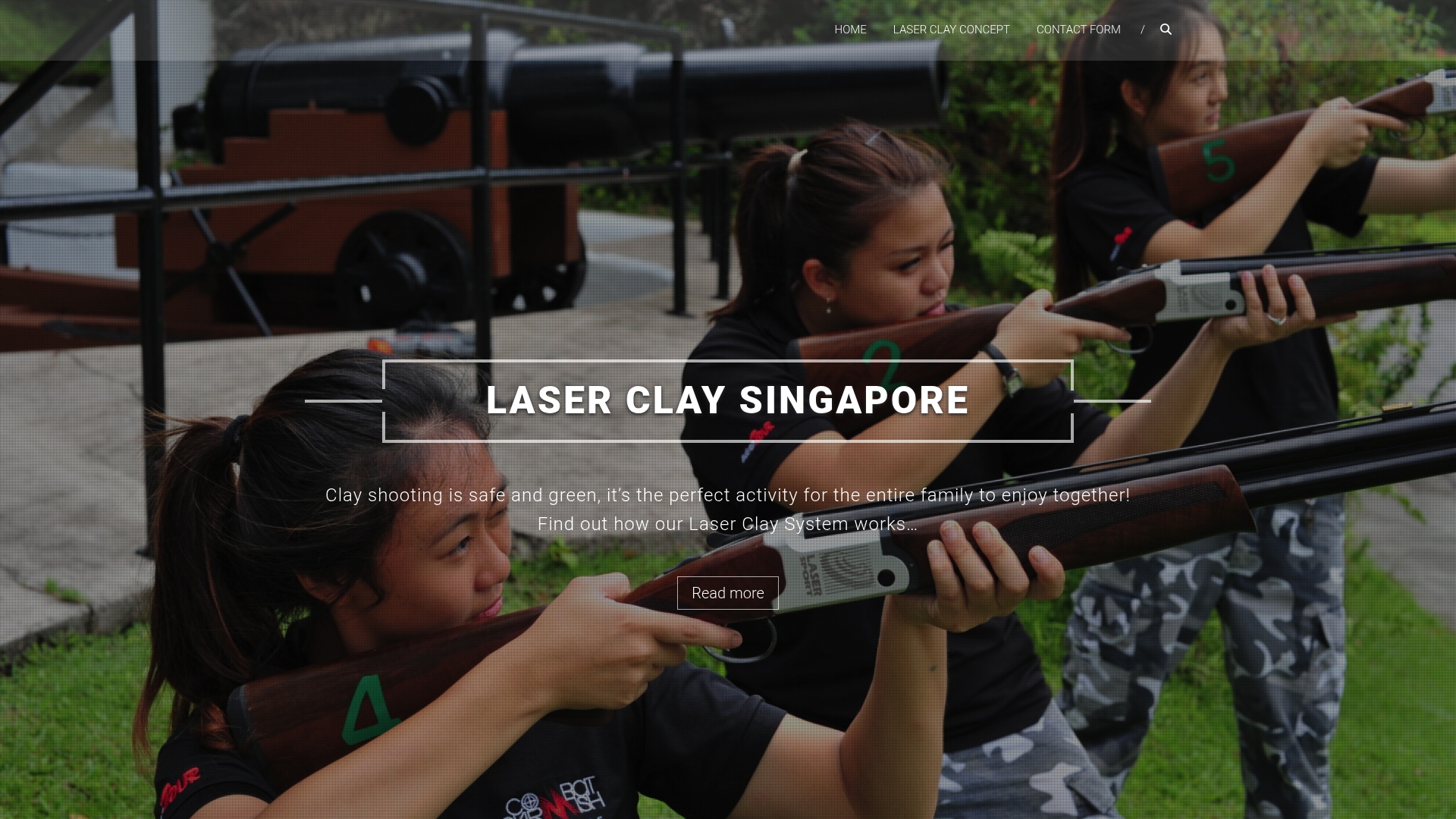
Laserclay’s format is designed around the same principles covered in this article: clear rules, active participation, and a focus on fair play alongside skill. Every session can be structured to include the sportsmanship elements that matter most to your group. Parents and educators can book a laser clay session or contact Laserclay directly to discuss a programme tailored to your school, camp, or family event.
FAQ
What is sportsmanship in shooting sports?
Sportsmanship in shooting sports is the practice of competing with respect, honesty, and emotional control. It includes following safety commands, accepting rulings without argument, and encouraging fellow participants regardless of outcome.
Can competitive shooting games really teach teamwork?
Yes. Game formats like Race to 30 use team scoring and role rotation to make cooperation a structural requirement, not an optional attitude. Every participant contributes to a shared result.
How do adults best model good sportsmanship?
Adults model sportsmanship by staying calm under pressure, praising effort over results, and applying rules consistently. Adult conduct in shooting programmes has a stronger impact on youth behaviour than verbal instruction alone.
What age is appropriate for competitive shooting games?
Most structured youth shooting programmes accept participants from around eight years old, with equipment and rules adapted to age and physical capability. Laser-based alternatives like Laserclay are suitable for younger children and remove ammunition safety concerns entirely.
How do I handle poor sportsmanship during a session?
Address the behaviour calmly and immediately using the programme’s written code of conduct as your reference. Correct privately where possible, debrief the group briefly after the session, and focus the conversation on the process rather than the individual.