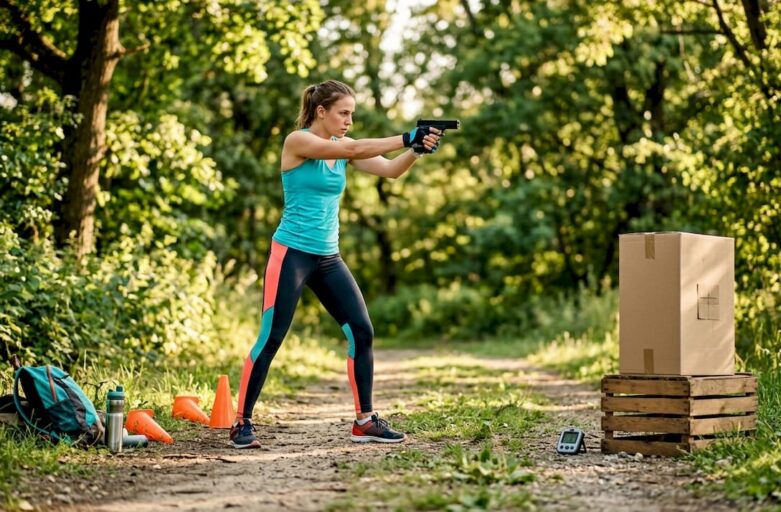
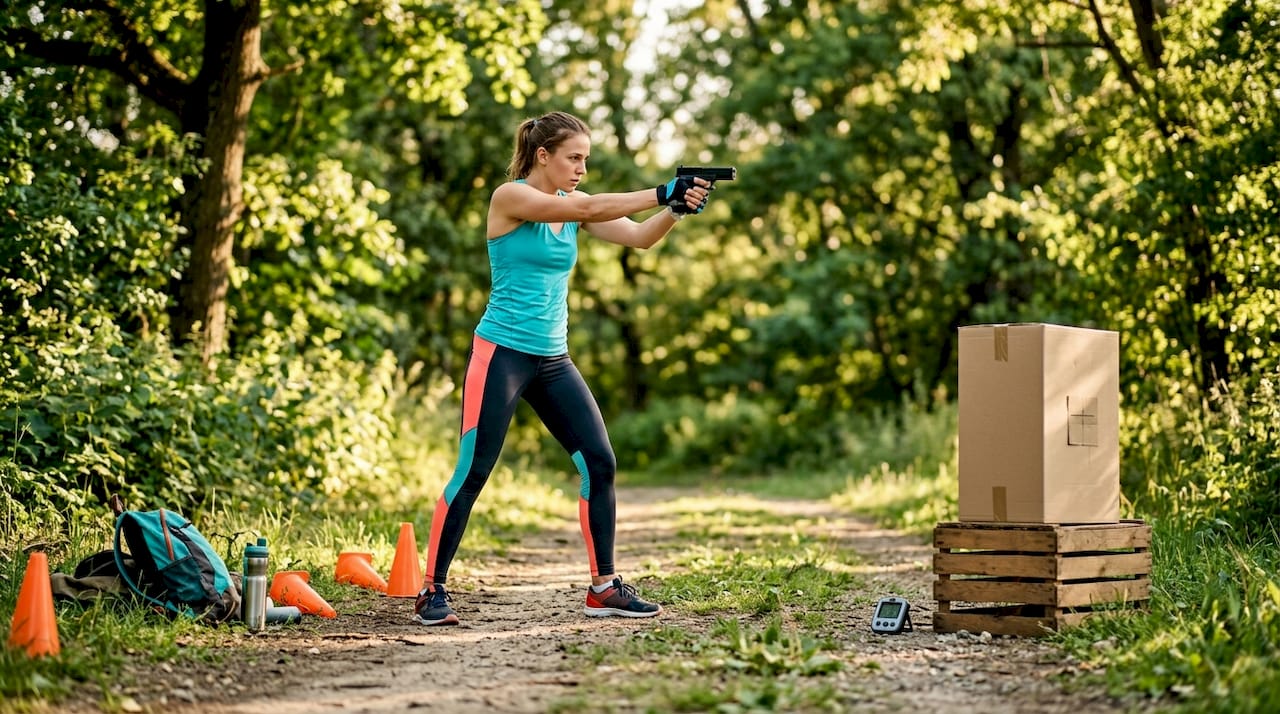
Sports training methods without ammunition are defined as structured practice systems that build skill, strength, and reaction speed without firing live rounds or using physical projectiles. Coaches, athletes, and fitness enthusiasts are adopting these approaches at pace because they cut costs, remove injury risk, and eliminate lead contamination from training environments. The core methods fall into four categories: dry-fire practice, bodyweight conditioning, technology-enabled simulation, and scenario-based drills. Each targets a different performance gap, and the best programmes combine all four.
1. What are sports training methods without ammunition?
Ammunition-free training covers any structured drill or exercise that develops sport-specific skills without live rounds, physical projectiles, or heavy equipment. The term “dry-fire training” is the recognised industry standard for the shooting-sport variant, while “unarmed sports training techniques” covers the broader physical conditioning side. Both sit under the same umbrella: building repeatable, high-quality movement patterns in a safe, low-cost environment. Understanding the distinction helps coaches assign the right method to the right performance gap.
2. How dry-fire training works and how to set it up safely
Dry-fire training is the most direct ammunition-free training strategy for shooting sports. Removing recoil and noise during practice lets athletes focus entirely on trigger control and sight alignment, reaching personal speed limits faster than live-fire sessions allow. The absence of auditory distraction is not a compromise. It is a performance advantage.
Setting up a safe dry-fire space requires minimal investment. A 6-foot clear space, a safe backstop, and a simple target such as a 3×5 index card are sufficient for effective home practice. A smartphone timer app replaces expensive range equipment entirely.
Safety protocol is non-negotiable. Ammunition must be physically separated from the firearm, magazines, and the athlete’s person before any session begins. This binary rule has no exceptions and no grey areas.
The core drills to practise in a dry-fire session include:
- Trigger control: Slow, deliberate presses with no sight movement at the break
- Sight alignment and sight picture: Confirming correct alignment before and during the press
- Drawing speed: Timed repetitions from holster to first sight picture
- Reloading mechanics: Magazine exchanges with an empty firearm
- Malfunction clearance: Practising tap-rack sequences without live rounds
An 80/20 dry-fire to live-fire ratio with daily 10–15 minute sessions and 500 or more repetitions per week produces measurable skill improvement. That volume is simply not achievable on a live range at reasonable cost.
Pro Tip: Use a shot timer app set to par times during dry-fire sessions. Timed repetitions with par times build discipline and prevent the lazy, degraded reps that quietly erode technique over weeks.
3. Bodyweight and unarmed exercises that build sport-ready fitness
Physical training without gear produces genuine athletic gains when the programme is structured for progressive overload. Bodyweight conditioning is the foundation of unarmed sports training techniques used by martial artists, combat athletes, and shooting sport competitors alike.
Key exercises for power, speed, and endurance include:
- Lunges and split squats: Build single-leg stability and hip strength critical for shooting stances and combat sport footwork
- Plyometric jumps: Box jumps and broad jumps develop explosive power with no equipment beyond floor space
- Jump rope: Builds cardiovascular endurance and foot speed simultaneously, with direct transfer to footwork-dependent sports
- Footwork ladder drills: Solo footwork routines using marked floor points develop directional explosiveness and balance recovery without a partner
- Push-up variations: Archer push-ups and decline push-ups build pressing strength and shoulder stability
- Hollow body holds: Develop core tension essential for stable shooting positions and grappling base
- Bear crawls: Build full-body coordination and proprioception across all planes of movement
Breath control and natural, flowing movement reduce long-term joint injuries compared to high-impact traditional training. The Systema tradition, developed in Russia, prioritises internalised movement principles that protect joints by flowing around resistance rather than forcing through it. That principle applies directly to any sport where repetitive strain is a risk.
Progressive overload without equipment means increasing tempo, reducing rest periods, or adding single-limb variations rather than adding weight. A coach can build a 12-week bodyweight programme that produces measurable strength and speed gains with no gym access required.
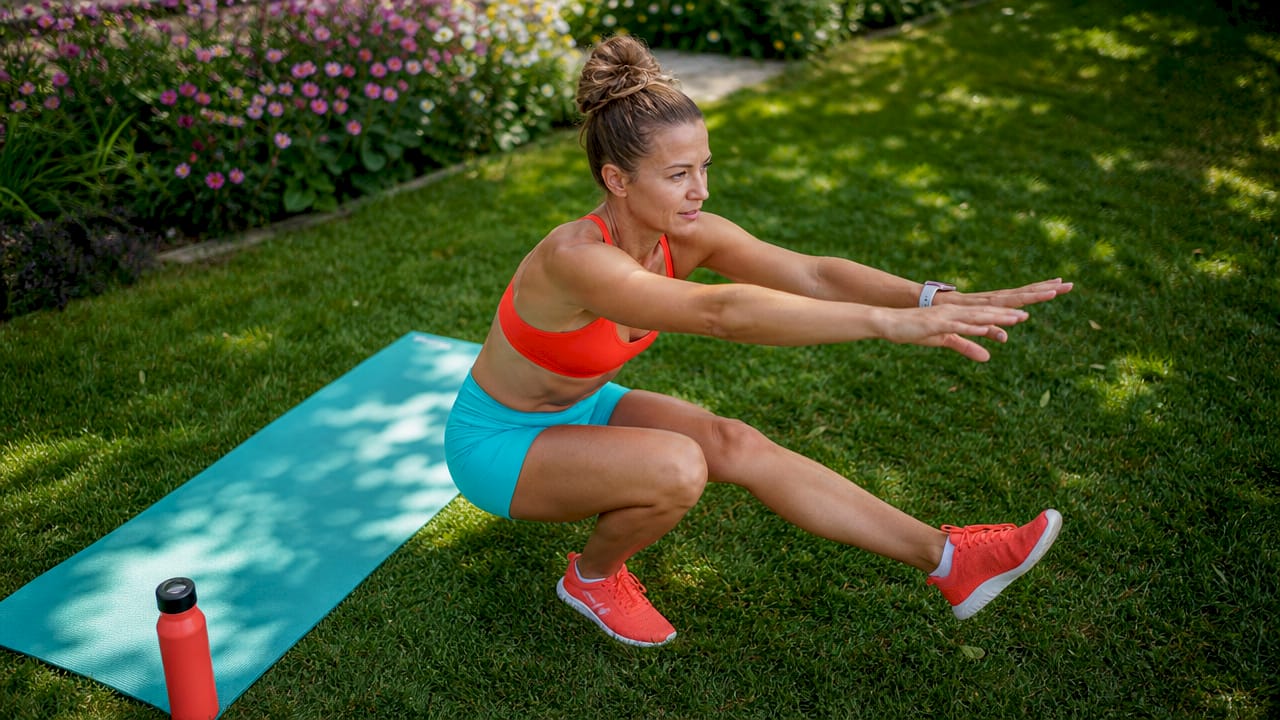
Pro Tip: Record your footwork drills on a smartphone and review them at half speed. Athletes consistently discover asymmetries in their movement patterns that feel invisible during the session itself.
4. Technology-enabled systems that simulate live training without live rounds
Modern technology has closed the realism gap between dry-fire and live-fire training. Laser-based and sensor-driven systems now replicate the feedback of a live shot without any of the environmental or safety costs.
The UNIT9 training system is one documented example. It reduces per-shot cost to approximately 10% of traditional cartridges while delivering zero lead contamination. That cost reduction makes high-volume repetition accessible to athletes and coaches who cannot justify range fees at scale.
Laser clay shooting systems, such as those offered by Laserclay, apply the same principle to clay shooting sports. Participants use laser-equipped equipment to engage moving clay targets in a fully simulated environment. The environmental benefits of lead-free shooting are substantial: no soil contamination, no airborne lead particles, and no spent casings to manage.
| System type | Cost per session | Environmental impact | Realism level | Best use case |
|---|---|---|---|---|
| Live-fire range | High | Lead contamination, noise pollution | Maximum | Competition preparation |
| Dry-fire (home) | Minimal | Zero | Moderate | Daily skill maintenance |
| Laser simulation (e.g. UNIT9) | Low | Zero | High | High-volume tactical drills |
| Laser clay (e.g. Laserclay) | Low to moderate | Zero | High | Clay sport skill building, events |
Technology-enabled systems also remove the access barrier. Athletes without range access can improve clay shooting skills using laser systems at indoor venues, corporate events, or even temporary outdoor setups. The sport becomes available to beginners and experienced athletes alike.
5. Scenario-based and reaction drills for realistic skill transfer
Isolated drills build components. Scenario-based drills build performance under pressure. Training without contextual cues produces orphaned techniques that fail when an athlete faces real directional stimuli, time pressure, or an unpredictable environment. This is the most overlooked gap in ammunition-free training programmes.
Effective scenario-based drills for coaches and athletes include:
- Randomised signal starts: Use a training partner, timer app, or audio cue to trigger movement rather than self-initiating every rep
- Directional footwork responses: Mark four or five floor positions and respond to called or signalled directions, building reactive movement rather than rehearsed patterns
- Banded shadow boxing: Resistance bands attached to a fixed point create directional load, forcing the athlete to generate power against resistance during movement
- Parrying and limb-clearing sequences: Practise deflection and clearing movements against a pad holder or against air with visualisation cues
- Timed decision drills: Present two or three target options and require the athlete to select and respond within a set par time
Artificial stimuli such as floor markings and randomised signals prevent the mechanical, disengaged repetitions that make solo training feel productive but deliver little real-world transfer. The difference between a drill that builds skill and one that builds habit is whether the athlete is making decisions during the rep.
A simple home or gym setup works for all of these drills. Tape on the floor, a resistance band, a timer app, and a training partner willing to call directions are sufficient. The environment does not need to be complex. The stimulus does.
6. Comparing ammunition-free training methods: which suits your goals?
No single method covers every performance need. Coaches and athletes benefit from understanding which approach delivers the most value for a specific goal.
| Method | Skill focus | Cost | Accessibility | Realism | Best for |
|---|---|---|---|---|---|
| Dry-fire training | Trigger control, draw speed | Very low | Home or gym | Moderate | Daily shooting skill maintenance |
| Bodyweight conditioning | Strength, speed, endurance | Zero | Anywhere | N/A | Athletic base building |
| Laser simulation systems | Full shooting sequence | Low to moderate | Indoor venues | High | High-volume, feedback-rich practice |
| Scenario-based drills | Decision-making, reaction | Zero to low | Home, gym, outdoors | High | Pressure-tested skill transfer |
The practical recommendation for most coaches is to run dry-fire and bodyweight sessions daily, use scenario-based drills two to three times per week, and schedule laser simulation sessions for structured feedback and assessment. This combination covers muscle memory, physical conditioning, decision-making, and realistic feedback without a single live round.
Athletes preparing for competition should weight their programme towards laser simulation and scenario drills in the final four weeks. Athletes in the off-season benefit most from high-volume dry-fire and bodyweight work to build the physical and technical base.
Key takeaways
Ammunition-free training methods deliver measurable skill, fitness, and safety gains when dry-fire practice, bodyweight conditioning, scenario drills, and laser simulation are combined into a structured programme.
| Point | Details |
|---|---|
| Dry-fire is the core method | Daily 10–15 minute sessions with 500+ repetitions per week build shooting skill faster than live-fire alone. |
| Safety protocol is binary | Physically separate all ammunition from the training area before every session, without exception. |
| Bodyweight training transfers directly | Exercises like plyometrics, footwork drills, and hollow body holds build the athletic base every shooting sport requires. |
| Technology closes the realism gap | Laser systems reduce cost to roughly 10% of live-fire while delivering zero lead contamination and high training realism. |
| Scenario drills prevent orphaned skills | Contextual cues and randomised signals are what separate drills that build pressure-tested skills from those that only build habit. |
Why I think most coaches underestimate ammunition-free training
The coaches I respect most have one thing in common: they stopped treating ammunition-free practice as a substitute for the real thing and started treating it as the primary training environment. That shift changes everything.
When I first worked with dry-fire protocols, I expected a compromise. What I found was that removing the noise, recoil, and cost pressure of live-fire sessions freed athletes to focus on the mechanics that actually determine performance. The athletes who committed to daily dry-fire sessions improved their draw speed and trigger discipline faster than those who trained exclusively on the range.
The bodyweight and scenario-based side of ammunition-free training is where I see the biggest gap in current coaching practice. Coaches design technically sound isolated drills and then wonder why athletes underperform under pressure. The answer is almost always that the drills lacked contextual stimuli. Adding a randomised audio cue or a directional signal costs nothing and changes the training effect completely.
My honest view is that shooting sports need modernisation not just for environmental reasons but because the training methods available now are genuinely superior for skill development. Laser simulation systems and structured ammunition-free programmes are not a concession to regulation. They are a better way to train. Coaches who adopt them now will have a measurable advantage over those who wait.
— Joshua
Laserclay: try ammunition-free clay shooting for yourself
Laserclay brings laser clay shooting to Singapore as a fully ammunition-free sport experience. Participants use laser-equipped shotguns to engage moving clay targets in a realistic outdoor or indoor setting, with no lead, no noise risk, and no range licence required.
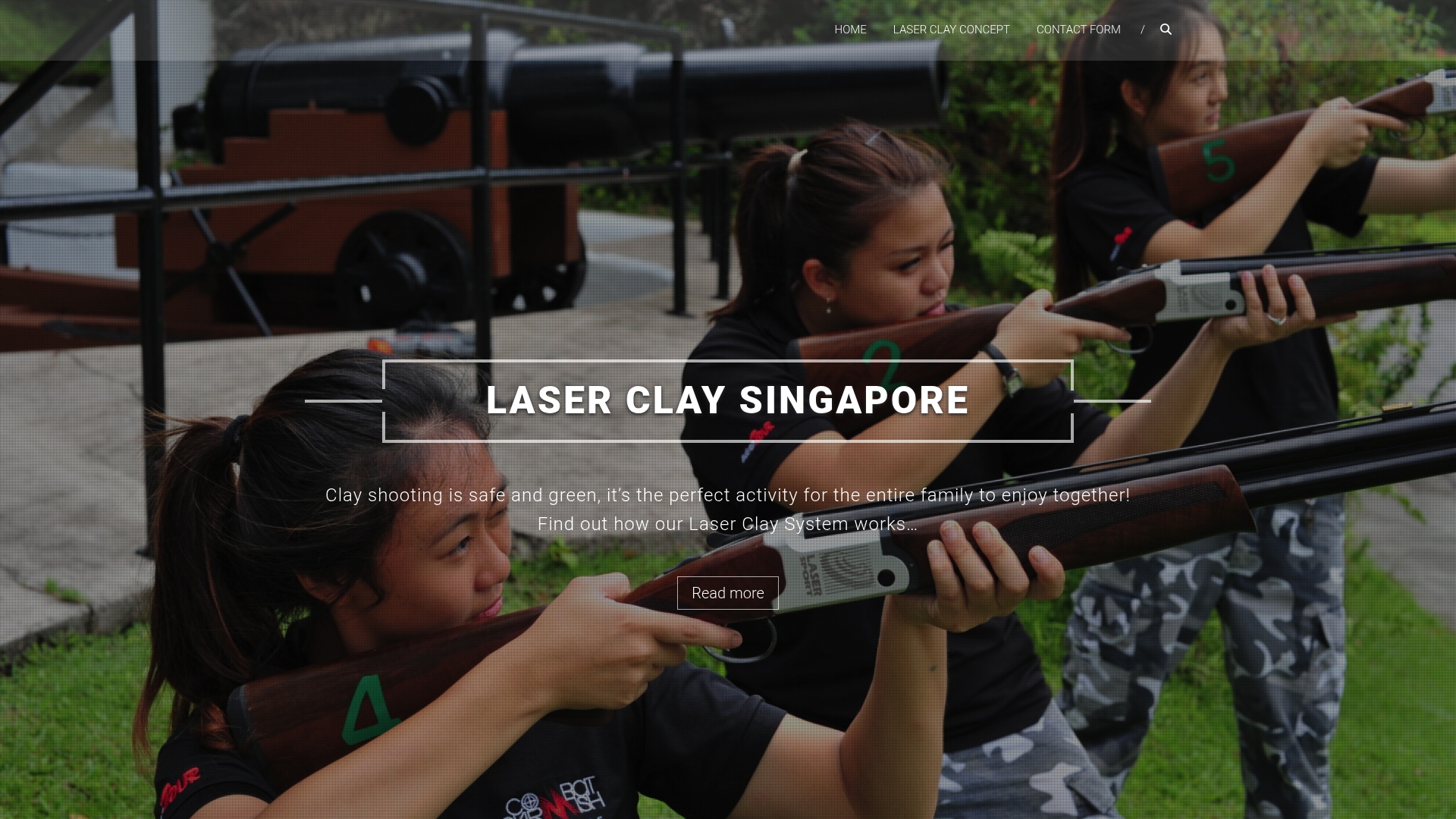
Whether you are a coach building a training programme, an athlete looking for high-volume repetition, or a group organising a corporate team-building event, Laserclay delivers a structured, feedback-rich session that transfers directly to sport performance. The system is accessible to complete beginners and experienced shooters alike. Find out how to play laser clay and book a session that puts everything in this article into practice.
FAQ
What is dry-fire training?
Dry-fire training is structured shooting practice performed without live ammunition, focusing on trigger control, sight alignment, and drawing speed. A 3×5 index card and a smartphone timer app are sufficient equipment for an effective home session.
How effective are sports drills without firearms or live rounds?
Ammunition-free drills are highly effective when structured correctly. An 80/20 dry-fire to live-fire ratio with daily sessions produces measurable skill improvement that live-fire training alone cannot match at the same volume.
Are laser clay shooting systems suitable for beginners?
Laser clay systems are designed for all skill levels. They remove the noise, recoil, and safety barriers of live-fire shooting, making the sport accessible to first-time participants without compromising the realism of the experience.
How do I prevent injuries during physical training without gear?
Breath control and natural, flowing movement reduce joint injury risk in bodyweight training. Prioritise single-limb stability exercises and progressive tempo increases over adding load or impact before the body is ready.
What is the environmental benefit of ammunition-free training?
Ammunition-free methods eliminate lead contamination of soil and water, remove airborne lead particles from training environments, and produce no spent casings. Laser simulation systems deliver these benefits while maintaining high training realism.