

Silent games, timed observation exercises and guided creative workshops are the fastest route to genuine team connection when nobody wants a microphone or a conga line. Each format suits a different slot: a five-minute silent signal chain for a stand-up, a 20-minute Sneak a Peek session for an offsite, or a 90-minute moss art workshop for a proper break from the desk. For teams that want a facilitated, low-noise option with none of the DIY setup, a Laser Clay session delivers the same focus and quiet intensity without anyone needing to source materials or write a script.
TL;DR:
- Silent activities require strict timing and rules enforcement, as even minor sounds can undermine their focus on observation and non-verbal communication.
- Activities like Silent Line-Up and Sneak a Peek are ideal for short time slots under 20 minutes, while moss art and candle making suit longer, facilitator-led sessions of 60 to 90 minutes.
- Accessibility considerations, such as offering visual cues and supporting mobility needs, should be incorporated from the planning stage to ensure inclusivity.
- Large groups or complex offsite sessions benefit from professional facilitation, especially for activities lasting beyond 20 minutes, like Laser Clay or creative workshops.
- A strong debrief with targeted questions significantly enhances the lasting value of these exercises, making them more than just fleeting moments of quiet.
Table of Contents
- What are quiet team activities?
- 12 quiet activities you can run this week
- How do you facilitate a quiet team activity?
- Which quiet format fits your time slot?
- Does the research actually back these timings up?
- When is it worth hiring a facilitator instead of running it yourself?
- Which format actually gets picked, and why
- Sources
- FAQ
What are quiet team activities?
Quiet team activities are structured exercises that build collaboration, trust and observation skills without relying on shouting, physical exertion, or constant chatter. Some ban speech entirely, like the Silent Line-Up. Others simply lower the energy and volume, like guided craft sessions where conversation happens naturally, if at all. The common thread is deliberate design: silence or calm isn’t a side effect, it’s the mechanism doing the work.
This matters for a specific kind of team. Introverts, neurodivergent colleagues, and anyone who dreads being handed a kazoo tend to disengage from high-energy icebreakers. Non-verbal exercises flip that dynamic. Removing speech tends to surface quieter contributors and can level workplace hierarchy, because the usual advantages of confidence and volume simply don’t apply. The person who says least in meetings might be the fastest to solve a silent puzzle, and that’s often the point.
Below are 12 activities that need little more than a room, some patience, and a facilitator willing to enforce the rules properly.
12 quiet activities you can run this week
1. Silent Line-Up
Participants arrange themselves in a line, by height, birthday month, or shoe size, using only gestures. No talking, whispering or mouthing words allowed.
Time: 10–15 minutes. Group size: 6–20. Materials: none.
Accessibility: works for most mobility and hearing needs; agree an alternative gesture set in advance for anyone who can’t stand for long.
Facilitator prompt: “You have three minutes. No sound of any kind counts as a rule break.”
2. Sneak a Peek (silent memory)
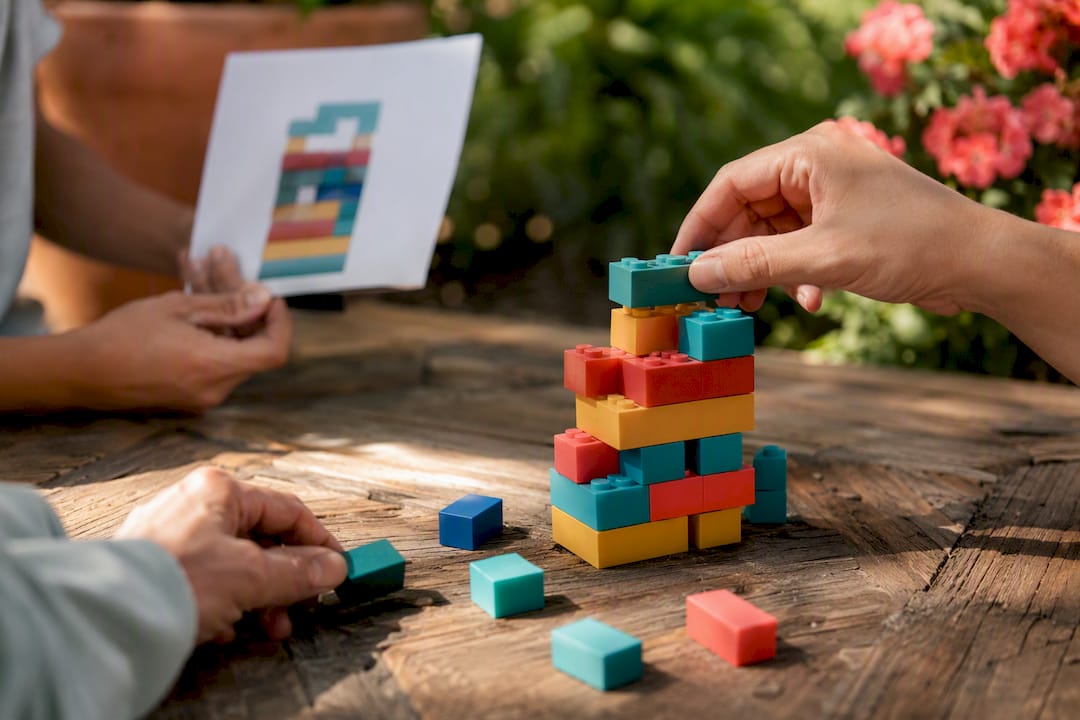
One person builds a structure from blocks. The rest of the team gets a timed 15-second viewing window each, then must recreate it from memory, in silence, without seeing it again.
Time: 20–25 minutes for a full team. Group size: 4–10 per structure. Materials: building blocks or LEGO.
Accessibility: extend viewing time slightly for anyone with visual processing differences rather than cutting them from the round.
Facilitator prompt: “Ten seconds starts now. Watch, don’t touch.”
3. Silent Signals
A mime gesture gets passed down a line, each person copying what they saw from the person before them, with no verbal cues at all.
Time: 5–8 minutes. Group size: 6+. Materials: none.
Accessibility: fully inclusive, works seated or standing.
Facilitator prompt: “Copy exactly what you see. No sound, no lip-reading shortcuts.”
4. Silent Building Project
Teams of six to eight recreate a model structure using toothpicks and tape, with talking banned throughout.
Time: 15–20 minutes. Group size: 6–8. Materials: toothpicks, tape, a reference model.
Accessibility: swap toothpicks for larger connector pieces if fine motor control is a concern.
Facilitator prompt: “You may point and gesture. You may not speak, hum, or write words.”
5. Blind Drawing
One person describes an image using only gestures while a partner sketches it, facing away from the original picture, without speaking.
Time: 10 minutes. Group size: pairs. Materials: paper, pencils, simple reference images.
Accessibility: swap gestures for tactile description for visually impaired participants.
Facilitator prompt: “Draw only what you see them gesture. No peeking at the original.”
6. Beaded Branches
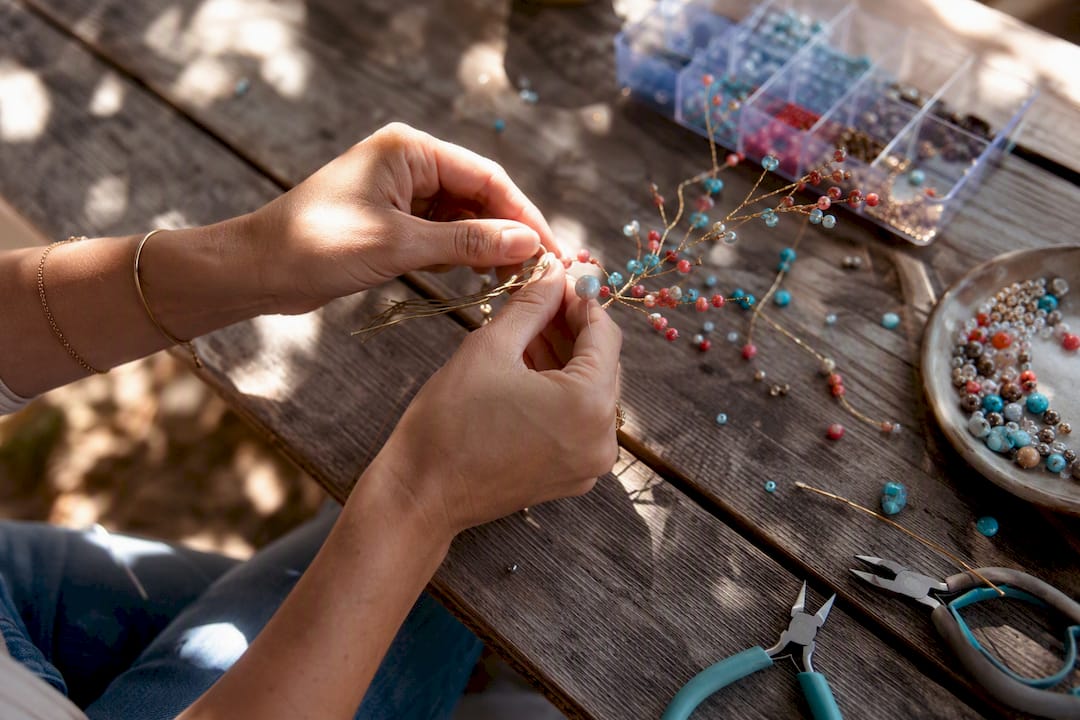
A calm craft activity where participants thread beads onto wire branches, working quietly side by side while conversation happens naturally rather than by design.
Time: 45–60 minutes. Group size: 8+. Materials: wire, beads, small pliers.
Accessibility: pre-thread some beads for anyone with limited dexterity.
Facilitator prompt: “No agenda here. Work at your own pace, chat if you want to.”
7. Moss Art / Guided Creative Workshop
A facilitator guides the group through building a small moss or terrarium piece. These sessions typically run 60 to 90 minutes and include materials and setup, suiting groups of roughly ten or more.
Time: 60–90 minutes. Group size: 10+. Materials: provided by the facilitator.
Accessibility: seated throughout; check for allergies to moss or soil in advance.
Facilitator prompt: none needed. Instruction is guided by the workshop leader.
8. Guided Candle Making
Similar pacing to moss art: a facilitator walks the group through pouring and setting candles, with long stretches of quiet, hands-on work.
Time: 60–90 minutes. Group size: 8–15. Materials: wax, wicks, containers, fragrance oils.
Accessibility: seat participants away from hot wax stations if mobility is a concern; ventilation matters for anyone with respiratory sensitivities.
Facilitator prompt: none needed beyond initial safety instruction.
9. Silent Charades
Standard charades, but audience guesses are written on paper or typed into a shared chat, not shouted out.
Time: 15 minutes. Group size: 6–12. Materials: prompt cards, paper or a shared doc.
Accessibility: works well for hybrid teams already using chat tools.
Facilitator prompt: “Guess in writing only. No calling out.”
10. Quiet Storytelling Round
Participants pass round a notebook, each adding one sentence to a shared story without discussing it aloud.
Time: 10–15 minutes. Group size: 6–10. Materials: one notebook or shared document.
Accessibility: works identically for remote teams using a shared doc.
Facilitator prompt: “One sentence each. Read what’s there, then add yours.”
11. Collaborative Origami
Pairs fold identical paper models by watching a facilitator’s hands only, no instructions spoken.
Time: 15–20 minutes. Group size: pairs or small groups. Materials: origami paper.
Accessibility: pair participants with dexterity challenges alongside a supportive partner rather than excluding them.
Facilitator prompt: “Watch my hands. Fold when I fold.”
12. Five-Minute Quiet Circles Micro-Games
Short daily rituals, under five minutes each, designed to slot into stand-ups on Slack, Zoom or in person.
Time: under 5 minutes. Group size: any. Materials: none, or a shared screen.
Accessibility: fully remote and async-friendly.
Facilitator prompt: “One round, one minute of silence, then reveal.”
How do you facilitate a quiet team activity?
Running a silent exercise badly is easy: someone whispers a hint, someone else laughs, and the whole point of the activity evaporates. Getting it right takes a script, not just good intentions.
- Open with a strict definition of silence. Tell the group explicitly: no whispering, no humming, no mouthing words, no mimed spelling. Facilitators should treat any non-verbal noise as a rule break, because even a stifled laugh can release the tension the exercise depends on.
- State the exact timebox before you start. “Three minutes” or “ten seconds per person” gives the exercise its edge. Vague timing invites vague effort.
- Position yourself as an observer, not a referee. Once the rules are set, step back. Watch who leads without words, who waits, who gets frustrated. That’s the material for your debrief.
- Debrief with workplace-specific prompts. Ask: “Who took the lead without speaking, and how did the group follow them?” or “What did you notice about how decisions got made without discussion?” Link answers directly to how the team runs actual meetings.
- Build in accessibility from the start, not as an afterthought. Offer visual cue cards for anyone who struggles with gesture-based instructions, allow seated alternatives for mobility needs, and give a genuine opt-out with an alternative role (timekeeper, observer, note-taker) rather than forcing participation.
Pro Tip: Announce the “silence penalty” before you start, not after someone breaks it. A simple rule like “one restart per accidental sound” keeps things fair and stops the exercise collapsing into finger-pointing.
Debriefs work best when they’re short and specific. Don’t ask “how did that feel?” Ask “who in this room made a decision without saying a word, and did the rest of you notice?” That question alone tends to surface more insight than a 20-minute group chat ever would.
Which quiet format fits your time slot?
Matching the activity to the time you actually have prevents the most common failure mode: cramming a 90-minute workshop into a 15-minute meeting window and rushing the debrief.
- Under 5 minutes: Silent Signals, Quiet Circles micro-games, a single round of Quiet Storytelling. Perfect for opening a stand-up without derailing the agenda.
- 10 to 20 minutes: Silent Line-Up, Sneak a Peek, Silent Building Project, Collaborative Origami. These need enough room to set rules, run the exercise, and debrief properly.
- 60 to 90 minutes: Moss art, guided candle making, or any facilitator-led craft session. These work as a standalone offsite block rather than a meeting add-on.
For hybrid and remote teams, most non-verbal formats translate directly to video. Silent Charades works well with a shared chat window for guesses. Quiet Storytelling becomes a shared Google Doc passed round asynchronously. Sneak a Peek gets trickier remotely (screen-sharing a structure briefly and muting audio approximates it, though it loses some of the physical tension). Slack-based micro-rituals, a daily one-word check-in, a silent “reacji” round, cover the gap for distributed teams who rarely share a room.
Before running anything, run this checklist:
- Is the space quiet enough that “silence” is actually achievable, not fighting background noise?
- Do you have the materials on hand, or ordered with enough lead time?
- Is there a designated facilitator, or has a volunteer been briefed on the rules?
- Has anyone been asked about accessibility needs, mobility, hearing, sensory sensitivities, before the session?
- Is there a genuine opt-out role for anyone who doesn’t want to participate directly?
Does the research actually back these timings up?
The timings above aren’t arbitrary. The Silent Line-Up’s 10 to 15 minute window and zero-equipment setup are why it’s become a default opener for facilitators who need something that works in almost any room, with almost no notice. Guided creative workshops sit at the other end of the spectrum: moss art and similar sessions commonly run 60 to 90 minutes once materials and setup are factored in, and they need a minimum group size of around ten to feel worthwhile rather than sparse.
Precise timing and strict enforcement of silence aren’t optional extras. Even small sounds, a stifled laugh, a whispered hint, can undermine the entire point of a non-verbal exercise, because the value comes specifically from removing the usual verbal shortcuts people rely on.
That’s not a minor facilitation detail. Consistent timing per participant, such as the 10 to 15 second observation window in Sneak a Peek, exists to replicate genuine information-limited decision conditions. Shorten it for one person and lengthen it for another, and you’ve quietly broken the exercise’s fairness along with its usefulness as a diagnostic tool.
Facilitators who run these sessions regularly tend to converge on the same three habits: enforce silence as a hard rule rather than a suggestion, use a visible timer rather than a mental countdown, and resist the urge to jump in and help when someone’s struggling. That discomfort is usually where the actual learning happens.
When is it worth hiring a facilitator instead of running it yourself?
DIY silent games work brilliantly for a five-minute stand-up opener or a single afternoon exercise, but they start to strain once you’re planning a full offsite, managing accessibility needs across a large group, or trying to keep energy calm and focused for 90 minutes straight without a script running out of steam.
That’s the gap a facilitated Laser Clay session fills. It’s a low-noise, indoor-friendly activity built around laser-based clay shooting rather than live ammunition, which means no bang, no recoil, and none of the sensory overload that rules out traditional shooting events for a quiet-focused brief. Sessions run to a fixed format with a facilitator managing scoring and pacing throughout, so nobody on your side has to write a script or enforce the rules themselves.
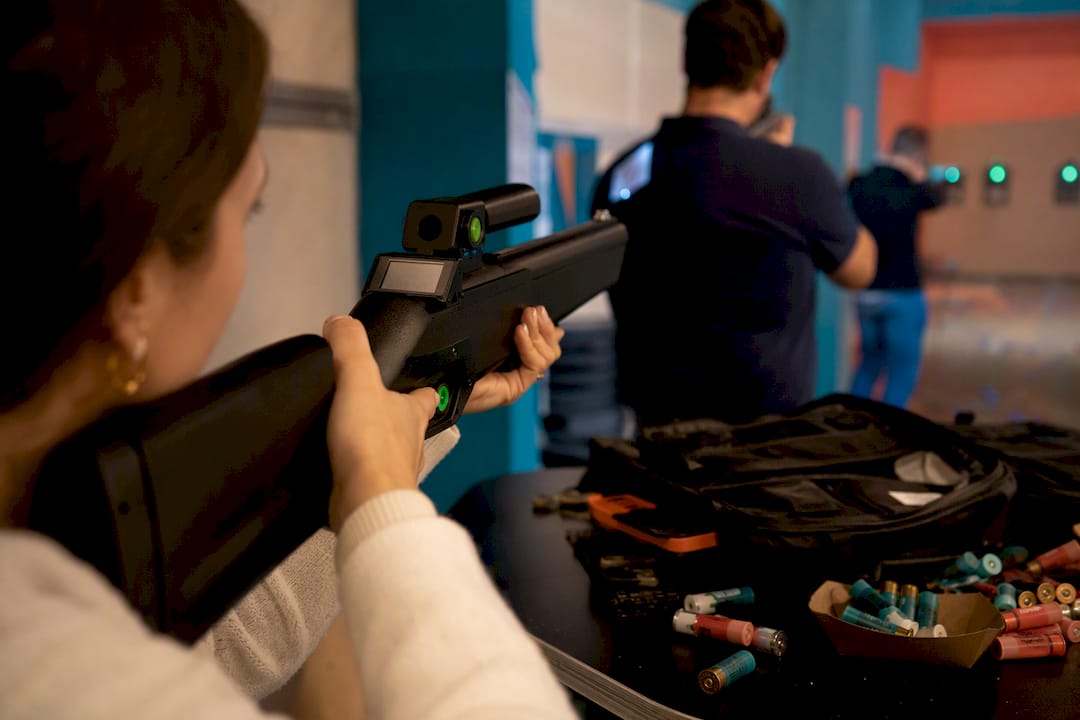
Packages scale from a short meeting-slot session through to a full corporate team-building programme, with formats that suit accessibility accommodations and hybrid-friendly scheduling around the rest of your day. The setup emphasises focus and observation over noise and chaos, which is exactly the tone teams are after when they’ve been searching for quiet alternatives to the usual trust-fall circuit. Read through how a Laser Clay session actually plays out to see session lengths and formats, then get in touch to check dates for your team.
Which format actually gets picked, and why
Selecting the right quiet activity comes down to three questions: how much time do you actually have, how large is the group, and does anyone need an accommodation you haven’t thought of yet. Those three answers eliminate most options immediately. A 15-person team with a 10-minute slot has no business attempting a candle-making workshop, and a group with mixed mobility needs shouldn’t be handed an activity that assumes everyone can stand in a line for 15 minutes without support.
What’s consistently underestimated is how much the debrief matters compared to the activity itself. A silent exercise without a sharp debrief is just an odd five minutes nobody mentions again. The same exercise with two or three pointed questions about who led without speaking, or how the group handled uncertainty, becomes something people reference in meetings weeks later.
A facilitated option like Laser Clay tends to complement rather than replace these smaller exercises. Many teams open an offsite with a five-minute silent micro-game, run a facilitated session as the main event, and close with a short reflective craft activity. The right call between running something yourself and booking a facilitator usually comes down to group size and how much you’re willing to script and enforce personally. Under 15 people and 20 minutes, do it yourself. Beyond that, a facilitator earns their keep.
— Joshua
Sources
- 30 five-minute team-building activities
- Moss art workshops
- The Silent Line-Up: a no-talking team building activity for non-verbal collaboration | Naboo
FAQ
What are some quiet team building activities?
Silent Line-Up, Sneak a Peek, Silent Signals, Silent Building Project and guided creative workshops like moss art or candle making all work without shouting or high energy, ranging from five-minute micro-games to 90-minute workshops.
What are some ideas for a silent line-up activity?
Ask the team to line up by height, birthday month, shoe size or years at the company, using only gestures and no speech, within a strict 10 to 15 minute window.
What are some exciting activities for a team that don’t need to be loud?
A facilitated Laser Clay session delivers focus and competitive energy without noise or chaos, while Sneak a Peek adds genuine tension through timed 10 to 15 second observation windows per person.
What are some non-cringe team building activities?
Activities built on genuine skill or observation, rather than forced sharing or performance, tend to land better: Silent Building Project, blind drawing pairs, and guided craft sessions like beaded branches all work quietly without anyone feeling put on the spot.
How long should a quiet team activity last?
Micro-games run under five minutes, silent exercises like Sneak a Peek or the Silent Line-Up run 10 to 25 minutes, and guided creative workshops typically need 60 to 90 minutes once materials and setup are included.