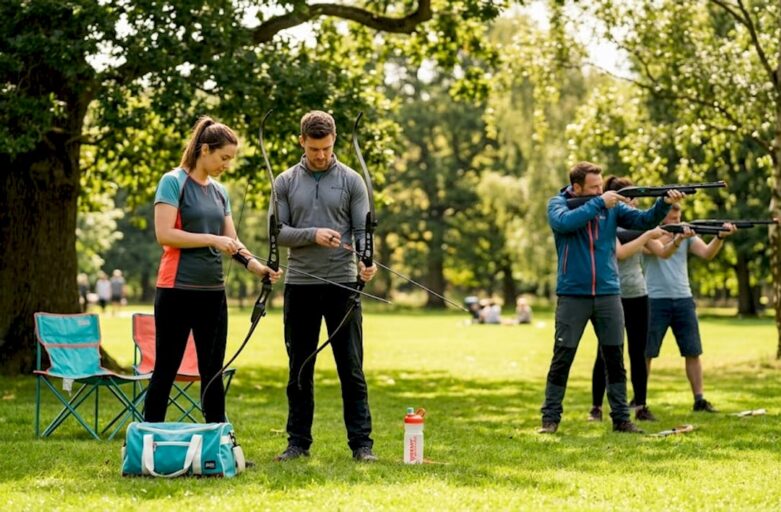
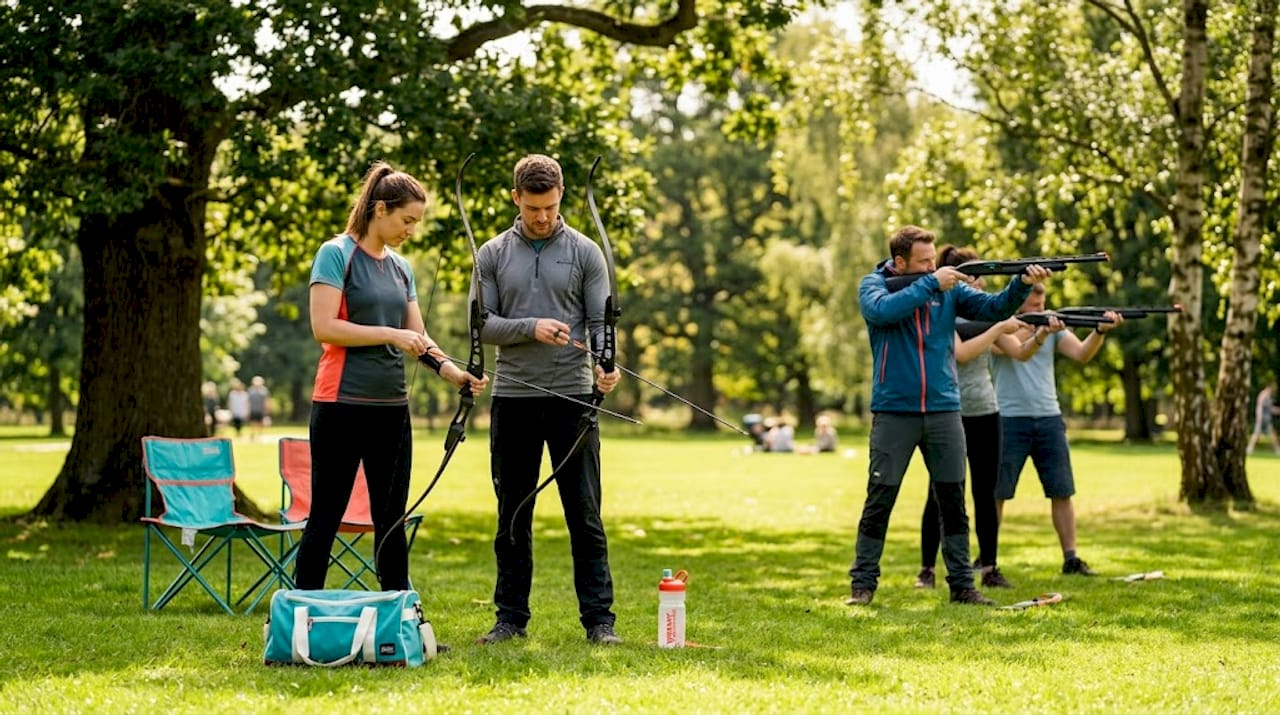
When you are deciding between recreational activities for a group event, a birthday, or just a weekend adventure, laser clay and archery might both appear on your shortlist. Understanding how laser clay compares to archery programmes matters more than most people realise. The two activities feel vaguely similar on the surface: both involve aiming at targets, both require focus, and both deliver a satisfying sense of achievement. But once you understand how each actually works, the differences in energy, skill demand, social dynamics, and logistics become significant enough to determine whether you have a brilliant time or spend the afternoon frustrated.
Table of Contents
- Key takeaways
- How laser clay compares to archery programmes
- Direct comparison across key dimensions
- Technology and feedback: instant versus earned
- Choosing the right activity for your group
- My honest take on which activity wins and when
- Try laser clay for your next group event
- FAQ
Key takeaways
| Point | Details |
|---|---|
| Archery demands extended commitment | Structured archery programmes typically run over multiple weeks with certified instruction and safety training. |
| Laser clay suits mixed groups immediately | Infrared laser technology means no permits, no ammunition, and almost no learning curve for new participants. |
| Physical demands differ considerably | Archery causes isometric upper-body fatigue, while laser clay delivers short, high-energy bursts suited to all fitness levels. |
| Technology drives laser clay’s appeal | Real-time digital scoring and instant feedback keep groups engaged without the patience required for traditional skill sports. |
| Choose based on your goal | Pick archery for individual skill-building over time; choose laser clay for group entertainment and immediate excitement. |
How laser clay compares to archery programmes
Before making any choice, it helps to understand what each activity genuinely involves, not just what it looks like from the outside. Archery is one of humanity’s oldest precision sports. Laser clay shooting is a technology-driven reinvention of clay pigeon shooting, designed for accessibility and group energy. They share the concept of aiming at a target. Beyond that, they are remarkably different experiences.
Archery programmes: structure and what to expect
Structured archery programmes like Olympic Archery in Schools typically operate as multi-day or multi-week formats with mandatory safety training, catering primarily to ages 10 to 18. Certified instructors guide participants through the fundamentals: stance, grip, draw weight, anchor point, and release. Progress is measured across sessions, not within a single afternoon.
The physical side is more demanding than newcomers expect. Archery develops precision through isometric holds in the shoulder, back, and arm muscles. After roughly 50 shots, even reasonably fit participants begin to feel meaningful upper-back and shoulder fatigue. The sport builds strength gradually, but it requires patience and consistency to improve.
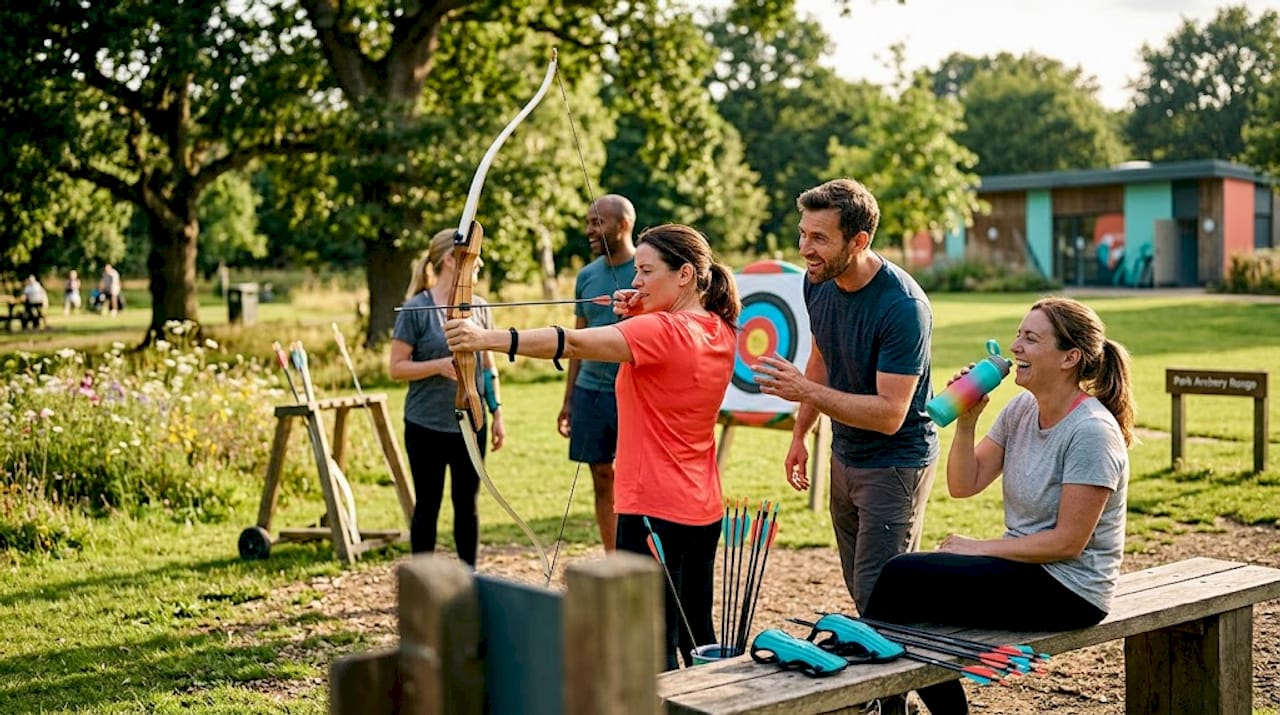
Proper archery ranges also carry specific safety requirements: certified instructors, designated shooting lanes, target sizes appropriate to age and draw weight, and strict line discipline. This is not a criticism. It reflects the seriousness of the sport. But for casual or one-off group events, it does add meaningful organisational overhead.
Key characteristics of archery programmes:
- Multi-week skill progression with formal instruction
- Age-appropriate equipment and structured safety zones
- Emphasis on mental focus, patience, and gradual mastery
- Physical development in upper body through repeated isometric effort
- Suitable for individuals seeking structured personal improvement
Pro Tip: If you are booking archery for a group with no prior experience, set realistic expectations. First-session participants often struggle with consistent release. Factor in that the first hour will be largely instructional.
Laser clay shooting: technology, energy, and group excitement
Laser clay shooting replaces the live shotgun shell with an infrared laser beam fired from a realistic replica shotgun. A clay disc launches into the air, a sensor detects the laser beam if you hit it, and a digital scoring system records your result instantly. The whole system is self-contained and portable, requiring no firearms permits, no secure ammunition storage, and no specialised range infrastructure.
This is where laser clay fundamentally differs from archery. The learning curve compresses dramatically. Most participants are tracking and breaking simulated clays within their first three to five shots. The experience is loud, fast, and celebratory. Groups laugh, compete, and encourage each other almost immediately. There is no quiet line discipline, no extended safety briefing on draw technique, no waiting for skill to develop before the fun begins.
Real-time digital scoring keeps the energy high throughout the session. Everyone can see who is leading, who just had a breakthrough shot, and who is about to be teased for their miss. That social layer is a big part of why laser clay works so well for corporate team building and events.
Key characteristics of laser clay shooting:
- Infrared laser technology with no recoil, noise, or ammunition
- Ready to play competently within minutes of first attempt
- High-energy, social, and immediately entertaining for mixed groups
- Portable setup with no permit requirements or fixed range needed
- Digital scoring visible to all participants in real time
Pro Tip: For corporate or party group bookings, laser clay works best when you split participants into small rotating teams rather than one large group taking turns. Competition between teams accelerates the fun considerably.
Direct comparison across key dimensions
The clearest way to see how laser clay differs from archery is to place the two side by side across the dimensions that matter most when selecting a group activity.
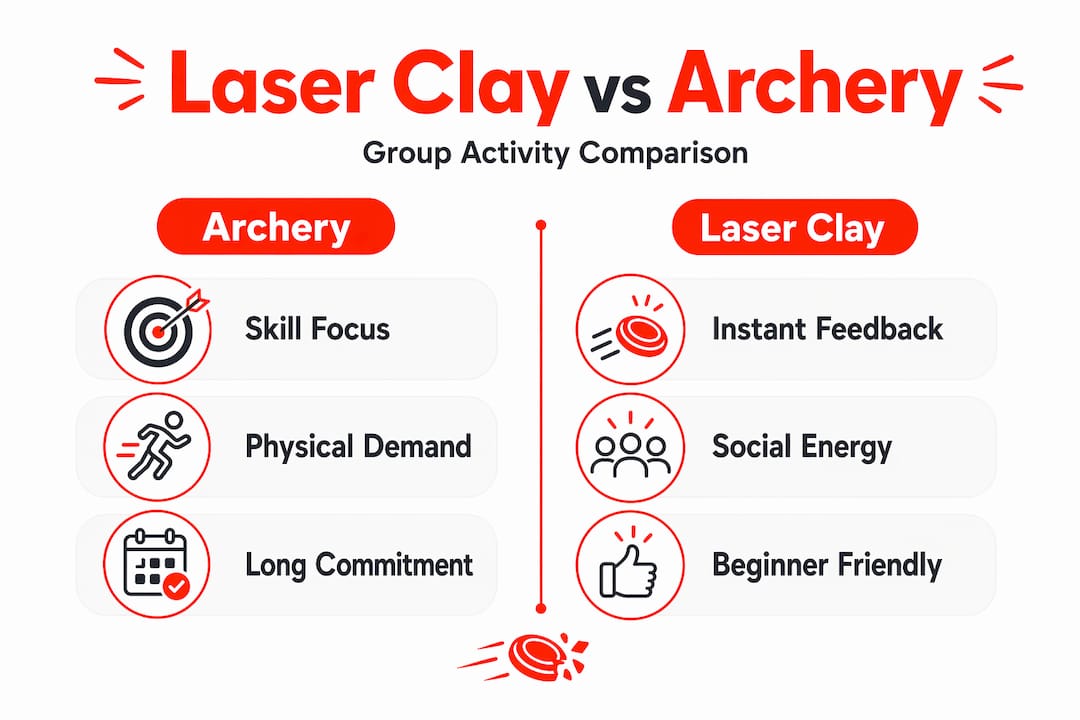
| Dimension | Archery | Laser clay |
|---|---|---|
| Physical demand | Isometric upper-body fatigue after sustained sessions | Short high-intensity bursts, accessible to all fitness levels |
| Mental demand | Precision, patience, and long-term focus | Reaction speed and split-second tracking |
| Learning curve | Weeks to months for meaningful consistency | Minutes to first competent shot |
| Safety infrastructure | Certified instructors, shooting lanes, age-graded equipment | No permits required, minimal safety overhead |
| Social atmosphere | Quiet, individual, meditative | Loud, competitive, group-celebratory |
| Best use case | Individual skill development over time | Corporate events, parties, group entertainment |
| Environmental impact | Minimal with modern equipment | Zero lead, zero ammunition, fully clean |
The physical contrast is worth dwelling on. Archery involves mastering stance, grip, and release leading to isometric fatigue in upper body muscles that builds over a session. Laser clay’s dynamic tracking demands are quite different: short bursts of intense focus followed by laughter and reaction to the result. Neither is harder than the other. They simply stress the body and mind in completely different ways.
When comparing how laser clay compares to axe throwing, there is a similar contrast in social energy. Axe throwing carries a level of perceived danger and required instruction that slows the initial experience. Laser clay bypasses that friction entirely.
Technology and feedback: instant versus earned
One of the defining contrasts between the two activities is how feedback works. In archery, the arrow hits the target and you see the result. But understanding why you missed requires an experienced coach watching your form, or years of personal trial and error. Archery mastery depends on transitioning shot execution from conscious to subconscious control. That is a deeply rewarding process for dedicated practitioners. It is not something that happens in an afternoon.
Laser clay operates differently at the technology level. VR and digital shooting systems provide aim tracing, shot pattern display, and customisable difficulty that supports skill improvement with every single shot. Participants do not need a coach interpreting their form. The system tells them immediately whether they led the clay correctly, and by how much they missed.
“Muscle memory development is key in archery; digital scoring in laser clay offers instant gratification to novices.” This distinction is not incidental. It defines the entire participant experience.
For groups who want motivation and entertainment within a single session, that instant feedback loop is genuinely powerful. For individuals who find deep satisfaction in earned mastery, archery’s slower payoff is the point. Knowing which camp your group falls into is the most important question before booking either activity.
Choosing the right activity for your group
Neither activity is objectively better. They serve genuinely different purposes, and the right choice depends on a few clear factors.
- Group size and mix. Laser clay handles large, mixed-ability groups without friction. Archery programmes work best with smaller cohorts progressing through structured skill levels together.
- Time available. If you have a few hours for a one-off event, laser clay delivers a complete, satisfying experience in that window. Archery genuinely requires multiple sessions before participants feel the reward of improving skill.
- Physical readiness. Beginners to archery often underestimate upper-back fatigue, particularly participants with limited upper body conditioning. Laser clay’s lighter physical demand suits varied participants comfortably.
- Desired atmosphere. If your group wants a calm, focused, meditative experience, archery delivers that. If you want noise, laughter, competition, and immediate shared excitement, laser clay is clearly the better fit.
- Environmental priorities. Laser clay uses infrared technology with no ammunition, making it the greener choice for organisations with sustainability commitments.
Pro Tip: When comparing how laser clay compares to laser tag for indoor corporate events, laser clay consistently wins on physical engagement and perceived prestige. Participants feel like they are doing something genuinely skilful rather than running around a dark room.
My honest take on which activity wins and when
I have watched a lot of groups attempt both archery and laser clay, and the outcome of each session tells you almost everything about whether the right activity was chosen.
Archery’s slow mastery is genuinely rewarding. I have seen participants return week after week, incrementally improving their release, watching their arrow groupings tighten. There is real satisfaction in that. But I have also watched corporate groups spend the first 40 minutes of an archery session looking bored while a coach explains technique. The activity did not suit the group’s goal.
Laser clay, in my experience, almost never produces that awkward energy. Within five minutes, groups are genuinely competing, laughing at misses, and cheering for each other. The technology removes the friction that makes new participants feel inadequate. Nobody feels embarrassed to be a beginner when the scoring is real-time and the gameplay is inherently social.
What most people overlook when choosing between these two activities is the question of group chemistry. Archery suits individuals or small cohorts who share a genuine interest in skill sports and are willing to commit time. Laser clay suits almost any group that simply wants to enjoy a shared physical activity together without needing a reason to care about long-term improvement.
My honest view: if you are organising for a group rather than an individual, laser clay wins almost every time. Not because it is technically superior, but because it meets the group where they are.
— Joshua
Try laser clay for your next group event
Laserclay brings the excitement of clay shooting to groups of all sizes, without the logistics of traditional shooting ranges. Whether you are planning a corporate team building day or a weekend celebration, the experience is designed to be immediately engaging, physically active, and genuinely memorable.
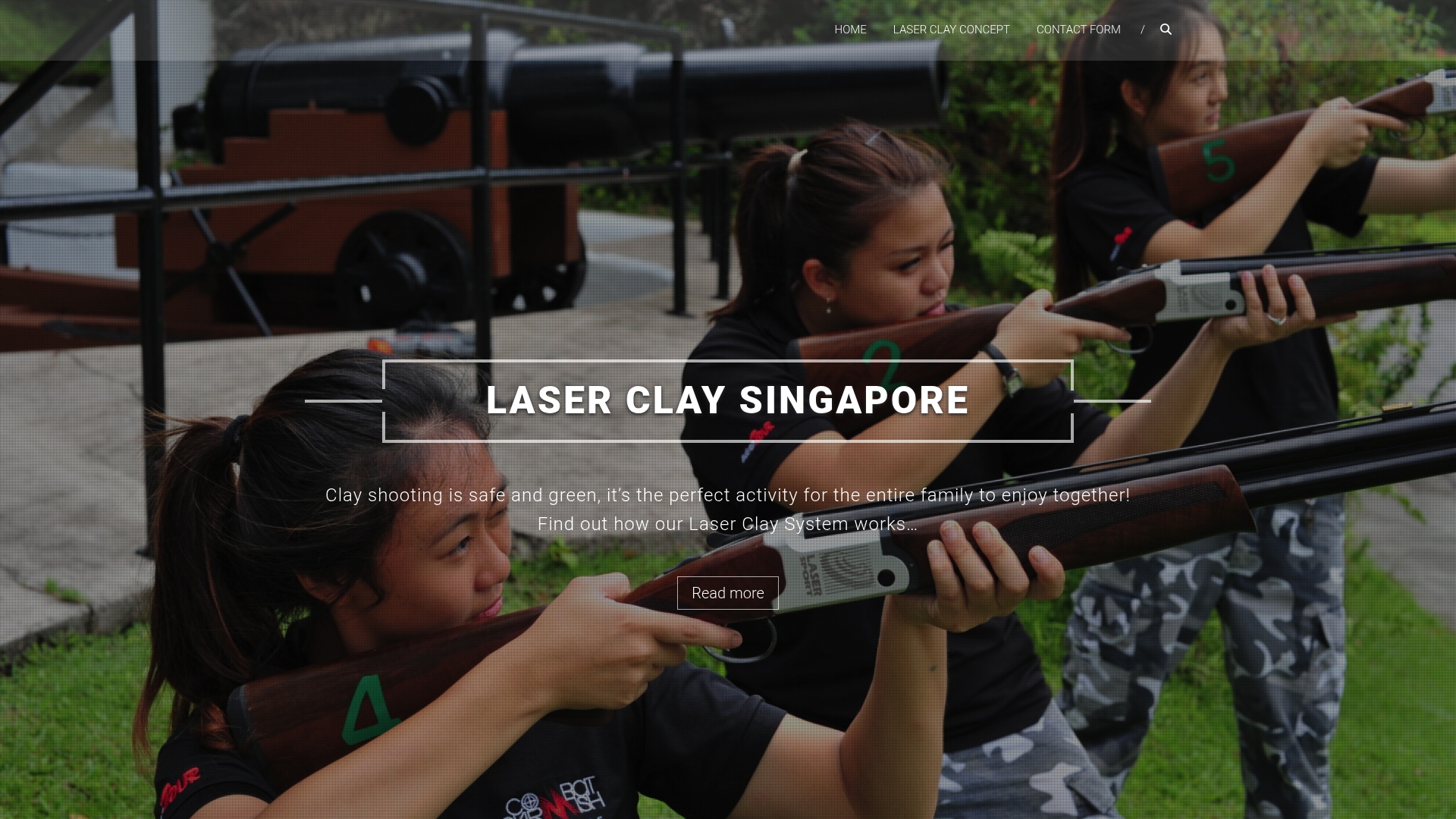
Laserclay’s portable setup means the experience comes to you, with no permits required and no prior shooting experience needed. Every participant, from first-timers to seasoned sports enthusiasts, gets the same immediate thrill. If you are ready to see what the sport looks like in practice, the how to play guide covers everything you need to know before booking. Groups who have tried it once tend to book again. That says more than any comparison table can.
FAQ
What is the main difference between laser clay and archery?
Laser clay uses infrared laser technology for immediate, high-energy group play with no learning curve, while archery requires structured multi-session instruction and builds skill gradually through physical and mental discipline over weeks.
Is laser clay better than archery for corporate events?
For most corporate groups, laser clay is the stronger choice. Its instant feedback, minimal safety overhead, and competitive social atmosphere make it immediately enjoyable for mixed-ability groups without prior experience.
How does laser clay compare to laser tag as a group activity?
Laser clay delivers a more physically engaged, prestige-feeling experience than laser tag. Participants track and shoot moving aerial targets using replica shotguns, which feels considerably more skilful and adult-appropriate than indoor laser tag gameplay.
Does archery require special equipment or facilities?
Yes. Proper archery programmes require certified instructors, designated shooting lanes, age-appropriate draw weights, and specific safety zones. This makes one-off group bookings logistically more complex than activities like laser clay.
Can beginners enjoy laser clay without any prior shooting experience?
Absolutely. Most participants are hitting simulated clays within their first few attempts. The digital scoring system provides instant feedback, and the fast-paced format means there is no extended technical instruction required before the fun begins.