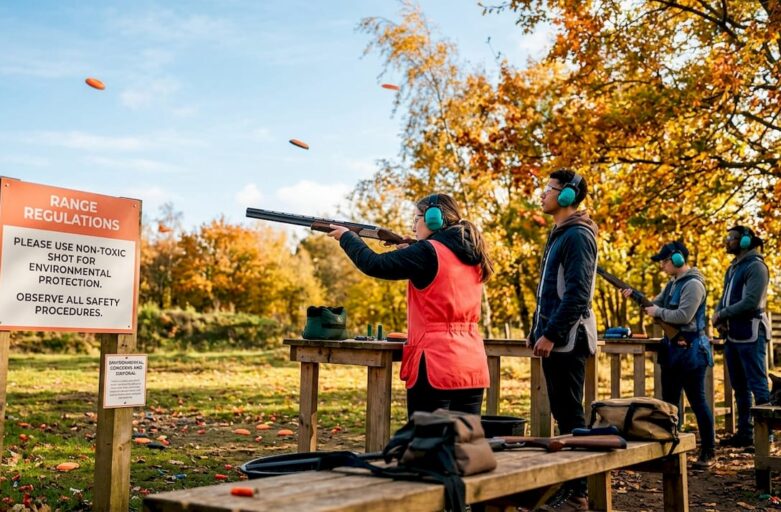
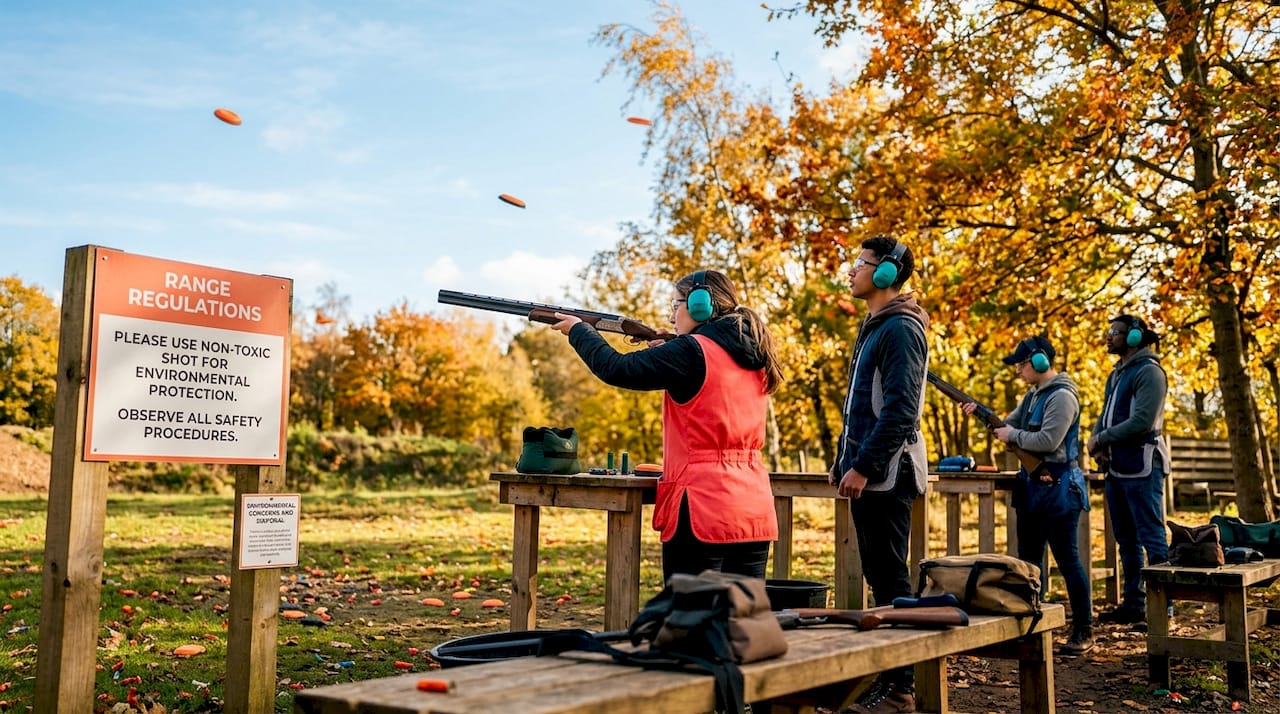
Clay shooting carries three primary environmental concerns: lead contamination from spent ammunition, noise pollution affecting communities and wildlife, and the accumulation of clay target debris across shooting grounds. These issues are not theoretical. Regulators, ecologists, and range operators across the UK are actively grappling with each one. Understanding the common environmental concerns clay shooting generates is the first step toward practising the sport responsibly. This article breaks down each concern, explains the science and regulation behind it, and outlines what sustainable clay shooting practices actually look like in the field.
1. How lead contamination affects clay shooting environments
Lead contamination is the foremost environmental health concern in clay shooting. Spent lead shot accumulates in soil over years of use, fragmenting into microscopic particles that contaminate soil and game meat, posing particular risk to children and pregnant women. Wildlife ingests lead pellets directly or through the food chain, causing both acute poisoning and long-term reproductive damage.
The pathways for lead to enter ecosystems are well documented. Shot falls onto the ground and into water features, where it oxidises and leaches into groundwater. Waterfowl are especially vulnerable. Diving ducks and geese face mortality, immune suppression, and reproductive failure from ingesting lead-contaminated sediment near shooting grounds. Secondary poisoning occurs when predators consume contaminated prey, extending the damage well beyond the range boundary.
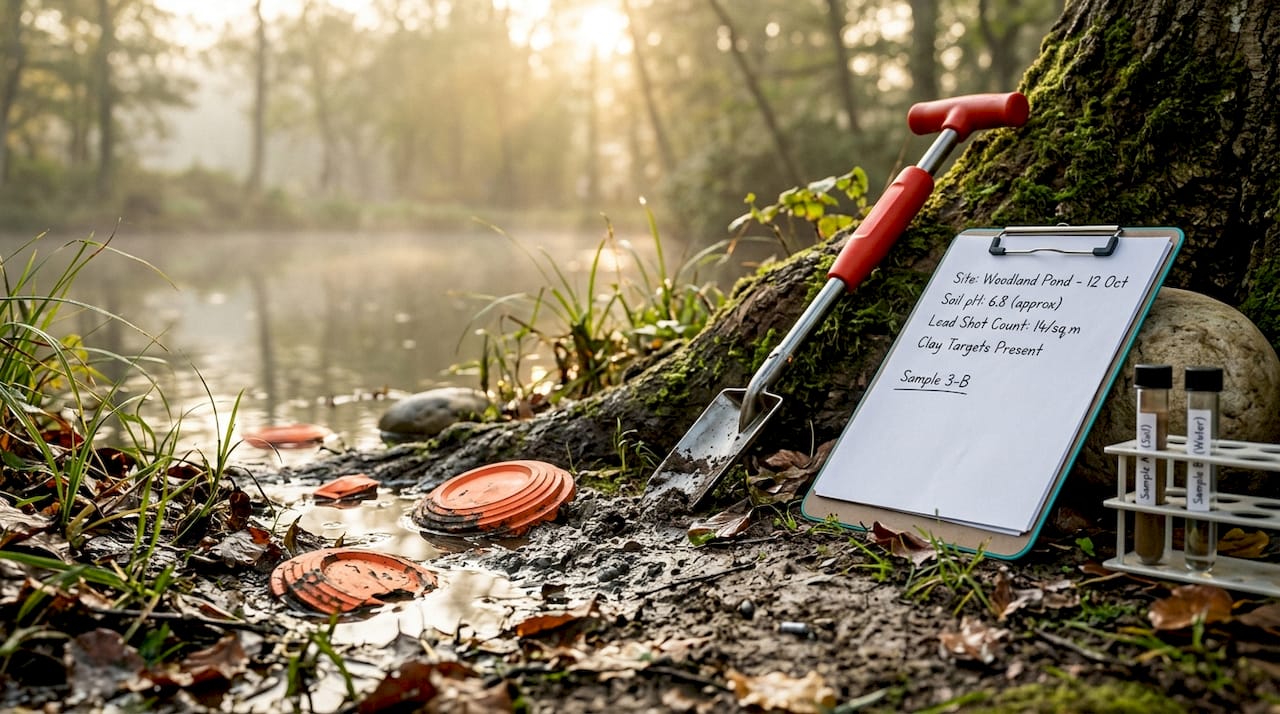
Regulatory pressure is now formalising what responsible operators already knew. From April 2026, UK REACH regulations restrict the use of lead shot containing more than 1% lead by weight at outdoor shooting ranges, with projectiles capped at 3%. Ranges must take reasonably practicable steps to reduce risks to ruminants, wildlife, soil, and water, and submit detailed compliance documentation every three years. Many clubs are discovering that water context documentation alone is more demanding than anticipated, requiring detailed mapping of all water features within the fall zone.
Mitigation at active ranges includes projectile capture systems, bunded storage areas for spent shot, and regular soil monitoring. Legacy contamination at decommissioned sites is a separate and often underestimated problem. Periodic soil testing and remediation are required to manage long-term risks even after shooting has ceased.
Pro Tip: There is no known safe level of lead exposure. If your range is still using traditional lead shot, switching to non-toxic alternatives is the single most impactful step you can take for environmental compliance.
2. Noise pollution from clay shooting ranges
Noise disturbance is the most commonly raised concern by local authorities regarding clay shooting, and it can escalate to statutory nuisance complaints if left unmanaged. A single shotgun discharge peaks at around 150 decibels at the muzzle. Multiply that across a full day of shooting and the cumulative effect on neighbouring properties and wildlife habitats becomes significant.
The ecological impact of noise extends beyond human annoyance. Repeated loud reports disrupt nesting birds, alter animal behaviour patterns, and can cause stress responses in livestock on adjacent land. These effects are harder to quantify than lead contamination but are no less real in terms of regulatory and community relations risk.
Proactive noise management involves several practical measures:
- Range layout design. Position shooting stands so that the direction of fire points away from residential areas and sensitive habitats. Natural topography such as hills and tree lines provides meaningful acoustic shielding.
- Timing controls. Restrict shooting to agreed hours and avoid early mornings, late evenings, and Sundays where community sensitivity is highest.
- Acoustic barriers. Earth bunds and dense vegetation planted along range perimeters reduce noise propagation without significant capital outlay.
- Advance communication. Notify neighbouring landowners and residents before events, particularly competitions involving higher volumes of shooting.
- Monitoring and records. Keep logs of shooting activity and any complaints received. This documentation supports your position if a statutory nuisance claim is ever made.
Noise management is an integral part of environmental compliance, not simply a public relations exercise. Ranges that treat it as a tick-box afterthought tend to generate the complaints that attract regulatory scrutiny.
Pro Tip: Commission an acoustic survey before establishing a new range or expanding an existing one. The upfront cost is far lower than defending a statutory nuisance complaint or retrofitting barriers after complaints have been lodged.
3. Environmental problems from clay target debris
Clay targets are not inert. Most traditional targets contain pitch, a petroleum-derived binder, along with calcium carbonate and other fillers. Clay targets can contain polycyclic aromatic hydrocarbons (PAHs), which are carcinogenic substances that accumulate in soil and leach into groundwater over time. At high-volume ranges, the sheer quantity of broken target material deposited annually creates a meaningful pollution load.
Wildlife ingestion is a direct and documented risk. Birds mistake clay fragments for food, particularly when debris accumulates near water or open ground. The fragments do not digest and can cause internal injury or blockage. Waterfowl and ground-feeding species are most frequently affected.
Key debris-related concerns include:
- PAH accumulation. Broken targets release PAHs into topsoil, particularly in wet conditions. Legacy contamination at decommissioned ranges includes lead, antimony, arsenic, and PAHs, all of which pose long-term environmental risks.
- Slow breakdown. Traditional clay targets do not biodegrade reliably. Fragments persist in the environment for years, continuing to leach compounds throughout that period.
- Aesthetic and land use impact. Heavy debris accumulation degrades the visual quality of the shooting ground and can affect the land’s suitability for agricultural or conservation use.
- Groundwater risk. On permeable soils or near watercourses, PAH leachate from target debris can reach groundwater, triggering contaminated land obligations under UK environmental law.
Biodegradable clay target alternatives are now commercially available. Several manufacturers produce targets using natural binders that break down more reliably in soil. Range rotation, where shooting stands are moved periodically to allow ground recovery, also reduces localised debris accumulation. Regular mechanical collection of broken target material, particularly near water features, is a straightforward operational measure that most ranges can implement immediately.
4. Clay shooting waste management
Clay shooting waste management covers several distinct streams, each with different regulatory implications. The main categories are spent lead shot and contaminated soil, broken clay target debris, packaging and consumables, and construction or demolition materials from range infrastructure.
Lead-contaminated soil and shot residue may be classified as hazardous waste, which triggers specific obligations around storage, transport, and disposal. Laboratory analysis is often required to confirm whether materials meet the threshold for hazardous classification before any maintenance or demolition work begins. Range operators who skip this step risk significant regulatory liability.
| Waste stream | Management approach |
|---|---|
| Spent lead shot | Collect and send to licensed metal recycler; test soil before removal |
| Clay target debris | Mechanical collection; consider biodegradable targets to reduce volume |
| Lead-contaminated soil | Lab test for hazardous classification; use licensed waste contractor |
| Range infrastructure | Sample construction materials before demolition; document disposal chain |
| Packaging and consumables | Standard commercial waste; segregate for recycling where possible |
Sampling protocols matter. A single composite soil sample from across the fall zone is rarely sufficient for regulatory purposes. Regulators expect grid-based sampling that reflects the spatial distribution of contamination, particularly where lead concentrations are likely to vary significantly across the site. Engaging an environmental consultant before undertaking any significant ground works is the most reliable way to avoid compliance failures.
Recycling spent lead shot is both environmentally responsible and commercially sensible. Lead is a valuable metal and licensed recyclers will often collect at no cost or for a modest fee. This removes hazardous material from site while recovering economic value from what would otherwise be a waste liability.
5. Sustainable clay shooting practices that minimise impact
Well-managed clay shooting grounds integrate environmental responsibility into every aspect of operations. The environmental impact of clay shooting depends almost entirely on planning, monitoring, and operational discipline rather than on the sport itself being inherently harmful.
Effective sustainable clay shooting practices include:
- Transition to non-toxic ammunition. Steel, bismuth, and tungsten-based shot are all commercially available alternatives to lead. Some perform differently at range, but the environmental and regulatory case for switching is now overwhelming. Exploring lead-free shooting alternatives is no longer optional for forward-thinking operators.
- Rotational range layouts. Rotating shooting stands across the site prevents the concentration of lead and debris in a single area, giving ground time to recover and reducing localised contamination risk.
- Integrated noise planning. Treat acoustic management as part of the site’s environmental management plan, not as a reactive measure. This includes stand positioning, barrier planting, and agreed shooting schedules.
- Regular monitoring and documentation. Soil testing, noise monitoring, and debris surveys should be scheduled annually at minimum. UK REACH compliance requires documentation every three years, but annual records provide a much stronger evidence base if questions arise.
- Community engagement. Proactive communication with neighbours and local authorities builds goodwill and reduces the likelihood of complaints escalating to formal enforcement action.
- Consider ammunition-free formats. Technologies like laser clay shooting eliminate lead, reduce noise, and produce no debris. For events, corporate days, or introductory sessions, practising without live ammunition removes the environmental equation entirely.
Pro Tip: Document everything. Regulators and local authorities respond far more favourably to operators who can demonstrate a track record of monitoring and improvement than to those who can only offer assurances.
Key takeaways
Sustainable clay shooting requires addressing lead contamination, noise pollution, and debris management together, not as isolated problems.
| Point | Details |
|---|---|
| Lead is the primary risk | Spent shot contaminates soil and water and causes wildlife poisoning through direct and secondary exposure. |
| Noise triggers most complaints | Local authorities cite noise as the most frequent concern; proactive acoustic planning prevents statutory nuisance. |
| Clay debris carries PAHs | Traditional targets release carcinogenic compounds into soil; biodegradable alternatives and debris collection reduce this risk. |
| Waste classification matters | Lead-contaminated soil may require lab testing before disposal; skipping this step creates regulatory liability. |
| Documentation is non-negotiable | UK REACH requires compliance records every three years; annual monitoring builds a stronger evidence base. |
The sport is worth protecting, but only if we protect the ground it stands on
I have spent enough time around shooting grounds to know that most operators genuinely care about the land they use. The problem is not indifference. It is that the cumulative environmental impact of clay shooting is easy to underestimate when you are focused on running a safe, enjoyable day.
The misconception I encounter most often is that lead contamination is a slow, distant problem. It is not. At a busy range, lead accumulates in the fall zone at a rate that becomes measurable within a single season. The soil does not reset between events. Neither does the groundwater risk.
What I find genuinely encouraging is that the regulatory pressure from UK REACH is forcing conversations that should have happened earlier. Clubs that previously dismissed non-toxic ammunition as unnecessary are now doing the maths and realising the transition is more straightforward than feared. The same applies to noise. Ranges that invested in acoustic planning five years ago are not the ones fielding complaints today.
The most durable lesson from working in this space is that environmental stewardship and a thriving shooting ground are not in conflict. The ranges that will still be operating in twenty years are the ones treating sustainability as an operational standard, not a concession to outside pressure.
— Joshua
Try laser clay shooting: zero lead, zero noise, zero compromise

Laserclay offers a clay shooting experience that removes every environmental concern discussed in this article. No lead shot, no noise complaints, no debris accumulating in the fall zone. Using advanced laser technology, Laserclay replicates the skill and excitement of traditional clay shooting without any of the ecological trade-offs. It is the format of choice for corporate events, team-building days, and group celebrations where environmental responsibility matters as much as the experience itself. If you are ready to play laser clay in Singapore or want to understand why ammunition-free shooting is growing in 2026, Laserclay is the place to start.
FAQ
What are the main environmental concerns in clay shooting?
The three primary concerns are lead contamination from spent ammunition, noise pollution affecting local communities and wildlife, and the accumulation of clay target debris containing PAHs. Each requires active management to keep a shooting ground compliant and ecologically responsible.
Is lead shot still legal at UK clay shooting ranges?
From April 2026, UK REACH regulations restrict lead shot to no more than 1% lead by weight at outdoor ranges. Ranges must document risk mitigation measures and submit compliance reports every three years, making a full transition to non-toxic alternatives the most straightforward path forward.
How do clay targets harm the environment?
Traditional clay targets contain pitch binders that release polycyclic aromatic hydrocarbons into soil as they break down. These compounds are carcinogenic, accumulate over time, and can leach into groundwater, particularly on permeable soils near watercourses.
What is the most sustainable approach to clay shooting?
Switching to non-toxic ammunition, rotating shooting stands to prevent localised contamination, managing noise proactively, and collecting debris regularly are the core measures. Laser clay shooting formats eliminate lead, noise, and debris entirely and represent the most complete solution currently available.
Do shooting ranges have to test soil for lead contamination?
Yes, particularly before any ground works, maintenance, or demolition. Lead-contaminated soil may be classified as hazardous waste under UK regulations, requiring laboratory analysis before removal or disposal to avoid regulatory liability.