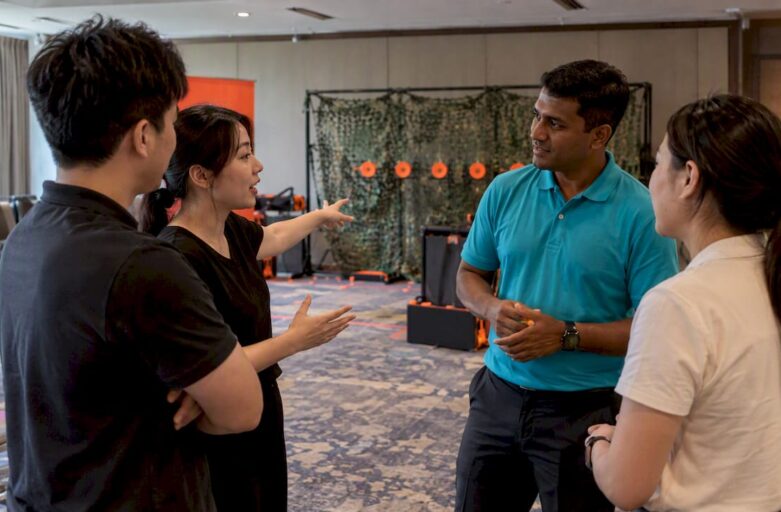
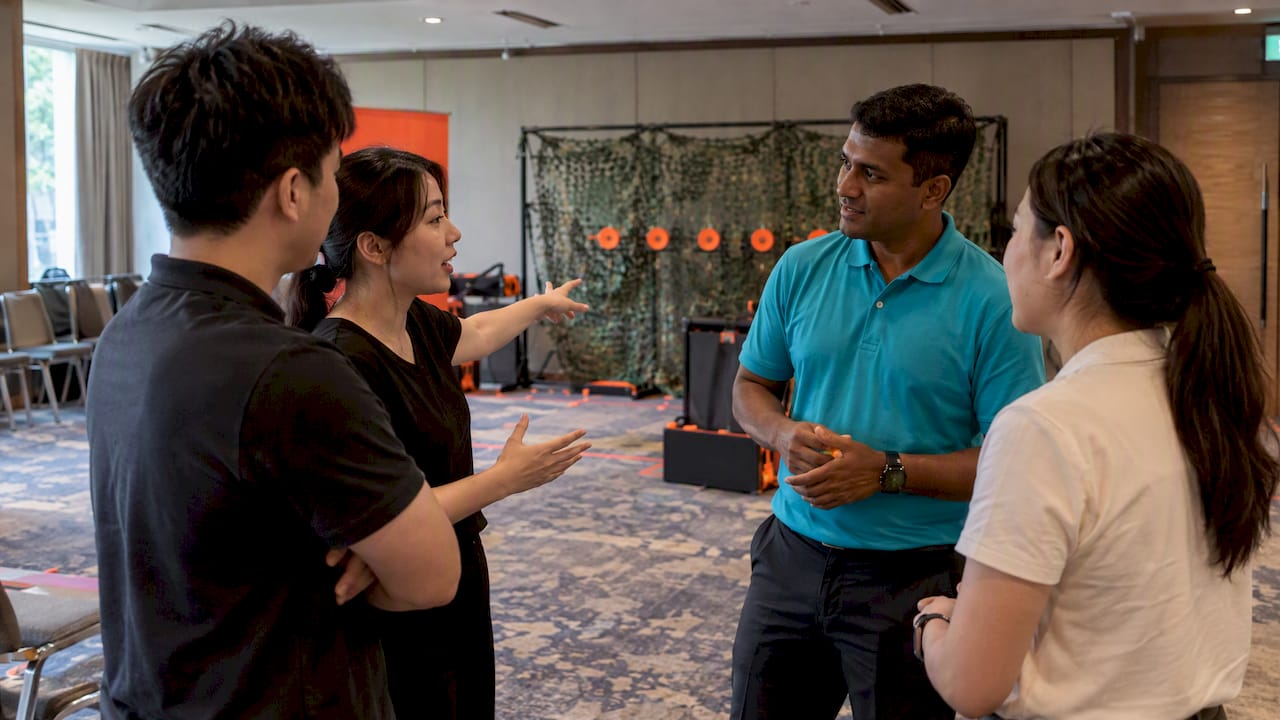
The strongest approach for Singapore corporate teams blends quick energisers, collaborative problem-solving challenges, hybrid-friendly rounds and dedicated virtual formats, chosen to match group size and objective. Facilitation and a short debrief turn a fun five minutes into something that actually builds trust and communication. For an in-person option with built-in facilitation, scoring and an eco-conscious setup, Laser Clay is a Singapore-based choice worth shortlisting.
TL;DR:
- Choose games by outcome and constraints: trust calls for collaborative tasks, low energy suits quick check ins, while venue space and language fluency shape the format.
- For hybrid sessions, alternate who speaks first between remote and in room participants; use polls or shared whiteboards, and timebox breakout rounds to keep participation balanced.
- Singapore organizers should assess event hazards with relevant personnel, including HR and workplace safety officers, then check venue layout, equipment, staffing, insurance, and weather contingencies.
- The Corporate Laser Clay Package costs SGD 69 per person as a single fee and includes facilitation, equipment, and scoring for indoor or outdoor sessions.
Table of Contents
- 1. Recommended icebreaker games by setting
- 2. Key considerations when choosing an icebreaker for Singapore teams
- 3. Running the session: logistics, safety and facilitation checklist
- 4. Virtual and hybrid adaptations for distributed teams
- 5. Why facilitation and eco-conscious choices matter for Singapore planners
- How Laser Clay delivers a facilitated corporate icebreaker
- FAQ
- Sources
1. Recommended icebreaker games by setting
The right game depends on where your team is sitting, how much time you have and what you want people to walk away feeling. We have grouped the strongest options by setting so you can scan and pick.
In-person, small groups (under 15 people)
- Two Truths and a Lie, team edition: pairs share two true facts and one invented one about a recent project; builds rapport with zero setup. Debrief prompt: “What surprised you about a colleague today?”
- Human Knot: groups link hands and untangle themselves without letting go; builds collaborative problem-solving and needs open floor space. Debrief prompt: “Who took the lead, and how did that feel?”
- Desert Island Priorities: small teams rank items they would take to a desert island, forcing quick negotiation; good for surfacing decision-making styles.
- Speed Networking Rounds: paired conversations on rotating prompts, drawing on icebreaker guidance for teams, which says structured networking activities can reduce social anxiety and accelerate rapport. Match the activity to your desired outcome, such as trust or communication.
In-person, large groups
- Laser Clay scoring rounds: a facilitated, team-based shooting challenge with real-time electronic scoreboards; energises large groups fast and works indoors or outdoors.
- Giant Bingo Icebreaker: participants mingle to find colleagues matching bingo square traits; can accommodate large groups with minimal setup.
- Silent Line-Up: the whole group lines up by birthday, height or tenure without speaking; a quick energiser that needs no materials and works for any headcount.
- Office Trivia Relay: teams race through company-trivia stations; builds light competition and works well before a large all-hands.
Hybrid-friendly (room plus remote participants)
- Shared Slide Icebreaker: everyone, in-room and remote, adds one word or image to a live shared slide; keeps airtime equal across locations.
- Rotating Question Chat: a facilitator poses a question and alternates between calling on remote and in-room participants to avoid the room dominating.
- Virtual Scavenger Hunt Hybrid: remote staff find an item at their desk while in-room staff find one nearby; everyone shows their object on camera at once.
Virtual-only
- Emoji Check-In: participants post an emoji describing their week in the chat; works for calls of varying sizes.
- Breakout Room Pictionary: small breakout groups sketch on a shared whiteboard tool while others guess; needs a platform with breakout and whiteboard features.
- This or That Polls: quickfire poll questions run through built-in meeting software polls to energise a call.
Pro Tip: Pair every game with a brief debrief question tied to the outcome you want, such as trust, communication or energy, so the activity is remembered as more than a game.
2. Key considerations when choosing an icebreaker for Singapore teams
Start with the outcome you want. A trust-building session calls for a collaborative challenge like the Human Knot; a flagging afternoon calls for a fast energiser like Emoji Check-In; creative problem-solving benefits from something closer to an escape room format, which a Singapore case study found can improve knowledge and engagement when paired with skilled facilitation, as shown in research on ESG education formats.
Then weigh the practical constraints:
- Group size and venue space determine whether a game like Human Knot (needs open floor) or Silent Line-Up (needs almost none) fits.
- Time available rules games in or out fast; a short coffee break suits Emoji Check-In better than a scavenger hunt.
- Cultural and inclusivity factors matter in Singapore’s multicultural teams; avoid games that assume shared cultural references or fluent English banter.
- Age range and accessibility should be checked against physical activities; check the activity’s age suitability, which matters for mixed corporate-family events.
- Budget and facilitation needs should guide whether you run it yourself or hire a facilitator; self-run suits quick energisers, while hiring facilitation is worth it for larger groups or when you need the session to produce a measurable shift in team dynamics.
3. Running the session: logistics, safety and facilitation checklist
Singapore corporate events benefit from a formal risk assessment involving relevant personnel such as HR and Workplace Safety and Health officers. Consult guidance referenced by HR practitioners and assess hazards for the event. Event organisers are expected to identify hazards and manage environmental risks such as condensation from Singapore’s humidity, under published Workplace Safety and Health guidelines.
- Confirm venue permissions and layout, checking spacing against expected headcount.
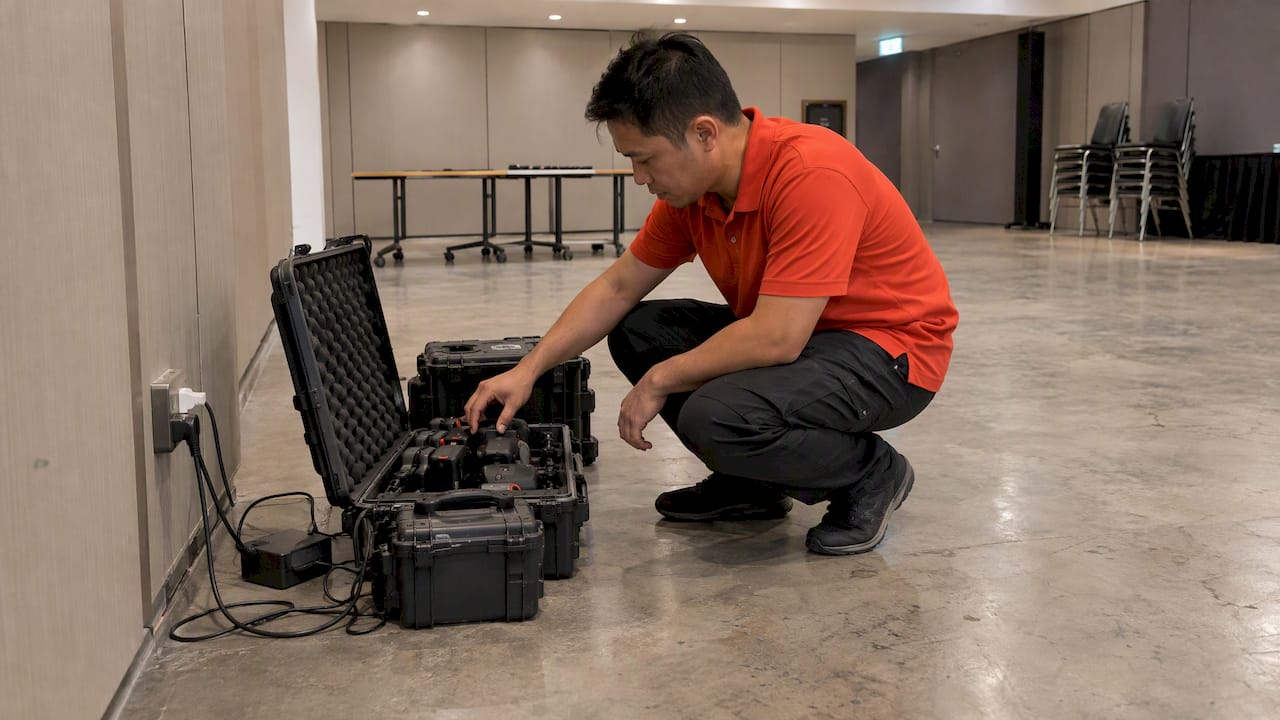
- Check equipment power and battery readiness ahead of time to avoid mid-session stalls.
- Set staffing ratios, with a marshal or facilitator assigned per group of participants.
- Confirm insurance coverage for the activity and venue.
- Plan a weather or space contingency for outdoor sessions.
A facilitator’s job spans three phases: setup checks, running the live activity with clear instructions, and a structured debrief. Two useful debrief prompts: “What made it easier or harder to speak up during that activity?” and “What is one thing you will try differently with this team next week?”
Pro Tip: Book your facilitator and equipment checks ahead of the event, so any power or layout issue can be addressed in time.
4. Virtual and hybrid adaptations for distributed teams
Running icebreakers well on video calls means using breakout rooms, timeboxing each round to a few minutes, and leaning on built-in polls rather than separate tools. For hybrid sessions, actively rotate who speaks first between the room and remote participants, since in-room energy otherwise drowns out remote voices.
- Emoji Check-In: post one emoji in chat describing your week; takes little time.
- Breakout Room Pictionary: small groups sketch on a shared whiteboard while others guess.
- This or That Polls: run quickfire poll questions through the meeting platform’s native tools.
- Virtual Scavenger Hunt: everyone finds an item at their desk and shows it on camera together.
- Rotating Spotlight Questions: the facilitator calls on remote and in-room participants for each question to keep airtime even.
Hybrid sessions fail most often when remote participants become spectators; fix this by giving remote voices the first turn in every round, not the last.
5. Why facilitation and eco-conscious choices matter for Singapore planners
Singapore’s busy events calendar means teams see plenty of generic team-building days, and the ones people remember are facilitated well, rather than being fun for only a short time. Choosing reusable, eco-friendly equipment over disposable set-ups is a small decision that signals the kind of care that should carry into the debrief too. Treat a facilitated icebreaker as an investment in team dynamics, not a box-ticking exercise.
— Joshua
How Laser Clay delivers a facilitated corporate icebreaker
We run the Corporate Laser Clay Package as a facilitated, scoring-based icebreaker built for Singapore teams who want something more memorable than a generic energiser.
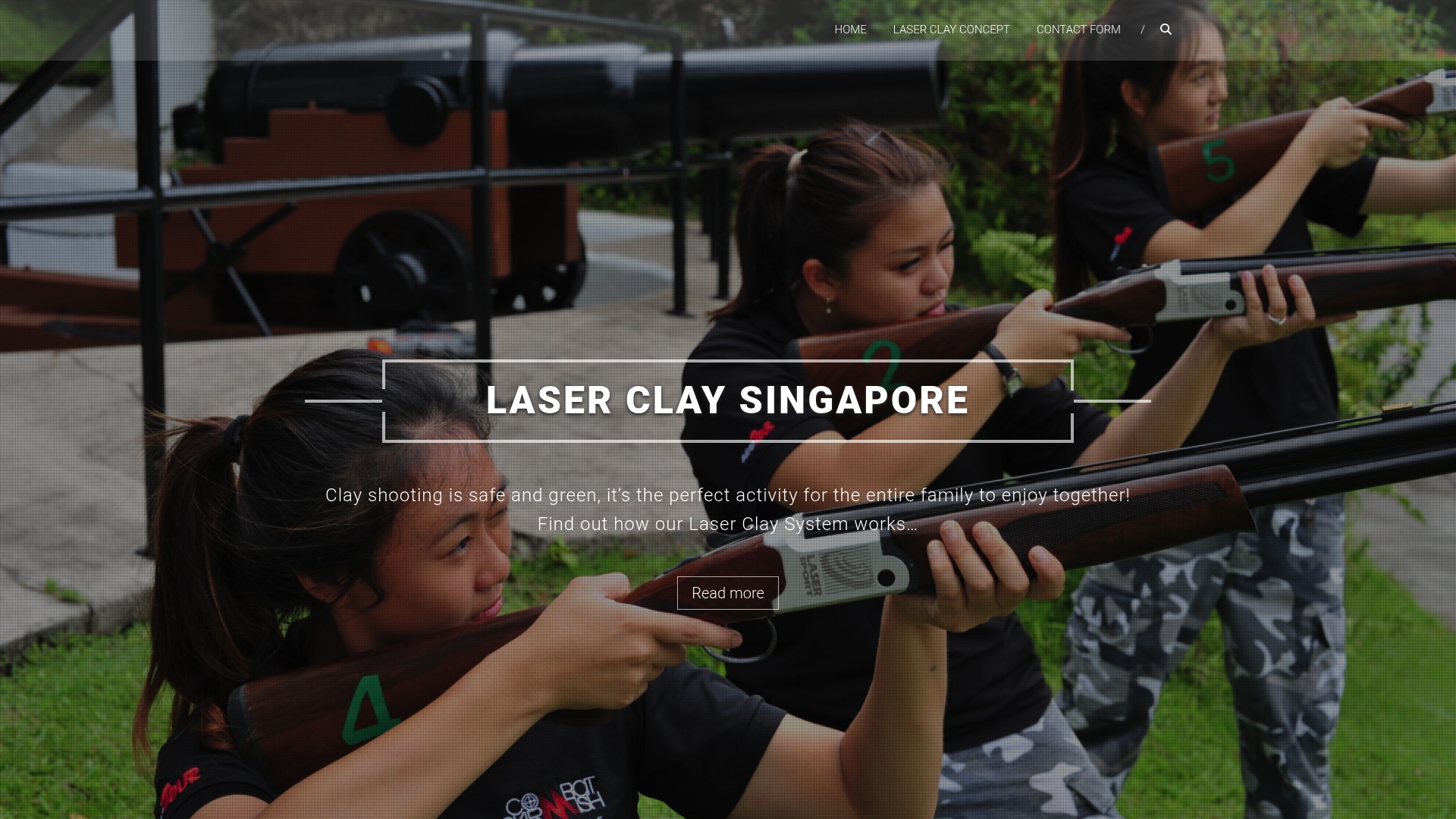
- Facilitators manage setup, safety briefing and the live run, so your team can focus on playing.
- Customisable game formats and real-time electronic scoreboards turn the session into friendly, trackable competition.
- Reusable, eco-friendly clay targets and sound-simulated shotguns can be used indoors or outdoors.
- Suits energising kick-offs, department bonding days and collaborative scoring-based formats for groups of varying sizes.
The Corporate Laser Clay Package is priced at 69 SGD one-off per person. Get in touch through our contact page to check availability and get a quote for your next team event.
FAQ
What group size works best for corporate icebreakers in Singapore?
Icebreaker games can suit groups of different sizes, depending on the format; small-group games like Human Knot suit smaller groups, while energisers like Silent Line-Up or a facilitated Laser Clay session can handle much larger groups. Match the game to your headcount before your venue, since space constraints often decide the choice.
How long should a corporate icebreaker session run?
A quick energiser can be brief, while a facilitated activity with a proper debrief needs more time. The right duration depends on the activity and the team’s goals. Build in time for the debrief itself, since that is where the lasting value sits.
Can icebreakers work well for fully remote teams?
Yes, formats like Emoji Check-In, Breakout Room Pictionary and rotating spotlight questions work well on standard video platforms with breakout rooms and polls. The key adjustment is timeboxing each round tightly and deliberately rotating who speaks first.
What safety steps should we take for an in-person event?
Singapore event organisers should assess event hazards and involve relevant personnel, including HR and Workplace Safety and Health officers, as appropriate. Consult tripartite advisory guidance for workplace mental well-being guidance. A facilitator should also check equipment, layout and staffing ratios before the session starts.
How much does a facilitated Laser Clay icebreaker cost?
The Corporate Laser Clay Package is priced at 69 SGD one-off per person, covering facilitation, equipment and scoring. For standalone equipment hire, System Rental is available from 500 to 800 SGD per hour.