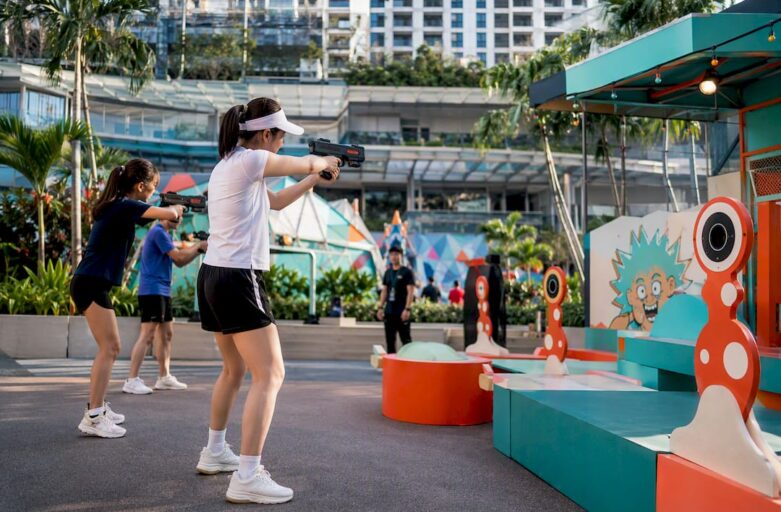
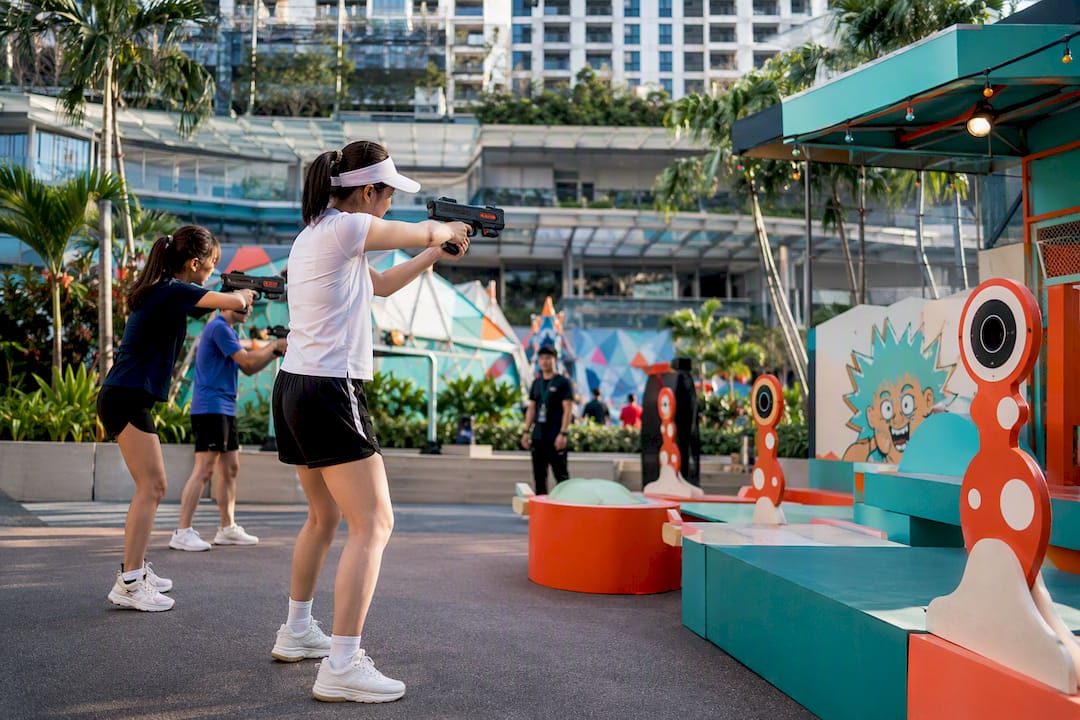
Short, immersive activations win in Singapore malls. Pop-up experiences, gamified skill stations and product trial zones running for 3 to 10 days produce the urgency and measurable engagement that longer, static setups rarely match, according to experiential marketing data from Right-Space. Anchor your pitch around that duration window, PDPA compliance for any data capture, and a proven local format like Laser Clay’s gamified shooting stations.
Before you brief anyone, nail down four things:
- Your primary objective: awareness, trial, or data capture
- The audience segment the mall actually attracts
- Which mall typology fits (family, youth, luxury, heartland)
- One target KPI you’ll use to judge success
Pro Tip: Write your one target KPI on the brief before you touch the concept. Planners who pick the metric first end up with tighter, cheaper activations than those who choose a flashy idea and retrofit the measurement afterwards.
Key Takeaways
Effective Singapore mall activations pair a short 3 to 10 day run with one clear engagement mechanic, simple PDPA-compliant data capture, and a facilitated format like Laser Clay to reduce build risk.
| Point | Details |
|---|---|
| Duration matters most | Run activations for 3 to 10 days to create urgency and gather clean engagement data. |
| Pick one KPI first | Choose dwell time, leads, or conversion before selecting the format, not after. |
| Venue checklist is non-negotiable | Confirm power, Wi-Fi, rigging points and insurance with centre management before contracting. |
| Tech should support, not dominate | Use QR check-ins and light gamification; avoid queue-causing AR setups. |
| Laser Clay reduces build risk | Facilitated, eco-friendly gamified shooting stations need no custom rigging or live-fire safety plan. |
Table of Contents
- Mall activation ideas Singapore marketers keep coming back to
- How to choose the right activation format for your objective
- Choosing the right mall and space in Singapore
- Timing, duration and budget for a Singapore mall activation
- Using technology without drowning out the experience
- KPIs and how to actually measure them
- Why Laser Clay works as a mall activation format
- Sustainability and the operational checklist you need before build day
- Legal and regulatory compliance for Singapore mall activations
- Contingency planning for mall activations
- Marketing your activation before it opens
- Engaging Singapore’s genuinely mixed mall audiences
- Following up after the activation ends
- Planner perspective: lessons from Singapore mall activations
- How Laser Clay can help you plan the activation
- Sources
- FAQ
Mall activation ideas Singapore marketers keep coming back to
Singapore shopping centres have become experiential hubs in their own right, with hands-on installations and immersive storytelling driving dwell time and shareable moments. The ten formats below cover most briefs you’ll face, from a tight $15,000 trial station to a six-figure mall-wide takeover.
1. Photowalls and Instagram zones. Oversized, photogenic sets built around a seasonal theme or local landmark. Best for pure awareness and organic social reach. Budget: low, typically the cheapest format on this list because the build is static and staffing is minimal.
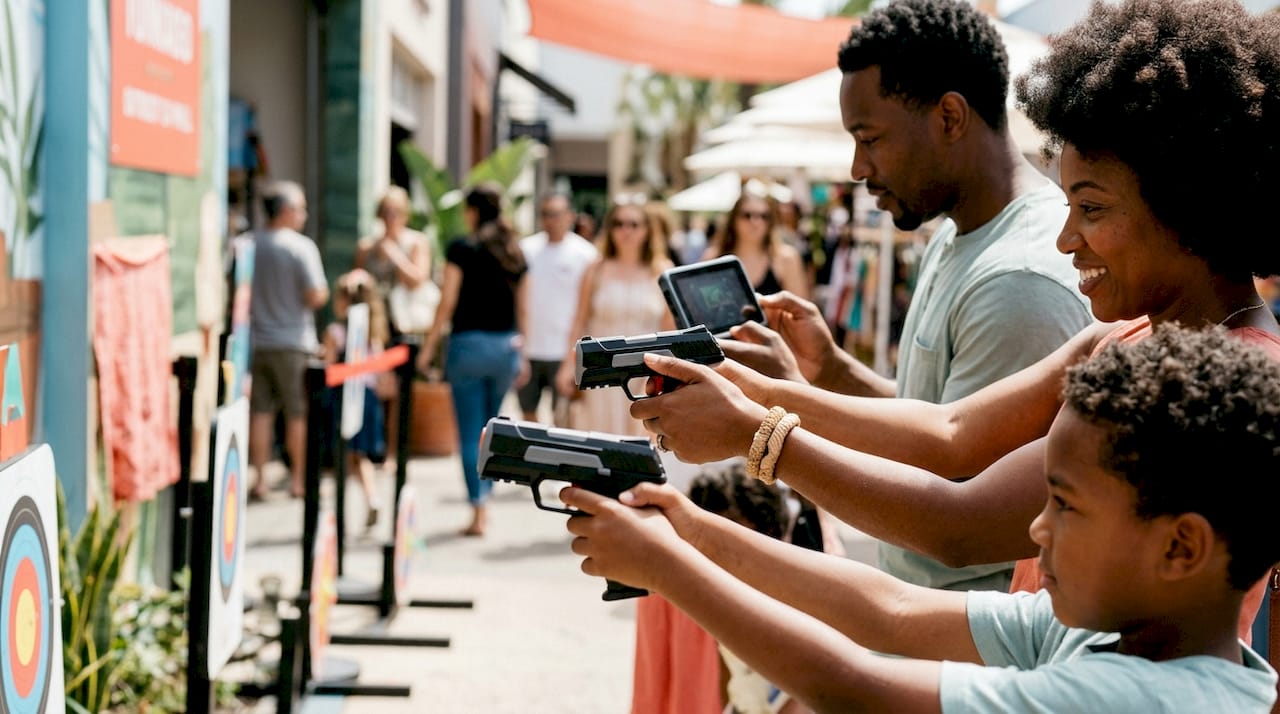
2. Gamified skill stations. Ring toss, target games, or reflex challenges tied to a prize tier. Works well for family malls and suburban catchments where dwell time matters more than luxury positioning. Mid budget, scales with prize value.
3. Pop-up experiential rooms. A themed, enclosed environment (a “world” built around a product launch or brand story). Suits atrium spaces in larger malls and works hardest for brand awareness plus a strong photo moment. Higher budget due to build complexity.
4. In-mall product trial stations. Sampling, demos, or try-before-you-buy setups placed near the actual point of sale. Well-executed in-store activations can lift category conversion substantially, making this the format to pitch when the objective is hard sales, not just impressions.
5. AR scavenger hunts. Mobile-led hunts across multiple mall zones, unlocking rewards at each stop. Strong fit for youth-skewing malls with reliable Wi-Fi coverage. Mid to high budget depending on the AR build.
6. Workshops and masterclasses. Ticketed or walk-in sessions (cooking, craft, skincare) that build genuine dwell time and warm leads. Best suited to lifestyle and beauty brands in mid-tier malls. Low to mid budget, largely facilitator cost.
7. Sampling roadshows. A travelling activation that rotates across multiple mall locations over several weeks. Good for FMCG and food brands chasing broad reach rather than a single big moment.
8. Prize quests and stamp rallies. Visitors collect stamps across participating stores to redeem a reward. CapitaLand has run multi-week themed drops using exactly this mechanic, pairing rotating themes with app-unlocked shopper rewards to sustain footfall well beyond a typical activation window.
9. App-led reward campaigns. Digital check-ins through the mall’s own app, unlocking vouchers or perks. Fits malls with an established loyalty app and a marketing team willing to co-promote.
10. Community or heritage tie-ins. Activations built around local history, hawker culture, or neighbourhood identity. This is where hyper-local storytelling blended with sustainable, modular builds tends to outperform generic international campaigns, particularly in heartland malls where residents expect to see their own neighbourhood reflected back at them.
The 3 to 10 day rule: Every one of these formats performs better on a short, defined run. It creates a “catch it before it’s gone” pressure that a month-long installation never generates, and it gives you a clean before/after window to measure footfall and conversion against.
Gamified shooting formats like Laser Clay slot naturally into the skill-station and workshop categories, particularly for corporate-sponsored family days or CSR-linked mall events, which the Laser Clay Singapore page details further.
How to choose the right activation format for your objective
Match format to goal before you fall in love with a concept. Run through this checklist:
- Define the single objective: awareness, trial, lead capture, or direct sales.
- Profile the audience the mall actually delivers, not the audience you wish it delivered.
- Decide the call to action: follow a social account, scan a QR code, sign up, or buy on the spot.
- Set the measurement plan before the build starts, not after.
- Check the footprint and accessibility, including wheelchair access and stroller space.
Pro Tip: Pick one primary KPI, whether that’s dwell time uplift or qualified leads, and design the entire mechanic around moving that single number. Activations chasing five KPIs at once tend to move none of them convincingly.
Choosing the right mall and space in Singapore
Shortlist venues against hard criteria, not gut feel:
- Footfall patterns and heat maps for the specific atrium or corridor you want.
- Audience demographics against your target segment.
- Visibility: an atrium activation gets far more incidental traffic than a side corridor.
- The mall’s events calendar, so you’re not competing with a bigger campaign the same week.
- Technical infrastructure already in place.
Confirm with centre management before contracting: power capacity for your build, Wi-Fi bandwidth if the activation is app-led, ceiling rigging points, public liability insurance requirements, and the permitted move-in and move-out windows.
Negotiate off-peak weekday discounts, design a modular build that strikes down fast to cut labour costs, and ask whether the mall will swap promotional space on its own channels in exchange for content rights to your activation.
Timing, duration and budget for a Singapore mall activation
Stick to a short duration window recommended by Right-Space. Short runs create urgency, keep staffing costs contained, and give you room to tweak the mechanic if week one underperforms.
Book mall approval at least six to eight weeks out for a straightforward pop-up, longer for atrium takeovers requiring structural sign-off. Keep the build and strike windows tight; modular, reusable elements and shared facilitator rosters across weekday shifts cut cost without cutting quality.
Using technology without drowning out the experience
Technology should support the interaction, not replace it. QR check-ins, live leaderboards and light AR photo filters tied to a reward all work because they give people a reason to linger, not a reason to queue.
- Use: QR-led scavenger hunts, app-linked rewards, simple leaderboards.
- Avoid: over-engineered AR that causes bottlenecks and long queues at a single station.
- Capture only the data you genuinely need under PDPA, with a clear consent prompt at the point of sign-up.
Pro Tip: Always have a paper or offline fallback for sign-ups. Mall Wi-Fi drops more often than vendors admit, and a stalled QR scanner during your busiest hour is an entirely avoidable failure.
KPIs and how to actually measure them
Track footfall uplift, dwell time, trial-to-purchase conversion, leads captured, and social reach or earned media. In-store activations executed well can lift category conversion by a meaningful margin, which is the benchmark worth chasing if sales is your primary KPI.
Use heat maps or footfall counters, simple QR sign-up forms, point-of-sale uplift tracking, and hashtag monitoring for social reach. Close the loop with a follow-up email or SMS within 48 hours, while the interaction is still fresh.
Why Laser Clay works as a mall activation format
Laser Clay brings eco-friendly reusable targets, real-time electronic scoring and trained facilitators to a format most mallgoers have never tried indoors. That combination of novelty, safety and sustainability lines up well with CSR-conscious corporate sponsors and family-friendly mall programming alike.
- No lead ammunition, no environmental waste, no live-fire safety risk.
- Electronic scoreboards give an instant, shareable leaderboard moment.
- Facilitators handle setup, safety briefing and gameplay, so mall staff aren’t managing the activation themselves.
A short, facilitated skill-station format with a live scoreboard gives visitors a reason to stop, compete, and share, exactly the mechanic that drives repeat footfall during a limited run.
Confirm public liability insurance, facilitator headcount, and floor footprint early. The team building venues page covers space and staffing requirements planners typically ask about first.
Sustainability and the operational checklist you need before build day
Modular, reusable builds are no longer a nice-to-have for mall activations; they cut cost, reduce waste, and speed up strike time, all of which matter when your run is only 3 to 10 days long. A set that can be reconfigured for the next mall booking saves both storage and fresh fabrication spend.
Before build day, confirm this checklist with centre management:
- Permits. Most malls require an activation permit filed weeks ahead, covering the specific dates, footprint, and any structural changes to common areas.
- Power. Confirm rated capacity for your build, not just the number of sockets. AR stations, sound systems, and lighting rigs draw more than a single trial table.
- Internet. If any part of the mechanic is app-led or QR-based, get the mall’s Wi-Fi bandwidth confirmed in writing, and build in an offline fallback regardless.
- PDPA compliance. Capture only the fields you need for the stated purpose, display a clear consent notice at the point of sign-up, and store the data securely with a defined retention period. Malls increasingly ask for a written data-handling summary before approving lead-capture mechanics.
- Rigging and structural sign-off. Ceiling-hung elements or oversized installations usually need a structural engineer’s certification before the mall will approve them.
Building sustainability into the brief from day one, rather than retrofitting it, tends to be cheaper. A modular frame designed for three different mall footprints costs more upfront than a single bespoke build, but it pays for itself by the second or third booking.
Legal and regulatory compliance for Singapore mall activations
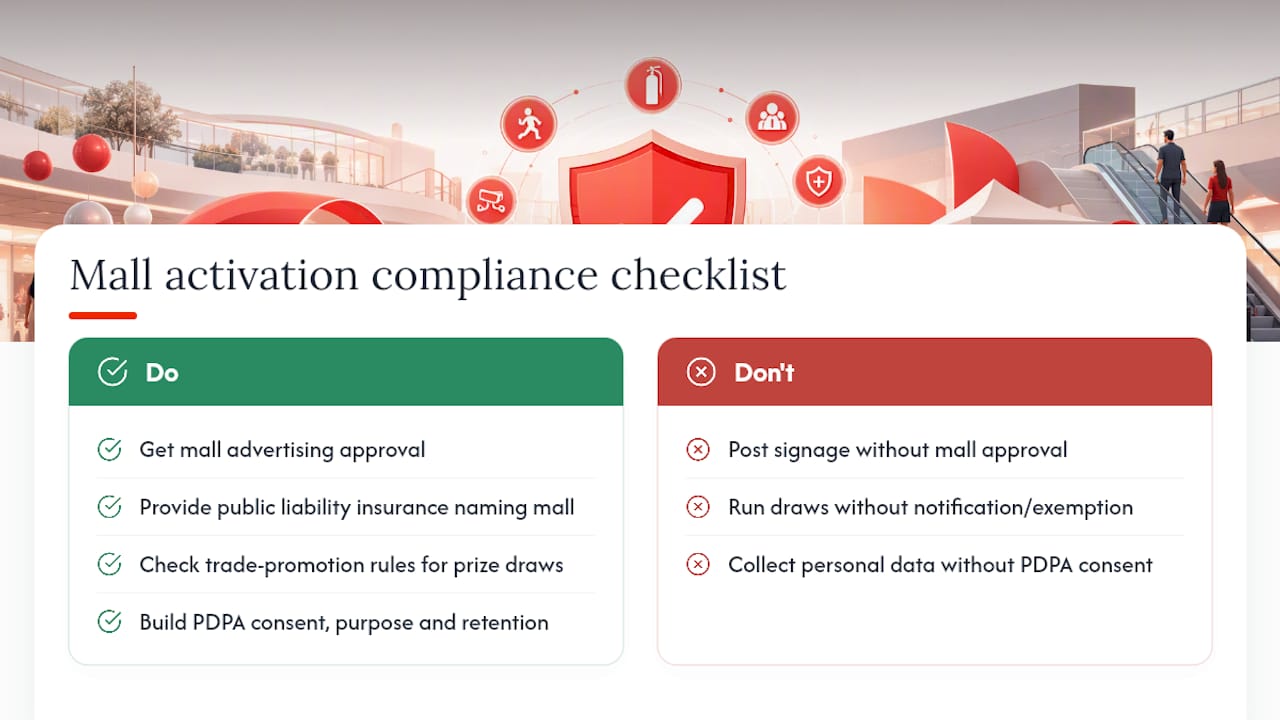
Beyond the operational checklist, several regulatory layers apply specifically to public-facing mall activations. Any signage, banner, or promotional material displayed in common areas typically needs the mall’s own advertising approval, separate from the activation permit itself, and malls will reject content that clashes with existing tenant agreements or exclusivity clauses.
Public liability insurance is close to universal as a contractual requirement, not just good practice. Most mall management companies will not release keys to a common area space without proof of coverage naming the mall as an interested party. Confirm the minimum coverage figure with each mall directly, as it varies by venue and by the scale of your build.
If your activation involves any form of prize draw, contest, or lucky draw mechanic, check whether it falls under Singapore’s rules on trade promotions, since certain formats require notification or exemption depending on structure and prize value. Sampling of food or beverage products carries its own hygiene and licensing considerations, usually coordinated through the mall’s tenant relations team rather than a general events permit.
Data capture ties back to PDPA obligations covered above, but worth repeating here as a compliance point rather than an operational one: consent language, purpose limitation, and retention periods are legal requirements, not just good UX. Building these into your permit application early avoids a last-minute rejection during mall review.
Contingency planning for mall activations
Health and safety contingency planning remains standard practice for any mall activation involving close physical contact, shared equipment, or food sampling, even outside a formal public health emergency. Malls generally require an event-specific risk assessment covering crowd density, equipment sanitisation where relevant, and a clear plan for scaling down or pausing the activation if crowd control becomes an issue.
Build a simple contingency matrix into your brief: what happens if footfall spikes beyond your staffing capacity, what happens if a key piece of technology fails mid-run, and who has authority to pause the activation on the day. Malls appreciate seeing this thought through before approval, and it speeds up sign-off.
For any activation with a shared-equipment element, such as gamified stations or trial products, keep sanitisation stations visible and stocked, even when not formally mandated. It signals professionalism to both mall management and visitors, and it costs very little relative to the rest of the build.
Weather matters more than planners expect, even for indoor activations, if any element extends into an outdoor plaza or covered walkway. Have a wet-weather fallback for outdoor components, and confirm with the mall whether an indoor backup location is available on short notice.
Marketing your activation before it opens
An activation with no pre-promotion underperforms regardless of how good the mechanic is. Start with the mall’s own channels: most Singapore malls run an app, an EDM list, and social accounts that will co-promote a tenant or partner activation in exchange for content rights or a revenue share on ticketed elements.
Pair that with a tight paid social push targeting the mall’s immediate catchment, since mall activations are inherently local and a national campaign wastes spend on people who will never walk past the atrium. Geo-targeted Instagram and TikTok ads within a few kilometres of the mall tend to outperform broader targeting for this reason.
Influencer seeding works particularly well for photo-forward formats like installations or oversized set pieces. A handful of local micro-influencers posting from the activation in its opening days does more for organic reach than a single mega-influencer post, largely because their audiences are more likely to actually visit.
Don’t underestimate on-ground signage and mall directory listings either. A surprising number of mall visitors discover an activation simply by walking past it, which is exactly why atrium visibility matters so much when you’re shortlisting venues.
Engaging Singapore’s genuinely mixed mall audiences
Singapore mall audiences are rarely a single demographic, even within one venue. A heartland mall on a Tuesday afternoon might see retirees doing their marketing, students after school, and domestic workers on their day off, all within the same two hours. Designing an activation that only speaks to one of those groups leaves footfall on the table.
Multilingual signage, even a simple bilingual instruction panel in English and Mandarin, or English and Malay depending on the mall’s location, removes a barrier that costs almost nothing to fix but gets skipped constantly. The same goes for facilitators who can switch between languages on the fly during a busy session.
Consider religious and cultural sensitivities in scheduling and mechanics too. An activation involving food sampling needs halal certification clearly displayed if it wants to be genuinely inclusive, and timing around major cultural or religious calendar dates (not just Chinese New Year, but also Hari Raya, Deepavali, and school exam periods) affects both footfall and goodwill.
Family-inclusive design matters as much as language. Simple mechanics that a grandparent and a ten-year-old can both play without instruction tend to outperform anything requiring an app download and a five-step tutorial, particularly outside the youth-skewing malls.
Following up after the activation ends
The activation itself is only half the job. Leads captured during a 3 to 10 day run go cold fast, so a follow-up sequence needs to be ready before day one, not drafted after the last visitor leaves.
Send a first touchpoint within 48 hours, ideally referencing something specific from the interaction (the prize they won, the product they sampled) rather than a generic thank-you. Segment leads by intent signal where possible: someone who completed a purchase during the activation belongs in a different nurture sequence than someone who simply scanned a QR code for a discount code.
Share performance data with the mall’s marketing team once it’s compiled. Malls that see a clear uplift story are far more likely to offer better rates or preferred slots the next time you want to book, and that relationship compounds over repeated activations far more than any single campaign does.
Planner perspective: lessons from Singapore mall activations
Always test the tech on site the day before, not the morning of. Passive booths without a facilitator convert worse than staffed ones, every time. And incentive mechanics only work when they mirror what actually drives the purchase, not what looks clever in a deck.
How Laser Clay can help you plan the activation
If you’re weighing up a pop-up room against a workshop against a gamified skill station, Laser Clay solves the hardest part of that decision: it delivers a facilitated, high-engagement activity with almost none of the setup risk of a custom build. No structural rigging, no bespoke fabrication, no lead ammunition or safety liability to negotiate with mall management.
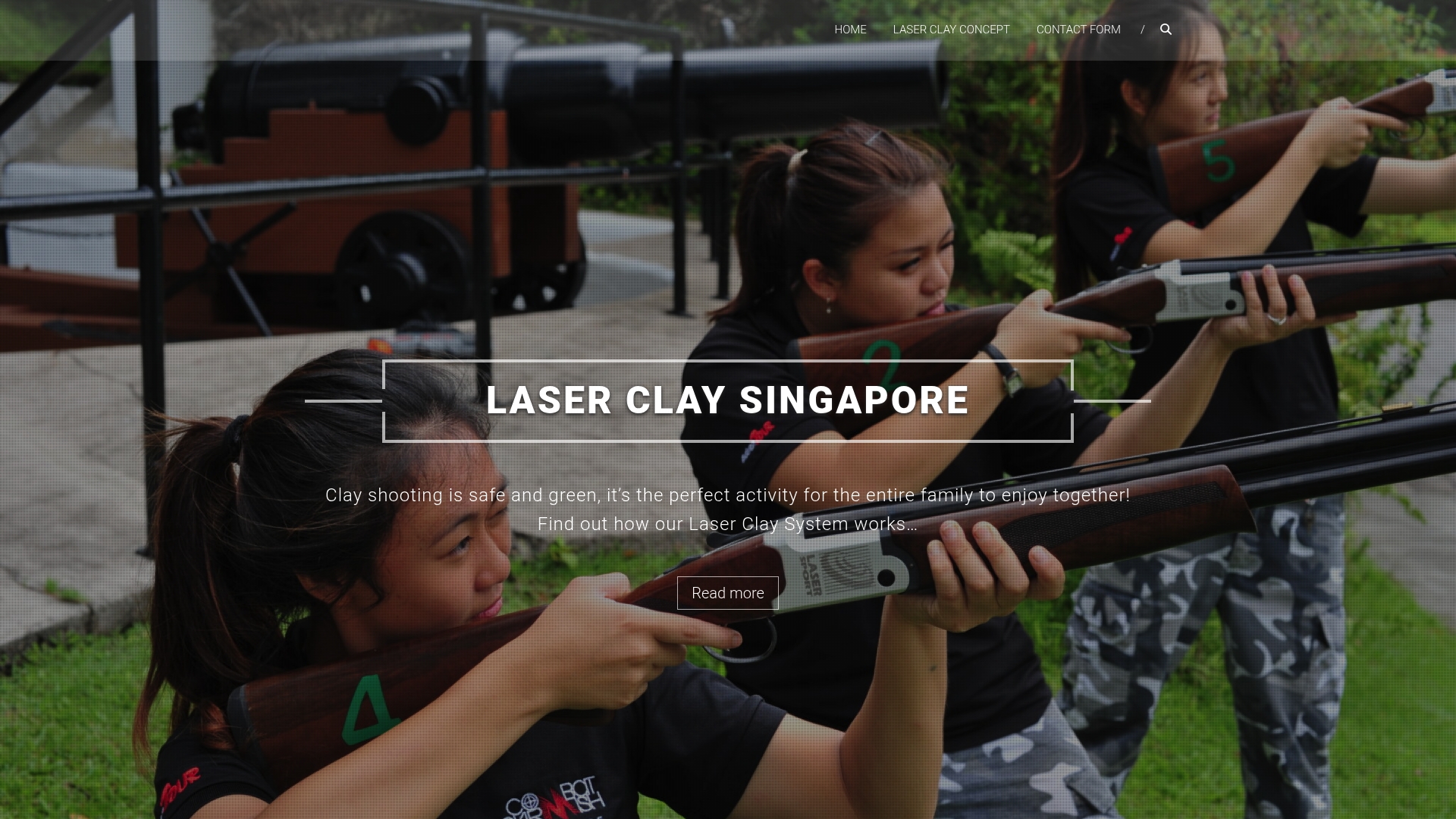
Packages include facilitators, electronic scoring, eco-friendly reusable targets and full event customisation for corporate CSR days, family carnivals, school camps and mall pop-ups, scaled for indoor or outdoor footprints. It’s a plug-and-play format that gets you the leaderboard moment and shareable content without months of concept development.
If a corporate-sponsored family day or CSR-linked activation is on your list for this quarter, check package details and space requirements on the corporate team building page, or get in touch for a quote scoped to your mall’s footprint and dates.
Sources
- Experiential marketing that drives foot traffic
- 5 ways Singapore malls are transforming events with interactive experiences
- In-Store Brand Activation: Strategies That Drive Retail Sales (2026) – T-ROC
- CapitaLand turns malls into a summer playground with eight weeks of themed drops, freebies
FAQ
What are mall activation ideas?
Mall activation ideas are structured, temporary experiences (pop-ups, gamified stations, sampling, AR hunts) designed to drive footfall, dwell time and conversion within a shopping centre over a defined run.
How long should a mall activation run in Singapore?
Between 3 and 10 days, according to Right-Space’s experiential marketing research, which balances enough time to gather engagement data against the urgency a short run creates.
What budget should I allocate for a mall activation?
Is Laser Clay suitable for a mall pop-up?
Yes. Laser Clay’s facilitated, eco-friendly gamified shooting format needs no live-fire safety plan or structural rigging, making it a fast, low-risk option for family carnivals and corporate CSR mall days, detailed on the Laser Clay Singapore site.
Do I need a permit for a mall activation in Singapore?
Most malls require an activation permit covering your specific dates, footprint and any structural elements, filed separately from advertising or signage approval.