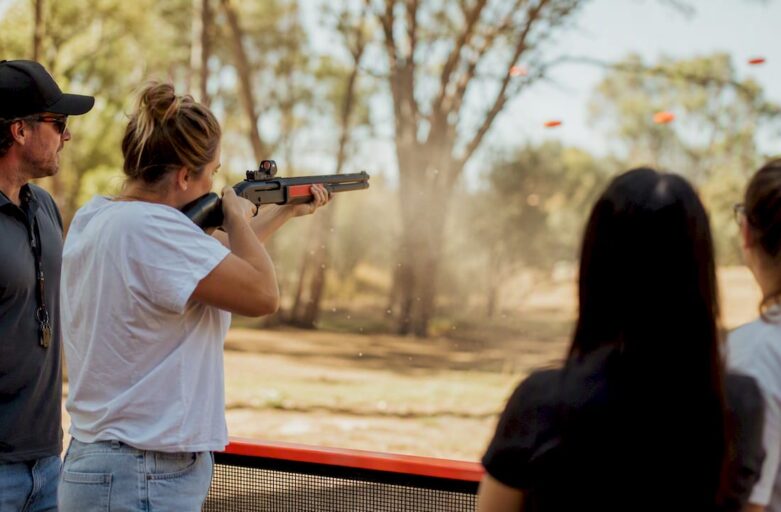
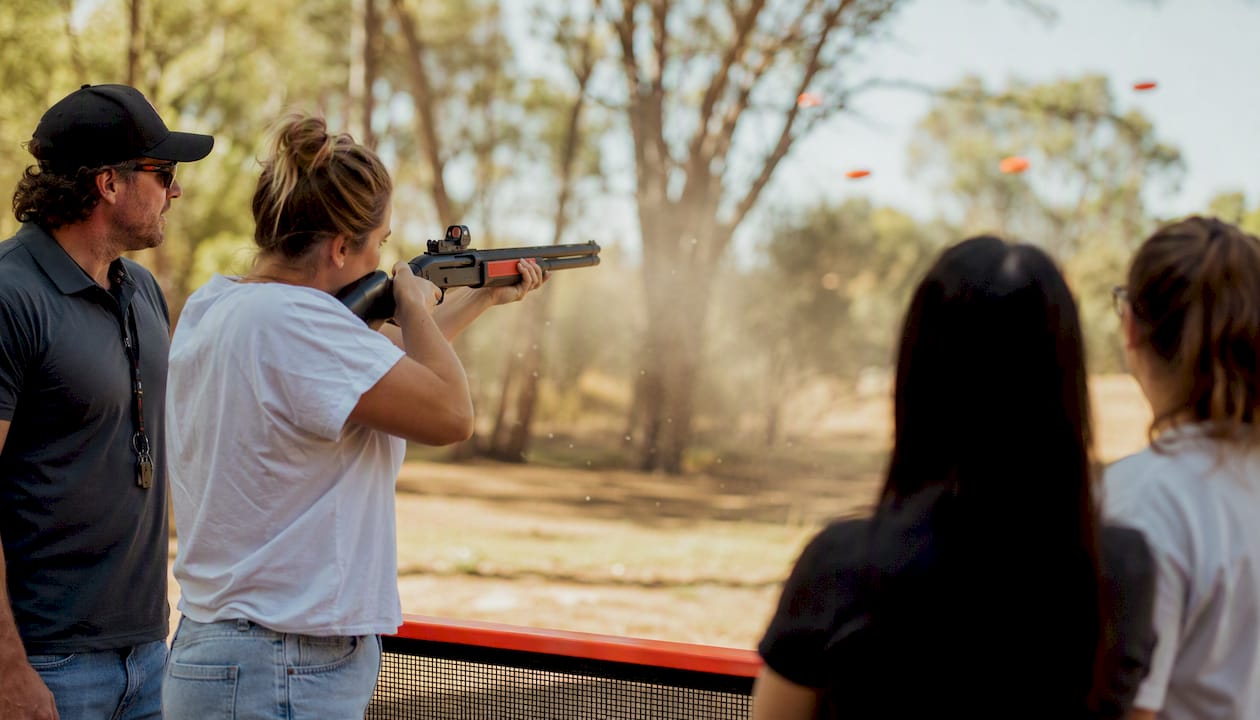
Book a police-themed laser clay simulation with confidence. These are safe, non-lethal, facilitator-led experiences using infrared shotguns, reusable targets and electronic scoring. They suit corporate team-building, school events and private parties. Before you pay a deposit, request three things from any provider:
- A current, written risk assessment and method statement (RAMS)
- Public liability insurance certificate (£5M is a reasonable minimum for corporate events, per HSE event safety guidance)
- DBS check evidence and safeguarding policy if any participants are under 18
Once you have those three documents in hand, ask for a scoreboard demo and a written quote before signing anything.
Key takeaways
Police-themed laser clay simulations are safe, non-lethal and legally bookable for UK corporate, school and private events when the provider supplies verified RAMS, adequate insurance and DBS-checked facilitators.
| Point | Details |
|---|---|
| Request RAMS before deposit | Ask for the written risk assessment and method statement at the enquiry stage, not after payment. |
| Minimum £5M public liability | Confirm the provider holds at least £5M public liability insurance and request the certificate in writing. |
| DBS checks for under-18 events | Any facilitator working directly with children must hold a current DBS certificate; request copies before the event. |
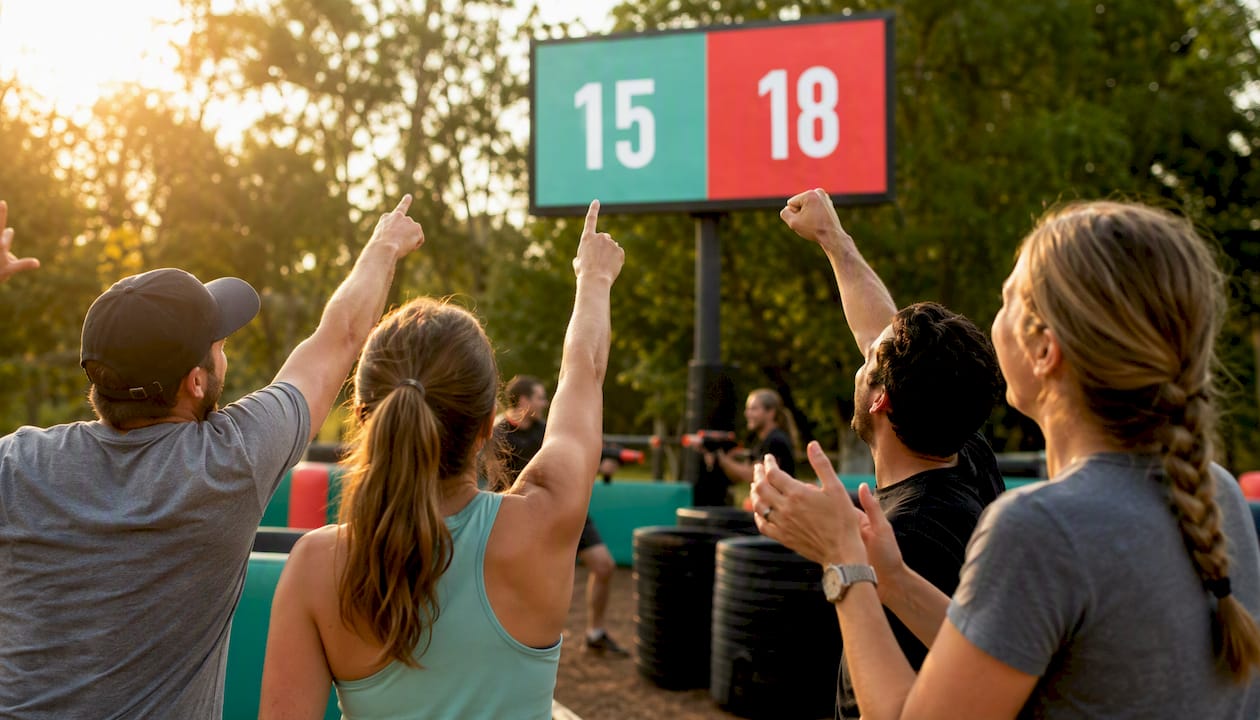
| Use the scoreboard strategically | High-visibility electronic scoring turns the activity into a measurable team-building exercise, not just entertainment. |
| Laserclay for UK events | Laserclay provides facilitators, scoreboards, RAMS and insurance documentation as part of its event packages. |
Table of Contents
- What do police training simulations actually mean for events?
- Why organisers choose police-style laser simulations for groups
- What UK law requires before you book
- How to select a provider and what to include in your briefing
- What to expect: packages, staffing and ballpark pricing
- Common game formats and the team outcomes they produce
- A practical timeline from booking to debrief
- Safeguarding and under-18 considerations for schools and youth groups
- What most organisers get wrong when booking shooting simulations
- Laserclay: packages, safety assurances and how to get a quote
- Sources
What do police training simulations actually mean for events?
The phrase “police training simulations” covers a wide range of products online, most of them aimed at actual law enforcement. That is not what this guide is about. Here, the term refers to police-themed laser clay shooting experiences: event-format activities where participants use sound-simulated, deactivated infrared shotguns to hit reusable clay targets, with real-time electronic scoring and a facilitator running the session.
No live ammunition. No recoil. No specialist licence required to participate. The format replicates the feel and competitive tension of a shooting range without any of the safety or environmental burdens that come with live rounds. Providers such as Laserclay supply the equipment, facilitators, RAMS documentation and insurance certificates as part of the booking.
What you are not booking here: VR force-on-force systems, professional law enforcement simulators, or any product designed to train actual police officers. Those are a different category entirely, with different suppliers, different costs and different regulatory requirements. Every section of this guide covers the event-focused, group-activity version only.
Why organisers choose police-style laser simulations for groups
The appeal is practical as much as it is fun. Key reasons organisers keep coming back to this format:
- No live ammunition means no firearms licensing, no lead contamination and no recoil injuries. The activity is genuinely open to everyone, regardless of physical strength or prior experience.
- Electronic scoring gives instant, objective feedback. That feedback loop is what separates a novelty activity from a measurable team-building exercise.
- Spectator-friendly setup means colleagues who are not actively shooting can watch the scoreboard, cheer and stay engaged throughout.
- Environmental advantage: reusable targets and lead-free operation remove the two biggest sustainability objections to traditional clay shooting. Organisers with corporate environmental commitments can book without compromise.
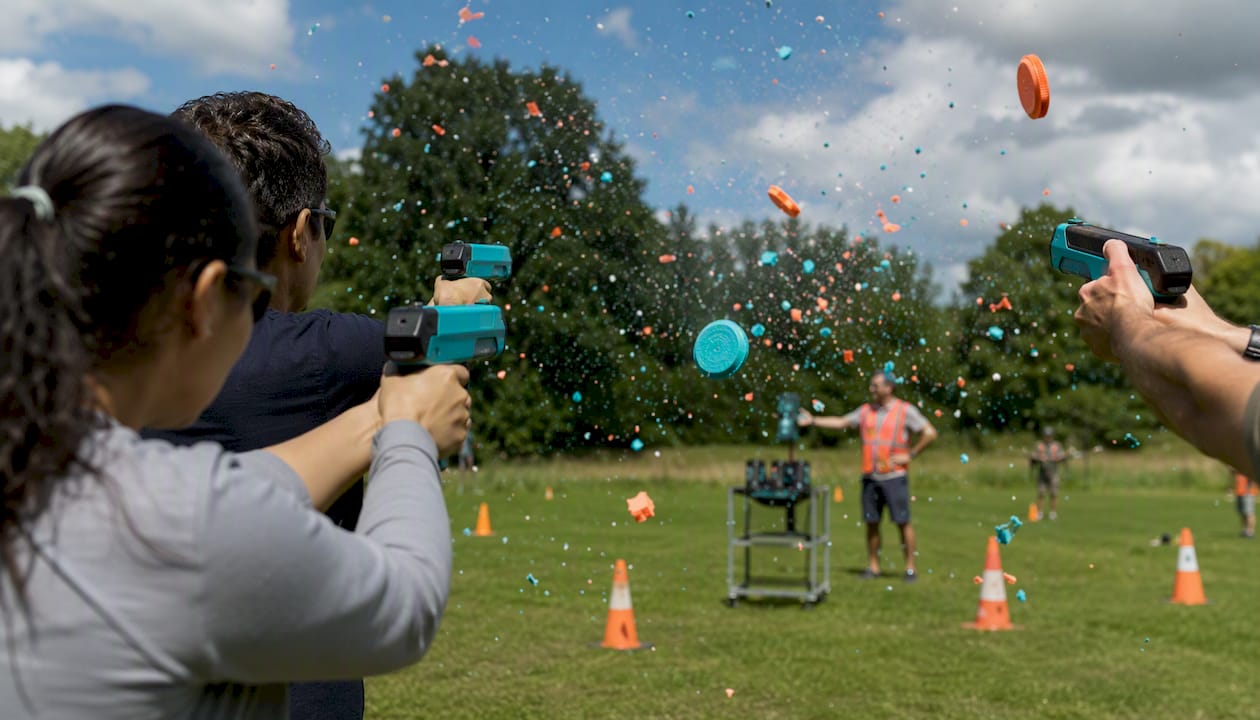
- Scalable participation: systems commonly support multiple simultaneous guns, making it practical for groups of varying sizes.
For corporate teams, the combination of concentration under pressure and real-time scoring creates what practitioners describe as competitive cohesion: the scoreboard makes individual contributions visible, which tends to sharpen focus and generate healthy rivalry. For schools, the novelty and the absence of any real danger make it a memorable activity that does not require specialist supervision beyond the provider’s own facilitators. For parties, it simply works as a centrepiece activity that keeps a mixed-age group occupied and competitive.
Laser clay team building works particularly well when the organiser has defined a clear objective before booking. The best providers will ask about that objective before recommending a format.
What UK law requires before you book
Organisers carry a legal duty under the Health and Safety at Work etc. Act 1974 to ensure a suitable and sufficient risk assessment covers all activities at their event, including those delivered by external providers. That duty does not transfer to the supplier when you hire them.
The University of Nottingham’s team-building guidance makes the employer’s responsibility explicit: check provider competency, obtain their risk assessment, and confirm that appropriate public and employer liability insurance is in place before confirming any activity.
Providers must also have documented emergency procedures. Under HSENI’s L21 guidance, employers and event organisers should establish clear procedures for serious and imminent danger, including when to stop an activity and move participants to safety.
Keep copies of every document in your event file. If an incident occurs, you will need them.
How to select a provider and what to include in your briefing
Ask every shortlisted provider these questions before you commit:
- What is your public liability insurance limit, and can you provide the certificate now?
- Can you share a sample RAMS for a similar event?
- What qualifications do your facilitators hold, and are they DBS-checked for under-18 work?
- How do you maintain and inspect the equipment between events?
- Can you demonstrate the electronic scoreboard before the event?
- Have you run events for schools or corporate clients of a similar size?
Red flags that should stop a booking: a provider who cannot produce a written RAMS, whose insurance has lapsed or is below £5M, who cannot describe their emergency procedures clearly, or who refuses to show a scoreboard demo before you pay. Vague answers to any of these questions are a signal to keep looking.
When you brief a provider, give them: your event objectives (bonding, competition, novelty), the number of participants and their age range, the venue address and any access restrictions, any accessibility or medical considerations, your preferred schedule and session length, and the documents you require before the deposit is paid. A provider who does not ask about your objectives before recommending a format is worth treating with caution.
Pro Tip: Request the RAMS and insurance certificate at the enquiry stage, not after you have paid a deposit. A reputable provider will send them without hesitation. One who stalls is telling you something.
What to expect: packages, staffing and ballpark pricing
Package structures vary by provider, but most fall into three broad tiers:
Systems commonly support 5–20 simultaneous guns, so throughput depends on the number of lanes the provider sets up. Confirm the exact configuration with your provider during venue scoping.
Pricing varies by location, duration and group size. As a general guide: short demo sessions are the most affordable entry point; half-day tournaments sit in a mid-range band; full-day or event rental formats for larger groups represent the highest investment. Cancellation policies vary, so read the contract carefully. Travel and setup charges may apply for venues outside the provider’s usual operating area.
Common game formats and the team outcomes they produce
- Accuracy rounds: individual scoring against a fixed target sequence. Good for warming up a group and establishing a baseline.
- Head-to-head elimination: two participants compete simultaneously; the higher score advances. Produces energy and spectator engagement quickly.
- Relay tournaments: teams take turns in a fixed sequence, with scores aggregated. The format that most directly builds collaboration and role clarity.
- Team aggregate scoring: all team members contribute to a combined score over multiple rounds. Sustains focus across a longer session and rewards consistency over individual brilliance.
- Coach/mentor rounds: an experienced participant guides a novice through a round. Useful for leadership development objectives.
Relay tournaments and aggregate scoring are the two formats most organisers reach for when the brief is team-building rather than pure entertainment. The scoreboard is the mechanism that turns the activity into something measurable: when participants can see their contribution in real time, the dynamic shifts from casual fun to purposeful competition.
Pro Tip: Ask your provider to display team names rather than individual names on the scoreboard during aggregate rounds. It shifts the group’s attention from personal performance to collective outcome, which is exactly the dynamic most team-building briefs are trying to create.
For practical activity ideas, the best laser shooting team-building activities guide covers format options in detail.
A practical timeline from booking to debrief
Six to eight weeks before:
Confirm provider, sign contract, pay deposit, and receive RAMS and insurance certificates. Add all documents to your event file.
Two to three weeks before:
Complete venue scoping. Confirm surface suitability, power access, and available space (a typical setup needs roughly 30m x 10m as a working minimum; confirm exact requirements with your provider). Finalise participant numbers and collect any medical or accessibility declarations.
One week before:
Share final participant list and any special requirements with the provider. Confirm setup arrival time and the day-of schedule. Brief any internal supervisors or teachers on their responsibilities.
Day of the event:
Allow the provider’s setup window (typically 60–90 minutes before the first session). Attend the provider’s safety brief. Confirm emergency procedures and the location of the nearest first-aid point. Keep the event file accessible.
After the event:
Collect any incident report from the provider. Send a short feedback form to participants (three to five questions covering safety, enjoyment and perceived team benefit). Request a scoreboard snapshot from the provider as evidence of outcomes. Confirm final invoicing and retain all documents.
Safeguarding and under-18 considerations for schools and youth groups
Events involving children require additional checks beyond the standard provider due diligence.
- Collect signed parental consent forms and any relevant medical information before the event, and share relevant details with the provider.
- Confirm that all facilitators working directly with under-18s hold current DBS certificates. Request copies.
- Apply a supervision ratio appropriate to the age group. For most school events, the school’s own staff should remain present throughout and take responsibility for behaviour management.
- Review the game formats with the provider before the event. Elimination formats can be discouraging for younger children; accuracy rounds and team aggregate formats tend to work better for mixed-ability school groups.
- Under the Adventure Activities Licensing Regulations 2004, providers offering certain adventure activities to under-18s may be required to hold a licence. Laser clay shooting in its standard event format does not typically fall within the regulated activity categories, but confirm this with your provider and ask them to confirm their licensing position in writing.
Age-appropriate design matters. For groups under 12, keep sessions short (20–30 minutes), use team formats rather than individual elimination, and ensure the facilitator’s briefing language is accessible.
What most organisers get wrong when booking shooting simulations
The most common mistake is treating the RAMS request as a formality rather than a filter. Organisers who ask for documentation after paying a deposit have already lost their strongest negotiating position. Ask before you commit, and treat a slow or incomplete response as meaningful information about how the provider operates under pressure.
The second mistake is underestimating run times. A group of 20 participants cycling through a relay tournament takes longer than most organisers expect, particularly when the provider is also managing equipment resets and scoreboard updates.
A third, less obvious issue: failing to position the firing line for spectators. The activity is most effective as a team-building exercise when the whole group can see the scoreboard and watch each round. If the layout puts spectators behind the active participants, you lose the social energy that makes the scoring meaningful.
After the event, take five minutes to collect a scoreboard snapshot and send a brief feedback survey. That data is what turns a fun afternoon into a defensible team-building investment when someone asks what the day achieved.
Laserclay: packages, safety assurances and how to get a quote
Laserclay offers police-themed and clay-style laser shooting experiences for corporate team-building, school events, birthday parties and family fun days. The concrete difference from hiring a generic activity provider: Laserclay’s packages include facilitators, electronic scoreboards, sound-simulated deactivated shotguns and eco-friendly reusable targets as standard, with RAMS and insurance documentation available on request at the enquiry stage.
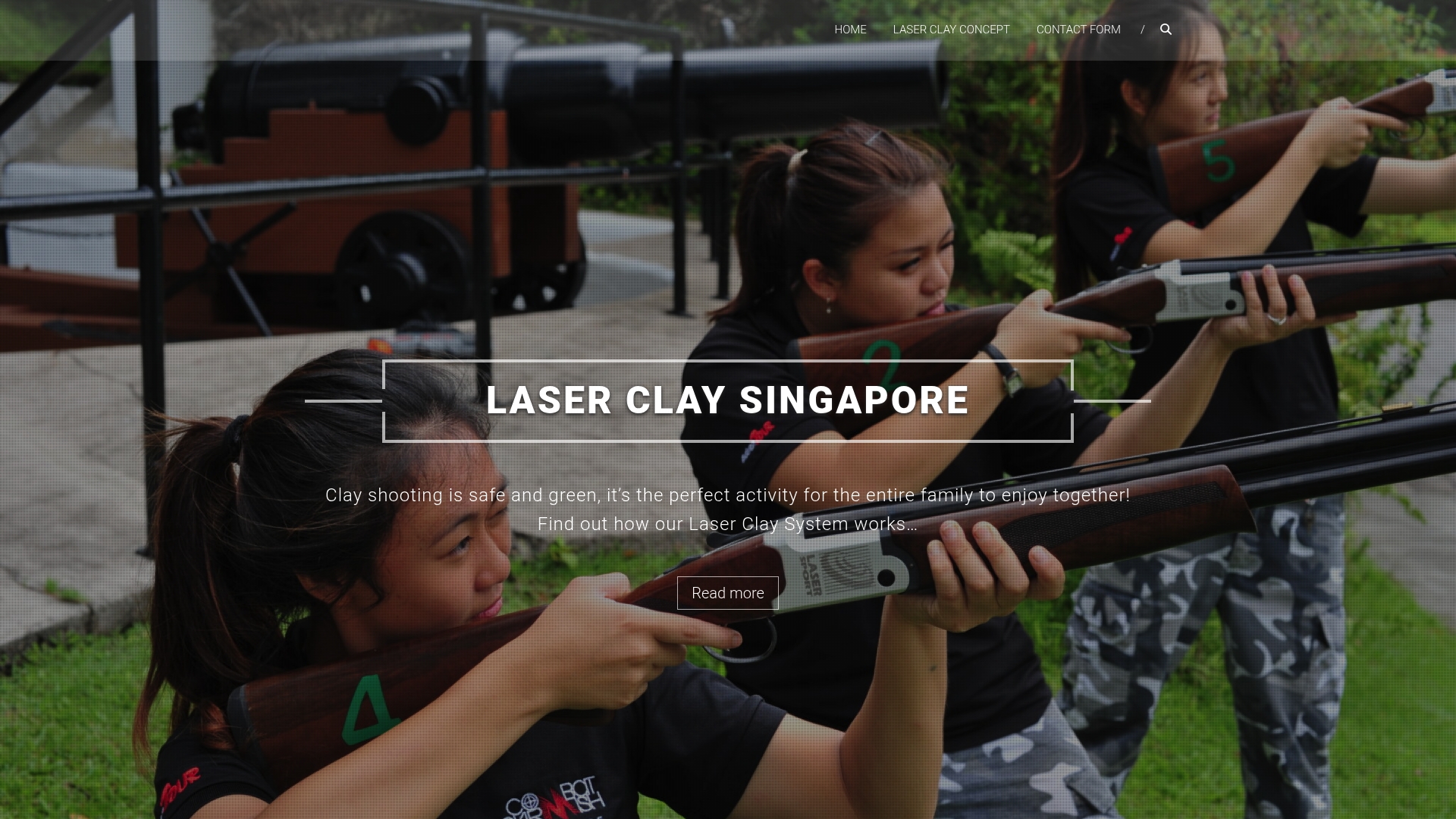
Package options cover demo taster sessions, half-day team tournaments and full-day event rentals, each configurable for your group size and venue. For schools and youth groups, DBS-checked facilitators and age-appropriate game formats are part of the offering. For corporate clients, the corporate team-building package includes scoreboard configuration to match your team objectives.
To get started: request a written quote, ask for a scoreboard demo, and confirm RAMS and insurance certificates are available before you pay a deposit. Contact Laserclay directly through the website to check availability for your date and receive full contract terms.
Sources
These are the primary references organisers should consult when planning a laser clay simulation event:
HSE event safety guidance covers the organiser’s legal duty under the Health and Safety at Work etc. Act 1974, including the requirement for a suitable and sufficient risk assessment and verification of provider competence and insurance. Read it at hse.gov.uk/event-safety.
HSENI L21 Management of Health and Safety at Work sets out emergency procedure requirements and responsibilities for specific groups. Relevant for confirming what your provider’s serious-danger protocols must include. Available at hseni.gov.uk.
University of Nottingham team-building activities guidance provides a practical employer checklist for verifying provider competency and insurance for away days and team events. Download at nottingham.ac.uk/safety.
HSE Adventure Activities Licensing Authority explains when providers working with under-18s may require a licence under the Adventure Activities Licensing Regulations 2004. Check at hse.gov.uk/aala.
Laserclay product guide explains how laser clay systems work, what documentation is available and how to configure packages for events. Read the complete laser clay shooting guide or visit the main Laserclay website to request a quote.
Keep copies of all provider RAMS, insurance certificates and DBS evidence in your event file. If an incident occurs or a question arises after the event, those documents are your first line of defence.
- Managing an event: A guide for organisers – HSE
- Team building activities / away days – University of Nottingham
Recommended
- Electronic shooting game for events: the UK planner’s guide | Laser Clay Singapore
- Shoot laser at UK events: the event planner’s guide | Laser Clay Singapore
- Sport accessibility without ammunition: the UK organiser’s guide | Laser Clay Singapore
- Best triggerinteractive.com alternatives for UK shooters | Laser Clay Singapore