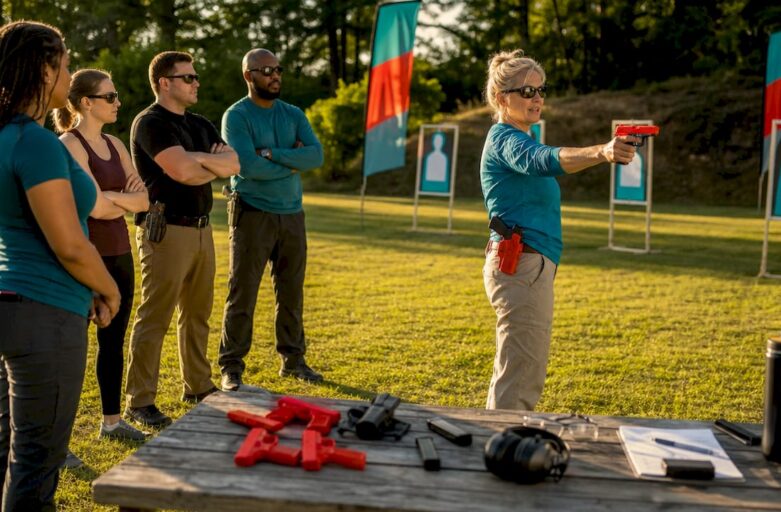
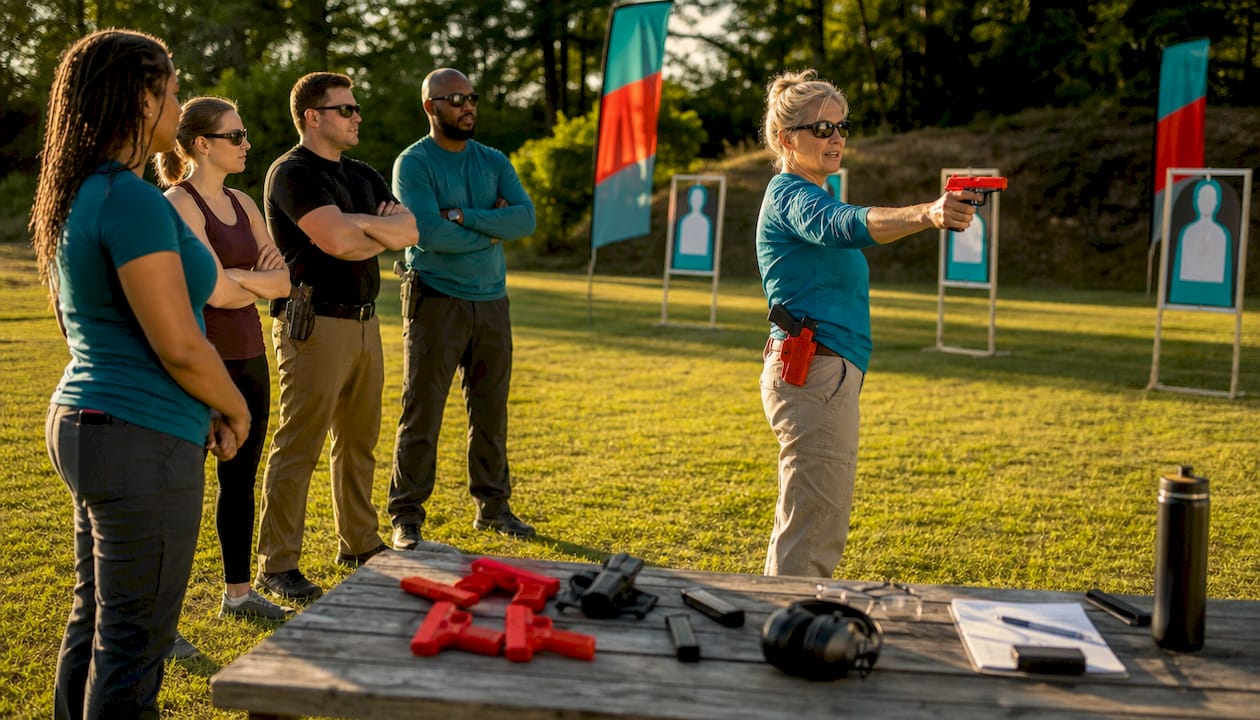
Ethics in shooting sports is defined as the set of principles governing safety, fairness, and respect that every participant owes to fellow competitors, the environment, and the sport itself. The role of ethics in modern shooting sports extends far beyond rule compliance. It shapes how participants behave under pressure, how communities perceive the sport, and whether new participants feel welcome. Bodies like the International Shooting Sport Federation (ISSF) and the 4-H Shooting Sports programme have codified these principles into formal standards. Understanding them is not optional for serious participants. It is the foundation on which the entire sport stands.
What are the core ethical principles that guide modern shooting sports?
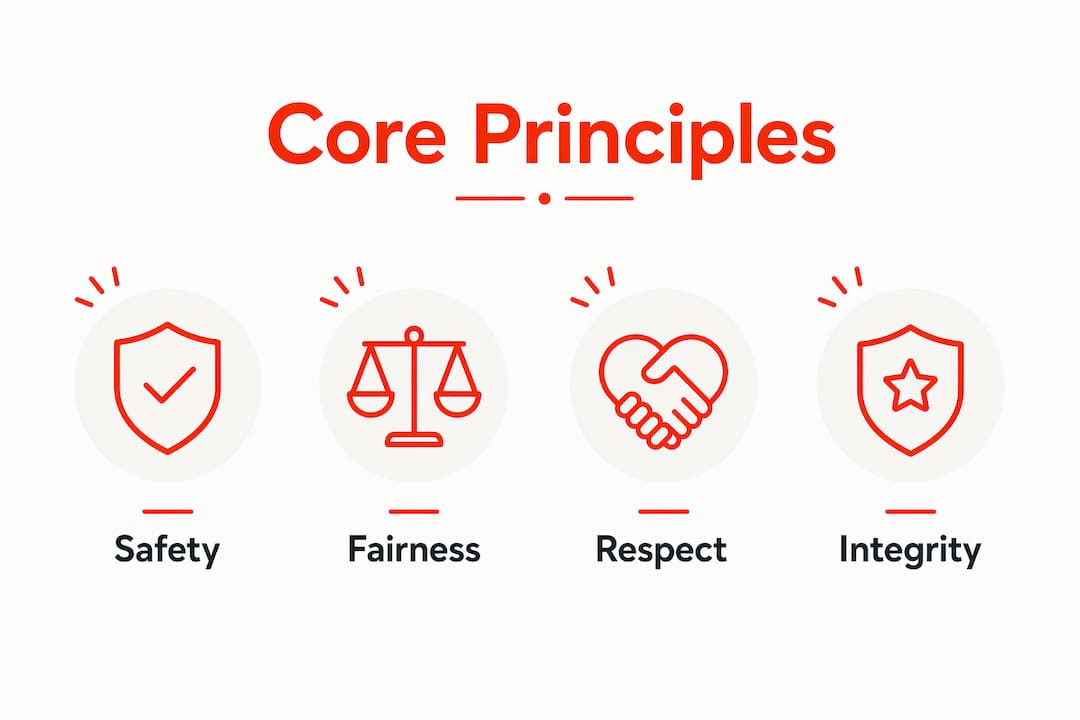
Ethical conduct in shooting sports rests on four pillars: safety, fairness, respect, and integrity. Each one is non-negotiable, and each reinforces the others.
Safety is the most fundamental principle. A responsible shooting culture prioritises safety habits above all else, including proper handling, following range rules, and maintaining emotional discipline to prevent risk. Safety is not a background concern. It is the first decision a participant makes every single time they pick up a firearm.
Fairness draws heavily from the concept of fair chase, an ethical principle requiring that game is given a reasonable chance to evade. In competitive shooting, the same spirit applies: participants compete on equal terms, without manipulation or advantage gained through deception.

Respect covers behaviour towards fellow participants, officials, and the environment. Sportsmanship in shooting means acknowledging good shots from competitors, accepting decisions from officials without argument, and leaving ranges in better condition than you found them.
Integrity means honesty in scoring, transparent reporting of errors, and refusing to benefit from another participant’s misfortune. Associations like the ISSF and 4-H Shooting Sports enforce these values through formal codes of conduct.
Core ethical principles in practice include:
- Always treating a firearm as loaded, regardless of certainty
- Never pointing a firearm at anything you do not intend to shoot
- Accepting scores and rulings without dispute
- Reporting your own errors honestly, even when no one is watching
- Respecting the range environment and leaving no waste behind
Pro Tip: Internalise safety as a habit, not a checklist. Participants who treat safety rules as automatic responses, rather than conscious steps, are far less likely to make dangerous errors under competitive pressure.
How do ethical standards shape behaviour and community perception?
Ethical adherence directly determines how the public views shooting sports. Emotional self-regulation separates serious participants from amateurs. Outbursts of anger at missed targets, bullying of less experienced participants, or disrespect towards officials all breach etiquette and damage the community’s reputation far beyond the individual incident.
The NRL Hunter Series provides a clear example of how formal codes address this. Its regulations enforce tiered disciplinary actions for unsportsmanlike conduct, with infractions such as sabotaging equipment resulting in warnings, score zeroes, or outright disqualification. That graduated response signals that the sport takes misconduct seriously and protects participants who compete honestly.
Ethical behaviour is also a tool for community engagement. When participants model respect and discipline, they attract newcomers and build goodwill with the broader public. When they do not, the sport becomes associated with aggression and exclusivity. The choice is that direct.
Competition etiquette, including dress standards and respectful conduct, sustains the sport’s professional image. Archery Australia, for instance, emphasises these norms explicitly to meet community expectations. The same logic applies across all shooting disciplines.
| Behaviour | Outcome |
|---|---|
| Accepting rulings without dispute | Builds trust with officials and fellow participants |
| Outbursts after missed shots | Damages personal reputation and community image |
| Honest score reporting | Reinforces integrity and fair competition |
| Unsolicited coaching during competition | Disrupts focus and breaches etiquette rules |
| Respectful range conduct | Attracts new participants and strengthens community |
Pro Tip: After a poor round, pause before speaking. The words you choose in that moment define your reputation far more than your score does.
What role does training and regulation play in upholding ethics?
Formal training and regulatory oversight are the mechanisms that turn ethical principles into consistent practice. Good intentions alone do not produce ethical cultures. Structured programmes do.
The NYS 4-H Shooting Sports programme requires a four-step vetting process for all instructors, covering criminal background checks, reference verification, interviews, and formal orientation. That process exists because the ethical quality of instruction directly determines the ethical quality of participants. An instructor who cuts corners on safety or models poor sportsmanship produces participants who do the same.
The ISSF operates an Integrity Unit that monitors competition conduct and investigates breaches. Its existence signals that ethics in shooting sports is not self-policing. External oversight is necessary to maintain standards at the highest levels of competition.
Professional instruction also plays a direct role in embedding ethical habits early. Participants who learn from qualified instructors develop correct safety reflexes and respectful conduct from the outset, rather than picking up bad habits from informal settings.
Key outcomes of structured ethics training include:
- Consistent application of safety protocols across all participants
- Clear understanding of fair play rules before competition begins
- Reduced incidence of unsportsmanlike conduct at events
- Greater confidence among new participants entering the sport
- Stronger community trust in the sport’s governance structures
The Pittman-Robertson Act has funded shooting education in the United States since 1937, reaching hundreds of thousands of participants annually with programmes that place ethics and safe handling at their core. That scale of investment demonstrates how seriously governing bodies treat ethics as a structural requirement, not an afterthought.
How can participants apply ethical practices in everyday shooting?
Ethical conduct is not reserved for formal competitions. It applies every time a participant steps onto a range, handles a firearm, or interacts with fellow shooters. The gap between knowing ethical principles and living them daily is where most participants either build or lose their reputation.
-
Follow range etiquette without exception. Observe all posted rules, wait for the range officer’s commands, and never handle a firearm while others are downrange. These are not suggestions. They are the minimum standard of safe participation.
-
Communicate respectfully at all times. Disagreements about scores or rulings happen. Address them calmly and through the correct channels. Raising your voice or making accusations publicly harms you and the sport equally.
-
Handle mistakes with honesty. If you miscount your score or breach a rule, report it immediately. Scoring honesty preserves fairness and the sport’s reputation. Participants who self-report errors earn far more respect than those who do not.
-
Maintain environmental awareness beyond the target. True competence in shooting combines marksmanship with constant awareness of surroundings, backstops, and safe zones. Focusing only on the target is a safety failure, not a skill.
-
Avoid unsolicited advice during competition. Coaching should come from registered instructors at appropriate times. Offering advice to a competitor mid-round is both distracting and a breach of etiquette, regardless of how well-intentioned it may be.
-
Foster an inclusive atmosphere. Welcome participants of all skill levels without condescension. The sport grows when newcomers feel respected. You can teach sportsmanship through the way you carry yourself on the range, not just through formal instruction.
-
Model the behaviour you want to see. Ethical cultures are built from the bottom up. Every participant who consistently demonstrates respect, safety, and honesty raises the standard for everyone around them.
Key takeaways
Ethics in shooting sports is the foundation of safety, fair competition, and community trust, and no participant or programme can afford to treat it as secondary.
| Point | Details |
|---|---|
| Safety is non-negotiable | Treat every firearm as loaded and follow range rules without exception, every time. |
| Fair play defines competition | Honest scoring and respectful conduct preserve the integrity of every event. |
| Training embeds ethical habits | Structured programmes like 4-H and ISSF oversight turn principles into consistent practice. |
| Behaviour shapes public perception | Emotional control and respectful conduct directly influence how the sport is viewed by the wider community. |
| Ethics is practised daily | Ethical conduct applies on and off the range, not only during formal competition. |
Why ethics is the real competitive edge in shooting sports
I have watched participants with exceptional technical ability plateau, while less gifted shooters built lasting reputations and rose through the ranks. The difference was almost never marksmanship. It was character.
The participants who earn genuine respect in this sport are the ones who report their own errors, who congratulate competitors after a loss, and who leave the range cleaner than they found it. These are not small gestures. They are the visible expression of a discipline that serious participants have internalised completely.
What troubles me is how often the ethical dimension of shooting sports gets treated as a soft topic, something to mention in an introductory session and then set aside. The reality is the opposite. Humility and self-discipline are harder to develop than accuracy. They require more consistent effort. And they matter more to the long-term health of the sport than any technical advancement.
The negative stereotypes that shooting sports still battle in public discourse are almost entirely fuelled by incidents of poor conduct, not by the sport itself. Every participant who behaves with integrity is doing active work to counter that narrative. That is not a small responsibility. It is one worth taking seriously.
The modernisation of shooting sports depends on participants who understand this. Technical progress means nothing if the culture surrounding the sport remains unwelcoming or unsafe. Ethics is not the soft side of shooting. It is the whole point.
— Joshua
Laserclay: ethical shooting sports made accessible
Laserclay brings the discipline and sportsmanship of clay shooting into a format that removes the barriers most people associate with the sport.
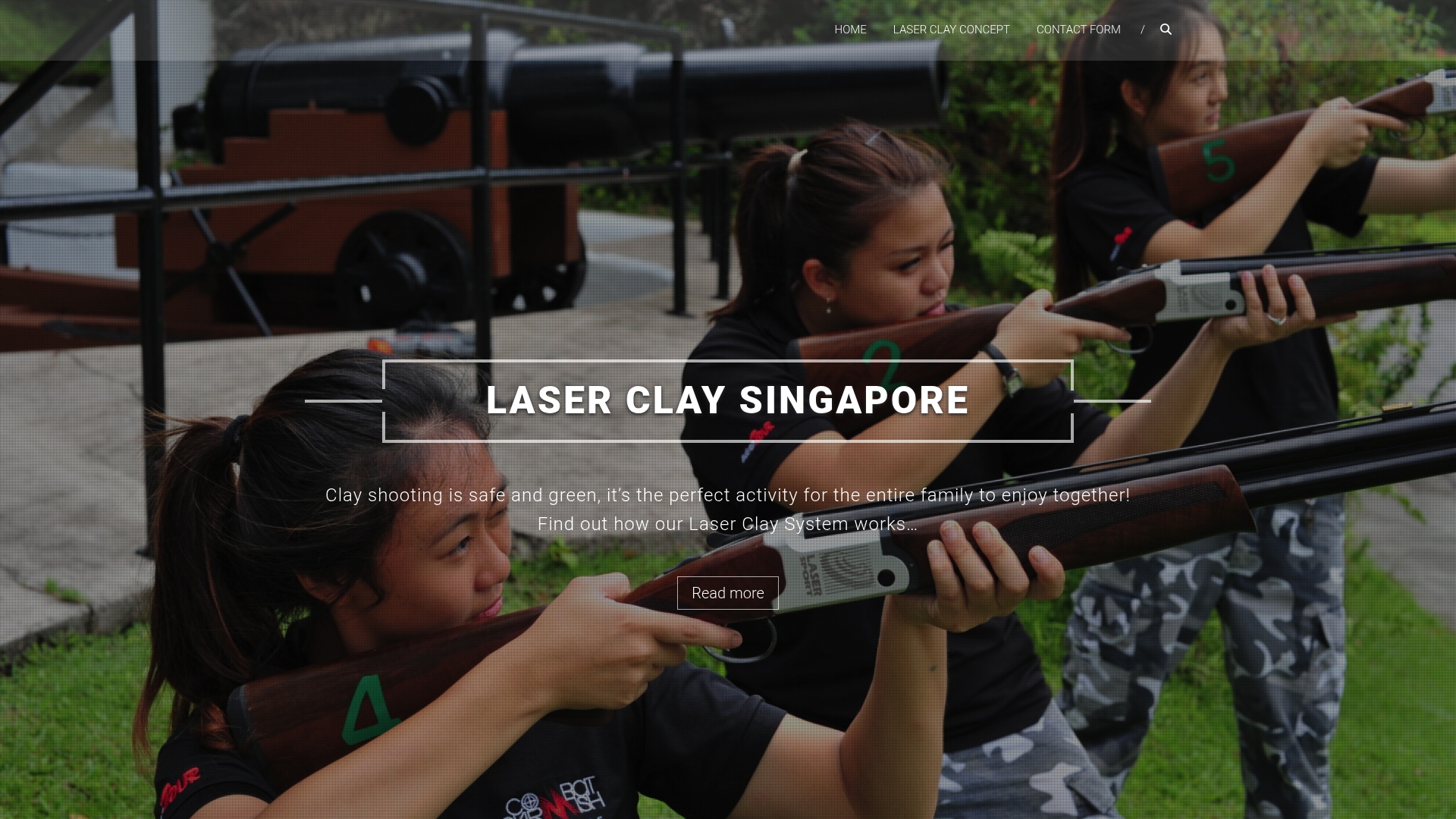
By replacing live ammunition with laser technology, Laserclay eliminates the safety risks and environmental concerns tied to lead shot, making the experience genuinely inclusive for participants of all ages and skill levels. The emphasis on respect, fair play, and responsible conduct is built into every session. Whether you are organising a corporate team-building day or introducing a group to shooting sports for the first time, Laserclay provides a structured, ethical environment where discipline and fun coexist. Explore laser clay shooting as a responsible entry point into the sport, or visit Laserclay to find the right experience for your group.
FAQ
What is the role of ethics in modern shooting sports?
Ethics in shooting sports governs safety, fairness, and respectful conduct across all levels of participation. It provides the framework that protects participants, maintains competition integrity, and shapes how the public perceives the sport.
How does fair chase apply to shooting sports ethics?
The fair chase principle requires participants to compete or hunt without unfair advantage, reflecting respect for fellow competitors and the environment. In competitive shooting, it translates to honest conduct, equal conditions, and transparent scoring.
What happens when participants breach ethical standards in competition?
Formal codes such as those used in the NRL Hunter Series impose tiered consequences for unsportsmanlike conduct, ranging from warnings to disqualification. These penalties exist to protect the integrity of competition and deter repeat offences.
How are shooting sports instructors vetted for ethical standards?
Programmes like NYS 4-H require instructors to complete a four-step process covering criminal background checks, references, interviews, and orientation before they are permitted to teach. This process directly links instructor quality to participant safety and ethical conduct.
Can ethical practices in shooting sports improve community relations?
Ethical behaviour is a direct driver of community trust and public acceptance. Participants who model respect, safety, and discipline attract new members and counter negative perceptions of the sport more effectively than any public relations campaign.