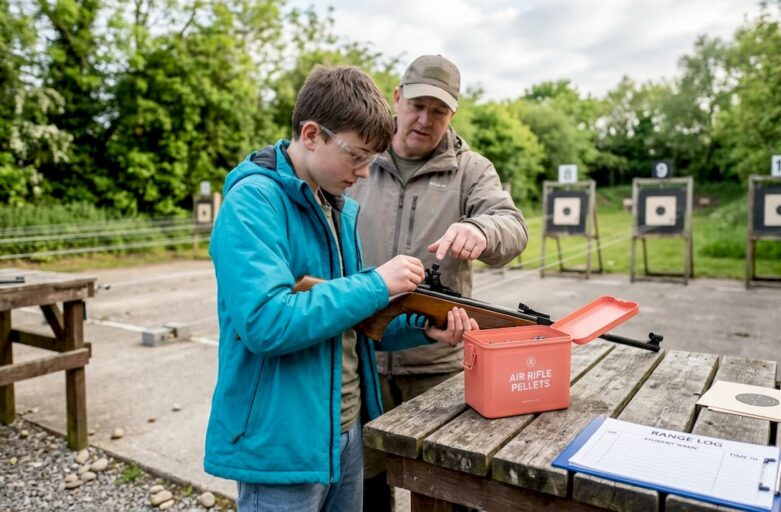
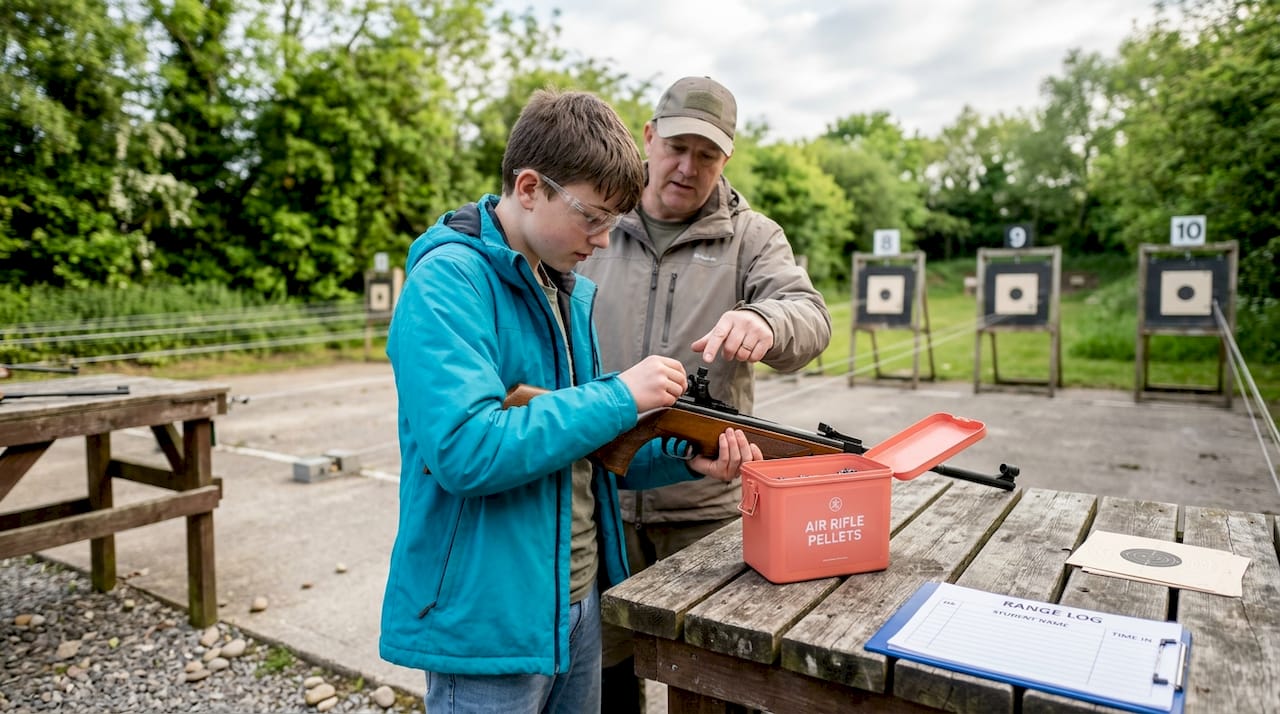
Most people assume that shooting sports are primarily about marksmanship. Pull the trigger, hit the target, repeat. The truth is far more interesting, and it is why shooting sports teach discipline in students in ways that few other youth activities can replicate. The mental framework required to succeed at competitive shooting, including patience, procedural rigour, and emotional regulation, maps directly onto the habits that make students thrive in school and in life. This article explores the specific mechanisms behind that connection, with practical guidance for educators, parents, and youth development advocates.
Table of Contents
- Key takeaways
- Why shooting sports teach discipline in students
- The shot process and behavioural discipline
- Building focus through competitive shooting
- Shooting sports vs. other youth sports for discipline
- How parents and educators can get involved
- My perspective on shooting sports and youth discipline
- Try laser clay: safe, focused, and genuinely fun
- FAQ
Key takeaways
| Point | Details |
|---|---|
| Structured mentorship matters | Youth shooting programmes pair students with ethical adult mentors who model discipline through consistent conduct. |
| The shot process builds habits | Repeating a precise, step-by-step routine under coaching creates procedural self-control that transfers to daily life. |
| Focus is a trained skill | Sessions demanding 60 to 90 minutes of sustained concentration teach students to manage attention deliberately. |
| Safety culture reinforces responsibility | Range procedures and safety rules give students a tangible framework for responsible, disciplined behaviour. |
| Progressive practice drives mastery | Multi-day camps and coached reflection loops develop focus and discipline gradually, not instantly. |
Why shooting sports teach discipline in students
Shooting sports sit within a well-established youth development model that most critics never see. Programmes such as the NYS 4-H Shooting Sports operate explicitly under a Positive Youth Development (PYD) framework, meaning that relationship building, mastery, and leadership are built into the structure of every session. This is not incidental. PYD is the same evidence-based model used by Scouts, after-school mentorship schemes, and community sports organisations. The discipline students develop comes as much from the programme design as from the sport itself.
What makes this framework effective is the role of the adult mentor. Under the Georgia 4-H Code of Ethics, certified instructors are expected to act as moral and ethical role models, not just technical coaches. They convey discipline through their own conduct: punctuality, safety compliance, measured communication, and professional standards. Young athletes internalise what they observe. When an adult consistently models calm, deliberate behaviour under pressure, students begin to replicate it without being told to.
The 4-H Shooting Sports programme specifically targets three outcomes that underpin discipline:
- Mastery: Students set progressive skill targets and measure improvement over time, building self-efficacy alongside focus.
- Leadership: Older participants mentor younger ones, creating accountability on both sides of that relationship.
- Safety culture: Every session begins and ends with safety protocols, making responsible behaviour a reflex rather than a rule.
The NRA UK Youth Pathway reinforces this directly, listing discipline as an explicit training objective alongside marksmanship and leadership. It is not a side effect. It is a goal.
Pro Tip: When evaluating a shooting sports programme for a young person, ask whether it follows a recognised youth development framework. Programmes without structured mentorship and ethical codes tend to focus on scores rather than character.
The shot process and behavioural discipline
Every shot in competitive shooting follows a sequence. Stance, breath control, sight alignment, trigger squeeze, follow-through. Miss any step and the result suffers. This is known as the shot process, and it is, at its core, a discipline exercise repeated hundreds of times per session.
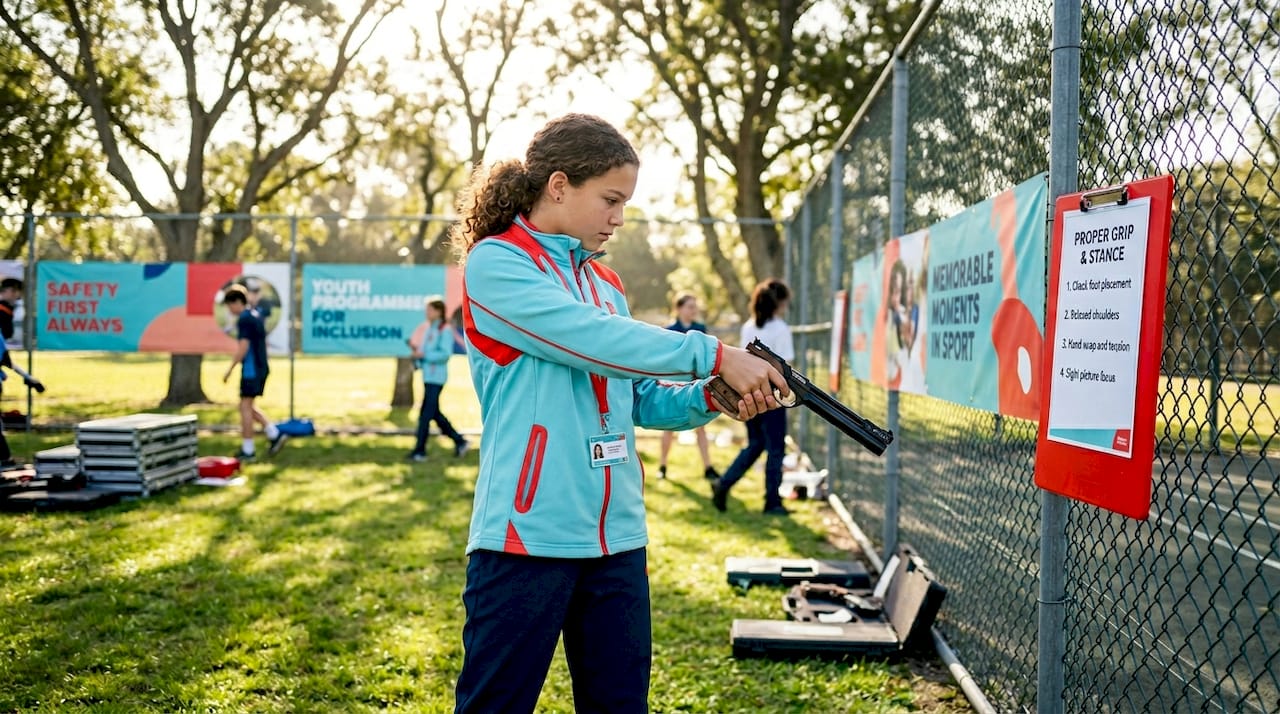
The repeatable shot process is not merely technical training. It is behavioural conditioning. Students learn that results are the product of procedure, not impulse. That lesson is profoundly transferable. The same student who learns to pause, check their stance, and breathe before shooting is building the same neural habit they will use before responding to a stressful exam question or a conflict with a peer.
What makes this particularly effective is the feedback loop. Instructors observe each attempt, identify errors in real time, and correct them immediately. This is not the same as effort-based discipline, which rewards trying hard regardless of outcome. Shooting sports teach procedural discipline: the right thing done in the right order at the right time. The difference matters because procedural discipline is what produces reliable results under pressure.
Here is how a typical training sequence reinforces this:
- The student is briefed on the shot process steps before taking position at the range.
- Each attempt is observed by a certified instructor who gives specific, immediate feedback.
- The student repeats the process, incorporating corrections, not just trying harder.
- Range safety procedures frame the entire session, making compliance a non-negotiable baseline.
- At the end of the session, the instructor reviews what improved and sets the focus for next time.
The procedural nature of range rules plays its own important role. Loading, unloading, pointing directions, and ceasing fire on command are all mandatory responses to specific triggers. Breaking these procedures has real consequences. That reality creates a seriousness of purpose that most youth activities simply cannot manufacture.
Pro Tip: If a young person is struggling with impulsive behaviour or difficulty following multi-step instructions, the shot process is genuinely therapeutic. It trains sequential thinking in a context where the consequence of skipping steps is immediately visible.
Building focus through competitive shooting
Shooting sports make an unusual demand on young people: sustained, undistracted attention for the entire duration of a session, which commonly runs 60 to 90 minutes. There is no sprint, no team play, and no physical exertion to carry the mind forward. The only thing moving is attention, and keeping it steady is the entire challenge.
The CMP Junior Rifle Camps offer a clear model for how this focus is trained. These five-day residential programmes combine physical shooting instruction with deliberate mental skills coaching. Collegiate athletes lead group discussions on attention management, mental cues, and performance reflection. Students do not simply shoot more. They think about how they are thinking while they shoot.
“Repeated practice sessions with coaching and reflection loops cultivate focus and discipline over time, not instantly.” This insight from the CMP model is what separates elite youth shooting programmes from informal target practice. The structure is the point.
The specific focus tools used in these settings include:
- Mental cues: Short internal phrases or physical anchors that redirect attention before each shot.
- Performance reflection: Post-session reviews where athletes identify what distracted them and how they responded.
- Progressive load: Early sessions involve fewer shots with more coaching; complexity increases as focus capacity grows.
- Group accountability: Students observe each other’s concentration habits, which creates a social incentive to maintain focus.
The benefits extend well beyond the range. Students who regularly practise shooting sports and focus training report improved concentration in academic settings. The ability to filter distraction, return attention after interruption, and sustain effort through discomfort are all skills with direct classroom applications.
Shooting sports vs. other youth sports for discipline
It is worth being honest about how shooting sports compare to other structured youth activities. They are not superior across the board. But they offer a specific kind of discipline development that team sports rarely provide.
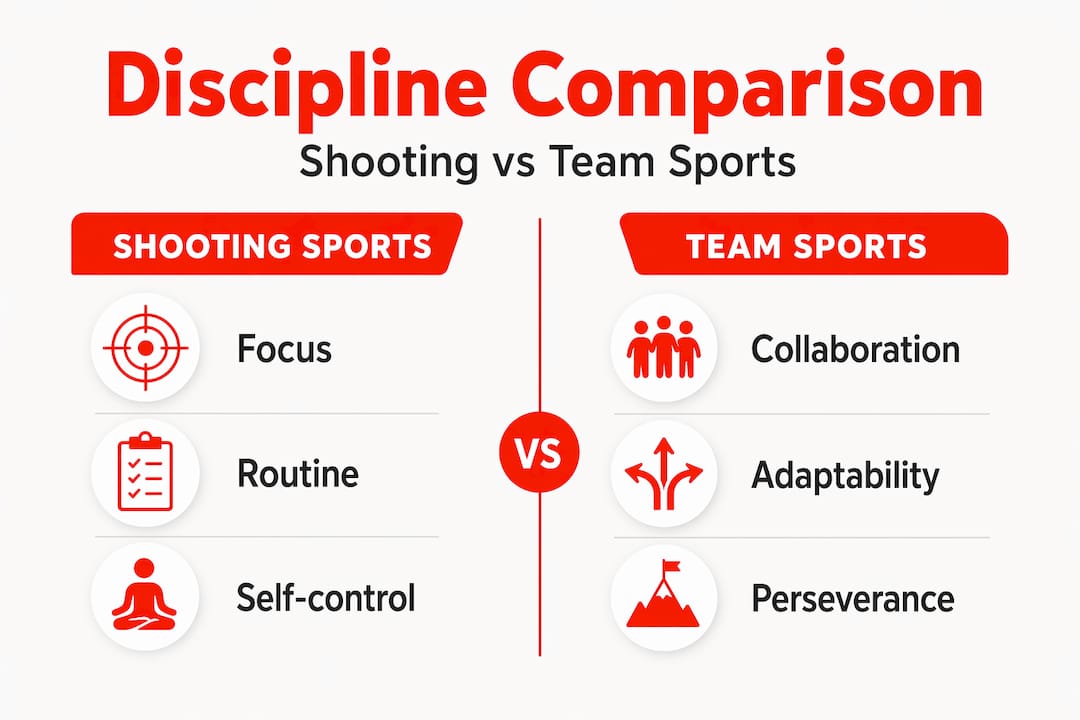
| Discipline aspect | Shooting sports | Team sports (e.g. football, netball) |
|---|---|---|
| Mental focus demand | Sustained individual concentration for full session | Intermittent focus with physical recovery periods |
| Procedural rigour | Mandatory, step-by-step shot process with real consequences | Plays and formations learned, but process is fluid |
| Mentorship structure | Ethical and moral guidance built into coach role | Coaching varies widely; ethics training is inconsistent |
| Safety culture | Safety protocols are non-negotiable and frame all activity | Safety important but rarely the primary disciplinary anchor |
| Goal-setting | Individual mastery targets tracked over time | Team goals often override individual development tracking |
| Competitive rigour | Present in club and national competition formats | Central to most programmes |
Both types of sport build perseverance, goal-setting, and the ability to handle competitive pressure. The Missouri Youth Sport Shooting Alliance notes that student air rifle programmes introduce youth to lifelong target shooting with measurable gains in confidence and responsibility, which parallels what team sport advocates claim for their own programmes. The distinction is that shooting sports develop precision-based mental discipline in a way that is difficult to replicate through physical exertion alone.
How parents and educators can get involved
Supporting a young person through a shooting sports programme does not require expertise in firearms. It requires understanding what to look for and how to reinforce the lessons at home and in school.
- Choose programmes affiliated with recognised bodies such as 4-H Shooting Sports or the NRA UK Youth Pathway, both of which mandate structured mentorship and ethical standards.
- Prioritise consistency. A student who attends sessions irregularly will develop some skill but will not build the deep procedural habits that produce lasting discipline. Twice-weekly practice over a full term outperforms monthly attendance over a year.
- Ask about mental skills coaching, not just technical instruction. Programmes that teach focus management and reflection techniques produce students with transferable concentration skills.
- Talk to your young person after sessions. Ask what they did well, what they corrected, and what they will focus on next time. This mirrors the coaching reflection loop and reinforces the habit of self-assessment.
- Consider the environmental benefits of ammunition-free alternatives if access to traditional ranges is limited or if safety concerns are a barrier to entry.
My perspective on shooting sports and youth discipline
I have spent considerable time observing youth shooting programmes, and the thing that consistently surprises people is not how well the students shoot. It is how they carry themselves.
There is a particular composure that develops in young people who have been through proper shooting sports training. They wait. They listen before they act. They do not rush to correct mistakes with more effort. They stop, reassess, and adjust their process. I have seen that same quality show up in their schoolwork and in how they handle disagreements with peers.
What I have also noticed is that this does not happen automatically. It is entirely dependent on the quality of the mentor. Programmes with qualified, ethically committed instructors produce students who genuinely internalise discipline. Programmes run without that structured adult presence produce students who can hit targets but have not developed the character that the sport is capable of building.
The biggest challenge I see is public perception. Many parents and educators dismiss shooting sports without understanding that the best programmes are, fundamentally, character development programmes that happen to use a target and a range. That gap between perception and reality costs a lot of young people access to one of the most effective discipline development tools available.
The solution is straightforward: informed advocacy from people who have actually seen these programmes in action. If you are an educator or a parent who has witnessed the transformation, talking about it openly is the most useful thing you can do.
— Joshua
Try laser clay: safe, focused, and genuinely fun
If access to traditional shooting ranges is a barrier, or if you want a low-stakes introduction to the focus and discipline benefits of shooting sports, Laserclay offers an excellent starting point.
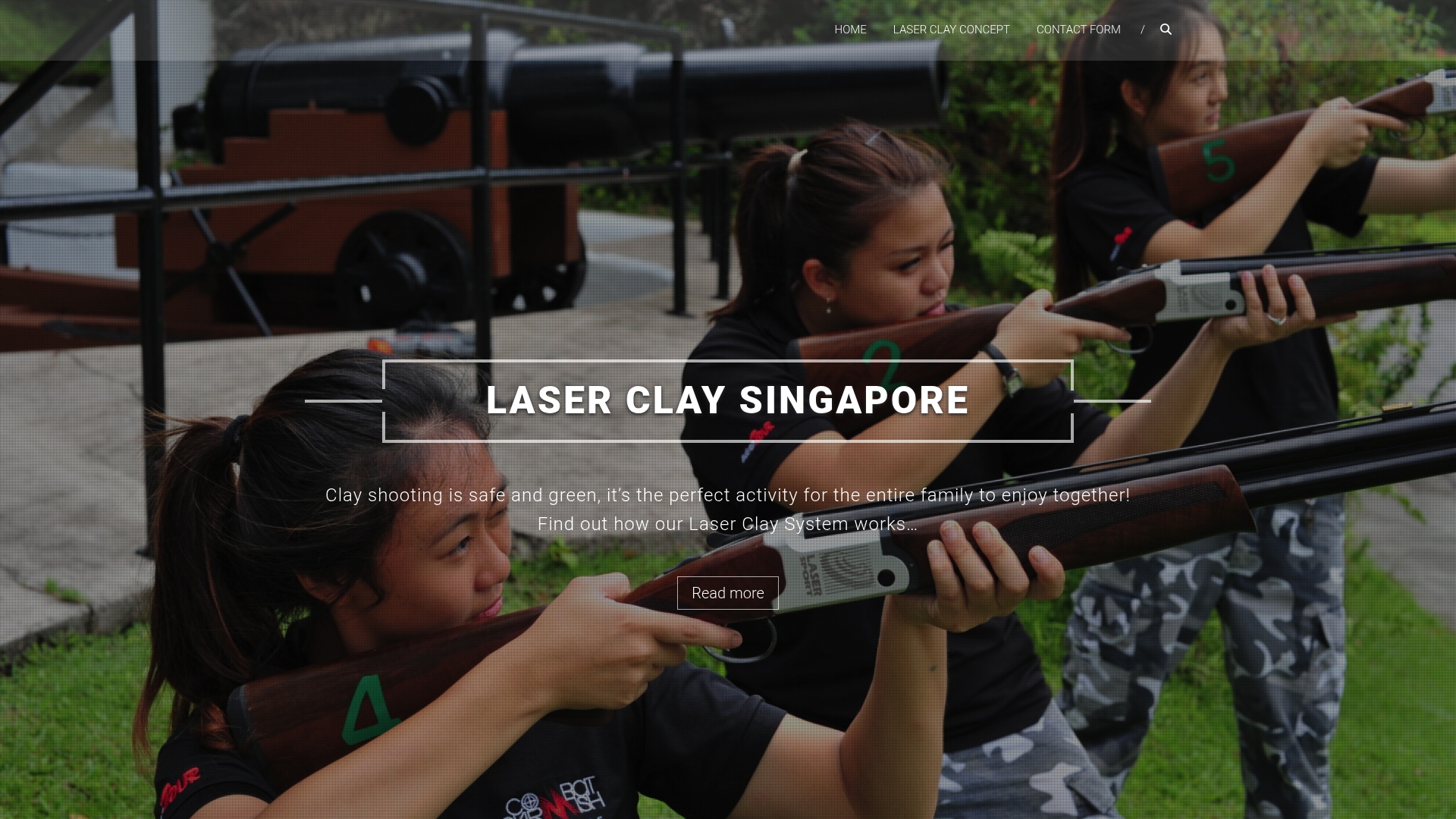
Laserclay uses advanced laser technology to replicate the clay shooting experience without live ammunition, lead, or the safety concerns that often put parents and educators off. It is fully accessible regardless of skill level or age, which makes it a practical option for school groups, youth organisations, and family activities. The same core demands apply: patience, focus, and procedural attention. Find out how to play laser clay and discover whether it fits your group’s needs. Laserclay also runs structured corporate and group events for those looking to combine discipline development with team building in a supervised, engaging format.
FAQ
Why do shooting sports teach discipline in students?
Shooting sports require students to follow a strict, repeatable shot process under supervision, which builds procedural discipline through consistent practice and immediate feedback. The structured mentorship and safety culture in programmes such as 4-H Shooting Sports reinforce responsible behaviour as a non-negotiable standard.
Can shooting sports improve a student’s focus in school?
Yes. Sessions typically demand 60 to 90 minutes of sustained attention, and structured programmes such as the CMP Junior Rifle Camps explicitly train focus through mental cues and performance reflection. Students who practise these attention management techniques regularly tend to transfer those skills to academic settings.
What age is appropriate for youth shooting sports programmes?
Most structured programmes, including 4-H Shooting Sports, accept participants from around eight to ten years of age, with activities scaled to developmental stage. The emphasis at entry level is always on safety, responsibility, and basic focus rather than competitive performance.
How does mentorship in shooting sports differ from other youth sports?
Shooting sports programmes such as those governed by the Georgia 4-H Code of Ethics mandate that instructors act as moral and ethical role models, not just technical coaches. This dual role, combining skill instruction with character guidance, is more explicitly structured than mentorship in most mainstream youth sports.
Are there ammunition-free options that still build the same discipline skills?
Yes. Laser-based alternatives such as those offered by Laserclay replicate the core demands of clay shooting, including the focus, patience, and procedural attention, without live ammunition. They are particularly useful for introducing younger students or those without range access to the discipline-building benefits of the sport.