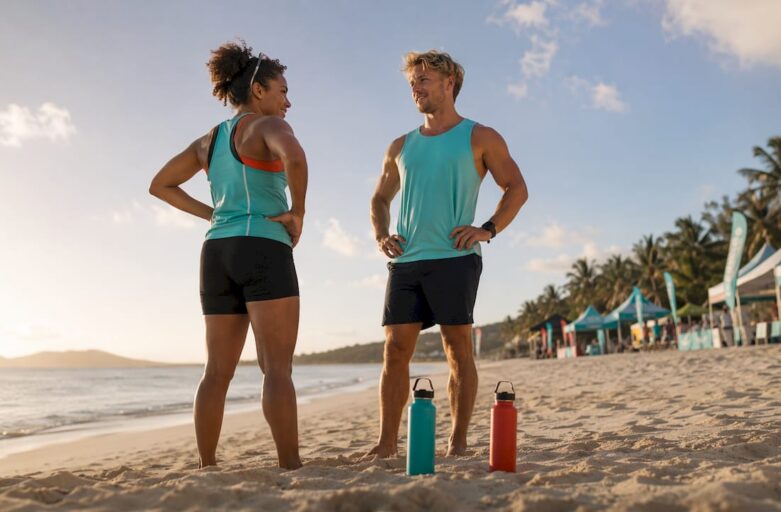
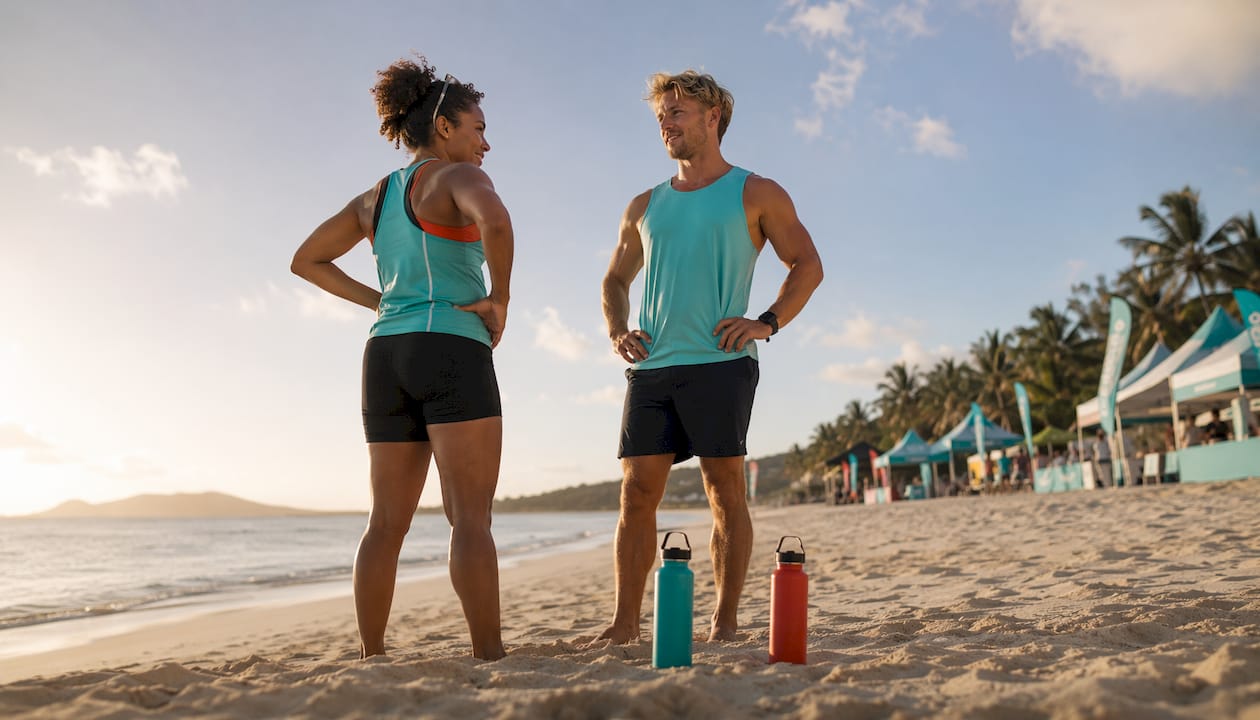
What are the best examples of competitive eco-friendly sports in 2026?
The strongest examples of competitive eco-friendly sports in 2026 share one quality: they reduce environmental harm without asking athletes to accept worse performance. From biodegradable pickleballs to laser-powered clay shooting, the field has moved well past token gestures.
- Laser clay shooting replaces lead ammunition with laser technology entirely, removing both the toxicity risk and the ground contamination that traditional clay shooting produces. Laserclay’s eco-friendly clay shooting approach makes the sport accessible to all skill levels while cutting the environmental footprint of every session.
- Biodegradable pickleball — the CORE ECO pickleball is the first ball to earn ASTM biodegradability certification and decomposes within roughly 400 days, while passing a 3,000-shot impact test and meeting USAPA tournament standards.
- Eco-designed running footwear — Hylo Athletics uses castor bean-derived nylon in its uppers, with the carbon footprint of one pair 40% lower than the industry average.
- Recycled-textile football kits — Nike’s 2026 World Cup kits are made from 100% recycled textiles via chemical recycling, producing yarn physically indistinguishable from virgin polyester.
- Circular windsurf boards — the Zephir Project’s SpeedEco prototype uses recycled carbon fibre from the aerospace industry and Arkema’s Elium thermoplastic resin, making it 100% recyclable and competitive at elite level.
- Sustainable football clubs — Vermont Green Football Club runs a Closed Loop Programme with Recover Brands, diverting 62,752 plastic bottles from landfill while competing at USL League Two level.
- Disassembly-designed footwear — some manufacturers now use reheatable adhesives so soles can be separated cleanly at end of life, enabling genuine recycling rather than landfill disposal.
Pro Tip: When evaluating sustainable sports gear for competitive use, check for third-party certifications such as ASTM biodegradability or B Corp status rather than relying on brand claims alone.

How to run eco-friendly competitive sports events in the UK
Running a genuinely green event in the UK requires more than swapping plastic cups for paper ones. The practical steps below apply directly to outdoor shooting sports and clay shooting events.
- Adopt a sustainability framework early. The R&A’s Greenlinks programme achieved zero waste to landfill for five consecutive Open Championships and cut overall emissions significantly between 2023 and 2025. A structured framework, not ad hoc decisions, drives those results.
- Choose certified equipment. For shooting events, laser-based systems eliminate lead entirely. For other consumables, require ASTM or equivalent certification before approving any product for use.
- Manage waste operationally. Vermont Green Football Club assigns staff to sort waste after every match to prevent recycling contamination. The same principle applies at shooting events: designate a waste marshal.
- Reduce transport emissions. Encourage participants to share transport or use public transit. Publish travel options prominently in pre-event communications.
- Engage participants actively. Passive signage rarely changes behaviour. Vermont Green uses match-day spotlights and raffle incentives tied to sustainable travel choices. Brief participants on your event’s sustainability goals at registration.
- Source locally. The Open Championship sourced a significant portion of food from local sources at its 153rd edition. Apply the same principle to catering and equipment hire.
What do successful eco-friendly sports events look like in 2026?
Two events stand out as practical models. The R&A’s Greenlinks programme at The Open Championship has, over a decade, moved the event to fully on-site renewable energy and prevented hundreds of thousands of single-use plastic bottles through The Open Water Initiative, delivered in partnership with Mastercard and the Priceless Planet Coalition. It also restored a substantial number of trees globally through the same initiative.
Vermont Green Football Club takes a different route: community-first rather than infrastructure-first. Their 2026 training tops, made in partnership with Ben & Jerry’s, each use approximately 23 recycled plastic water bottles and meet the Global Recycled Standard. The club reuses previous seasons’ home kits as away jerseys, cutting overproduction entirely.
Both models confirm the same thing: sustainability and competitive performance are not in conflict. Vermont Green won the USL2 National Championship in 2025 while running one of American soccer’s most ambitious green programmes.
How do you measure and report sustainability outcomes at sports events?
Measurement works best when it is set up before the event, not reconstructed afterwards. Define your baseline metrics at the planning stage: total waste generated, waste diverted from landfill, energy consumed, and transport emissions estimated from participant travel surveys.
Report against those baselines publicly. The R&A publishes Greenlinks figures annually, including specific CO₂e reductions and species counts from ecological surveys. That level of transparency builds credibility with participants, sponsors, and local authorities. For shooting events, track the number of lead-free sessions delivered and the volume of traditional consumables avoided.
Laserclay brings eco-friendly clay shooting to your next event
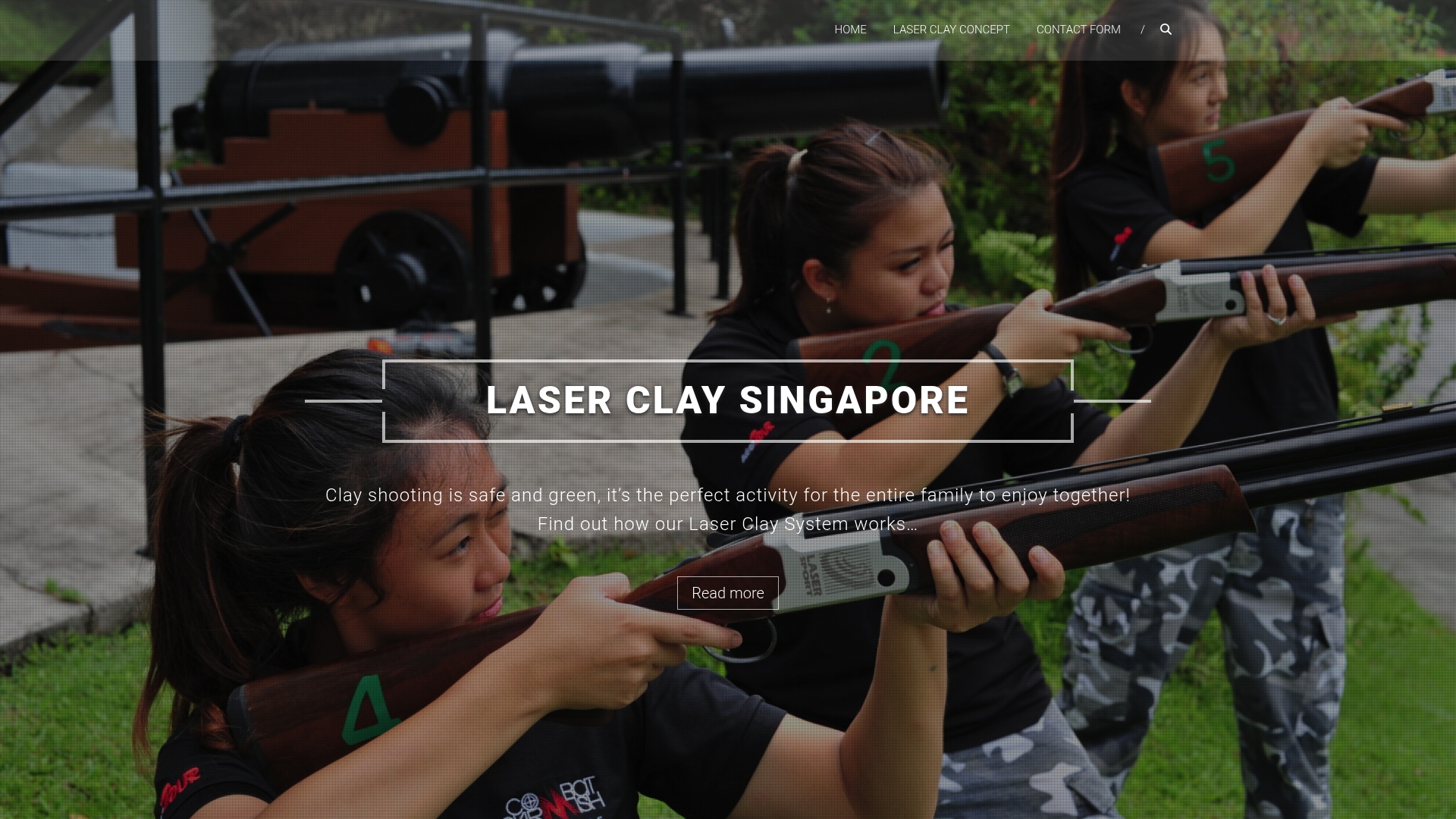
If you are organising a competitive outdoor event and want the sustainability credentials without the logistical headache of managing lead waste, Laserclay is the practical answer. It replaces ammunition entirely with laser technology, so there is no ground contamination, no safety exclusion zone, and no specialist disposal cost. Every session is as clean as the last.
Laserclay suits corporate team-building days, birthday events, and competitive group sessions equally well, with no prior shooting experience needed. You get a high-tech, fully managed experience that ticks the eco box for clients and venues alike. Book a laser clay session and see exactly how it works.
Key takeaways
Laser-based and biodegradable technologies are the most practical route to competitive eco-friendly sports in 2026, combining certified performance with measurable environmental gains.
| Point | Details |
|---|---|
| Certified equipment matters | Look for ASTM biodegradability or B Corp status; brand claims alone are not sufficient. |
| Frameworks beat ad hoc decisions | The R&A’s Greenlinks programme cut overall emissions significantly between 2023 and 2025 through structured planning. |
| Operational waste management | Assign a dedicated waste marshal at events to prevent recycling contamination, as Vermont Green FC does at every match. |
| Material innovation is real | Castor bean-derived nylon and recycled carbon fibre can cut a product’s carbon footprint by up to 40% versus industry average. |
| Laserclay for shooting events | Laserclay eliminates lead ammunition entirely, removing ground contamination and safety risks from competitive clay shooting. |
Recommended
- Tech-enhanced traditional sports: 9 examples for 2026 | Laser Clay Singapore
- Types of modern precision sport activities in 2026 | Laser Clay Singapore
- Carbon footprint of shooting sports: 2026 guide | Laser Clay Singapore
- Inclusive outdoor school sports: 10 examples for educators | Laser Clay Singapore