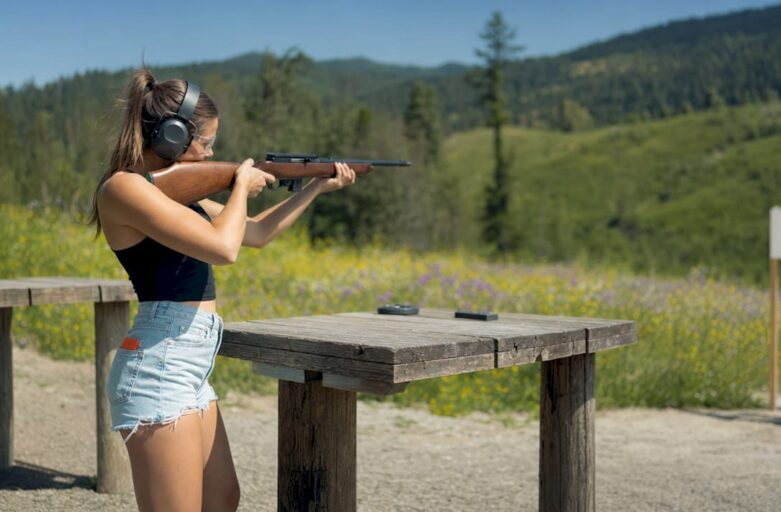
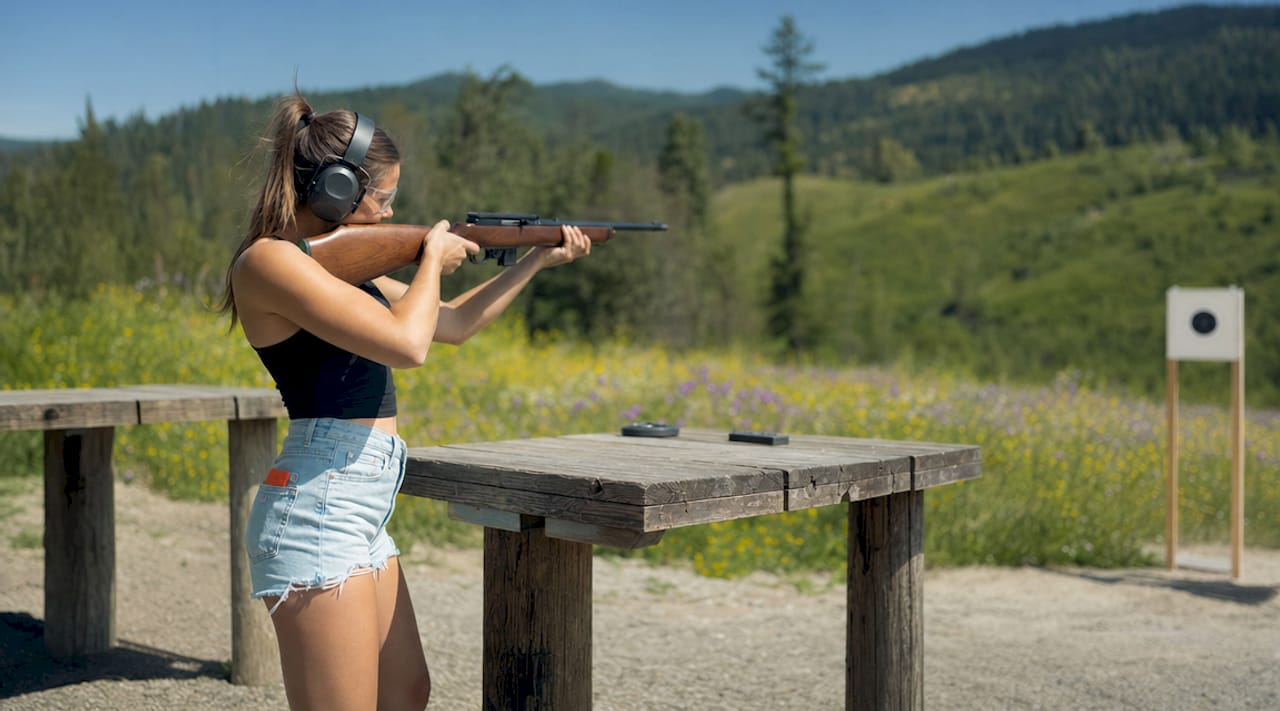
A beginner-friendly shooting sport is any discipline designed to be safe, affordable, and genuinely enjoyable for someone with no prior experience. Air rifle, trap shooting, and Steel Challenge are the three most recommended introductory shooting sports for novices, each offering low barriers to entry and a clear path for skill development. Whether you are drawn to precision, movement, or social competition, there is an easy shooting sport that fits your goals. This guide breaks down what makes each discipline accessible, compares your options honestly, and gives you practical steps to get started without wasting money or time.
What makes a shooting sport beginner-friendly?
A beginner-friendly shooting sport meets four criteria: it is legally accessible, physically manageable, affordable to start, and supported by a welcoming community. When any one of these factors is missing, the experience becomes frustrating rather than enjoyable for a newcomer.
Legal and equipment accessibility is the first filter. Air guns allow participation in minutes to hours, whereas traditional firearms require days or weeks of licensing in most countries. That gap matters enormously when you are simply trying to find out whether you enjoy the sport before committing to a licence.
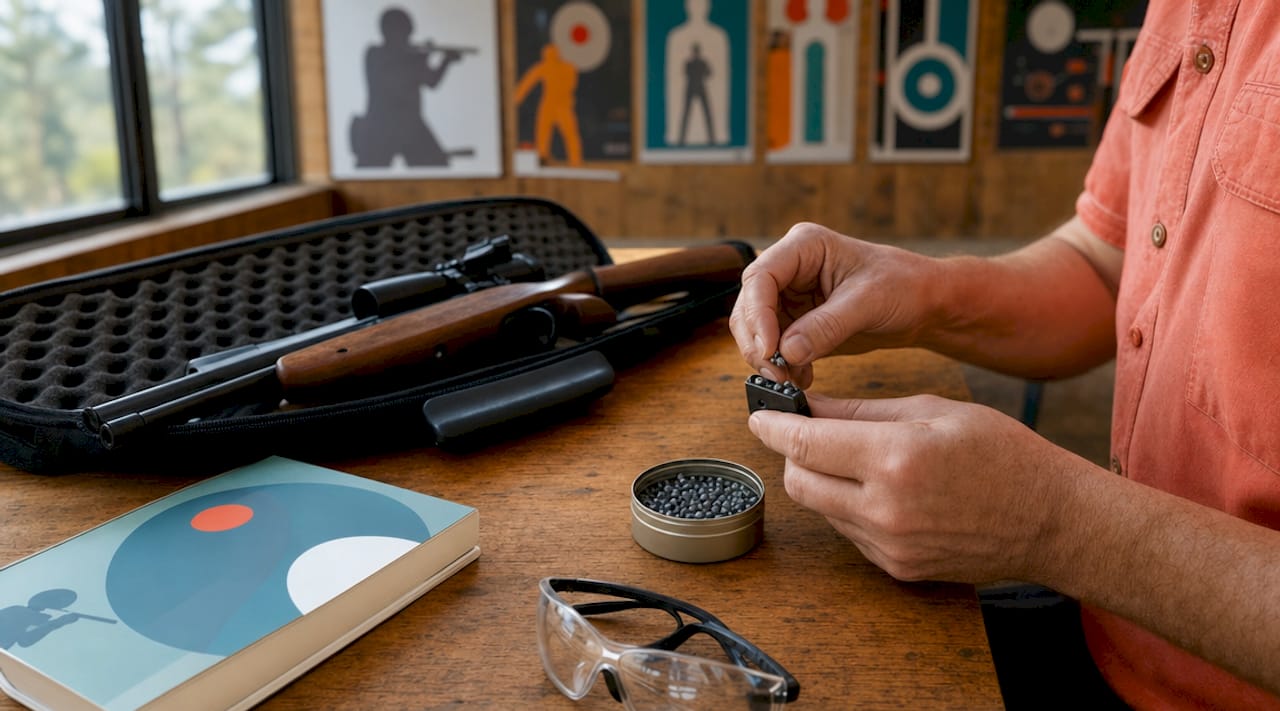
Recoil and physical demand shape confidence early on. A sport that punishes your shoulder or wrist on the first session creates flinching habits that take months to correct. Lower-calibre and laser-based systems remove that barrier entirely, letting you focus on technique rather than bracing for impact.
Cost of entry determines whether most people can sustain the hobby. Here is what typically separates accessible disciplines from expensive ones:
- Air rifle or air pistol: starter kit from £100 to £300
- Trap shooting: rental guns available at most clubs, so initial outlay is minimal
- Steel Challenge with .22 calibre: entry-level setups cost £300 to £800
- Laser clay systems: equipment can cost £0 to £200 when joining an organised session
Community and coaching round out the picture. Clubs that run structured beginner programmes, offer equipment loans, and pair newcomers with experienced members produce far better retention than those that simply hand you a firearm and point at the range.
Pro Tip: Before spending anything on gear, visit two or three local clubs as a guest. Most beginner-friendly clubs offer free or low-cost taster sessions that let you try the sport before committing to equipment.
Which shooting sports are best for beginners?
The three disciplines that consistently appear at the top of every introductory shooting sports list are air rifle or air pistol, trap shooting, and Steel Challenge. Each suits a different personality and budget.
Air rifle and air pistol
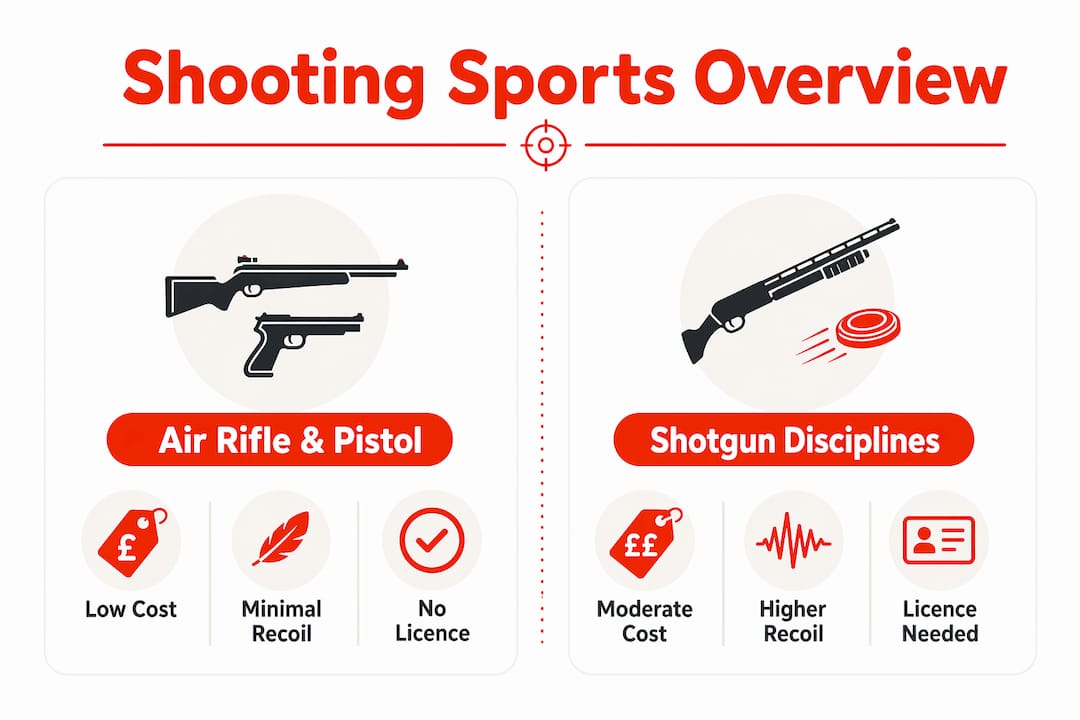
Air rifle shooting is the single most accessible entry point into the sport. Participants as young as ten or twelve can compete legally in most countries, and the equipment is quiet, low-powered, and forgiving. The most beginner-friendly discipline due to low cost and minimal recoil, air rifle also develops the core fundamentals of stance, breath control, and trigger discipline that transfer directly to every other shooting sport. Olympic-style 10-metre air rifle is the formal version, but informal target shooting at a local club is equally valid as a starting point.
Trap shooting
Trap shooting is the most social shotgun discipline for beginners. The clay targets travel predictably away from the shooter in a consistent arc, which means you can process the target before reacting rather than scrambling to track an unpredictable flight path. That predictability produces early success, and early success keeps beginners engaged. Most trap ranges offer rental shotguns and safety briefings, so your first session requires nothing more than ear and eye protection.
Steel Challenge practical shooting
Steel Challenge uses static steel plate targets arranged at fixed distances. You shoot them with a basic .22 calibre pistol in a timed sequence, and the simplicity of the format makes it one of the most approachable practical shooting disciplines available. Gear costs stay manageable because the entry-level setup avoids the expensive holsters, magazines, and modifications typical of IPSC or USPSA competition.
Comparison of beginner shooting disciplines
| Discipline | Typical starter cost | Recoil level | Licensing needed | Social factor |
|---|---|---|---|---|
| Air rifle or air pistol | £100 to £300 | None | Minimal or none | Moderate |
| Trap shooting | £0 to £50 per session | Low to moderate | Varies by country | High |
| Steel Challenge (.22) | £300 to £800 | Very low | Firearms licence required | High |
| Laser clay shooting | £0 to £200 | None | None | Very high |
Pro Tip: If you are unsure which discipline suits you, start with trap shooting or laser clay. Both are forgiving for absolute novices and give you a feel for tracking moving targets before you invest in your own equipment.
How to start shooting sports: essential tips for beginners
Getting your first sessions right sets the tone for everything that follows. These steps apply regardless of which discipline you choose.
- Prioritise safety from day one. Muzzle discipline, trigger discipline, and range rules are non-negotiable. Every certified range will brief you on these before you shoot, but read about them beforehand so the information lands properly rather than washing over you in the excitement of your first visit.
- Start with lower recoil and lower calibre. Starting new shooters on .22 calibre rimfire rifles reduces noise and recoil, helping you focus on safety and feedback without developing a flinch. The same principle applies to air rifles and laser systems.
- Learn the four fundamentals before anything else. Grip, stance, breathing, and trigger control are the foundation of every shooting sport. Spending your first three sessions on these alone, rather than chasing scores, produces faster long-term progress.
- Book at least two lessons with a qualified instructor. Self-teaching from YouTube videos is tempting but expensive in the long run. Bad habits formed early take far longer to correct than they took to develop.
- In shotgun sports, point rather than aim. Switching from rifle-style aiming to following the moving target with your eyes is critical for early trap and skeet success. Instructors call this “soft focus,” and it feels unnatural at first but produces dramatically better results.
- Manage your mental state. Frustration after a missed shot is the most common reason beginners quit. Treat each shot as a separate event and focus on process, not outcome, during your first month.
Pro Tip: When trap shooting, pre-mount the shotgun before calling for the target. Mounting the gun ahead of target release stabilises your swing and dramatically increases early success rates.
How shooting sports benefit your mental and physical well-being
Shooting sports are one of the few recreational activities that demand genuine mental presence. You cannot scroll your phone, replay yesterday’s argument, or plan tomorrow’s meeting while tracking a clay target or holding a precise sight picture. That enforced focus is precisely what makes the sport so effective as a stress-relief tool.
Shooting sports lower resting heart rate and improve focus by combining physical movement with deep concentration. Practitioners consistently describe the activity as grounding, a word that points to something real: the sport pulls your attention entirely into the present moment, which is the same mechanism behind mindfulness practice.
“Air rifle training helps beginners develop concentration and emotional control that are transferable beyond the sport itself.” — Ronak Pandit Shooting Centre
The physical benefits are less obvious but equally real. Fine motor control, hand-eye coordination, and postural stability all improve with regular practice. These gains matter particularly for younger participants and older adults, two groups for whom mental discipline in shooting translates directly into better performance in school, work, and daily life.
The social dimension should not be underestimated either. Shooting clubs are among the most genuinely welcoming communities in recreational sport. Experienced members actively mentor newcomers, and the shared focus on safety creates a culture of mutual respect that is harder to find in more competitive team sports.
How to find beginner-friendly shooting sports near you
Getting started is simpler than most people expect. The main obstacle is usually not access but awareness. Here is where to look and what to expect:
- National governing bodies: In the UK, British Shooting and the Clay Pigeon Shooting Association both maintain club finders on their websites. These are the most reliable starting points for finding accredited, safety-conscious clubs.
- Local gun clubs: Most clubs welcome walk-in visitors on designated open days. Call ahead, explain that you are a complete beginner, and ask whether they offer equipment hire and introductory lessons.
- Rental equipment: Reputable beginner-friendly ranges provide rental shotguns, air rifles, or pistols. You should not need to purchase anything for your first two or three sessions.
- Ammunition-free options: Laser clay shooting removes the need for live ammunition entirely, making it the most accessible and legally straightforward entry point available in 2026. It is also the format most suitable for group events, corporate days, and family outings.
- Online communities: Forums and Facebook groups dedicated to specific disciplines are excellent for finding local recommendations and asking questions before your first visit.
The legal requirements vary significantly by country and discipline. Air rifle shooting in the UK requires no licence for sub-12 ft/lb rifles. Shotgun and firearms certificates are required for live-ammunition clay and rifle sports. Always confirm the local requirements before booking a session.
Key takeaways
Beginner-friendly shooting sports are defined by low recoil, affordable entry costs, minimal licensing requirements, and strong coaching support, with air rifle, trap shooting, and laser clay being the most accessible options in 2026.
| Point | Details |
|---|---|
| Best entry-level disciplines | Air rifle, trap shooting, Steel Challenge, and laser clay offer the lowest barriers for novices. |
| Cost of getting started | Laser and air gun sessions cost as little as £0 to £200; Steel Challenge setups range from £300 to £800. |
| Key beginner technique | In shotgun sports, point at the target rather than aiming; pre-mount the gun before calling for the clay. |
| Mental health benefits | Shooting sports lower resting heart rate and build concentration and emotional control transferable to daily life. |
| Where to start | Contact British Shooting, the Clay Pigeon Shooting Association, or try a laser clay session with no licence required. |
Why I think most beginners start in the wrong discipline
I have watched a lot of newcomers walk into their first shooting session, and the pattern is almost always the same. They pick the discipline that looks most exciting on video rather than the one that will give them the fastest positive feedback. They end up on a full-bore rifle range or a sporting clays course when they should have started on a trap layout or an air rifle bench.
The sports that look the most impressive are rarely the most forgiving. Trap shooting and air rifle are unglamorous by comparison, but they are the disciplines where beginners leave their first session feeling capable rather than humiliated. That feeling is what brings people back. The ammunition-free shooting options available today, particularly laser clay, go even further by removing every physical and legal barrier at once.
My honest recommendation: spend your first month on the discipline with the shortest feedback loop and the most patient community. Master the fundamentals there, then move to whatever excites you most. The skills transfer almost entirely, and you will progress three times faster than someone who started at the deep end.
— Joshua
Try laser clay shooting: the easiest way to start
Laserclay offers the most accessible entry point into shooting sports available today. Using advanced laser technology, Laserclay recreates the experience of clay shooting without live ammunition, recoil, or licensing requirements. That means anyone can participate, regardless of age, experience, or physical condition.
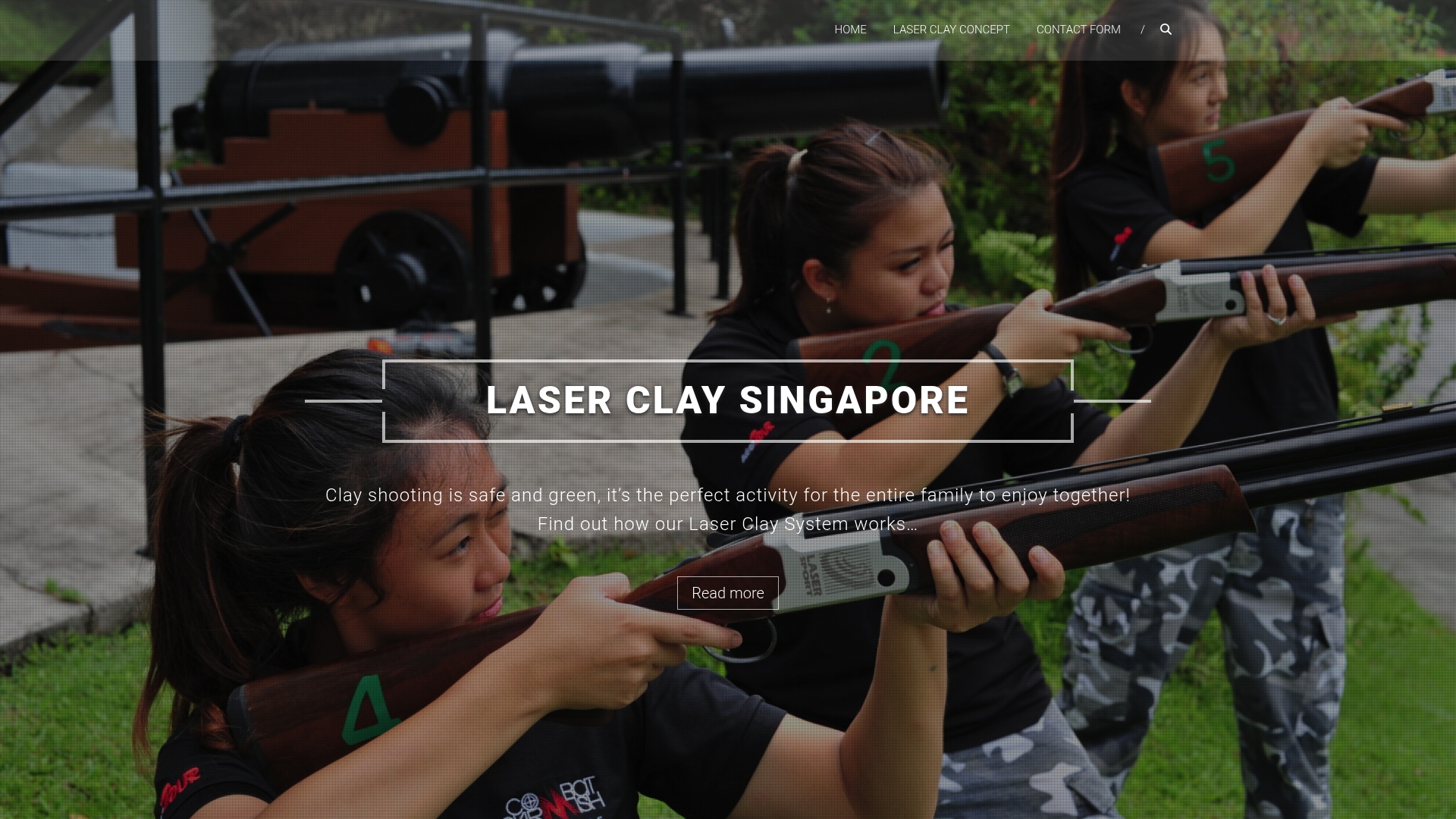
Sessions are available for individuals, families, corporate team-building events, and birthday celebrations. The format teaches genuine shooting fundamentals including target tracking, timing, and hand-eye coordination, while keeping the experience safe and environmentally responsible. If you want to discover whether shooting sports are right for you before investing in equipment or a firearms licence, try laser clay shooting as your first step. You can also explore Laserclay’s full range of experiences to find the session that suits your group.
FAQ
What is a beginner-friendly shooting sport?
A beginner-friendly shooting sport is a discipline with low recoil, affordable equipment, minimal licensing requirements, and a supportive learning environment. Air rifle, trap shooting, and laser clay are the most widely recommended options for novices.
Do I need a licence to try shooting sports as a beginner?
Licensing requirements depend on the discipline and country. Air rifle shooting in the UK requires no licence for sub-12 ft/lb rifles, and laser clay shooting requires no licence at all. Shotgun and firearms certificates are required for live-ammunition disciplines.
How much does it cost to start a shooting sport?
Costs vary by discipline. Laser clay and air rifle sessions can cost as little as £0 to £200 for your first sessions, while a Steel Challenge setup with a .22 calibre pistol typically costs between £300 and £800 to get started.
What is the best shooting sport for absolute beginners?
Trap shooting and air rifle are the two most recommended disciplines for absolute beginners because both offer predictable targets or no recoil, clear fundamentals to practise, and welcoming club environments. Laser clay is the best option if you want to start with no equipment purchase and no licence.
How do I improve quickly as a beginner shooter?
Focus on the four fundamentals: grip, stance, breathing, and trigger control. Book at least two lessons with a qualified instructor, start on a lower-calibre or recoil-free system, and treat each shot as a separate learning event rather than chasing scores in your first month.