

Laser games in school programmes are a structured, team-based activity that measurably improves physical fitness, social cooperation, and student motivation. Unlike traditional sports, laser tag uses safe infrared technology to create competitive play with no physical contact and no injury risk from impact. The benefits of laser games in school programmes extend well beyond simple recreation. A 2026 study published in Frontiers in Sports and Active Living found that an 8-week laser tag training programme significantly improved change-of-direction performance while reducing knee injury risk factors. Laserclay and similar providers have built structured school packages around exactly these advantages, making laser games one of the most practical additions to any school’s activity calendar.
1. How laser games improve physical fitness in school programmes
Laser tag is a genuine aerobic workout disguised as a game. Students sprint, dodge, crouch, and change direction repeatedly throughout each session, which builds cardiovascular endurance and lower-body strength without any of the monotony of traditional PE drills.
The physical evidence is compelling. A 2026 study recorded a statistically significant reduction in change-of-direction completion times (p < 0.001, Cohen’s d = 2.47) after an 8-week laser tag programme. That effect size is large, meaning the improvement was not marginal but substantial across participants.

Laser tag also functions as a neuromuscular conditioning tool, training the fast-twitch muscle responses that protect joints during sudden movement. Traditional PE classes rarely achieve this combination of aerobic and neuromuscular benefit in a single session. The same 2026 research confirmed that laser tag reduced knee injury risk factors compared to conventional training methods.
| Physical benefit | Mechanism |
|---|---|
| Improved agility | Repeated change-of-direction movements under game pressure |
| Reduced knee injury risk | Neuromuscular conditioning from reactive gameplay |
| Cardiovascular fitness | Sustained aerobic effort across 45–60 minute sessions |
| Coordination | Simultaneous movement, targeting, and spatial awareness |
Pro Tip: Schedule laser tag sessions mid-week when student energy levels typically dip. The physical demands of the game restore alertness better than a standard break period.
2. How laser games build teamwork and social skills
Laser tag’s primary advantage over traditional sports is that success depends on strategy and cooperation rather than physical dominance. A smaller, less athletic student who communicates well and reads the game intelligently can outperform a physically stronger peer. That shift changes the social dynamic in the room.
Structured, mission-based gameplay requires students to assign roles, share information, and adapt plans under pressure. These are the same skills taught in group projects and leadership workshops, but laser tag delivers them through experience rather than instruction. Students who resist classroom collaboration often engage readily when the context is physical and competitive.
Inclusivity is built into the format. Because timing and cooperation determine outcomes rather than size or strength, students who typically avoid team sports participate on equal terms. This matters particularly for schools with mixed ability groups or students who feel excluded from traditional sports days.
- Mission-based rounds teach students to plan before acting, not just react
- Role assignment within teams develops leadership and listening skills
- Mixed-ability teams level the playing field and reduce social hierarchies
- Post-game debriefs reinforce communication habits formed during play
- Weekly participation builds trust between students who may not interact in class
Pro Tip: Deliberately mix social groups when assigning teams. Students who share a team with unfamiliar peers develop broader social networks, which research links to improved school belonging.
3. Safety and supervision advantages over contact sports
Laser tag is a high-safety alternative to contact sports such as paintball or airsoft, with no physical impact and no projectiles. The infrared technology registers hits electronically, removing the need for physical tagging and eliminating the disputes that arise when contact is ambiguous.
For school administrators, the supervision implications are significant. Reliable hit detection means students cannot argue about whether a tag was valid. That removes a common source of conflict in unstructured physical activities and reduces the burden on supervising staff. Professional-grade equipment also ensures consistent game rules across every session, so students know exactly what to expect.
Laserclay designs its school sessions around non-contact gameplay, which satisfies duty-of-care requirements that make many contact sports difficult to approve for school use. The table below compares key safety factors across activity types.
| Activity | Physical contact | Injury risk | Supervision complexity |
|---|---|---|---|
| Laser tag | None | Very low | Low |
| Paintball | Projectile impact | Moderate | High |
| Airsoft | Projectile impact | Moderate to high | High |
| Football | Full contact | Moderate to high | Moderate |
| Traditional tag | Physical contact | Low to moderate | Moderate |
The absence of physical contact also makes laser tag suitable for students with physical limitations or those recovering from minor injuries. Schools can include a wider range of students in the same session without creating separate programmes.
4. Cost-effectiveness and practical logistics
Budget is always a deciding factor for school administrators. Laser tag school programmes typically cost around £14 per student per session, with all equipment and supervision included. That price point compares favourably with hiring sports coaches, renting specialist facilities, or purchasing consumable sports equipment.
Sessions run for 45–60 minutes, which fits neatly into a standard school period. Weekly term-based bookings allow schools to build laser tag into their regular timetable rather than treating it as a one-off event. The facility manages all equipment, setup, and facilitation, which means no preparation burden falls on teaching staff.
- All equipment is provided and maintained by the operator
- Sessions include professional facilitation, removing teacher supervision pressure
- Weekly bookings qualify for term-rate pricing at most providers
- No specialist space is required beyond a standard hall or outdoor area
- Achievement awards can be integrated into the booking to reinforce school behaviour policies
Schools can also link laser tag participation to existing reward systems. Achievement awards distributed within a 7-day turnaround reinforce academic or behavioural goals, giving the activity a purpose beyond physical exercise.
5. Engagement and the shift away from passive screen time
Students are increasingly drawn to active, screen-free experiences that combine physical movement with mental challenge. Laser tag sits precisely at that intersection. It demands physical effort and tactical thinking simultaneously, which keeps students engaged in a way that passive entertainment cannot replicate.
The activity also addresses a specific problem schools face: students who are disengaged from both academic work and traditional sport. Laser tag appeals to this group because it rewards intelligence and communication as much as athleticism. A student who maps the arena, anticipates opponent movement, and directs teammates is performing at a high level regardless of their fitness.
Laserclay’s approach to interactive group activities reflects this understanding. Structured missions give every participant a clear role, which prevents the disengagement that comes from feeling peripheral to the action. The result is a session where virtually every student is active and invested from start to finish.
6. Best practices for schools running laser game sessions
Structured sessions consistently outperform free play. Unstructured free play reduces engagement and increases the likelihood of behavioural issues, whereas clear missions and active facilitation keep students focused throughout.
- Define objectives before each round. Give teams a specific mission rather than a general instruction to “win.” Capture-the-flag formats, timed elimination rounds, and VIP protection missions each develop different skills.
- Rotate team compositions between rounds. Keeping the same teams for the entire session allows social hierarchies to solidify. Rotation forces students to adapt and collaborate with different peers.
- Use professional-grade equipment. Reliable hit detection and consistent game rules are non-negotiable. Equipment failures undermine student trust and create disputes that derail sessions.
- Appoint a facilitator, not just a supervisor. A facilitator actively manages energy levels, adjusts game difficulty, and debriefs students after each round. A supervisor simply watches. The difference in student outcomes is significant.
- Integrate weekly recognition. Link session performance to achievement awards distributed within the week. Recognition reinforces positive behaviour and gives students a reason to engage seriously with each session.
- Adjust session length by age group. Younger students benefit from shorter, more frequent rounds. Older students can sustain longer missions with more complex objectives.
Key takeaways
Laser games deliver measurable physical, social, and behavioural benefits in school programmes when sessions are structured, professionally facilitated, and supported by consistent equipment.
| Point | Details |
|---|---|
| Physical fitness gains | An 8-week programme significantly improves agility and reduces knee injury risk factors. |
| Inclusive by design | Success depends on strategy and communication, not strength, so all students compete equally. |
| Low supervision burden | Infrared technology and professional facilitation reduce disputes and teacher workload. |
| Cost-effective delivery | Sessions cost approximately £14 per student with all equipment and supervision included. |
| Structured play is essential | Clear missions and active facilitation prevent disengagement and behavioural issues. |
Why laser games deserve a permanent place in school programmes
I have watched schools cycle through activity trends for years. Most arrive with enthusiasm and fade within a term because they cannot sustain student interest or justify the administrative overhead. Laser tag is different, and I say that having seen it work across very different school environments.
The physical evidence alone would justify adoption. A Cohen’s d of 2.47 is not a marginal finding. That is the kind of effect size that exercise scientists associate with genuinely transformative interventions. The fact that it comes wrapped in something students actively want to do on their lunch break is almost unfair.
What strikes me most, though, is the social dimension. Schools spend considerable resources on anti-bullying programmes, inclusion initiatives, and team-building workshops. Laser tag delivers many of the same outcomes as a byproduct of play. Students who would never voluntarily join a team sport find themselves leading a squad, communicating under pressure, and earning genuine respect from peers. That is not a small thing.
The one caveat I would offer is that facilitation quality determines everything. A poorly run session with free play and no objectives wastes the opportunity entirely. Schools that invest in professional facilitation, as Laserclay provides, see the full range of benefits. Schools that treat it as supervised free time see very little. The activity is the vehicle. Structured facilitation is the engine.
— Joshua
Laserclay school programmes: what to expect
Laserclay brings professional-grade laser game sessions directly to schools, with structured missions, full equipment provision, and experienced facilitation built into every booking.
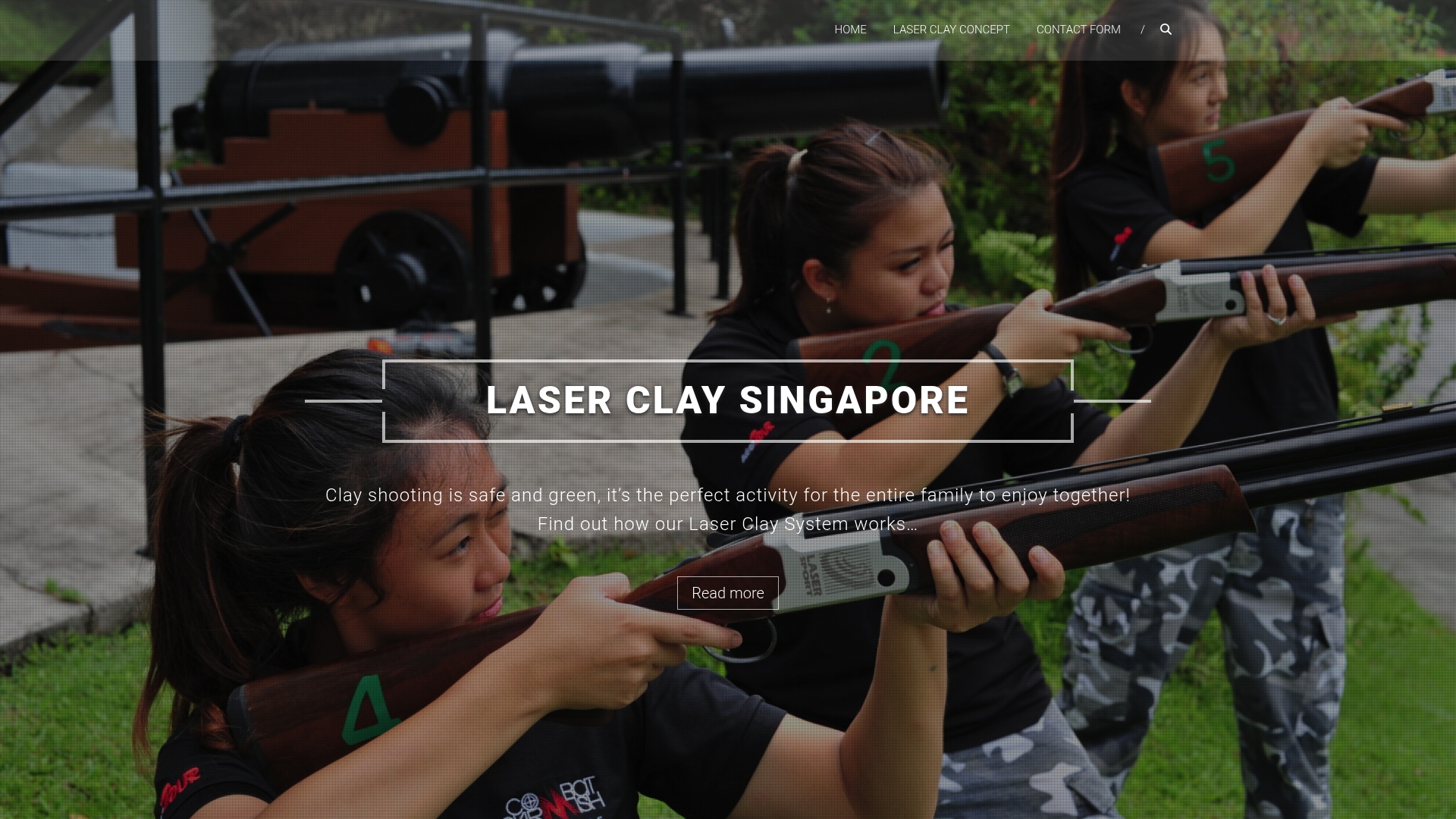
School packages from Laserclay include weekly term bookings, achievement awards to reinforce behaviour and academic goals, and session formats designed for different age groups. Every session is managed from setup to debrief, so teaching staff can observe rather than supervise. If you are ready to see how laser clay sessions fit your school’s activity calendar, Laserclay’s team can advise on formats, pricing, and scheduling. Schools looking for a broader overview of the activity can also explore what laser clay shooting involves before making a booking enquiry.
FAQ
What are the main benefits of laser games in school programmes?
Laser games improve physical agility, teamwork, and student motivation within a safe, non-contact format. A 2026 study confirmed significant gains in change-of-direction performance and reduced knee injury risk after an 8-week programme.
How much do laser tag school sessions typically cost?
Sessions typically cost around £14 per student and include all equipment, facilitation, and supervision for a 45–60 minute session.
Are laser games safe for all students, including those with physical limitations?
Laser tag uses infrared technology with no physical contact or projectiles, making it suitable for students across a wide range of physical abilities and fitness levels.
How do laser games support social inclusion in schools?
Success in laser tag depends on strategy and communication rather than physical strength, so students who avoid traditional sports can participate and contribute on equal terms.
How often should schools run laser tag sessions to see lasting benefits?
Weekly term-based bookings produce the most consistent results. Regular sessions allow students to develop communication habits and physical conditioning progressively across the term.