

Skill development in laser clay is defined as the structured process of improving shooting accuracy, hand-eye coordination, focus, and technique through repeated practice with laser-based clay shooting systems. Unlike traditional clay pigeon shooting, laser clay uses infrared beams instead of live ammunition, making the activity safe, accessible, and measurable for participants of all ages and experience levels. Laserclay sessions typically run between 30 and 90 minutes and are open to participants aged 11 upwards, with no prior shooting experience required. That accessibility is what makes laser clay one of the most practical skill training formats available for corporate groups, schools, and recreational teams today.
What fundamental skills does laser clay shooting develop?
Laser clay shooting is a data-driven training exercise that builds hand-eye coordination, concentration, and precision. These are skills directly transferable to traditional shooting sports, and they develop faster in laser clay because every shot produces instant, measurable feedback.
Hand-eye coordination is the most immediate skill participants develop. Tracking a clay disc moving at speed requires the eyes and hands to work together without conscious delay. Beginners often discover within a single session that their natural reaction time improves noticeably as they learn to read the clay’s flight path before pulling the trigger.
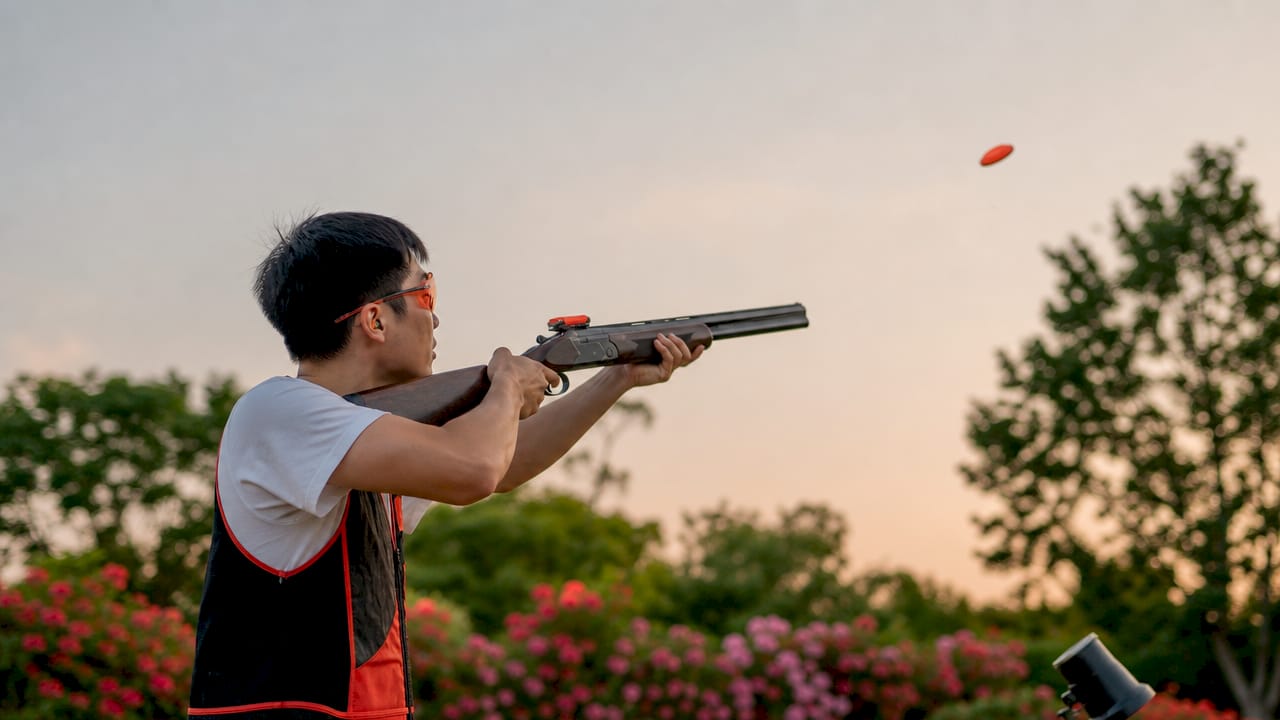
Focus and concentration are equally central. A clay target is airborne for only a fraction of a second. Participants who lose concentration between shots consistently miss, which makes sustained attention a trainable skill rather than a fixed trait. Repeated rounds teach participants to reset mentally after each shot.
Timing is the third core skill. Shooting too early or too late produces a miss regardless of aim. Laser clay systems allow participants to practise timing across many repetitions without the cost or safety concerns of live ammunition, which accelerates the learning curve considerably.
The following skills are cultivated across a standard laser clay session:
- Hand-eye coordination and reaction speed
- Target tracking and lead judgement
- Shooting stance and body alignment
- Mental focus and shot-to-shot concentration
- Timing and trigger control
Pro Tip: Focus on the clay’s leading edge rather than its centre. Shooting at the front of the target accounts for the disc’s forward movement and dramatically improves your hit rate from the first session.
How does laser clay technology enhance skill training?
Laser clay replaces live ammunition with harmless infrared beams, which removes the safety risks and environmental concerns associated with traditional clay shooting while preserving the core skill challenge. That combination of safety and realism is what separates laser clay from both conventional shooting ranges and purely digital simulations.
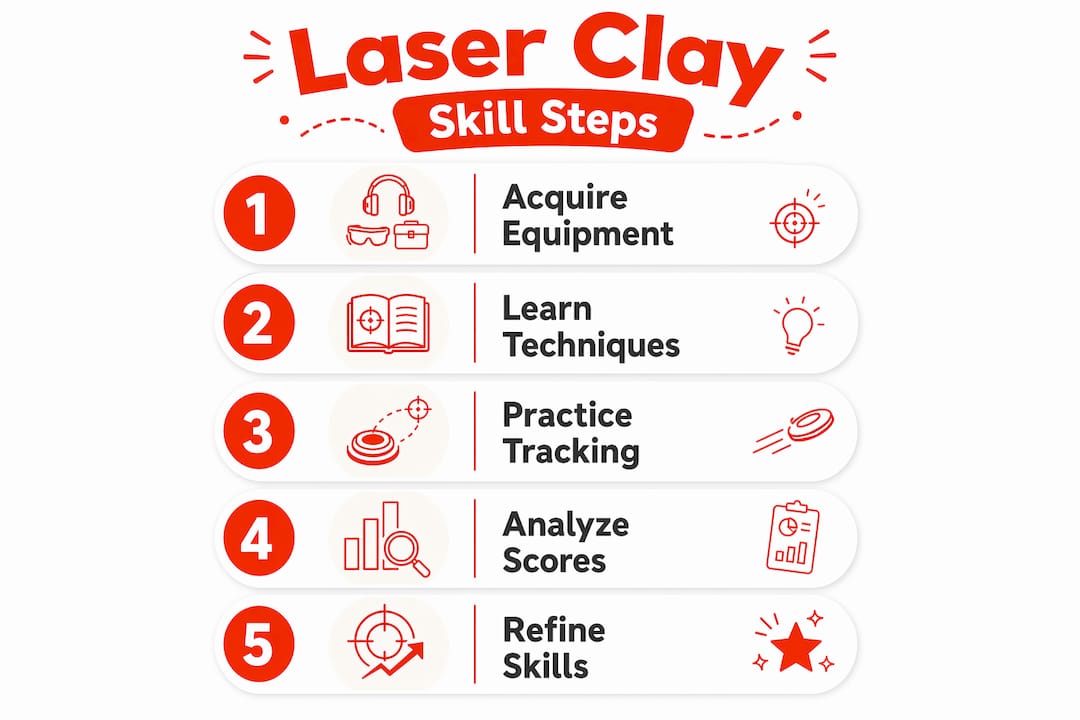
The most significant training advantage is instant electronic feedback. Scoreboards record every hit and miss in real time, giving participants and instructors a clear picture of error patterns after each round. Expert instructors use these scoreboards as diagnostic tools, helping participants recognise exactly where their mechanics break down and correct them between rounds. That feedback loop compresses learning time considerably compared to traditional shooting, where errors are harder to trace without specialist coaching.
Advanced laser clay systems also allow operators to change clay speed and trajectory mid-session. Increasing difficulty dynamically tests participants under pressure, which is a training condition that static drills cannot replicate. A participant who performs well at standard speed quickly discovers whether their technique holds up when the clay accelerates or changes angle unexpectedly.
One environmental factor worth understanding is ambient light. Sunlight and artificial glare can affect infrared sensor accuracy, so instructors conduct site assessments before sessions to prevent false readings. This is a setup consideration unique to laser clay that traditional shooting does not share.
| Feature | Traditional clay shooting | Laser clay shooting |
|---|---|---|
| Ammunition | Live shotgun cartridges | Infrared beam, no projectile |
| Safety risk | High, requires strict protocols | Minimal, suitable for all ages |
| Skill feedback | Instructor observation only | Instant electronic scoreboard |
| Environmental impact | Lead shot, noise pollution | No lead, low noise |
| Difficulty adjustment | Fixed clay launcher settings | Dynamic speed and trajectory changes |
| Session cost per round | High, ammunition costs accumulate | Lower, no consumable ammunition |
What practical methods improve laser clay shooting skills?
Improving laser clay shooting skills follows a clear progression. Beginners who try to aim through sights, as they would in a video game, consistently underperform. The correct approach is the natural pointing technique, where the participant points the barrel instinctively at the target rather than lining up a sight picture. This adjustment is the single most important technical shift for new participants.
A structured approach to skill improvement works as follows:
- Establish your stance. Stand with feet shoulder-width apart, weight slightly forward on the front foot. A stable base prevents the body from swaying during the swing, which is the most common cause of missed shots.
- Learn to track before you shoot. Follow the clay with the barrel for a moment before firing. Participants who rush the shot consistently miss behind the target.
- Apply the natural pointing technique. Point the barrel at the clay as you would point a finger at a moving object. Do not look down the barrel. Keep both eyes open and let instinct guide the shot.
- Review your scoreboard after every round. Identify whether your misses cluster in a particular direction. Consistent misses to the left, for example, indicate you are stopping your swing before pulling the trigger.
- Request progressive difficulty increases. Once you hit a consistent rate at standard speed, ask the instructor to increase clay speed or introduce crossing trajectories. Skill only grows under challenge.
Pro Tip: Ask your instructor to run two identical rounds back to back. Compare your scores. If the second score is lower, fatigue is affecting your concentration. If it is higher, you are learning within the session. That comparison tells you more about your development than any single score.
Technology-enhanced sessions transform gameplay into a focused skill-building exercise rather than purely a competitive activity. Participants who treat the scoreboard as a learning tool rather than a ranking system improve faster than those focused solely on beating their group.
How does laser clay support team-building and educational programmes?
Laser clay shooting sessions accommodate groups of varying sizes, making the format well suited to corporate team-building, school activities, and recreational events that promote camaraderie and shared skill improvement. The activity works because it places every participant on equal footing regardless of prior experience.
The group dynamic in laser clay produces several specific benefits:
- Shared challenge builds rapport. Participants who struggle together and improve together form stronger working relationships than those who complete passive team activities.
- Healthy competition sharpens focus. Scoreboards create natural motivation without requiring external prizes or incentives.
- Communication improves under pressure. Teams that discuss technique between rounds develop a habit of constructive feedback that transfers directly to workplace collaboration.
- Inclusivity removes barriers. Because no prior experience is needed and sessions are open to participants from age 11 upwards, groups with mixed ages and fitness levels can participate equally.
- Skill progression is visible. Participants can see their scores improve across rounds, which creates a concrete sense of achievement that purely social activities rarely deliver.
For educational settings, laser clay provides a structured activity that teaches concentration, self-assessment, and resilience through a physical challenge. Schools and youth organisations find that participants who struggle initially and then improve develop a measurable increase in confidence. That outcome is difficult to replicate in classroom-based skill development programmes.
Key takeaways
Skill development in laser clay shooting requires consistent practice, instant feedback from electronic scoreboards, and progressive difficulty increases to build lasting accuracy and focus.
| Point | Details |
|---|---|
| Core skills trained | Hand-eye coordination, timing, focus, and shooting stance improve across every session. |
| Technology drives feedback | Electronic scoreboards identify error patterns, allowing participants to correct mechanics between rounds. |
| Natural pointing technique | Pointing instinctively at the clay, rather than aiming via sights, is the key technical adjustment for beginners. |
| Progressive difficulty matters | Increasing clay speed and trajectory mid-session builds skill under pressure, not just in ideal conditions. |
| Group settings accelerate learning | Team formats create healthy competition and shared feedback that speed up individual skill development. |
Why I think most groups underestimate what laser clay actually teaches
Most corporate groups book laser clay expecting a fun afternoon. What they get, if the session is run well, is a live demonstration of how their team actually learns under pressure. That distinction matters.
I have watched groups where the most confident person in the room misses every clay in the first round because they refuse to change their technique. The natural pointing method feels counterintuitive to anyone who has played a first-person shooter game. The participants who improve fastest are not the most athletic. They are the ones who listen, adjust, and use the scoreboard honestly.
The beginner’s guide to laser clay covers the mechanics well, but the real lesson is behavioural. Skill development in any physical discipline requires a willingness to look bad before you look good. Laser clay compresses that process because the feedback is immediate and the stakes are low. Nobody loses money or gets hurt when they miss a clay. That safety makes people more willing to experiment with their technique, which is exactly the condition that accelerates learning.
The groups that get the most from laser clay are those who treat the scoreboard as a coaching tool from round one. The groups that get the least are those who treat every miss as an embarrassment. That pattern shows up in workplace learning too, which is why I think laser clay is genuinely useful for organisations that want to observe and develop how their people respond to challenge.
— Joshua
Laserclay: skill training and team events in Singapore
Laserclay runs sessions designed for groups who want a structured, skill-focused activity that works for every participant regardless of experience.
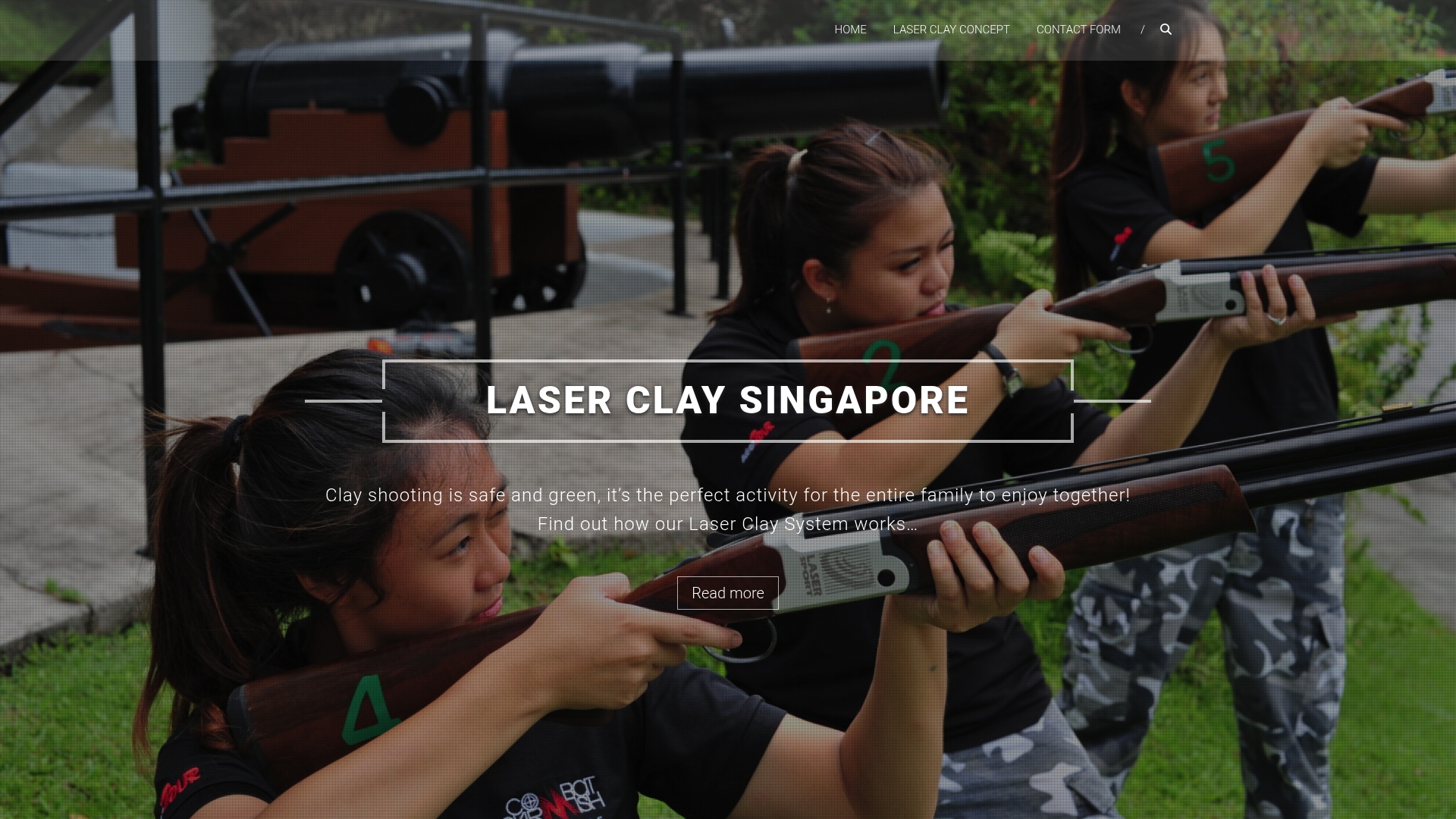
Every session uses infrared laser technology that removes the safety risks and environmental concerns of traditional clay shooting entirely. Professional instructors guide participants through stance, technique, and progressive difficulty settings, so groups leave with measurable improvement rather than just a good memory. Whether you are planning a corporate team-building event or a recreational outing, Laserclay tailors the session to your group’s size and goals. Visit Laserclay to check availability and book your session.
FAQ
What is skill development in laser clay shooting?
Skill development in laser clay shooting is the process of improving hand-eye coordination, timing, focus, and shooting technique through structured practice with laser-based clay systems. Instant electronic feedback and progressive difficulty settings make the skill-building process faster and more measurable than traditional shooting practice.
What age group can participate in laser clay skill training?
Laser clay sessions are open to participants from age 11 upwards and require no prior shooting experience. Sessions typically run between 30 and 90 minutes, making them practical for school groups, corporate teams, and recreational participants alike.
How does the electronic scoreboard help participants improve?
The scoreboard records every hit and miss in real time, allowing instructors to identify error patterns such as consistent misses in one direction. Participants use that data to correct their stance or swing mechanics between rounds, which accelerates skill improvement significantly.
What is the natural pointing technique in laser clay?
The natural pointing technique means directing the barrel at the clay instinctively, as you would point a finger at a moving object, rather than aiming through sights. This adjustment is the most important technical shift for beginners and directly improves accuracy from the first session.
Is laser clay shooting suitable for corporate team-building?
Laser clay accommodates varied group sizes and requires no prior experience, making it well suited for corporate events. The shared challenge and visible scoring create natural communication and healthy competition that transfer directly to workplace collaboration.