

The best approach for most technology teams mixes short, low-friction digital warm-ups during the week with one or two immersive, facilitated tech experiences each quarter. This article groups ideas by format, in-person, virtual and hybrid, and gives you the practical checks (timing, accessibility, cost) you need to pick and run them well.
TL;DR:
- Virtual activities like escape rooms and micro-hackathons are suitable for remote teams and can be completed in as little as two hours with simple judging criteria.
- In-person activities such as VR and drone races work best for small groups and require careful facilitator management and space planning for safety and engagement.
- Hybrid sessions demand equal role options for remote participants and a shared leaderboard to ensure fairness and active participation.
- Laser Clay shooting offers a low-friction, scalable, and environmentally friendly option that suits groups from ten to larger corporate events within indoor or outdoor venues.
- The most effective team activities balance frequent short warm-ups with quarterly immersive events, focusing on participation and output over entertainment or photo op moments.
Table of Contents
- At-a-glance categories and quick decision guide
- In-person tech-friendly activities and how to run them
- Virtual and hybrid activities that engage distributed tech teams
- How to choose and run the right activity: actionable framework
- Logistics, budgets and venue notes for planners
- Why Laser Clay is a pragmatic choice for tech teams
- Planner perspective: concise practical trade-offs
- Book Laser Clay: how to enquire and what to expect
- FAQ
- Sources
- Principal studies and practical guides referenced
At-a-glance categories and quick decision guide
Before picking an activity, it helps to know what each format is actually good for.
- In-person: Physical, often facilitated activities (VR sessions, laser clay, drone relays) that build trust through shared presence.
- Virtual: Fully remote activities (escape rooms, coding challenges) run over video or dedicated apps, suited to distributed teams.
- Hybrid: A mix of the two, where some participants are in a room and others join remotely, requiring extra design to keep both groups equally engaged.
Choose in-person when your team is co-located or flying in for an offsite and you want a memorable, bonding-heavy event. Choose virtual when most of the team works remotely and you need something that fits into a normal week without travel. Choose hybrid only when you can commit to mirrored roles and a shared leaderboard, otherwise remote staff end up watching rather than playing.
Run every choice through four filters: team size, the specific goal (trust, creativity, skills practice), the time you actually have, and whether everyone can take part regardless of physical ability or seniority. Budget is the final filter, since it often decides whether an idea stays a short warm-up or becomes a quarterly event.
In-person tech-friendly activities and how to run them
VR multiplayer sessions and simulation rooms work well for groups of 4 to 10 and suit goals like problem-solving under pressure or spatial coordination. A facilitator typically runs the headset rotation, keeps non-playing participants engaged with a live screen feed, and times rounds so no one waits too long between turns.
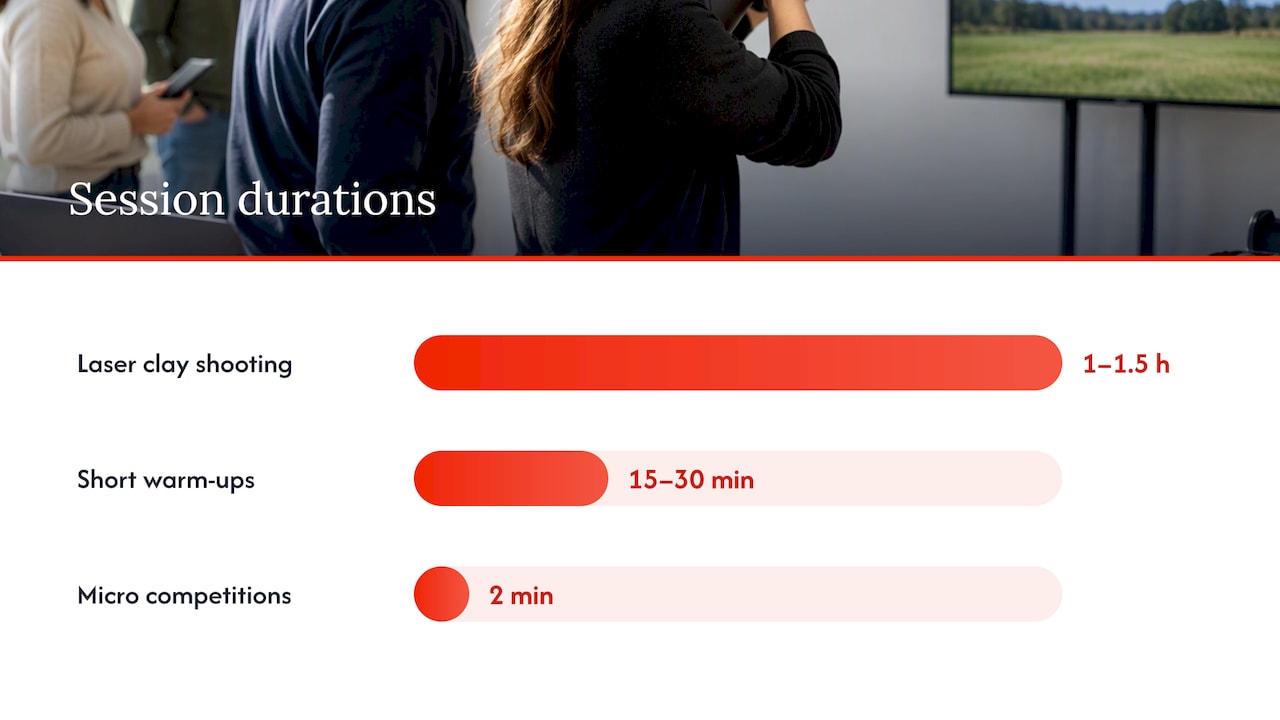
Laser clay shooting is a good fit when you want a competitive, scoring-based activity without the safety and environmental concerns of live ammunition. Sessions usually run around an hour to an hour and a half, work for mixed-skill groups since the format relies on electronic scoring rather than physical strength, and suit both indoor function rooms and outdoor spaces. Laser Clay runs these as fully facilitated sessions with real-time scoreboards, which means nobody needs prior experience to compete fairly.
Drone-control relay races and robot build-off challenges need more space, usually a hall or large meeting room, and a clear safety briefing before anyone picks up a controller. They work best for teams that want to practise fine motor coordination and quick decision-making in a low-stakes, visibly fun setting.
App-driven scavenger hunts and QR-code leaderboard games run on phones your team already owns, which keeps setup light. Teams scan codes around an office or venue, answer tech-themed clues, and watch scores update live on a shared screen, a format that suits competitive teams who enjoy a visible ranking.
For short windows, a few options fit inside 15 to 30 minutes; you can also explore structured ideas like those in team building activities ideas for basketball coaches to adapt warm-up approaches for your tech team.
- A timed bug-hunt or logic puzzle sprint, scored and projected on a shared screen.
- A two-minute “fastest fix” micro-competition using a broken snippet of code or a deliberately misconfigured device.
Pro Tip: Keep the facilitator separate from the scorekeeper role; trying to do both slows the session and causes disputes over results.
Virtual and hybrid activities that engage distributed tech teams
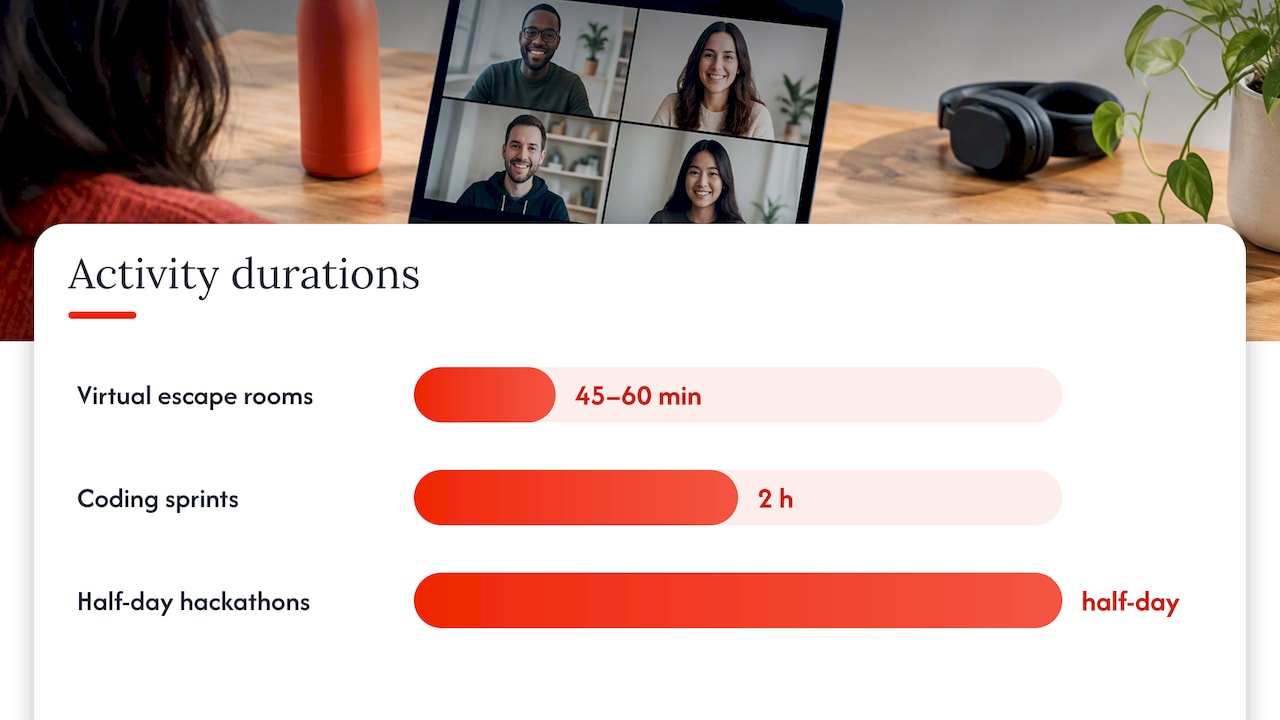
Virtual escape rooms and story-driven online puzzles typically run 45 to 60 minutes with a dedicated host who manages pacing and hints. Scoring usually tracks completion time or clues used, which gives remote teams a clear, comparable result even when they never share a physical room.
Gamified coding challenges and micro-hackathons compress well into a half-day or even a two-hour sprint. Keep judging criteria simple, working solution, creativity, and teamwork, and skip elaborate prizes in favour of recognition that gets shared with the wider company, such as a shout-out in a team channel.
AI-assisted brainstorming sessions give teams a way to generate a wider spread of ideas than a standard whiteboard session. A pre-registered field experiment found that generative AI raised individual performance to match team-level output, helped bridge gaps between different functions, and improved how people felt about collaborating, which makes it worth building into any ideation session rather than treating it as a novelty. The structure matters: give each person a prompt template, have everyone generate ideas independently first, then feed the combined output through AI to spot patterns before group discussion.
Live polls, short quizzes and asynchronous “playlists” of prompts (one question a day in a shared channel) are the lowest-friction options of all. Slack’s guidance on team culture notes that short digital and asynchronous activities increase participation among distributed teams precisely because they fit into existing routines rather than demanding a separate calendar slot.
For hybrid sessions, fairness depends on two things:
- Give remote participants the same role options as in-room staff, never a passive “watch the screen” role.
- Use one shared, visible leaderboard rather than separate scores for the room and the call.
How to choose and run the right activity: actionable framework
Start by matching your primary goal to a format type.
- Trust building: physical or virtual escape rooms and story-driven puzzles that force shared decisions under light pressure.
- Coordination practice: drone relays, robot build-offs or timed scavenger hunts where roles must interlock.
- Creative output: AI-assisted brainstorms or hackathons where the measure is the range of ideas produced.
- Skills practice: coding challenges and bug-hunt sprints that mirror real work under a timer.
On team assignment, the choice between randomly assigning people and letting them pick their own groups matters more than most managers assume. Research on team self-selection found that random assignment tends to outperform self-selection for tasks where the work is unevenly distributed, while self-selection works better when a task needs close cooperation and complementary skills. In practice, randomise for quick warm-ups and competitive games, and let people choose their own teams for multi-day hackathons or creative projects.
Before running anything, a short facilitator checklist avoids most of the problems that derail sessions: confirm timing and a clear start and end, assign a scorekeeper separate from the host, check physical and digital accessibility for every participant, and prepare two or three debrief prompts (“what worked”, “what would you change”) to close the session properly.
Pro Tip: Track participation rate and the number of ideas or solutions generated rather than relying on how much laughter you heard in the room.
Logistics, budgets and venue notes for planners
Costs typically break down into the activity fee itself, a facilitator charge where one is needed, venue hire, catering, and transport if the team is travelling. Ask any vendor directly whether their quoted price already includes venue and setup, since bundled packages can carry a meaningful mark-up over booking each element separately, a pattern Singapore event planning guidance flags as worth checking before you sign.
- Indoor function rooms and office meeting rooms suit laser clay, VR and quiz formats and usually need 30 to 60 minutes of setup time.
- Outdoor parks or open spaces suit drone relays and larger scavenger hunts but need a weather contingency plan.
- Ask suppliers directly about permits, safety briefings and accessibility provisions rather than assuming these are included.
- Book at least two to three weeks ahead for anything requiring specialist equipment, and keep a simple backup activity in reserve in case of weather or technical failure.
Why Laser Clay is a pragmatic choice for tech teams
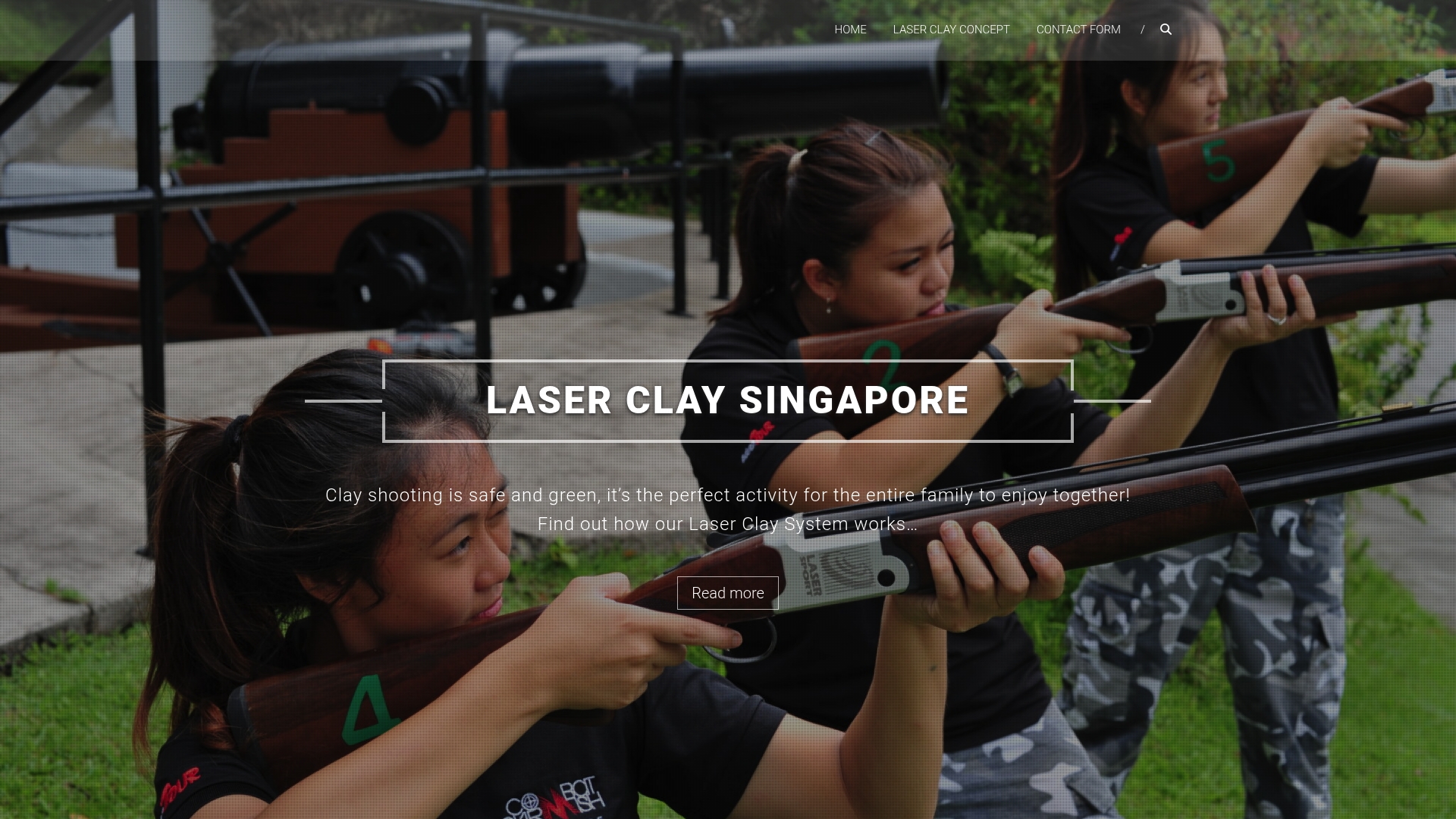
Laser Clay works as a pragmatic option precisely because it removes the usual friction points of a physical team activity: no live ammunition, no lead residue, and a scoring system that puts a first-timer on equal footing with an experienced shooter. Sessions are fully facilitated, run on real-time electronic scoreboards, and use reusable targets rather than disposable clays, which matters to planners weighing environmental impact alongside cost.
- Works well for groups from small teams up to larger corporate gatherings, typically over 60 to 90 minute sessions.
- Suits both indoor venues and outdoor spaces, so the format travels with the booking rather than dictating it.
- Open to participants from age 10 upward, which helps when an event mixes staff and families.
When enquiring, confirm setup time at your chosen venue, whether the space suits indoor or outdoor play, and what scoreboard or leaderboard options are available for your group size.
Planner perspective: concise practical trade-offs
Weekly five-minute warm-ups and one immersive event a quarter beat either extreme on its own: constant novelty exhausts a team, while a single annual offsite fades from memory within weeks. The real trade-off is depth against time, and the metric that matters is participation and idea output, not how many people smiled during the photo.
— Joshua
Book Laser Clay: how to enquire and what to expect
Laser Clay turns team building into a structured, scored competition rather than a loosely organised afternoon, which takes the planning weight off you and puts it on a team that runs these sessions regularly. The Corporate Laser Clay Package is priced at 69 SGD one-off per person and covers facilitation, scoring and equipment.
When you enquire, come with three answers ready: your group size, your venue or preferred location, and your target session length. From there, visit the corporate booking page to check availability and get a quote.
FAQ
What are the top 10 team building activities?
There is no single official top 10, but recurring favourites across guides include escape rooms, scavenger hunts, hackathons, VR challenges, quizzes, cooking sessions, sports-style competitions, laser clay shooting, AI-assisted brainstorms and volunteering days. The right mix depends on your team’s size, location split and goals rather than a fixed ranking.
What are some 15-minute team building activities?
Short options include a timed bug-hunt sprint, a quick-fire quiz round, or a two-minute “fastest fix” challenge using a broken code snippet or device. These fit inside a normal meeting slot and need minimal setup, which Slack’s team culture guidance notes helps sustain participation among distributed staff.
What are some fun tech-based team building activities for small groups?
For smaller groups, VR multiplayer sessions, laser clay shooting, and app-driven scavenger hunts all scale well without needing a large venue. Laser clay in particular suits mixed-skill groups since scoring is electronic rather than dependent on physical strength or prior experience.
What are the 5 C’s of a team?
Definitions vary across sources, but a common version covers communication, coordination, cooperation, commitment and conflict resolution. Research on team-development interventions supports focusing on related basics, role clarity and goal-setting, as practical ways to strengthen these areas rather than treating them as abstract traits.
Sources
- When, and why, do teams benefit from self-selection? | Experimental Economics
- The cybernetic teammate: A field experiment on generative AI and teamwork (Organization Science)
- 10 team building activities to strengthen culture | Slack blog
- Affordable team-building venues in Singapore (Venuerific blog)
Principal studies and practical guides referenced
- When, and why, do teams benefit from self-selection?
- The cybernetic teammate: A field experiment on generative AI and teamwork
- 10 team building activities to strengthen culture
- Affordable team-building venues guide