
Precision sports are defined as competitive and recreational activities requiring exceptional accuracy, technical skill, and mental discipline to achieve consistent results. The types of modern precision sport activities available today span everything from laser clay shooting and archery to AI-coached golf and Olympic ski mountaineering. Technology, governing body reforms, and a growing demand for eco-friendly formats have reshaped who can participate and how. This article covers the key precision sports categories, what makes each distinct, and how to choose the right one for your goals.
What are the main types of modern precision sport activities?
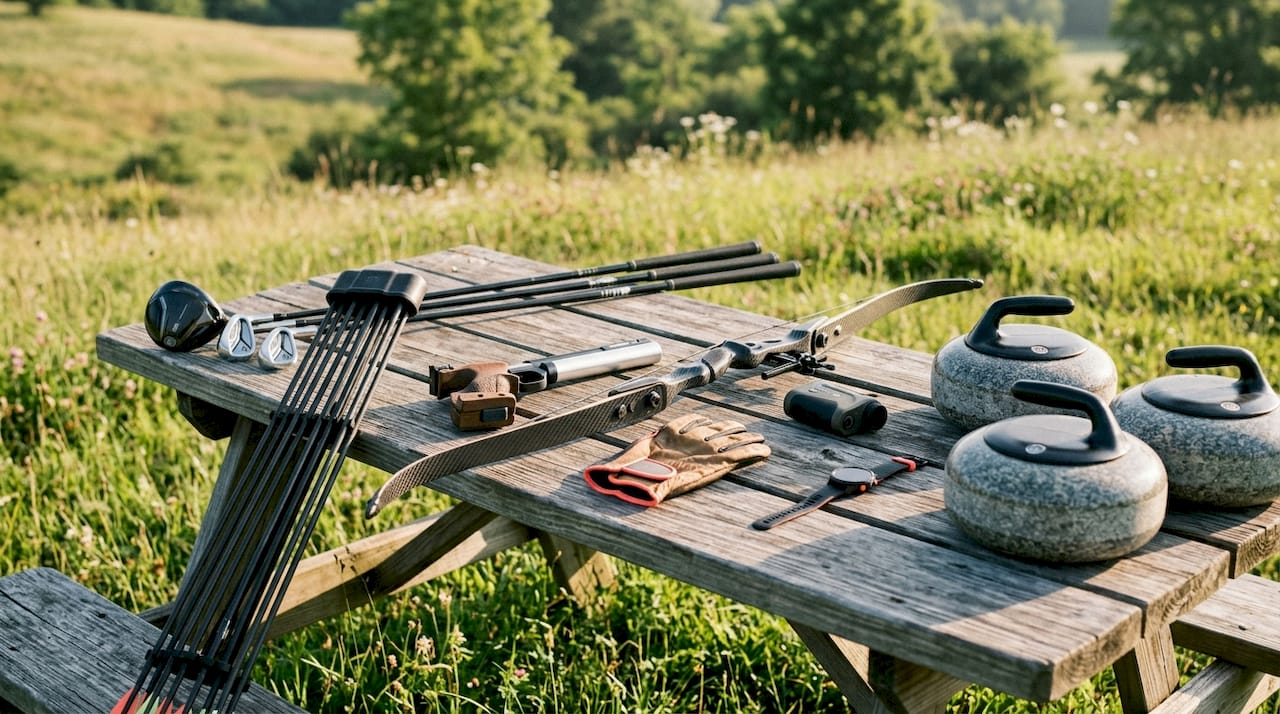
Precision sports demand accuracy above all else. Unlike endurance or team sports, success depends on repeatable technique, mental composure, and often, mastery of specialised equipment. The following disciplines represent the core of what modern precision sport looks like in 2026.
- Laser clay shooting uses safe laser technology to simulate clay target shooting without ammunition, lead, or environmental damage. Laserclay offers this format for groups ranging from corporate teams to birthday parties, making it one of the most accessible precision activities available.
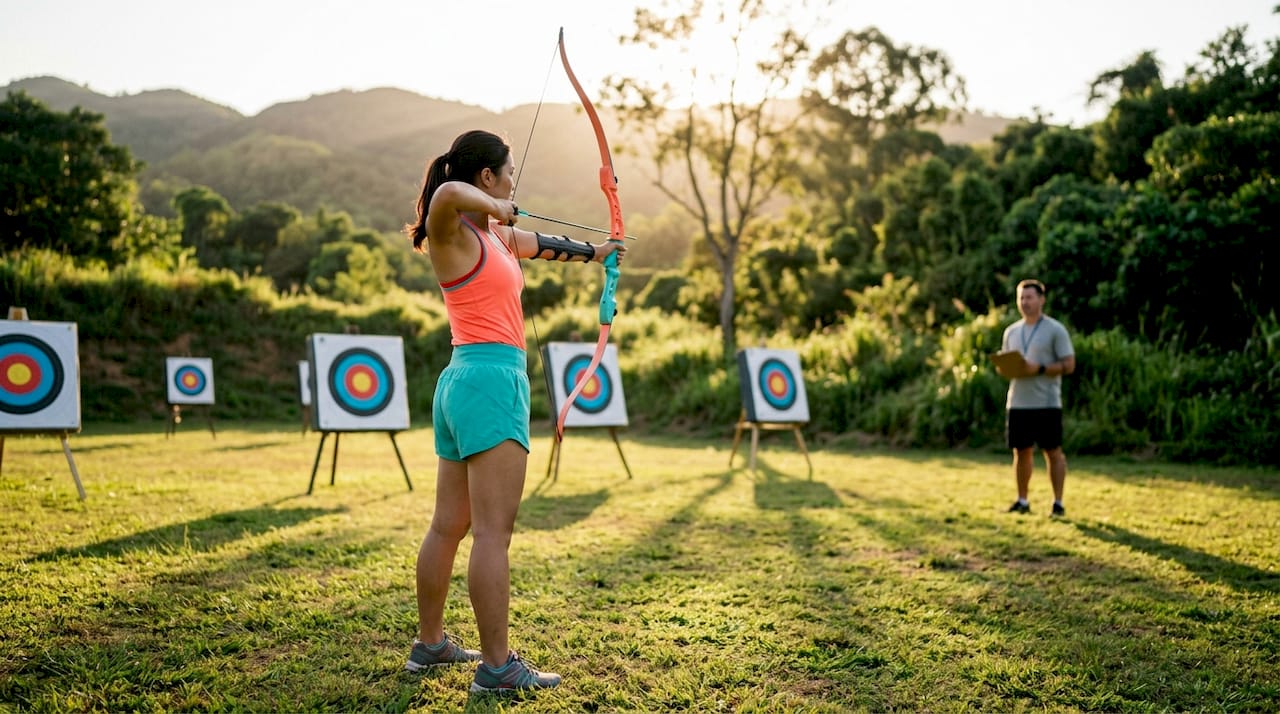
- Archery requires breath control, consistent anchor points, and upper body stability. World Archery governs both recurve and compound formats at Olympic level.
- Shooting sports include 10m air pistol, rifle, and F-Class long-range disciplines. The NRA introduced new F-Class categories in 2026 to lower cost barriers and make competitive shooting more accessible.
- Golf combines distance control, course management, and shot-by-shot mental resets. It is one of the few precision sports where AI coaching tools are now mainstream.
- Curling demands precise weight delivery and sweep timing. Teams must read ice conditions and adjust strategy in real time.
- Ski mountaineering debuted at the 2026 Winter Olympics with sprint heats lasting approximately 3.5 minutes. Athletes navigate 70-metre elevation changes using lightweight equipment, combining uphill endurance with downhill precision.
- Smart-ball sports such as football and volleyball now incorporate connected balls that track impact data, enabling precision analysis of technique at a granular level.
Each discipline places different demands on the athlete. Shooting sports and archery prioritise stillness and nervous system control. Golf and curling reward strategic thinking and feel. Ski mountaineering adds a physical intensity layer that separates it from purely static precision activities.
How is technology transforming modern precision sports?
Technology has moved from passive data collection to active coaching. The shift matters because athletes no longer simply review what happened. They receive real-time guidance on what to do next.
-
AI-driven coaching in golf. The Arccos Golf app now uses AI to transform past performance into prescriptive coaching. It generates tailored practice drills, warm-up routines, and course strategies based on millions of tracked shots. This moves training from passive tracking to targeted improvement.
-
Connected smart balls. The adidas Trionda tracks data at 500 Hz per impact, pinpointing exact contact timing and ball behaviour. That level of detail enables coaches to identify technique flaws invisible to the naked eye.
-
Predictive safety systems. Canyon Predict uses radar and edge AI to warn cyclists of hazards before they occur. This represents a shift from reactive safety to proactive protection, a model other precision sports are beginning to adopt.
-
Digital course measurement. In alpine skiing, MBCD uses satellite positioning and surveying to create 3D course models that improve competitive fairness and athlete safety. Digital objectivity removes human error from course setting.
-
Indirect biometric sensing. Smart equipment now assesses athletic fatigue and technique quality without requiring wearables. Smart balls analyse impact data to give immediate feedback on gesture quality, changing how coaches monitor athletes during training.
Pro Tip: If you are new to tech-assisted precision training, start with an app like Arccos Golf before investing in hardware. Software-based coaching delivers measurable improvement at a fraction of the cost of connected equipment.
The transition from tracking to prescriptive coaching represents the most significant shift in athlete development across all precision sports categories. Athletes who adopt these tools gain a structured feedback loop that traditional coaching alone cannot replicate.
What eco-friendly and safer alternatives exist within precision sports?
Traditional shooting sports carry real environmental costs. Lead shot contaminates soil and water, and spent cartridges accumulate at ranges over time. Several formats now address this directly.
- Laser clay shooting eliminates ammunition entirely. Laser clay uses safe laser technology to simulate the clay shooting experience without harming soil or water. Laserclay delivers this format for events of all sizes, from small group sessions to large corporate outings.
- 10m air pistol and air rifle use compressed air rather than gunpowder, producing no lead residue outdoors. The NRA’s new F-Production category for 2026 also lowers equipment cost, making entry-level participation more realistic for newcomers.
- Archery produces no chemical waste and uses reusable arrows. Indoor archery ranges operate with minimal environmental footprint.
- Simulation-based training uses screen-based systems to replicate shooting scenarios without live ammunition. These systems are common in military and law enforcement training and are increasingly available for civilian sport.
| Format | Ammunition required | Environmental impact | Suitable for beginners |
|---|---|---|---|
| Laser clay shooting | No | Negligible | Yes |
| 10m air pistol | No (compressed air) | Low | Yes |
| Traditional clay shooting | Yes | High (lead) | With supervision |
| Archery | No | Negligible | Yes |
The environmental concerns in clay shooting are well documented. Lead accumulation in soil near traditional ranges has prompted governing bodies in several countries to accelerate the adoption of lead-free alternatives. Laser-based formats sidestep this problem entirely.
How do psychological and physiological demands define precision sports?
Precision sports force athletes to quiet their nervous systems. That separates them fundamentally from reactive and endurance activities, where arousal and aggression often help performance.
“Elite marksmen learn to lower their heart rate between shots through sustained practice of autonomic nervous system control, a rare skill that goes far beyond technical training.”
In golf, the challenge is different but equally demanding. Players must perform a full mental reset between each shot, often waiting several minutes between turns. Sustained focus without the benefit of continuous physical movement is a skill that takes years to develop.
Research confirms that heart rate and nervous system regulation are critical for accuracy in shooting sports. Athletes who cannot control their arousal level under pressure will see their scores deteriorate regardless of technical proficiency. This is why elite shooters often train breathing and relaxation techniques as seriously as they train their stance and trigger control.
Curling adds a team psychology layer. Players must communicate clearly under time pressure, trust their teammates’ reads of the ice, and adjust tactics mid-end. The mental load is collective rather than individual, which makes it distinct from solo precision disciplines.
Pro Tip: Box breathing (four counts in, four counts hold, four counts out, four counts hold) is used by elite shooters and archers to lower heart rate before a shot. Practise it off the range first until it becomes automatic.
What situational factors influence the choice of a precision sport?
Choosing a precision sport is not just about personal interest. Practical factors shape which discipline is realistic and sustainable for any individual or group.
- Accessibility and cost. Laser clay shooting and archery have low entry costs and require no specialist outdoor facilities. Traditional shooting sports require licensed ranges, safety equipment, and in many jurisdictions, a firearms licence.
- Safety requirements. Laser-based formats carry no ballistic risk, making them suitable for all ages and mixed-ability groups. Shooting sports attract mixed demographics precisely because formats like laser clay remove the barriers that traditional firearms create.
- Personality fit. Precision sports largely attract personality types that thrive on individual focus, technical mastery, and psychological challenge. Purists gravitate toward archery and target shooting. Daredevils tend toward ski mountaineering and biathlon. Record-Breakers are drawn to golf and long-range rifle, where measurable improvement is constant.
- Group versus individual goals. Corporate teams and social groups benefit most from formats that are easy to learn, safe, and competitive without requiring prior skill. Laser clay shooting fits this profile directly. Competitive athletes seeking ranking points need governing-body-sanctioned disciplines such as ISSF shooting or World Archery events.
- Environmental values. Groups with eco-conscious priorities should prioritise laser-based or air-powered formats. Traditional clay shooting’s lead pollution in soil is a genuine concern that laser alternatives resolve completely.
The right precision sport is the one you will actually practise consistently. Accessibility, safety, and enjoyment matter more than prestige when you are starting out.
Key takeaways
Modern precision sports offer the widest range of formats in history, from Olympic ski mountaineering to laser clay shooting, and technology is making every discipline more accessible, safer, and measurable.
| Point | Details |
|---|---|
| Precision sports span many formats | Core disciplines include laser clay, archery, golf, curling, shooting sports, and ski mountaineering. |
| Technology drives coaching quality | AI apps like Arccos Golf and smart balls tracking at 500 Hz deliver prescriptive, real-time feedback. |
| Eco-friendly options exist | Laser clay shooting and air-powered formats eliminate lead and chemical waste entirely. |
| Mental discipline is non-negotiable | Autonomic nervous system control and shot-by-shot focus define performance across all precision disciplines. |
| Format choice depends on context | Safety, cost, personality type, and group versus individual goals all determine the best precision sport. |
Why I think precision sports are entering their most interesting era
I have followed precision sports for over a decade, and the pace of change in the last two years has been unlike anything before it. The arrival of ski mountaineering at the 2026 Winter Olympics is a signal, not just a novelty. Governing bodies are actively seeking formats that combine technical demand with broader appeal.
What strikes me most is the convergence of safety, sustainability, and technology. These were once treated as separate concerns. Now they are inseparable. Laser clay shooting is the clearest example. It delivers the full sensory and competitive experience of clay shooting without the ammunition, the lead, and the licensing complexity. That is not a compromise. It is an upgrade.
The athletes I respect most in precision sports are not necessarily the most technically gifted. They are the ones who have mastered the mental side. Quieting your nervous system under pressure is a skill that transfers to almost every area of life. That is a compelling reason to take up a precision sport beyond the competition itself.
My honest view is that the formats gaining the most ground in 2026 are those that remove barriers without removing challenge. Laser-based shooting, AI-coached golf, and connected smart-ball training all fit that description. If you are choosing a precision sport for the first time, start with the one that is easiest to access. You can always go deeper once the habit is formed.
— Joshua
Precision sport experiences worth trying with Laserclay
Laserclay brings laser clay shooting to groups across Singapore, offering a format that is safe, clean, and genuinely competitive.
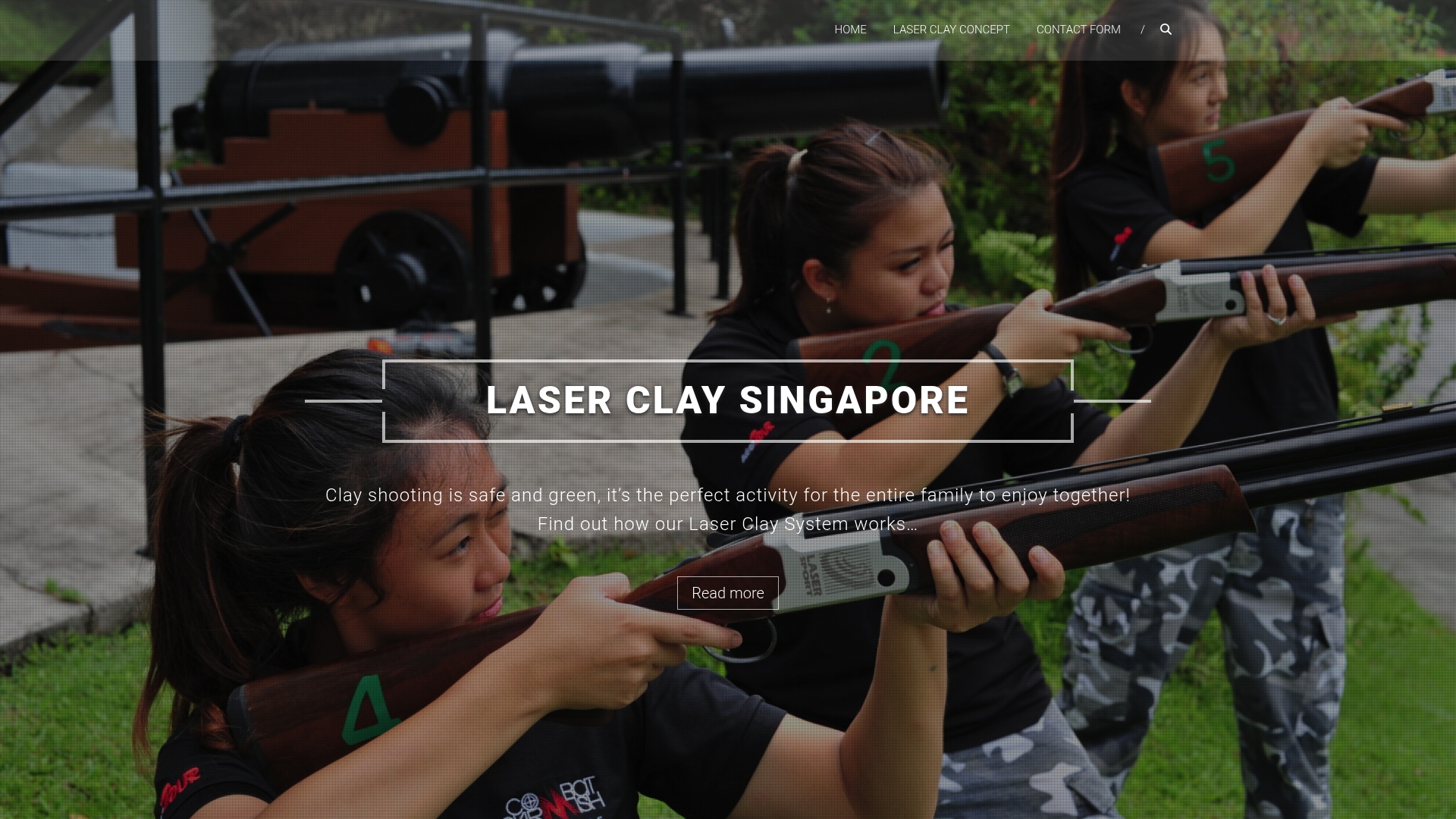
Whether you are planning a corporate team-building event or a weekend activity with friends, Laserclay provides the full clay shooting experience without ammunition, lead, or licensing requirements. The format suits complete beginners and experienced shooters equally. Sessions are available for carnivals, camps, and private events. If you want to experience a modern precision sport that is accessible, eco-friendly, and immediately enjoyable, learn how to play laser clay and book your session today.
FAQ
What are precision sports?
Precision sports are competitive and recreational activities defined by the requirement for high accuracy, technical skill, and mental discipline. Examples include archery, golf, shooting sports, curling, and laser clay shooting.
Is laser clay shooting safe for all ages?
Yes. Laser clay shooting uses safe laser technology with no ballistic risk, making it suitable for children, adults, and mixed-ability groups without specialist safety equipment or licensing.
How does technology improve precision sport training?
AI coaching apps such as Arccos Golf convert performance data into prescriptive drills and strategies. Smart equipment like connected balls tracking at 500 Hz provides immediate feedback on technique that passive observation cannot match.
What is the most eco-friendly precision sport?
Laser clay shooting and archery produce negligible environmental impact. Traditional clay shooting generates lead contamination in soil and water, which laser-based formats eliminate entirely.
Do I need prior experience to try a precision sport?
No prior experience is needed for formats like laser clay shooting or beginner archery. Both are designed for immediate participation, with technique improving naturally through guided practice.