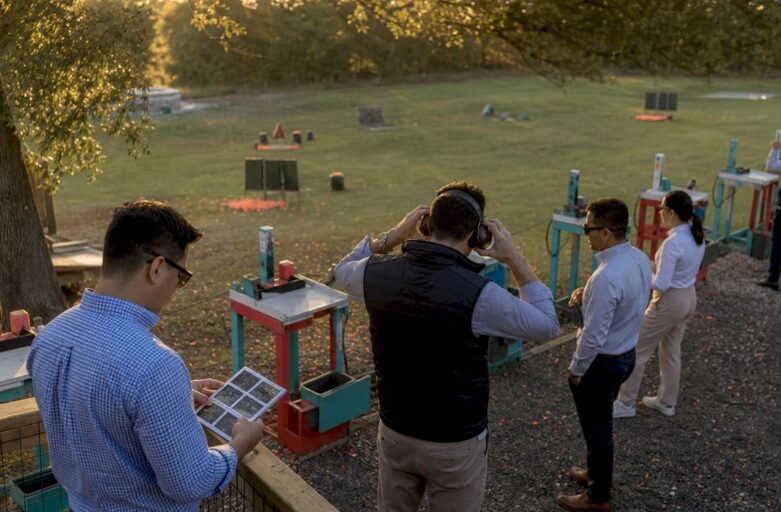
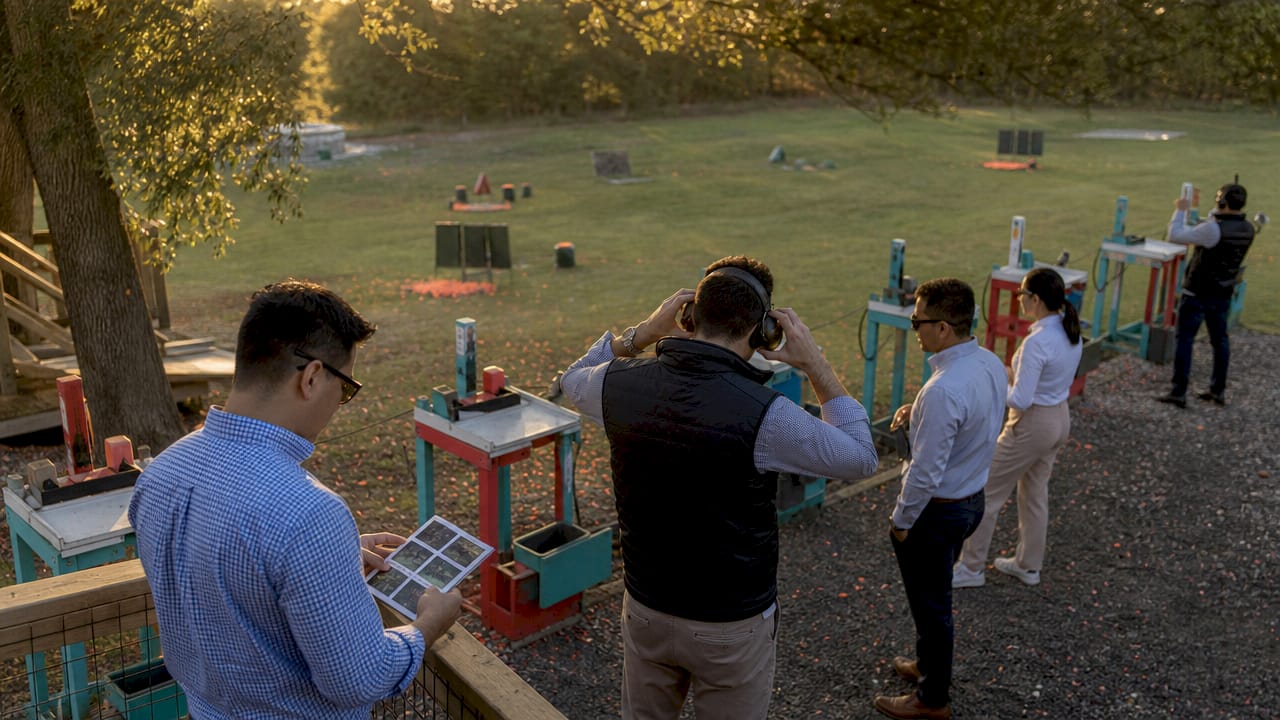
A competitive office shooting event is a structured, team-based activity where colleagues compete in timed shooting rounds, scored against each other to build camaraderie and friendly rivalry. Unlike passive team outings, shooting competitions demand focus, coordination, and communication, which makes them unusually effective for workplace bonding. Laserclay’s laser-based format removes the barriers of live ammunition, making the sport accessible to every skill level. Whether you are planning your first corporate shooting challenge or refining an existing programme, this guide covers every step from venue selection to post-event follow-up.
How do you organise a competitive office shooting event?
The foundation of any successful corporate shooting challenge is knowing what you are building before you book anything. A competitive format differs from a casual range visit in one key way: every participant has a stake in the outcome. That means you need defined teams, a scoring system, and a clear event timeline before a single shot is fired.

Shooting sports combine adrenaline-fuelled competition with a team bonding opportunity that traditional formats simply cannot replicate. That combination is why corporate bookings have grown into one of the most valuable segments for shooting venues. Corporate events yield 15–30 times the revenue of a single visitor booking, which explains why venues now design dedicated packages around them.
Start by defining your objectives. Are you rewarding a high-performing department, onboarding a new cohort, or running an annual company day? The answer shapes your format, your budget, and your venue choice. A reward event calls for a premium experience with awards and photography. An onboarding event calls for shorter rounds, more coaching, and a relaxed atmosphere.
What do you need before the event: venues, equipment, and permissions
Venue type is the first practical decision. Each option carries different logistics, cost structures, and participant experiences.
- Indoor shooting ranges offer controlled environments, consistent lighting, and built-in safety infrastructure. They suit groups of 10–40 participants and work well year-round.
- Outdoor setups provide more space and a dramatic backdrop, but require weather contingency planning and portable safety barriers.
- Mobile shooting setups, such as those offered by Laserclay, bring the equipment to your chosen site. This removes travel time for participants and allows you to use a familiar corporate venue or outdoor space.
Venues with clubhouse amenities support business presentations and social dining alongside the shooting activity. That combination compounds the event’s value, particularly when clients or senior stakeholders are attending.
| Setup type | Best for | Key logistics |
|---|---|---|
| Indoor range | Year-round, controlled groups | Fixed safety infrastructure, limited capacity |
| Outdoor range | Large groups, scenic settings | Weather plan required, portable barriers |
| Mobile setup | On-site corporate events | Venue flexibility, equipment transport needed |
| Laser clay mobile | Mixed-skill, eco-conscious groups | No live ammunition, fast setup, all ages |
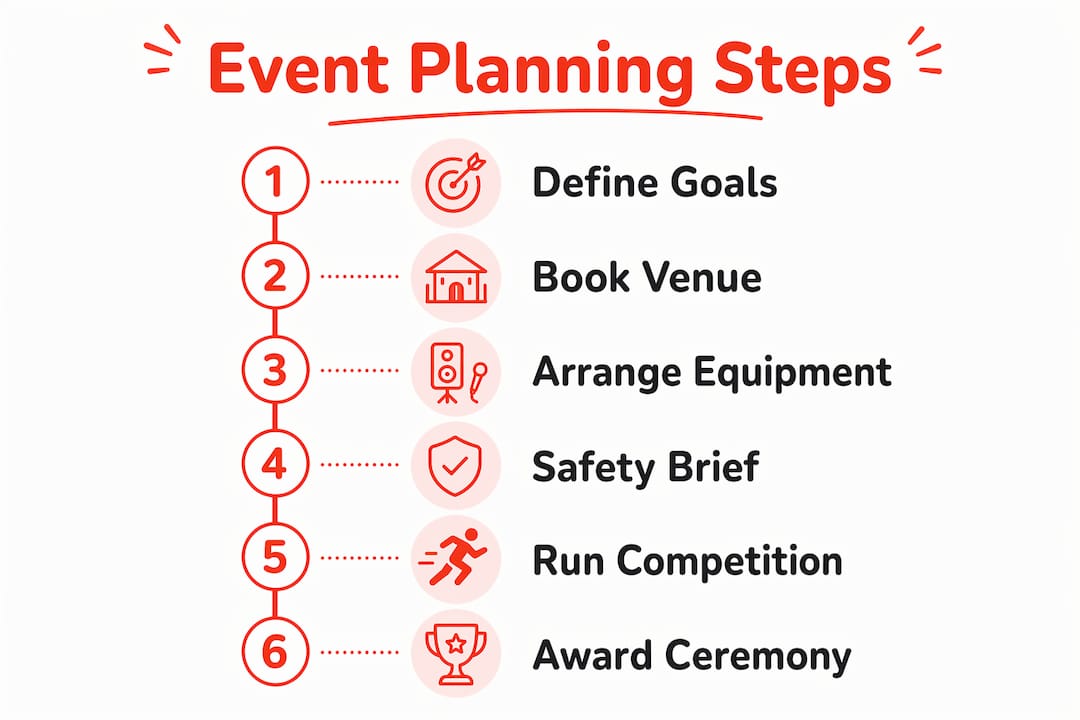
Essential equipment for any shooting event organisation includes eye and ear protection for every participant, clearly marked shooting stations, a scoring system (paper or digital), and a dedicated safety officer. For laser clay formats, the equipment list is shorter: laser-enabled shotguns, clay target launchers, and a scoring display.
Legal and insurance considerations vary by country and format. Live ammunition events require firearms licences, range certification, and public liability insurance. Laser clay events, which use no live rounds, carry a significantly lighter regulatory burden. Always confirm your venue’s public liability cover and request a certificate before signing a contract.
Pro Tip: Request a site visit at least two weeks before the event. Walk the shooting stations yourself, check sightlines, and confirm the safety briefing area can accommodate your full group at once.
Step-by-step: how to plan and run the competition
A well-run team building shooting event follows a clear sequence. Skipping steps creates confusion on the day and reduces participant satisfaction.
- Set your group size and team structure. Groups of 20–60 participants work best for competitive formats. Divide into teams of four to six, mixing departments to encourage cross-team interaction.
- Choose your competition format. Team vs. team scoring, individual leaderboards, or a relay format each create different dynamics. Team vs. team builds collective energy fastest.
- Assign roles before the day. You need an event coordinator, a range safety officer, and at least one scorer per shooting station. The coordinator manages safety briefings and event flow, which offloads the administrative burden from HR entirely.
- Build your event timeline. A standard half-day format runs as follows: arrival and registration (30 minutes), safety briefing (20 minutes), practice rounds (20 minutes), competitive rounds (90 minutes), awards and social (45 minutes).
- Confirm outreach and registration. Personalised email plus phone follow-up outperforms passive advertising when securing participant numbers from internal teams or external clients. Send a save-the-date four weeks out, a confirmation two weeks out, and a logistics briefing three days before.
- Prepare your scoring system. Use a simple points-per-clay format for beginners. Add a handicap multiplier for mixed-skill groups so experienced shooters do not dominate the leaderboard.
- Plan the awards ceremony. Even modest prizes, such as branded trophies or gift vouchers, significantly increase participant satisfaction and the likelihood of rebooking.
Pro Tip: Assign a dedicated photographer or set up a fixed camera at the shooting station. Post-event photo sharing drives social proof and gives participants a tangible memory of the day.
Competitive laser clay leagues use similar tiered formats and can serve as a ready-made template for your event structure. Reviewing how league scoring works will save you significant planning time.
How do you keep participants safe during a corporate shooting competition?
Safety is not a checkbox. It is the condition that makes everything else possible. A single incident, however minor, ends the event and damages your organisation’s reputation.
The non-negotiable rule is a 100% sobriety policy during all active shooting rounds. Post-event social drinking is entirely appropriate. Alcohol before or during shooting is never permitted, and this must be communicated clearly in your pre-event briefing materials.
A certified range safety officer must be present at every shooting station throughout the competition. Their role is to enforce safe gun handling, manage misfires, and remove any participant who does not follow instructions. This is not a role that can be filled by a willing volunteer with no training.
Core safety protocols for any office shooting competition:
- Conduct a mandatory safety briefing before any participant handles equipment.
- Establish a clear “cold range” signal that stops all shooting immediately.
- Keep non-shooting participants behind a designated safety line at all times.
- Brief novices separately and run a supervised practice round before competitive scoring begins.
- Confirm that all equipment is inspected and certified before the event starts.
“The safety briefing is not a formality. It sets the tone for the entire event and signals to participants that this is a professionally managed experience, not an informal outing.”
Laser clay formats, such as those run by Laserclay, remove the risks associated with live ammunition entirely. There is no lead, no recoil, and no risk of a stray round. This makes laser shooting safety far easier to manage for HR teams with no prior shooting event experience.
Best practices for participant engagement and post-event impact
The competition itself is only half the event. What happens before, during, and after the shooting rounds determines whether participants leave energised or indifferent.
Assigning experienced shooters as team captains accelerates trust and problem-solving within mixed-skill groups. Teams led by a capable captain bond faster and perform better. This is not about giving veterans an advantage. It is about giving novices a confident anchor.
Practical engagement strategies that work:
- Display a live leaderboard throughout the competition. Visible scores create natural moments of celebration and banter between teams.
- Use team names rather than department names. It creates a psychological separation from the office hierarchy and levels the playing field.
- Build in a mid-event break with light refreshments. It gives participants time to debrief, strategise, and connect informally.
- Social and awards components after the competition increase rebookings and participant satisfaction measurably. A brief awards ceremony with a genuine prize creates a shared memory that participants talk about for weeks.
- Send a post-event email within 48 hours. Include photos, final scores, and a short survey. This closes the loop and gives you data for the next event.
Turnkey packages that bundle competition, photos, and awards increase perceived value and make it easier for HR teams to justify the spend internally. A well-structured package removes the need to source each element separately.
Pro Tip: Ask the winning team to nominate a “most improved” participant for a secondary award. It shifts the spotlight from pure skill to effort, which resonates across the whole group.
For a broader view of why shooting events work across different employee demographics, the research on why shooting sports attract mixed demographics is worth reviewing before you finalise your participant list.
Key takeaways
A competitive office shooting event succeeds when safety, format design, and participant engagement are planned together, not treated as separate concerns.
| Point | Details |
|---|---|
| Define objectives first | Your event goal shapes the format, budget, and venue before any booking is made. |
| Assign a dedicated coordinator | A single point of contact manages safety briefings and event flow, removing the burden from HR. |
| Enforce a sobriety policy | A 100% sobriety rule during shooting rounds is non-negotiable and must be communicated in advance. |
| Use team captains strategically | Experienced shooters as team leaders accelerate bonding and improve performance in mixed-skill groups. |
| Bundle the experience | Packages that include competition, photography, and awards increase satisfaction and drive rebooking. |
What I have learned from running shooting events for corporate groups
The single biggest mistake I see corporate event coordinators make is treating the shooting activity as the entire event. It is not. The shooting is the spine. The social architecture around it is what people actually remember.
I have watched groups of 40 colleagues arrive as strangers from different departments and leave with genuine rapport, not because the clay targets were impressive, but because the team captain structure gave quieter participants a visible role. Experienced shooters as team captains create a trust dynamic that no icebreaker game can replicate. When someone guides you through your first shot and you hit the target, that moment belongs to both of you.
The awards ceremony is another element that coordinators routinely underestimate. I have seen a £10 trophy generate more genuine enthusiasm than a £200 dinner. The reason is simple: it is earned in front of peers. Recognition in a competitive context carries weight that a gift card in an envelope never will.
My honest advice to any HR manager planning their first corporate shooting challenge: book a format that removes the technical complexity. Laser clay events, like those Laserclay runs, let you focus entirely on the human experience rather than managing ammunition logistics and firearms paperwork. The less time you spend on compliance, the more time you spend on the moments that matter.
— Joshua
Laserclay makes your next corporate shooting event straightforward
Planning a team building shooting event involves a lot of moving parts. Laserclay handles the equipment, safety briefing, and competitive format so your team can focus on showing up and enjoying the day.
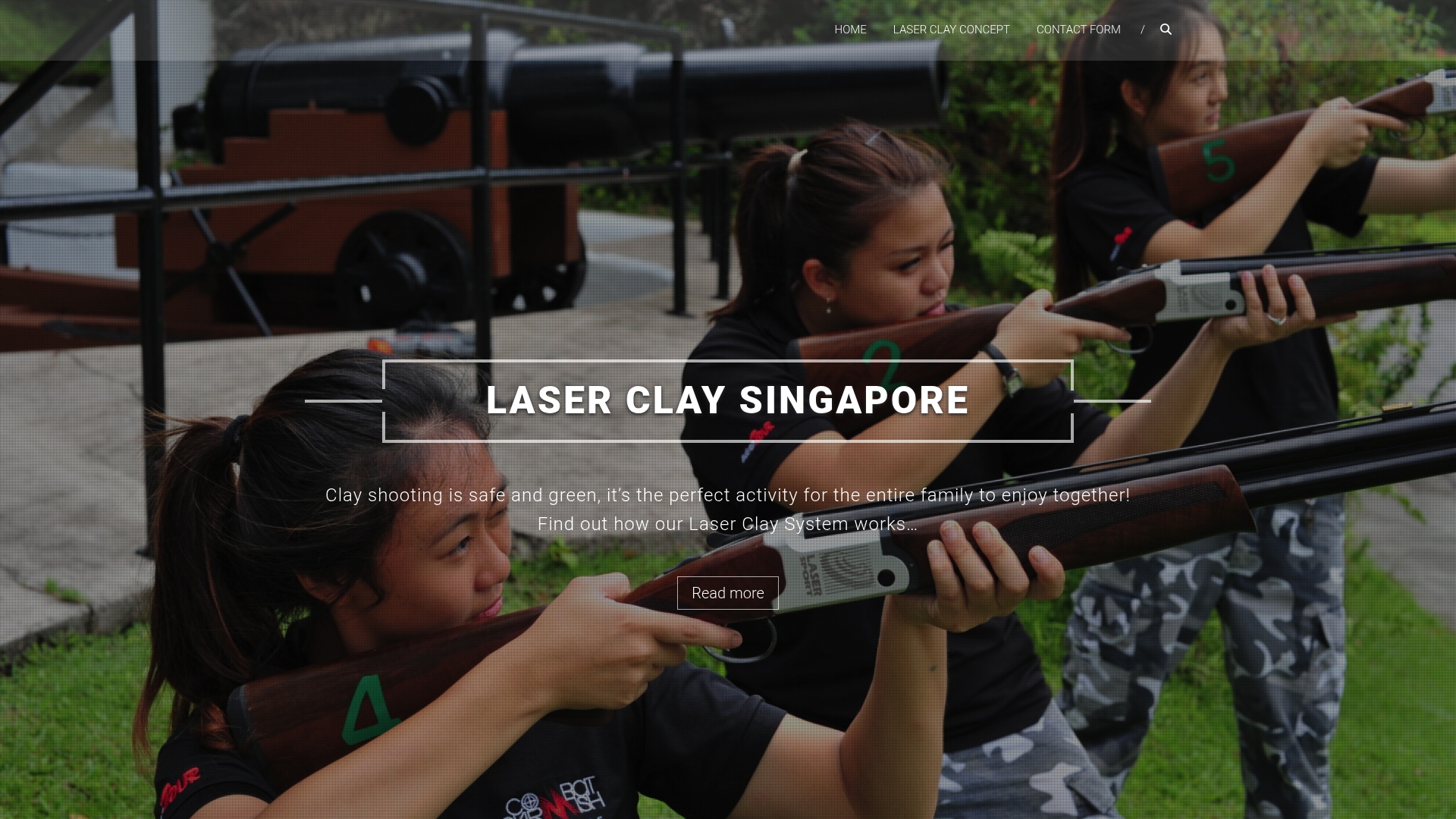
Laserclay’s corporate team building packages are designed for groups of all sizes and skill levels, with no live ammunition and no specialist venue required. The laser clay format is fully mobile, which means it comes to your site. From how to play laser clay through to full-day competitive programmes, every package includes equipment, a trained coordinator, and a scoring system. Booking is straightforward, and the team handles all logistics from the first enquiry.
FAQ
What is a competitive office shooting event?
A competitive office shooting event is a structured team activity where colleagues compete in scored shooting rounds, typically using clay targets or laser-based systems. It combines physical skill with team strategy to build workplace camaraderie.
How many participants do you need for a corporate shooting competition?
Groups of 20–60 participants work best for competitive formats. Smaller groups can run individual leaderboards, while larger groups suit team vs. team formats with four to six members per team.
Is a shooting event safe for employees with no experience?
Yes, provided a certified range safety officer conducts a mandatory briefing and novices complete a supervised practice round before competitive scoring begins. Laser clay formats carry no live ammunition risk, making them particularly suitable for first-time participants.
How much does a corporate shooting event typically cost?
Tiered packages for corporate shooting events typically range from $75 to $110 per person, covering structured competitions and dedicated coordinators. Pricing varies by group size, format, and inclusions such as photography and awards.
What makes a corporate shooting event worth rebooking?
Social and awards components after the competition are the strongest driver of rebooking and positive reviews. Post-event photo sharing and a follow-up email with scores and highlights reinforce the experience and build the case for an annual programme.
Recommended
- Benefits of interactive shooting events for groups | Laser Clay Singapore
- Laser shooting safety for offices: a practical guide | Laser Clay Singapore
- How to source equipment for a school shooting sport programme | Laser Clay Singapore
- Teach sportsmanship through competitive shooting games | Laser Clay Singapore