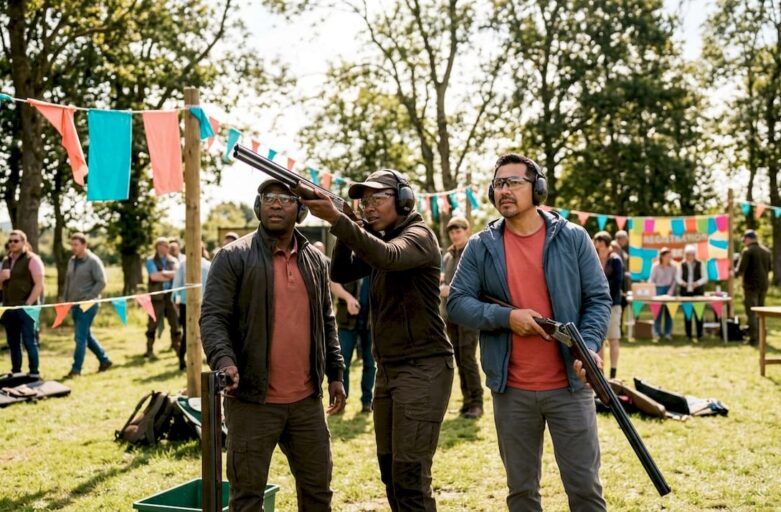
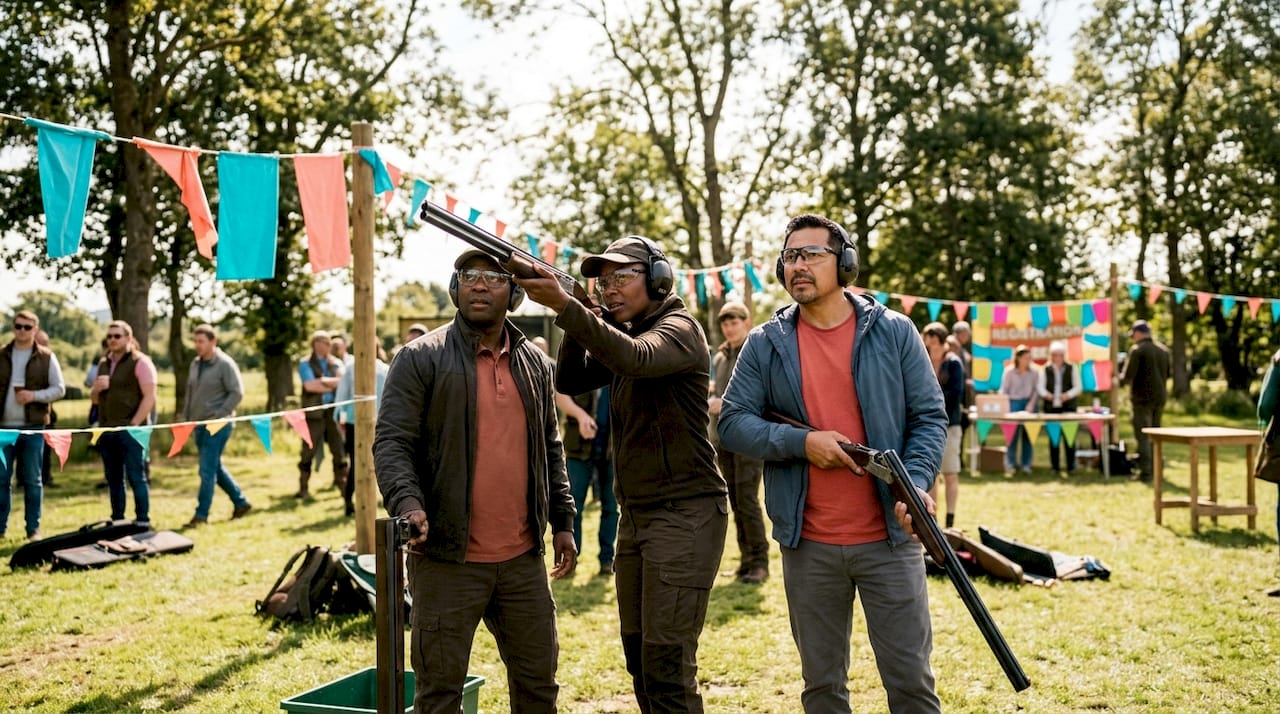
Incorporating shooting sport into a fundraiser means organising competitive or recreational shooting events where participants pay to take part, with proceeds supporting a charitable cause. Clay shooting, trap, skeet, and sporting clays are the most common formats used in charity events. These disciplines work well because they combine spectacle, skill, and social energy in a way that few other activities match. Organisers who choose this route benefit from strong sponsorship appeal, broad demographic reach, and multiple revenue streams that go well beyond a simple entry fee.
How to incorporate shooting sport into a fundraiser: what you need first
Before you book a venue or print a single flyer, you need to confirm that your event has the right foundations in place. Skipping this stage is the most common reason shooting fundraisers underdeliver.
Venue and discipline selection
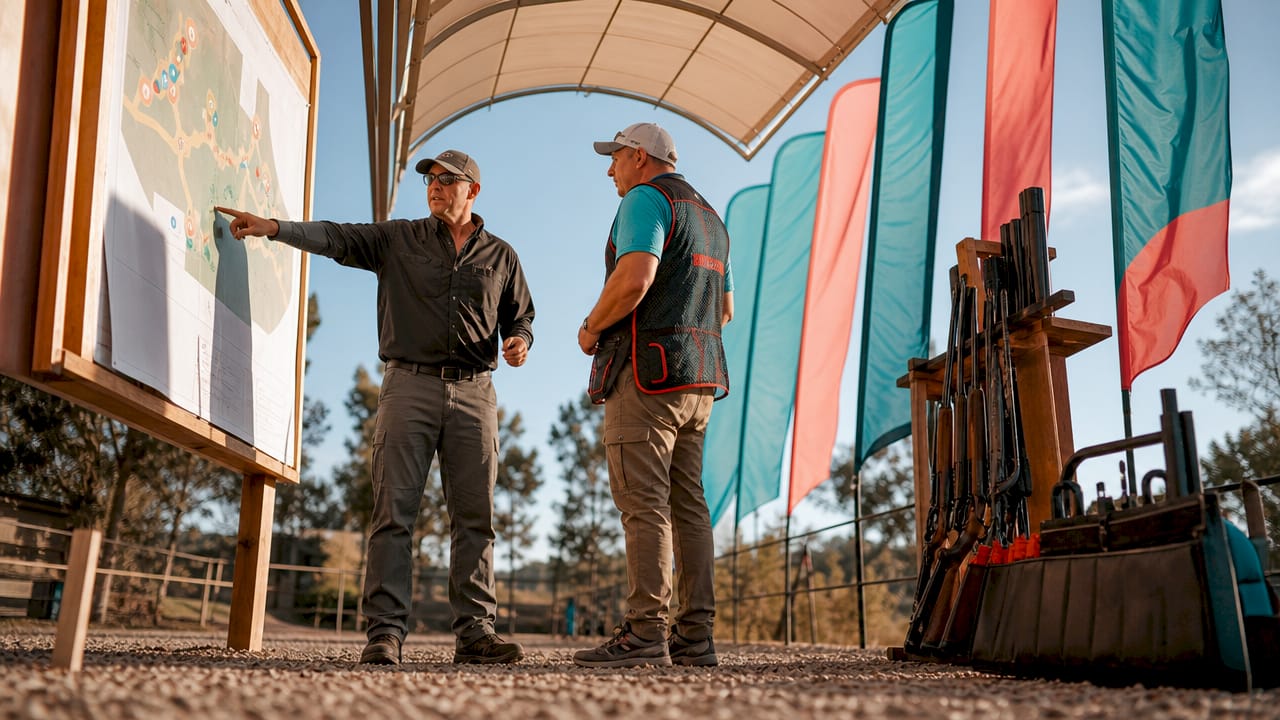
The shooting discipline shapes everything else. Sporting clays require a large outdoor course with multiple stations. Trap and skeet work on more compact ranges and suit tighter venues. Check that your chosen site holds the correct local licences, has adequate parking, and meets accessibility requirements for participants with mobility needs.
Equipment and staffing
Most venues supply shotguns, ear defenders, and eye protection as part of a hire package. If yours does not, contract a specialist equipment provider who can deliver, set up, and manage kit on the day. Certified safety officers are not optional. Every reputable shooting fundraiser appoints at least one qualified range safety officer per active shooting station.
Permits and insurance
Contact your local authority early. Shooting events require specific public liability insurance, and some councils require a noise or firearms activity notification. Allow at least eight weeks for permit applications. Participant capacity planning also belongs here: know your maximum safe throughput per hour before you open registration.
- Confirm venue licences and local authority notifications
- Arrange public liability insurance covering all participants and spectators
- Book certified range safety officers before confirming your date
- Agree equipment hire terms and delivery logistics in writing
- Set a realistic participant cap based on the number of shooting stations
Pro Tip: Contact your venue’s safety officer before finalising your event schedule. They will identify bottlenecks in your shooting rotation that you cannot see on paper.
How do you structure registration and sponsorship packages?
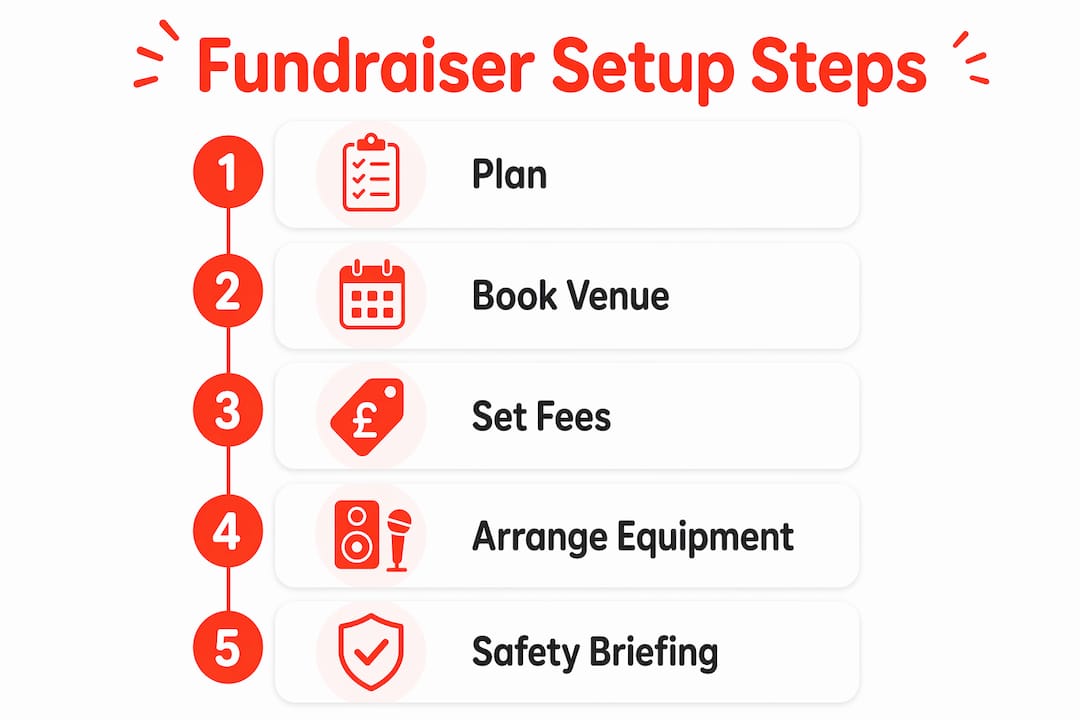
Registration fees and sponsorship tiers are the two pillars of shooting fundraiser revenue. Getting both right is what separates a profitable event from one that merely breaks even.
Setting registration fees
Individual registration fees for charity clay shooting events in 2026 typically range from £80 to £160, with four-person team entries sitting between £360 and £400. These fees generally include course access, a safety briefing, and lunch. Pricing at the lower end of that range fills more spots. Pricing at the upper end works when your cause has strong community loyalty or when the venue itself is a draw.
Tiered sponsorship models
Sponsorship tiers for shooting fundraisers follow a well-established structure. The table below shows the most common packages and what each level typically delivers.
| Tier | Typical fee | Key benefits |
|---|---|---|
| Silver | £80–£160 | Name on event materials, one team entry |
| Gold | £200–£400 | Signage at shooting stations, two team entries, social media mention |
| Platinum | £600 | Prominent banner placement, four team entries, MC acknowledgement |
| Title | £800+ | Exclusive naming rights, full-page programme ad, VIP table at awards |
Title sponsors pay the highest fee and receive maximum visibility. That visibility is what makes the package worth the investment for a local business.
Revenue multipliers
Mulligan packs, side games, and tiered add-ons are where many events generate their largest per-head revenue. A mulligan pack lets a participant re-shoot a missed clay for a small fee, typically £5–£10 per shot. Side games such as a “closest to the pin” clay challenge or a longest-streak competition add friendly rivalry and keep participants spending. Raffle tickets sold during lunch are another reliable income layer.
Pro Tip: Bundle three mulligans into a pack and price them at a slight discount. Participants buy more when they feel they are getting value, and your total mulligan revenue rises.
What does a shooting fundraiser event day look like?
A well-run shooting fundraiser follows a clear sequence. Deviating from it creates queues, confusion, and unhappy participants.
- Registration (7:30 AM–8:30 AM). Participants check in, collect scorecards and safety wristbands, and are assigned to shooting groups. Collect any outstanding payments at this stage.
- Mandatory safety meeting (8:30 AM–9:00 AM). All participants attend before a single shot is fired. Cover firearm handling rules, range commands, and emergency procedures.
- Shooting sessions (9:00 AM–12:00 PM). Groups rotate through stations in a fixed order. A typical charity shoot runs 4–6 hours from early registration through to awards, so keep rotations on schedule.
- Lunch and raffle (12:00 PM–1:00 PM). Serve lunch while the raffle draw takes place. This is also the best window for a short speech from your charity representative.
- Side games and auction (1:00 PM–2:00 PM). Run any remaining side competitions or a live auction. Keep this segment tight: participants lose focus after a long morning.
- Scoring and awards ceremony (2:00 PM–3:00 PM). Announce results, present prizes, and thank sponsors by name. A brief summary of funds raised at this point motivates future attendance.
The table below shows how participant groupings typically work for a mid-sized event.
| Group size | Stations per group | Clays per person | Rotation time |
|---|---|---|---|
| 4 persons | 5 stations | 25 clays | 90 minutes |
| 4 persons | 10 stations | 50 clays | 3 hours |
| 4 persons | 15 stations | 75 clays | 4.5 hours |
Pre-event communication matters as much as the day itself. Send participants a confirmation email one week before with parking details, what to wear, and what to expect at the safety meeting. A reminder 48 hours before cuts no-show rates noticeably.
How do you keep participants safe and engaged at all skill levels?
Safety and inclusivity are the two factors that determine whether participants return next year. Mandatory safety meetings and beginner-friendly options attract a broader audience and improve future event attendance. That broader audience means more registrations and more sponsorship interest.
Safety meeting essentials
Every participant, regardless of experience, attends the pre-shoot safety briefing. Cover these points without exception:
- The four fundamental firearm safety rules
- Range commands (“cease fire,” “all clear,” “commence firing”)
- How to handle a misfire or mechanical issue
- Emergency evacuation routes and first aid station locations
Welcoming beginners
Events that provide gun rentals, clear instructions, and supervised practice attract inexperienced shooters and grow the overall participant pool. Assign a volunteer or staff member to each beginner group for the first station. That one-to-one support removes the anxiety that stops first-timers from returning.
Beginner-friendly shooting formats also help organisers attract families and corporate groups who would otherwise avoid the event. Offering a lower-clay-count option, such as 25 clays instead of 50, gives newcomers a manageable introduction without slowing down experienced shooters.
“The shift away from exclusivity is what drives shooting fundraiser growth. When events welcome beginners alongside enthusiasts, participation rises and the cause benefits directly.”
Professional equipment providers who manage on-site machines and deliver safety briefings convert casual supporters into long-term donors. Choosing a provider with this capability is one of the highest-return decisions an organiser makes.
Child-safe shooting activities are worth considering if your donor base includes families. Age-appropriate formats and supervised stations make the event accessible to a wider group without compromising safety standards.
Key takeaways
Shooting sport fundraisers generate the strongest results when organisers combine clear safety protocols, tiered sponsorship packages, and beginner-friendly formats from the outset.
| Point | Details |
|---|---|
| Set fees at market rate | Individual fees of £80–£160 and team fees of £360–£400 reflect 2026 charity shoot norms. |
| Use tiered sponsorship | Silver through to title tiers give local businesses a clear entry point and visible return. |
| Add revenue multipliers | Mulligan packs, side games, and raffles raise per-head income beyond the registration fee. |
| Prioritise safety briefings | Mandatory pre-shoot meetings protect participants and reduce organiser liability. |
| Welcome beginners actively | Gun rentals, supervised stations, and lower clay counts grow your participant pool year on year. |
What I have learned from running shooting fundraisers
The part nobody tells you about planning a shooting fundraiser is how much the weather controls your day. I have watched beautifully organised events fall apart because organisers had no contingency for wind or rain. A marquee for the safety briefing and lunch is not a luxury. It is the difference between a smooth event and a chaotic one.
The other thing that catches organisers off guard is participant no-shows. Pre-event communication reduces this, but it does not eliminate it. I now build a small waitlist into every event and fill confirmed spots from it 72 hours before the day. That single habit has saved more than one event from running with half-empty shooting groups.
What actually makes a shooting fundraiser memorable is the mix of people it brings together. Competitive shooters, complete beginners, corporate teams, and families all share the same range for a few hours. That social energy is what participants talk about afterwards. It is also what brings them back. The organisers who understand this stop treating the shooting as the product and start treating the shared experience as the product. The shooting is just the vehicle.
My honest advice: do not over-programme the day. Leave breathing room between sessions. Participants who feel rushed do not enjoy themselves, and participants who do not enjoy themselves do not donate generously or return next year.
— Joshua
Laserclay: a greener way to run your shooting fundraiser
Traditional clay shooting delivers a great event, but it comes with real constraints: live ammunition, noise restrictions, lead disposal, and venue licensing that can take months to resolve.
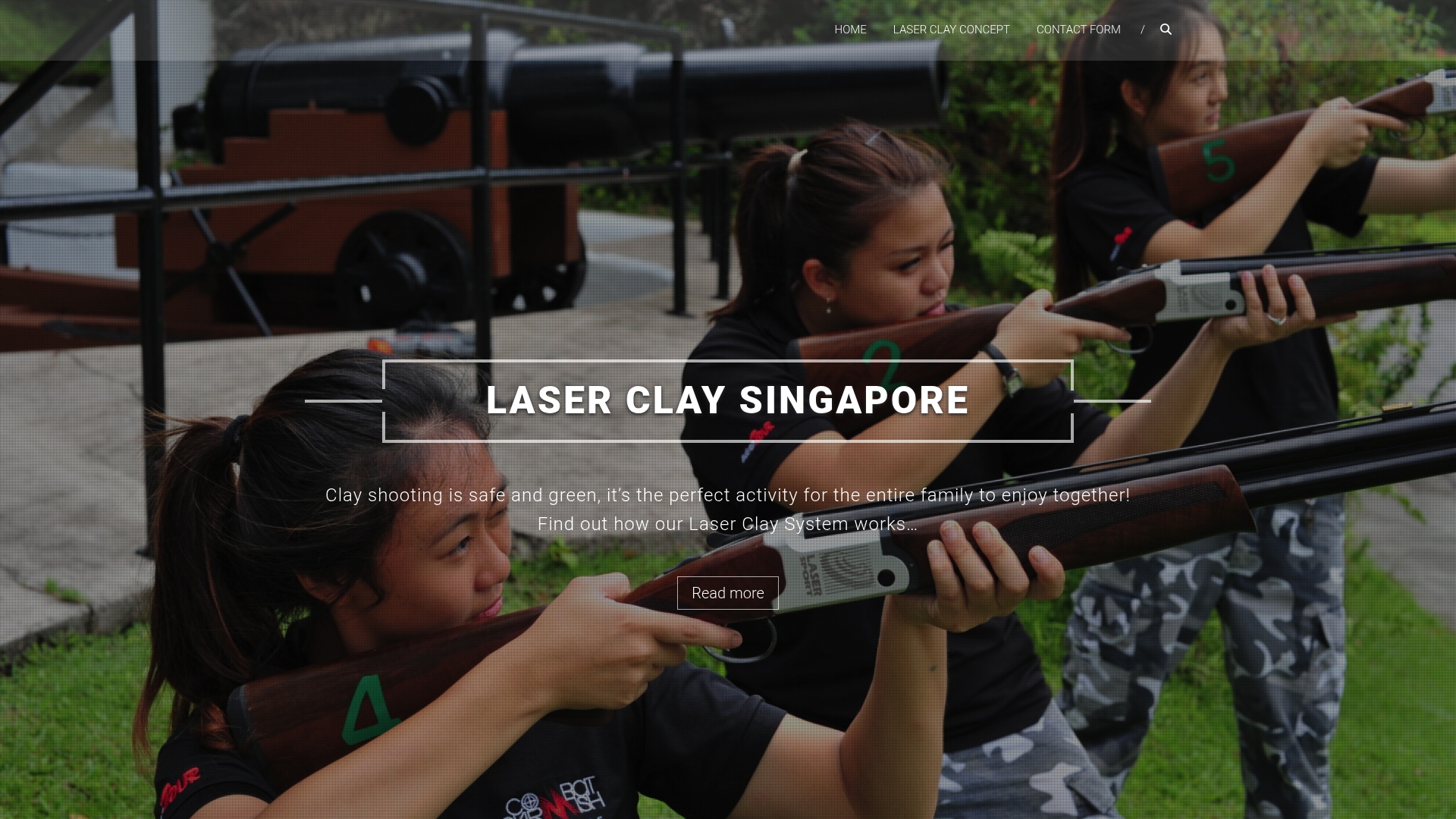
Laserclay removes all of those barriers. Using laser technology instead of live rounds, Laserclay replicates the full clay shooting experience without ammunition, noise, or environmental impact. Every participant, from a first-time shooter to a seasoned clay enthusiast, gets the same immersive experience. There are no lead concerns, no noise complaints, and no lengthy permit processes. For organisers who want to run a fundraising shoot at an urban venue, a school, or any location where traditional shooting is impractical, Laserclay is the most practical format available. Find out more about how to play Laser Clay and how it fits your next charity event.
FAQ
What is a shooting sports fundraiser?
A shooting sports fundraiser is a charitable event where participants pay a registration fee to take part in a clay shooting competition, with proceeds going to a nominated cause. Formats include trap, skeet, and sporting clays.
How much should I charge for registration?
Individual fees for charity clay shoots in 2026 typically range from £80 to £160, with four-person team entries between £360 and £400, usually including lunch and course access.
Do participants need prior shooting experience?
No prior experience is needed. Events that provide gun rentals and supervised instruction actively welcome beginners, and a mandatory safety briefing covers everything a first-timer needs before stepping onto the range.
What sponsorship tiers work best for shooting fundraisers?
The most effective model runs four tiers: silver, gold, platinum, and title. Title sponsors pay around £800 or more for naming rights and maximum event visibility, while silver entry points at £80–£160 attract smaller local businesses.
Can shooting fundraisers work indoors or in urban venues?
Traditional live-ammunition events require outdoor ranges with specific licences. Laser-based formats like Laserclay operate without ammunition or noise restrictions, making them suitable for indoor spaces, urban venues, and locations where conventional shooting is not permitted.
Recommended
- How to source equipment for a school shooting sport programme | Laser Clay Singapore
- Teach sportsmanship through competitive shooting games | Laser Clay Singapore
- Why shooting sports attract mixed demographics | Laser Clay Singapore
- Why schools adopt non-contact shooting sports | Laser Clay Singapore