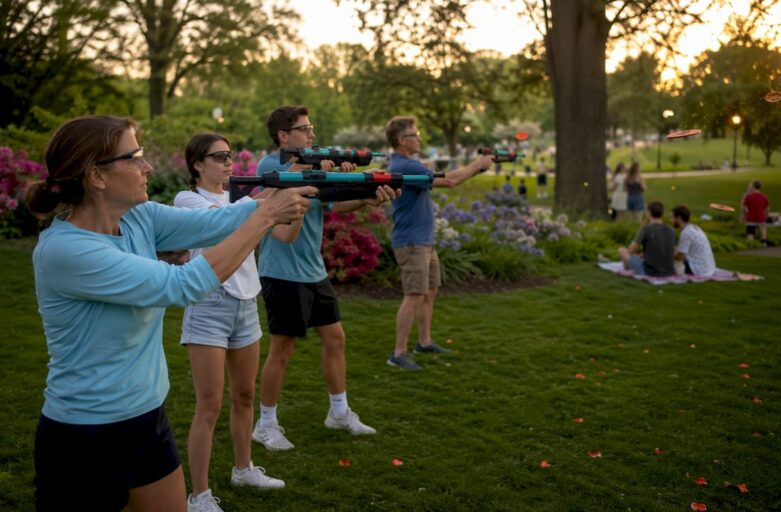
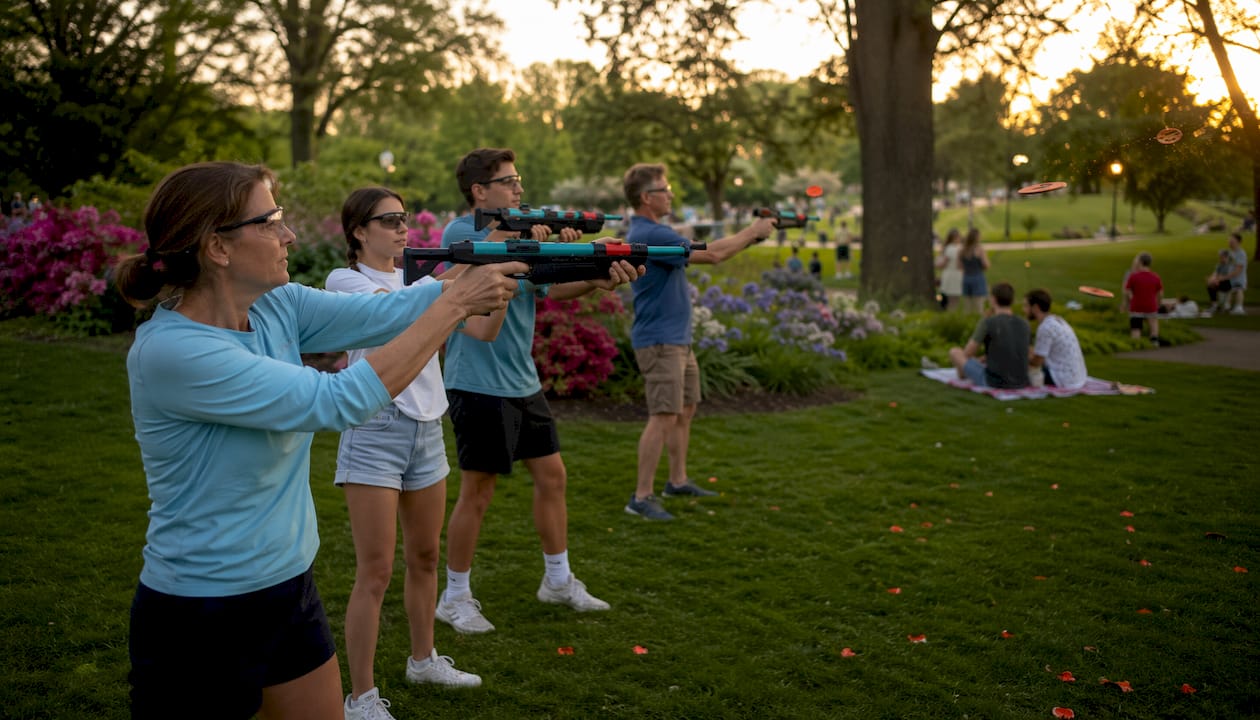
Sport accessibility without ammunition means designing target shooting activities around laser or infrared emitters and sensor targets rather than live rounds, so that anyone can participate regardless of age, ability, licensing status, or venue type. For UK event organisers, the immediate takeaway is straightforward: switching to an ammunition-free format like laser clay shooting removes the three biggest barriers at once — safety risk, firearms regulation, and equipment cost — while opening your participant pool to groups who would never set foot on a traditional clay ground. Laserclay offers a ready-packaged version of exactly this, with facilitators, scoring systems, and reusable targets included.
Table of Contents
- What does “sport accessibility without ammunition” actually mean?
- Why the benefits matter to procurement and venue managers
- How the hardware and scoring systems work
- Which event formats and group sizes work best?
- How to design genuinely inclusive sessions
- UK safety, legal and insurance considerations
- Budgeting and cost ranges for UK organisers
- How to choose a laser clay supplier
- A ready-to-use 90-minute run sheet
- A Laserclay ammunition-free corporate booking: how it works in practice
- Key takeaways
- Why ammunition-free formats are the future of accessible target sports
- Laserclay: packages built for UK event organisers
- Useful sources and further reading
What does “sport accessibility without ammunition” actually mean?
The phrase combines two ideas that are usually treated separately. “Sport accessibility” refers to quality participation — not merely physical entry to a venue, but genuine, meaningful involvement for every participant. “Without ammunition” specifies the mechanism: replacing projectiles with laser or infrared beams eliminates the equipment and safety barriers that make traditional shooting sports hard to access.
The STEP model (Space, Task, Equipment, People) is the standard framework practitioners use to adapt games for inclusion. Laser clay shooting addresses all four variables simultaneously: the space can be indoors or outdoors, the task difficulty is adjustable, the equipment is lighter and safer, and no specialist coaching licence is required to run a session.
- Space: indoor halls, corporate atriums, school playgrounds, outdoor fields — all viable without range licensing.
- Task: difficulty scales via target speed, distance, and number of clays launched per round.
- Equipment: sound-simulated deactivated shotguns replace live firearms; reusable sensor targets replace fragile clay discs.
- People: no prior shooting experience, hearing protection, or eye protection required.
That principle is exactly what ammunition-free laser clay shooting embodies: the format is built for inclusion from the ground up, not retrofitted.
Why the benefits matter to procurement and venue managers
Safety is the headline gain. With no live rounds, there is no ballistic risk, no requirement for a licensed range officer, and no need for hearing protection or ballistic eyewear. That alone simplifies your risk assessment considerably.
The environmental case is equally compelling. Traditional clay shooting leaves lead shot in soil and water, and broken clay targets create persistent debris. Laser systems use reusable targets and produce no chemical waste.
Statistic callout: High costs — membership fees, equipment hire, and licensed range access — are consistently identified as a primary barrier to youth participation in shooting sports. Ammunition-free formats remove all three cost layers simultaneously.
The insurance profile simplifies too. Ammunition-free events sit outside firearms legislation, which means standard public liability cover typically applies rather than specialist shooting-sports policies. Venue choice widens dramatically: urban conference centres, school sports halls, and hotel function rooms all become viable.
Pro Tip: When briefing stakeholders, frame laser clay as “mainstream sport with adaptive design built in” rather than a disability-specific activity. Inclusion research consistently shows this framing reduces stigma and increases uptake across all participant groups.
How the hardware and scoring systems work
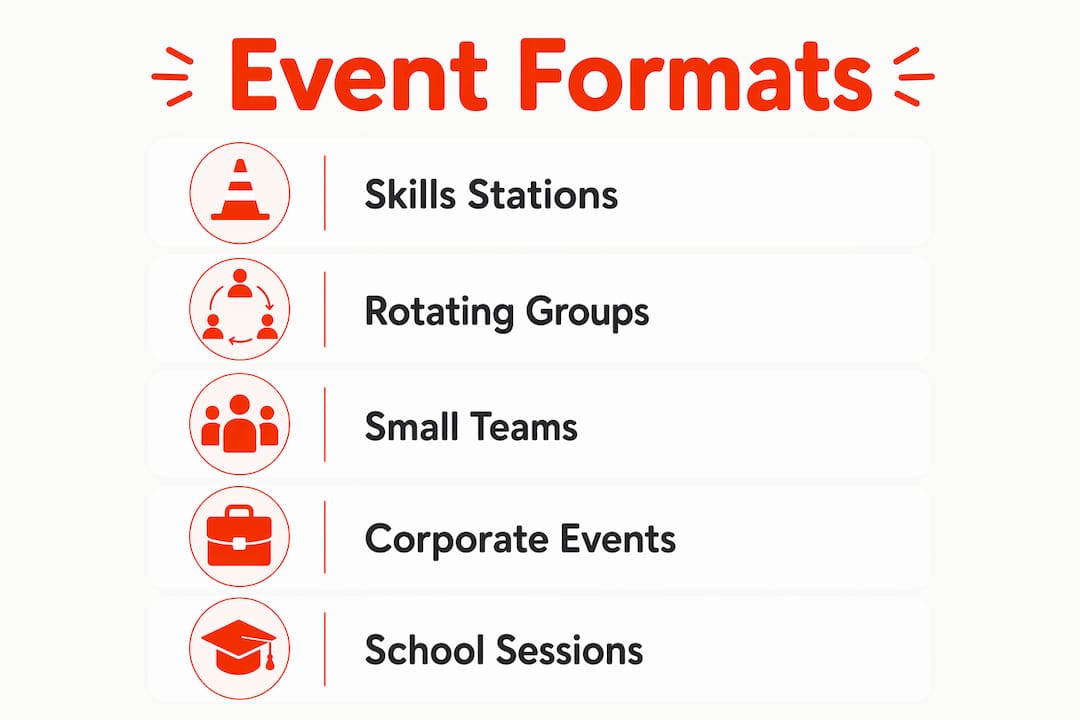
The core kit is simpler than most organisers expect. A standard laser clay system comprises three components: the emitter unit (a deactivated shotgun body with sound simulation), sensor-equipped reusable clay targets launched by a mechanical or pneumatic thrower, and a central control hub that feeds a live electronic scoreboard.
When a participant fires, the emitter sends an infrared beam. If it intersects with the sensor on the clay at the right moment, the target registers a hit and the scoreboard updates in real time. No wiring between gun and target is needed; the system communicates wirelessly.
- Set-up time: typically 30–45 minutes for a standard outdoor station; 20–30 minutes indoors.
- Power: a standard 13-amp socket or a small generator for outdoor sites.
- Signal range: most systems operate reliably within 30–40 metres of the control hub.
- Transport: full kit for a 10–20 person session fits in a standard estate car or small van.
One practical note: outdoor sessions in cold or wet conditions can affect sensor sensitivity. Build a 10-minute equipment test into your run sheet and carry spare sensor units.
Which event formats and group sizes work best?
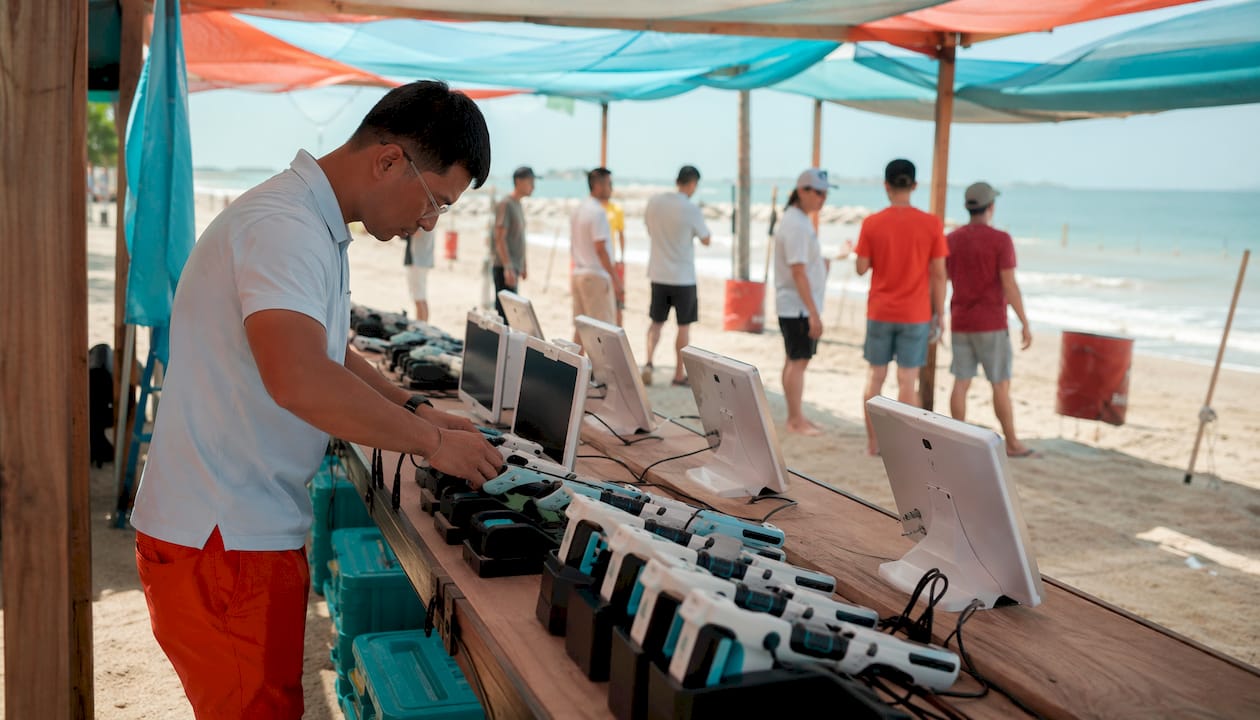
| Format | Ideal group size | Facilitators needed | Session length |
|---|---|---|---|
| Tournament bracket | — | 2 | 90 minutes |
| Team relay | 10–20 | 1–2 | 60–90 minutes |
| Skills stations | 6–30 | 2–3 | 35 minutes |
| Family free-play | 6 | 1 | 45–60 minutes |
A typical 90-minute corporate session runs as follows:
- Arrival and registration (10 minutes)
- Safety and technique briefing (10 minutes)
- Practice rounds, two clays per participant (15 minutes)
- Competitive rounds, two heats (35 minutes)
- Scores tallied, awards presented (10 minutes)
- Pack-down and debrief (10 minutes)
School and camp sessions suit the skills-stations format, rotating groups of six through different target distances and speeds. This keeps wait times short and engagement high — critical for younger participants whose attention spans differ from adult corporate groups.
How to design genuinely inclusive sessions
Adjusting the activity itself, not just the venue, is what true accessibility requires. For laser clay, that means:
- Offer lighter emitter units for participants with limited upper-body strength.
- Reduce or disable recoil simulation for participants with sensory sensitivities.
- Provide large-print score readouts and visual hit-confirmation signals alongside audio feedback.
- Ensure approach paths to shooting stations are level and wide enough to accommodate participants comfortably.
- Schedule regular breaks and brief check-ins with participants throughout the session.
Pro Tip: Brief your facilitators on the Children’s Society’s guidance on developmentally appropriate sessions: keep instructions short, demonstrate rather than describe, and never single out a participant who needs an adjustment.
Staff training checklist:
- Complete a disability awareness module before the event.
- Review each participant’s access requirements 48 hours in advance.
- Practise giving the safety brief in plain English (no jargon, under 90 seconds).
- Know the venue’s evacuation procedure for wheelchair users.
- Carry a written reasonable-adjustments log and update it after each session.
UK safety, legal and insurance considerations
Ammunition-free laser systems fall outside the Firearms Act 1968 because no projectile is discharged. That removes the need for a firearms certificate, a licensed range, or a registered firearms dealer on site. However, it does not remove your duty of care.
- Conduct a written risk assessment for every venue, covering trip hazards, electrical supply, crowd management, and adverse weather.
- Obtain written venue permission confirming the activity is permitted under the site’s own insurance and lease.
- Check your public liability policy covers laser/infrared equipment specifically — most standard event policies do, but confirm the wording.
- For sessions involving under-18s, all facilitators must hold a valid enhanced DBS check, and parental or guardian consent forms must be collected before the session begins.
- Keep copies of your risk assessment, insurance certificate, and DBS records on file for a minimum of three years.
Ammunition-free systems have been adopted at a number of high-profile international events precisely because they sidestep firearms-related legal complications, enabling events at venues that would otherwise be off-limits.
Numbered steps for venue sign-off:
- Send the venue a one-page activity description confirming no projectiles are used.
- Request written confirmation that the activity is permitted under their public liability cover.
- Add the laser clay activity as a named item on your event insurance schedule.
- File the venue’s written confirmation with your event risk-assessment pack.
Budgeting and cost ranges for UK organisers
Cost elements to include in every quote request:
- Equipment hire (emitters, sensors, launchers, scoreboard)
- Facilitator fees and travel
- Venue hire or site-access fee
- Insurance (if not covered by existing event policy)
- Optional extras: trophies, branded score printouts, additional stations
Approximate ranges vary by group size, session length, and location. Half-day packages for groups of up to 20 typically sit in the £300–£600 range; full-day or larger-group bookings scale upward from there. Always request an itemised quote so you can compare like for like.
Budget callout: Removing licensed range hire, specialist PPE, and ammunition purchase can reduce per-participant cost significantly compared with traditional clay shooting — a meaningful saving when high costs are a documented barrier to participation.
Sample procurement timeline: confirm venue eight weeks out, request supplier quotes six weeks out, finalise participant numbers and access requirements two weeks out, conduct equipment test on the morning of the event.
How to choose a laser clay supplier
Credentials to verify before signing a contract:
- Current public liability insurance certificate (minimum £5 million cover recommended for UK events)
- Written risk-assessment template specific to laser clay activities
- Enhanced DBS certificates for all facilitators working with under-18s
- Equipment maintenance log showing regular testing and calibration
Operational questions to ask every supplier:
- What is your facilitator-to-participant ratio for groups over 20?
- How long does set-up take, and what power supply do you need?
- What is your contingency plan if a sensor unit fails mid-session?
- Do you carry spare emitters and sensor targets on site?
- What is your cancellation policy if the event is postponed due to weather or illness?
Red flags: no written insurance evidence, vague answers about DBS checks, no documented equipment-testing procedure, and cancellation terms that offer no refund or rebooking option.
A ready-to-use 90-minute run sheet
Minute-by-minute schedule:
- 0–10 min: Participant arrival, registration, and name-badge collection.
- 10–20 min: Safety and technique briefing; demonstrate correct stance and trigger action.
- 20–35 min: Practice rounds; two clays per participant, facilitator feedback given individually.
- 35–70 min: Competitive rounds; two heats of three clays per participant, scores logged live.
- 70–80 min: Final scores announced, awards or certificates presented.
- 80–90 min: Pack-down, site check, participant debrief.
Essential kit list:
- Emitter units (one per active station, plus one spare)
- Sensor-equipped reusable clay targets (minimum 20 per station)
- Clay launcher (mechanical or pneumatic)
- Control hub and laptop or tablet for scoreboard
- Extension leads and power board
- First-aid kit
- Printed participant consent forms and score sheets
- Spare batteries or power bank for wireless components
Contingency notes: If a sensor unit fails, swap to the spare and continue — do not pause the session. For outdoor bookings, have an indoor fallback venue confirmed in writing. If weather forces cancellation, your contract should specify a rebooking window of at least 60 days.
A Laserclay ammunition-free corporate booking: how it works in practice
A typical corporate booking brief looks like this: a company wants a team-bonding afternoon for 30 staff, needs a low-risk venue (their own car park or a hired outdoor space), and wants every employee to participate regardless of fitness level or prior sporting experience.
Laserclay structures the session as a team relay tournament, splitting the group into five teams of six. Stations are set at two distances to accommodate different confidence levels. Participants who request it receive a lighter emitter unit; the recoil simulation is turned off for two stations designated as “accessible lanes.”
- All 30 participants complete at least four competitive rounds.
- Live scoreboard keeps energy high throughout.
- No specialist clothing, hearing protection, or prior experience required.
- Zero waste left on site: all targets are collected and reused.
The outcome for organisers: a fully inclusive session, a clean site, and a straightforward post-event insurance record with no firearms-related documentation required.
Key takeaways
Ammunition-free laser clay shooting is the most practical route to genuinely inclusive target sport for UK event organisers: it removes safety, legal, and cost barriers simultaneously while delivering a measurable, enjoyable experience for every participant.
| Point | Details |
|---|---|
| Safety and legal clarity | No projectiles means no firearms licensing, simpler risk assessments, and standard public liability cover. |
| Genuine inclusion | Adjustable equipment, task difficulty, and sensory settings make sessions accessible across abilities and ages. |
| Environmental advantage | Reusable targets and zero lead waste make laser clay the lower-impact choice versus traditional clay shooting. |
| Cost savings | Removing licensed range hire and specialist PPE reduces per-participant cost, lowering the barrier for youth and mixed-ability groups. |
| Laserclay as a ready option | Laserclay bundles facilitators, scoring systems, and reusable targets into event packages suited to corporate, school, and party bookings. |
Why ammunition-free formats are the future of accessible target sports
The conventional wisdom in shooting sports is that authenticity requires live ammunition. That argument is weakening fast. The Invictus Games adopted infrared laser systems not as a compromise but as a deliberate accessibility decision, and the logic transfers directly to corporate and community events. When a format removes every gatekeeper — licensing, specialist kit, range access, physical strength requirements — participation numbers go up. That is not a theory; it is what organisers report when they make the switch.
What gets underestimated is the social dimension. A session where every participant competes on the same equipment, with the same rules, and sees their name on the same live scoreboard creates a different atmosphere from one where some people are accommodated and others are not. That parity is what quality participation actually means in practice. Pilot one session, measure who turns up and how they engage, and the case for making it your default format tends to make itself.
Laserclay: packages built for UK event organisers
Laserclay delivers ammunition-free clay shooting events with everything an organiser needs already included: trained facilitators, real-time electronic scoreboards, sound-simulated deactivated shotguns, and eco-friendly reusable targets. Sessions run indoors or outdoors, scale from small birthday parties to large corporate days, and require no specialist venue preparation beyond a standard power supply.
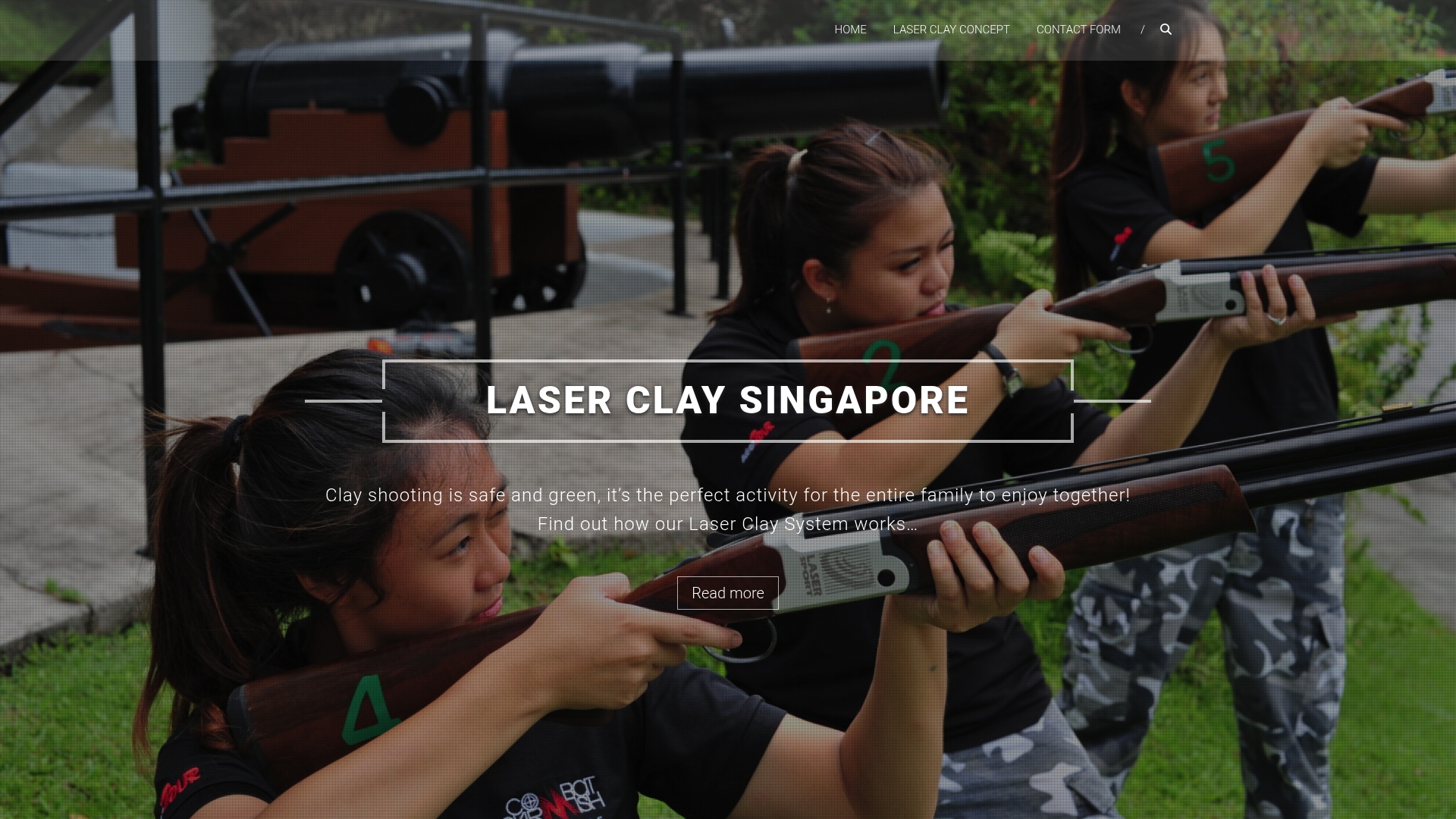
The concrete advantage over sourcing equipment and staff separately is time: Laserclay handles set-up, facilitation, scoring, and pack-down, so your team focuses on the event rather than the logistics. For corporate team-building bookings or school and carnival hire, request a quote or demonstration directly through the Laserclay website.
Useful sources and further reading
- Sport and play for all (Sport and Dev) — primary reference for the STEP model and equipment/task adaptation frameworks; consult for accessibility methodology.
- Accessibility, Inclusion and Quality Participation (CDPP) — the definitive literature review on quality participation; use to brief stakeholders on inclusion principles.
- The need for accessibility in sport (Children’s Society) — UK-focused evidence on cost barriers and youth participation; useful for grant applications and school procurement.
- Accessible and inclusive sports facilities (Sport England) — the UK standard for facility design under the Equality Act 2010; consult for venue selection and physical access requirements.
- Eco-friendly alternatives to traditional clay shooting (Laserclay) — environmental comparison between laser and traditional clay formats; useful for sustainability reporting.
- Invictus Games laser system reporting — real-world case study of high-profile adoption of infrared systems, including operational lessons on cold-weather sensor performance.
Reminder: Keep a copy of your supplier’s insurance certificate and risk assessment on file for a minimum of three years after each event. For sessions involving under-18s, retain signed consent forms for the same period.
Recommended
- Sports training methods without ammunition: 2026 guide | Laser Clay Singapore
- How to source equipment for a school shooting sport programme | Laser Clay Singapore
- How to organise a competitive office shooting event | Laser Clay Singapore
- How to incorporate shooting sport into your fundraiser | Laser Clay Singapore