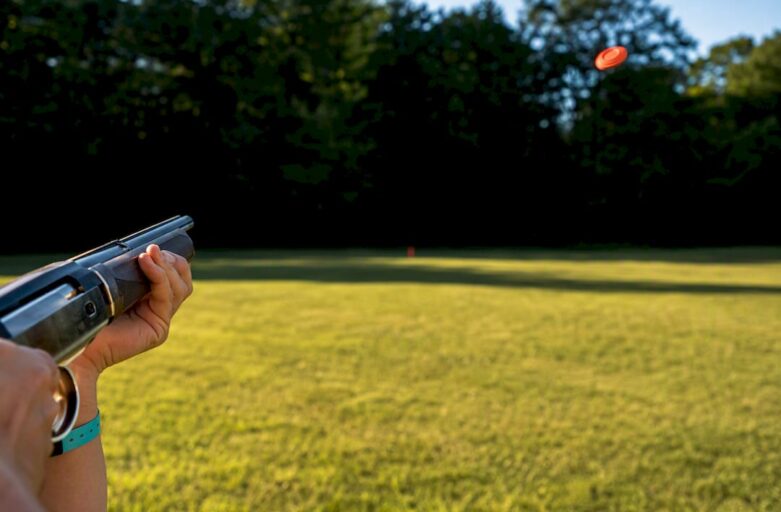
Deactivated shotgun games are laser clay shooting sessions that use deactivated or replica shotguns fitted with laser emitters and electronic, reusable clays instead of live ammunition. They give organisers a safe, digitally scored activity that works for mixed-ability groups, from eight-year-olds at a birthday party to fifty colleagues at an offsite. For most corporate, school, and family events, it is one of the easiest high-engagement activities to book, provided you check facilitation, insurance, and scoring setup before signing off.
TL;DR:
- Laser clay shooting offers a safe and inclusive alternative to traditional shooting, with adjustable trap speeds suitable for all ages and skill levels.
- The activity relies on battery-powered equipment, reusable clay targets with sensors, and electronic scoring, making setup flexible for indoor and outdoor venues.
- Proper safety measures include defined firing lines, spectator zones, active facilitator oversight, and proof of insurance, all essential before booking.
- Costs vary based on session length, group size, facilitators, and added branding or souvenirs, making an itemized quote advisable for budgeting.
- Successful bookings depend on thorough setup, test runs, and clear communication on facilitator roles, safety protocols, and contingency plans.
Table of Contents
- How do deactivated shotgun games actually work?
- Why event organisers choose laser clay over the real thing
- What to ask before you hire a laser clay supplier
- Choosing the right format for your event size
- What safety measures should you insist on?
- What drives the cost of a laser clay booking?
- What I’ve learned watching these bookings go right (and wrong)
- Book a deactivated shotgun game with Laser Clay
- Sources
- FAQ
How do deactivated shotgun games actually work?
The “gun” is a deactivated or replica shotgun rebuilt to fire an infrared or laser beam instead of a cartridge. There is no explosive charge, no recoil, and nothing leaves the barrel except light. Point it at a moving target, pull the trigger, and a sensor on that target registers the hit.
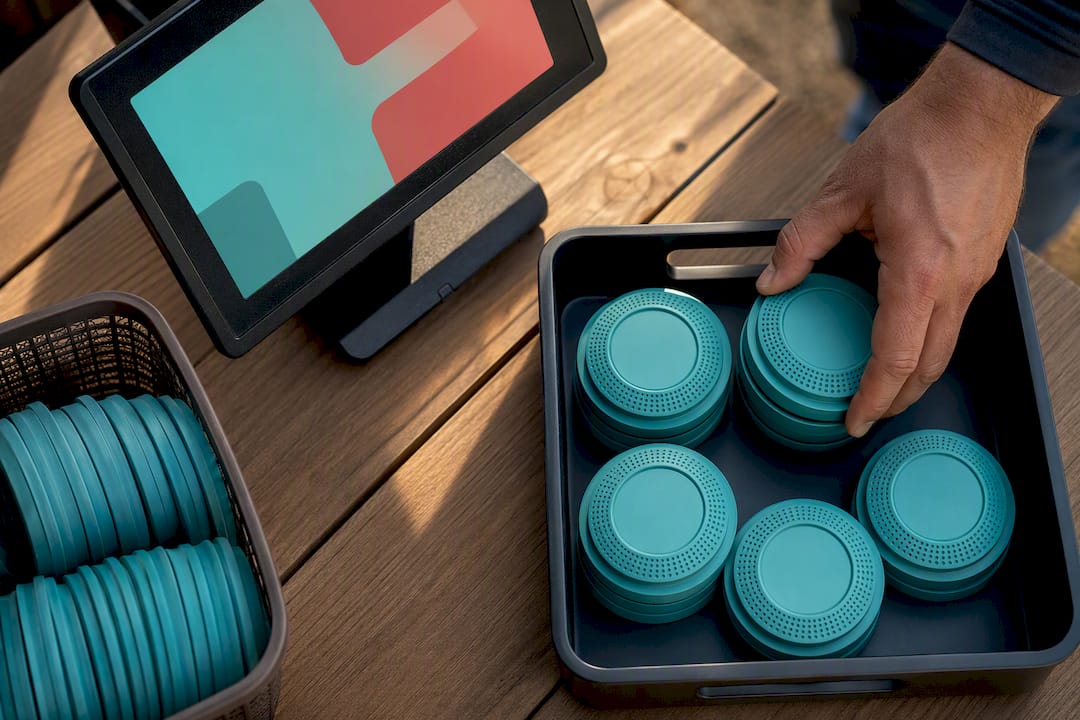
The targets themselves are reusable plastic clays fitted with sensors, launched from a trap in the same arcing flight as a traditional clay pigeon. A hit triggers an audible crack and a visual cue, and the result feeds straight to an electronic scoreboard that tracks every shooter’s tally in real time. Most commercial setups run a small number of converted shotguns per lane, so groups rotate through in small batches rather than queuing individually.
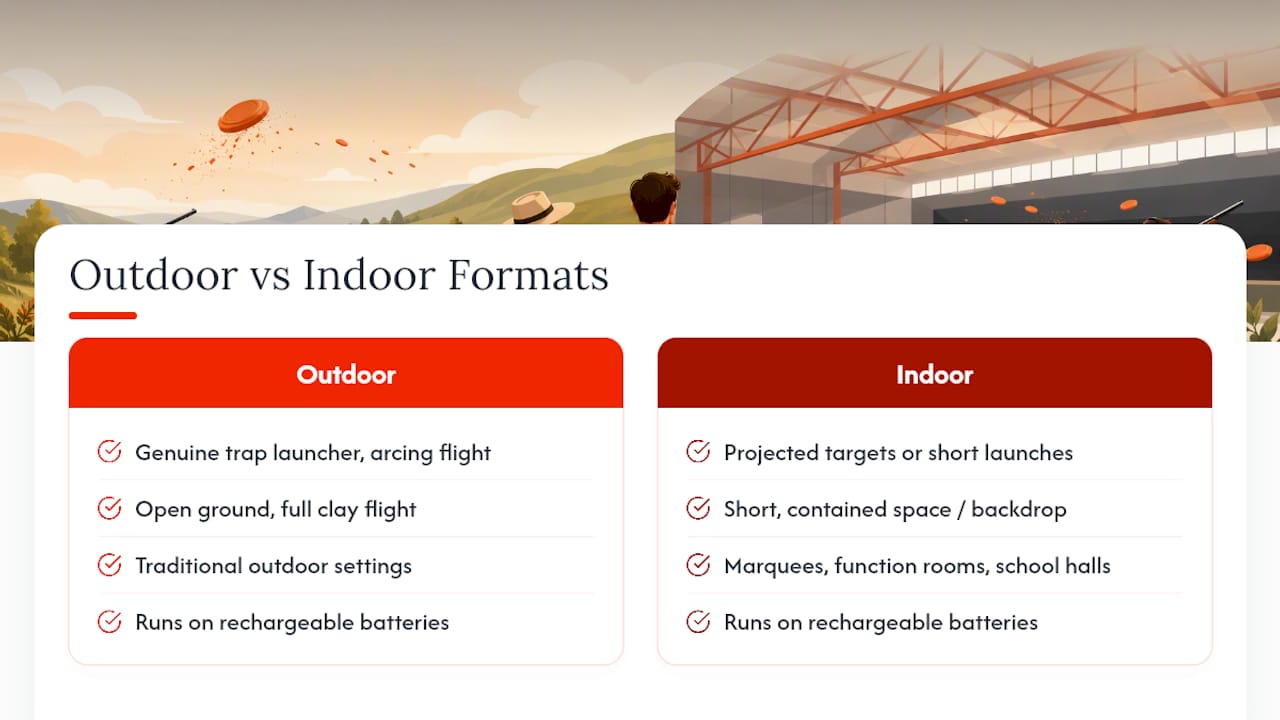
Two broad formats exist. Outdoor sessions use a genuine trap launcher, throwing clays across open ground much like the real sport. Indoor sessions typically project simulated targets onto a backdrop or launch clays across a shorter, contained space, which suits marquees, function rooms, or school halls. Suppliers commonly run the whole rig on rechargeable batteries, which means neither format depends on a mains power supply at the venue.
Why event organisers choose laser clay over the real thing
Safety is the first reason, and it is not a minor one. There is no live ammunition, no recoil, and no risk of stray shot, which removes most of the venue restrictions and clean-up burden that come with a firearms range. You need far less specialist supervision to run it responsibly than you would for the real sport.
It is also genuinely inclusive. A nervous ten-year-old and a confident adult can shoot on the same lane, because trap speed and trajectory can be adjusted on the fly to suit the group’s skill level. That flexibility matters more than it sounds. It is what lets a birthday party with mixed ages, or a corporate team with zero shooting experience, actually enjoy the session rather than watch one confident colleague dominate it.
Electronic scoring adds a competitive layer that real clay shooting struggles to match casually, with instant leaderboards and a natural awards moment built in. And because the clays are reused rather than shattered, there are no spent cartridges or fragments to clear up afterwards, which appeals directly to organisers running eco-conscious or CSR-branded events.
What to ask before you hire a laser clay supplier
Treat the hiring conversation as due diligence, not just a price check. A supplier who can answer the following without hesitation is worth booking; one who dodges them is not.
Ask these questions before you commit:
- How many facilitators will be on-site, and what is their role during play?
- Can you see proof of public liability insurance and a sample risk assessment?
- Exactly what is included: guns, launchers, reusable clays, scoreboard, PA system, shelter?
- Does the setup need mains power, or is it fully battery-run?
- What is the minimum space required, including a clear spectator zone?
- Can we see a quick demo of the scoreboard and hear the sound effects before booking?
Once you’re satisfied on safety and kit, lock the commercial details into the contract itself:
- Confirmed arrival, setup, and teardown times in writing.
- The exact number of facilitators attending, named where possible.
- Cancellation and rescheduling terms, including weather contingencies for outdoor bookings.
- Deposit amount, balance due date, and accepted payment methods.
- Who is responsible for site permissions, access, and waste removal on the day.
Two red flags should stop you signing anything: a supplier who won’t walk you through their safety briefing in advance, and one who can’t demonstrate the electronic scoreboard working before the event. If requesting a scoring demo feels excessive, remember it takes two minutes and saves you from a dead scoreboard in front of forty guests.
Choosing the right format for your event size
The activity scales from an intimate garden party to a half-day corporate tournament, but the format needs to match your headcount and time budget.
A workable starting ratio is one gun per three to five participants, with rotation groups of five to fifteen people cycling through lanes. Beyond fifteen per lane, waiting times start to drag and energy drops.
Match the session length to what you’re actually running:
- A 30-minute taster works for birthday parties or a quick team-building add-on: brief warm-up shots, one timed round, instant scores.
- A 60 to 90-minute competitive format suits most corporate days: warm-up, a timed individual round, a team relay, then a knockout final between top scorers.
- A half-day tournament fits school camps or larger corporate offsites: heats through the morning, a lunch break, semi-finals and a final, closing with an awards ceremony.
Sequencing matters as much as timing. Always open with unscored warm-up shots so nervous shooters find their aim before anything counts, then build toward the format’s climax. A knockout round or team relay near the end keeps energy high through to the final scoreboard reveal.
What safety measures should you insist on?
A well-run session looks calm precisely because the safety groundwork is invisible to guests. That is the standard to hold suppliers to.
On-site basics should be non-negotiable:
- A clearly defined firing line that shooters cannot step in front of once live.
- Spectator exclusion zones marked with signage, tape, or physical barriers.
- A controlled area for clay landing, kept clear of foot traffic.
- Visible instructions on where to stand, queue, and wait between rotations.
Facilitators should deliver a spoken safety brief to every rotation group before handing over a single gun, not just once at the start of the day. They should actively enforce firing line discipline throughout, not simply set it up and step back, and they need a clear plan for first aid and any emergency response.
Ask directly for the supplier’s public liability insurance details and a sample risk assessment document before booking, then double-check with your own insurer or venue whether they require sight of it too. Many venues will not confirm a booking without it.
Pro Tip: Ask the facilitator to run the safety brief for you during the site visit or over video call before the event. If they can’t explain it clearly to you, they won’t explain it clearly to sixty excited party guests either.
What drives the cost of a laser clay booking?
Budget planning starts with the site. Confirm early whether your venue is indoor or outdoor, because that shapes the footprint the supplier needs and whether they’re relying on battery power or expecting a mains hookup nearby.
Staffing is the next variable. Most bookings run on a fixed facilitator-to-participant ratio, and those facilitators handle setup, live scoring, and safety enforcement throughout, not just one of the three.
Expect quotes to move on a handful of factors:
- Session length and total headcount.
- Travel distance for the crew and equipment.
- Number of facilitators required for your group size.
- Custom branding on the scoreboard or printed scoring sheets.
- Add-ons like trophies, medals, or event photography.
Pro Tip: Ask for an itemised quote rather than a flat number. It makes it far easier to trim the budget by dropping an add-on, rather than cutting facilitator numbers you actually need for safety.
What I’ve learned watching these bookings go right (and wrong)
Organisers gravitate to laser clay because it delivers disproportionate engagement for relatively little setup risk. There’s no ammunition to account for, no cartridges to sweep up, and the scoreboard gives you a natural talking point without anyone needing to plan one.
The bookings that go smoothly all share one habit: they build in real setup and test time before guests arrive, rather than assuming the crew will be ready the second the first attendee walks in. Skip that buffer and you risk a queue forming while facilitators are still calibrating sensors.
A few negotiation points come up constantly. Push on facilitator numbers if your group is large or contains many first-timers, insist on proper rotation so nobody stands idle for twenty minutes, and ask whether branded scoring printouts are available. That last one costs little and gives corporate clients something tangible to take home.
— Joshua
Book a deactivated shotgun game with Laser Clay
Event packages and equipment rental for this activity typically cover corporate team-building days, birthday parties, school camps, and carnivals, often including facilitators, electronic scoring, and reusable eco-friendly clays as part of the service. If everything above sounds like the right fit for your event, the practical next step is straightforward.
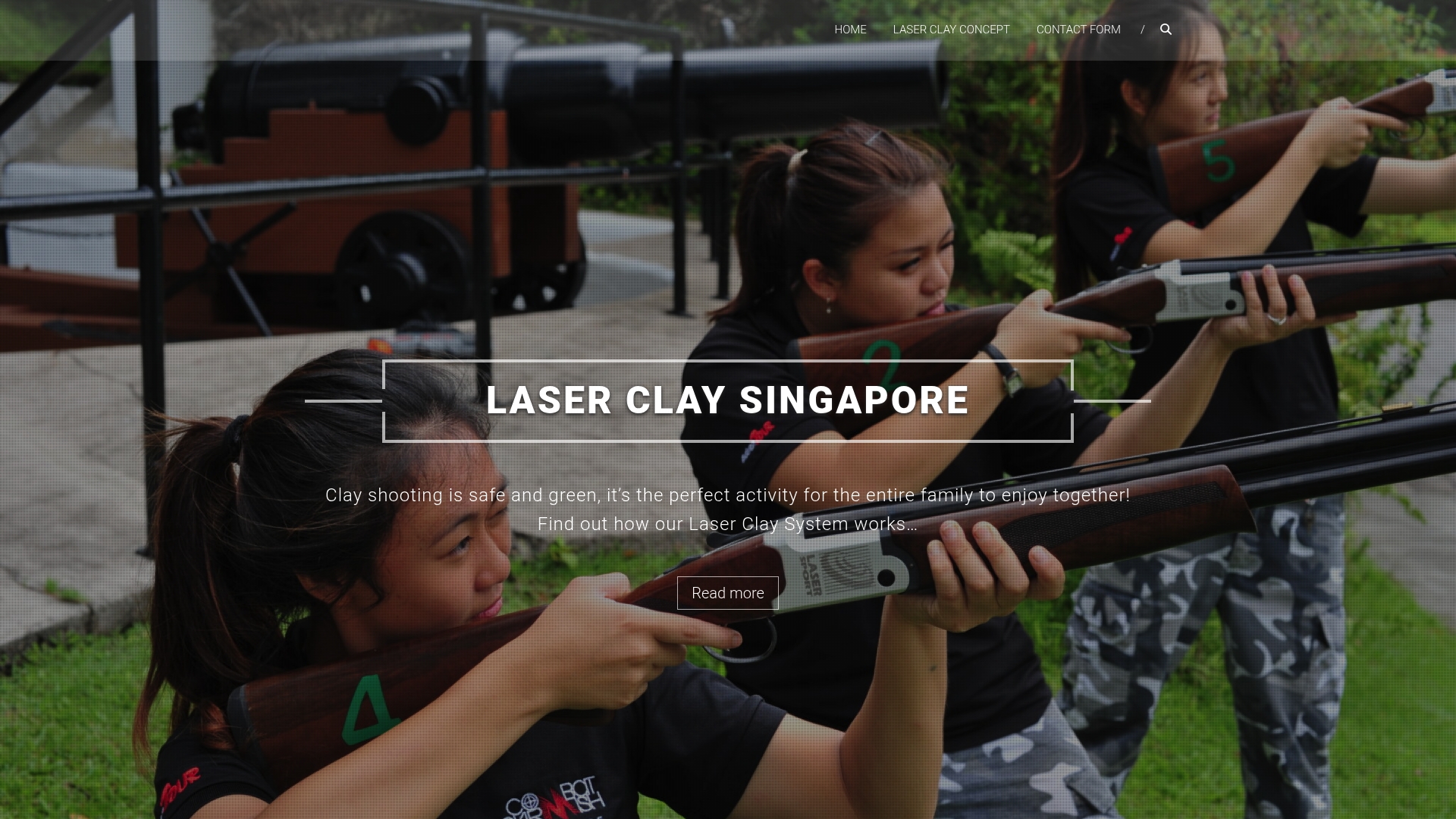
Start by requesting a quote through Laser Clay’s booking page, and use that first conversation to confirm your facilitator ratio, arrival and setup time, and whether a sample run sheet and risk assessment can be shared in advance. For corporate teams weighing this against other offsite options, it’s worth reading how laser clay fits into team-building programmes before you finalise numbers. Getting these details settled early is what separates a session that runs itself from one where the facilitator is still explaining the rules as your first guests arrive.
Sources
For more detail on mechanics and setup, see how laser clay shooting works and eco-friendly alternatives to traditional shooting.
- Smarttveterans
- Laser Clay Shooting- How it Works
- Laser Clay Shooting in Kenmare | Eco-Friendly Fun for All
FAQ
What are deactivated shotgun games?
They are laser clay shooting sessions using deactivated or replica shotguns fitted with infrared emitters, fired at reusable, sensor-equipped clays that register hits on an electronic scoreboard.
Are deactivated shotgun games safe for children?
Yes. There is no live ammunition, no recoil, and no projectile hazard, which is why the format suits mixed-age groups including children under trained facilitator supervision.
Can laser clay be played indoors?
Yes, indoor sessions typically use simulated targets or a shorter launch space, while outdoor sessions use a genuine trap launcher, and most equipment runs on battery power in either setting.
How much space do you need for a laser clay event?
Space requirements vary by format and guest count, so confirm the minimum footprint and spectator zone directly with your supplier before booking, along with power needs and setup time.
Does Laser Clay provide facilitators and scoring equipment?
Yes, Laser Clay’s event packages include trained facilitators, electronic scoreboards, and reusable clays as part of its corporate, birthday, and camp bookings.