For most Singapore corporate teams, the best competitive formats are short, scored and scalable: arena games, timed culinary challenges, laser-based target competitions and hybrid puzzle hunts. Pick by group size and energy level first, budget second. A 40-person team wanting high energy indoors fits arena games or laser clay; a 200-person year-end party fits carnival-style station rotations.
TL;DR:
- Laser clay offers a safe, scalable, and flexible competitive activity suitable for groups from 15 to 150 people in indoor or outdoor settings.
- Facilitator involvement is crucial; always confirm facilitator-to-participant ratios and ensure a clear scoring system with visible leaderboards.
- Outdoor water races like dragon boat competitions require a wet-weather contingency and are best for high-energy events with 20 to 100 participants.
- Hybrid puzzle hunts accommodate remote or geographically split teams of up to 500 people and need strong Wi-Fi at physical nodes for smooth execution.
- Budget for mid-range activities such as laser clay, culinary challenges, or arena games starts around $40 per person, with larger or custom events exceeding $100 per person.
Table of Contents
- Corporate competition ideas Singapore teams can shortlist by outcome
- Competitive corporate ideas with execution notes for Singapore planners
- How to choose between shortlisted competitive formats
- Pricing, lead times and venue logistics for Singapore events
- Why laser-based target games work as a competitive format here
- A planner’s honest take on what actually works
- Book a laser clay corporate event in Singapore
- Further planning resources
- Sources
- FAQ
Corporate competition ideas Singapore teams can shortlist by outcome
Matching the format to the outcome you actually need saves more planning time than any spreadsheet of vendor quotes. A team that needs bonding after a rough quarter wants something different from a team celebrating a product launch, even though both briefs might land on your desk labelled “team building.”
Here’s a working shortlist, organised by what each format is actually good for rather than by how impressive it sounds in a proposal.
- Arena games (laser tag, mixed-skill arenas): best for team bonding and energisers; sweet spot 20 to 80 people; high energy; indoor; pick this when you need noise, movement and quick wins within an hour.
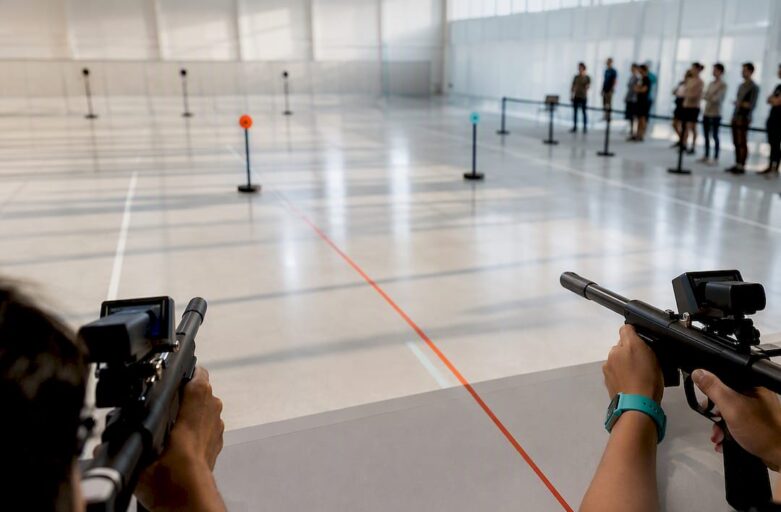
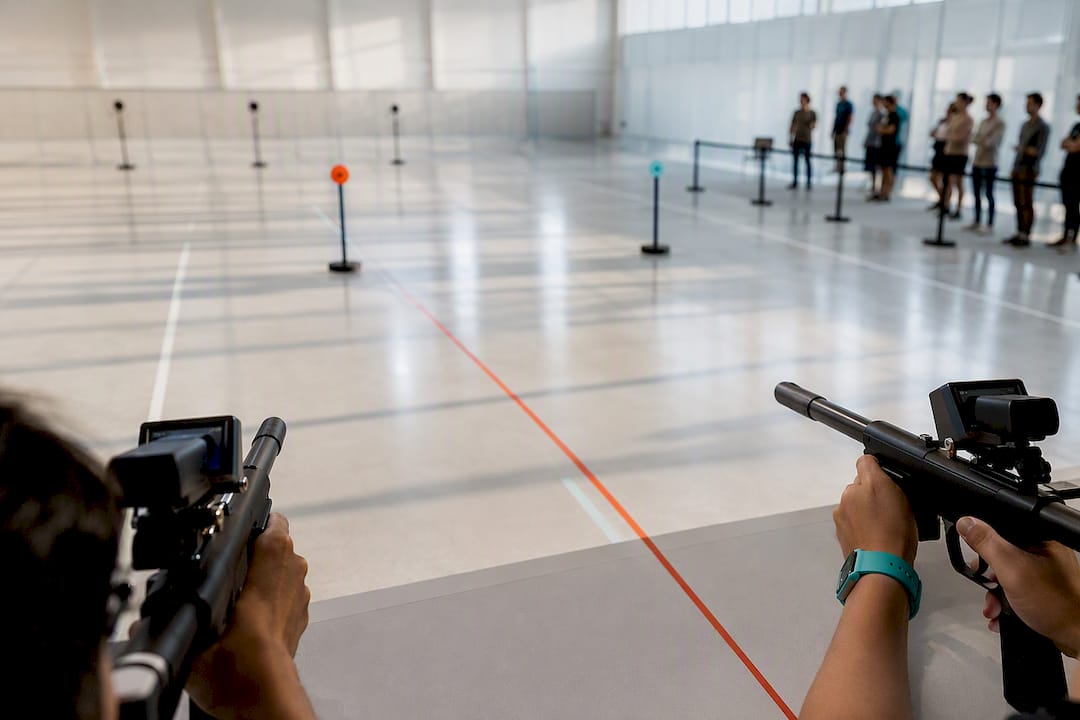
- Laser-based target games (laser clay): best for inclusive competition across skill levels and mixed-location teams; sweet spot 15 to 150 people; medium to high energy; indoor or outdoor; pick this when safety and scoring matter more than raw physical exertion.
- Timed culinary challenges: best for cross-department bonding and onboarding; sweet spot 10 to 60 people; medium energy; indoor; pick this when you want conversation alongside competition.
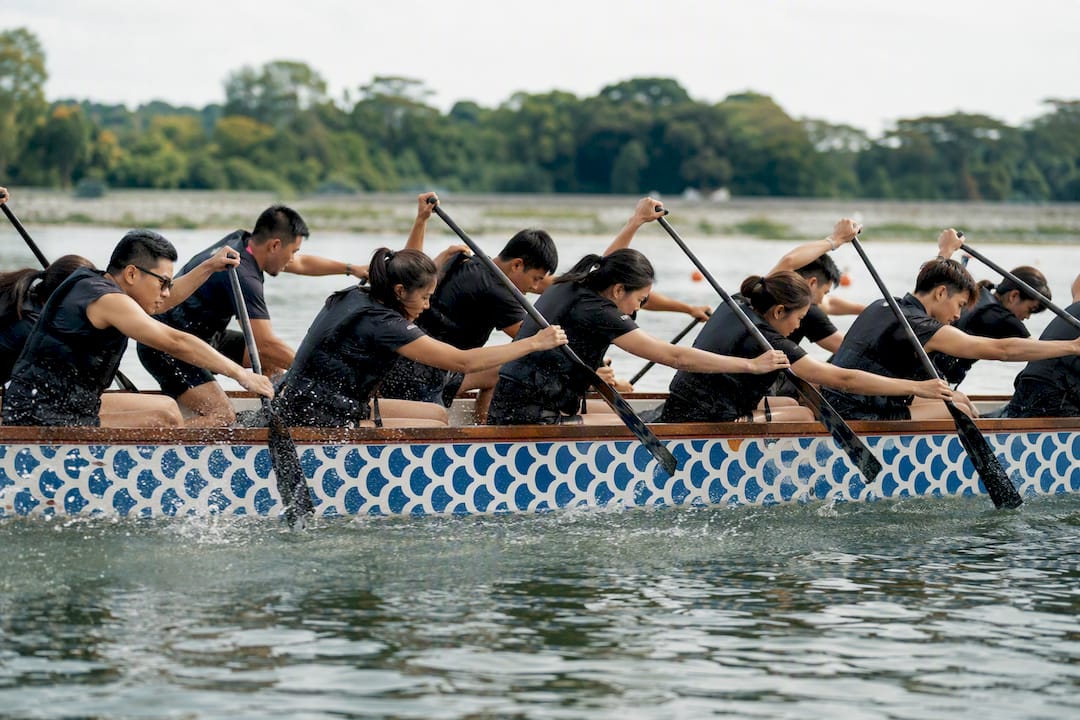
- Dragon boat or outsourced water races: best for reward events and offsites; sweet spot 20 to 100 people; high energy; outdoor; pick this only with a wet-weather backup, since Singapore’s afternoon storms are not negotiable from May through to November.
- Hybrid puzzle hunts (app-based, multi-site): best for onboarding and geographically split teams; sweet spot 10 to 500 people; low to medium energy; indoor/outdoor/virtual; pick this when some staff are remote or across regional offices.
- CSR-linked build challenges (assembling care packs, bicycles, prosthetics under time pressure): best for purpose-driven engagement; sweet spot 20 to 200 people; medium energy; indoor; pick this when leadership wants measurable social impact alongside competition.
- Carnival-style station rotations: best for large, mixed-age gatherings including family days; sweet spot 100 to 500+ people; variable energy across stations; indoor or outdoor with shelter; pick this for scale over depth.
- Creative workshops with a judged competitive element (design sprints, pitch battles): best for innovation challenges and cross-functional teams; sweet spot 15 to 50 people; low to medium energy; indoor; pick this when the brief is “spark ideas,” not “burn energy.”
Condo function rooms and standard office floor plates suit laser clay, culinary challenges and creative workshops without much retrofitting. Arena games and carnival rotations need more floor space and, often, a dedicated venue.
Competitive corporate ideas with execution notes for Singapore planners
Each idea below covers what the competition actually is, who it fits, roughly what it costs per person in Singapore, and the practical details that catch planners out. Prices are indicative starting bands; venue, facilitation ratio and add-ons shift them.
Indoor arena and skill-based games
1. Laser tag arena tournaments. Teams compete in elimination or capture-the-flag formats with electronic scoring. Fits 20 to 100 people, with prices starting at around $35 per person, and needs a cleared arena space with low lighting. Works well as a pure energiser but can exclude less mobile staff, so pair it with a seated scoring or spectator role for anyone who opts out.
2. Laser-based target games (laser clay). Teams shoot at moving or static clay-style targets using sound-simulated deactivated shotguns, with hits tracked on a live electronic scoreboard. Group sizes run from small teams of 15 up to 150 in rotation, typically $40 to $70 per person, and it runs indoors or outdoors since there is no live ammunition or lead shot involved. A simple scoring mechanic that works well: five rounds of ten targets, cumulative team score, with a sudden-death shoot-off between the top two teams. Because skill differences flatten out quickly with the electronic sighting system, it tends to keep mixed-experience groups genuinely competitive rather than one department dominating from round one. It’s a strong option when you want a memorable, photogenic anchor activity without the safety briefing overhead of traditional shooting sports, and it packs into most function rooms or open lawns without special permits. Pro Tip: Run heats of four teams at a time with a live leaderboard displayed on screen. It keeps waiting teams invested and gives you a natural moment to hand out mid-event prizes.
3. Escape-room style arena battles. Two or more teams race identical puzzle rooms simultaneously, competing on completion time. Fits 12 to 48 people in groups of four to six, with prices starting near $45 per person, and needs a purpose-built venue since DIY versions rarely hold tension as well.
4. Archery tag tournaments. Combines archery accuracy with dodgeball-style elimination. Fits 16 to 60 people, with prices starting near $30 per person, indoor or outdoor, and needs a facilitator briefing on safety equipment before every session, without exception, regardless of how experienced the group looks.
Outdoor and adventure formats
5. Dragon boat racing competitions. Crews race outsourced boats over a set course, scored on time. Fits 20 to 100 people in crews of 10 to 20, with prices typically starting near $60 per person including coaching, and absolutely requires a wet-weather contingency since races can’t run safely in lightning conditions common to Singapore’s tropical storms.
6. Amazing Race style city challenges. Teams navigate checkpoints across a district, completing tasks scored on time and accuracy. Fits 20 to 300 people, with prices generally around $50 per person, and works best with an app-based tracking system so facilitators can monitor teams without physically following them.
7. Obstacle course relay competitions. Physical relay stations scored on combined team time. Fits 20 to 150 people, with prices generally starting around $40 per person, needs outdoor space with shade, and should include a low-impact alternate station for anyone with mobility concerns.
Creative and culinary challenges
8. Timed culinary battles (MasterChef-style). Teams cook against the clock, judged on taste, presentation and teamwork under time pressure. Fits 10 to 60 people in small groups, with prices starting near $55 per person, indoor kitchen or function room with induction hobs, and needs allergy checks built into the brief before ingredients are handed out.
9. Design sprint pitch battles. Teams solve a business brief in a fixed window, then pitch to judges for scored feedback. Fits 15 to 50 people, with prices starting near $30 per person as it needs minimal equipment, indoor, and works particularly well for innovation challenge formats aimed at cross-functional collaboration.
10. Cocktail or mocktail mixing competitions. Teams create and pitch original drinks, judged on taste and presentation. Fits 15 to 80 people, with prices beginning near $45 per person, indoor, and needs a non-alcoholic track built in from the start for inclusive corporate workshops.
Virtual and hybrid formats
11. App-based trivia tournaments. Live-hosted trivia with real-time leaderboards across multiple locations. Fits 10 to 500 people, with prices generally starting around $15 per person, works indoor, outdoor or fully remote, and is the easiest format for teams split across Singapore and regional offices to run simultaneously.
12. Hybrid puzzle hunts with a remote track. In-office and remote staff solve parallel puzzle chains that converge on a shared leaderboard. Fits 20 to 200 people, with prices generally starting near $25 per person, and needs solid Wi-Fi at every physical node, which sounds obvious until you’re troubleshooting a dead spot mid-event.
CSR and give-back competitions
13. Timed build-for-good challenges. Teams race to assemble bicycles, care packages or prosthetic hands, competing on speed and quality checks, with completed items donated afterwards. Fits 20 to 200 people, with prices starting near $50 per person, indoor, and needs a charity partner confirmed well before the event to handle logistics and collection.
Carnival and multi-station formats
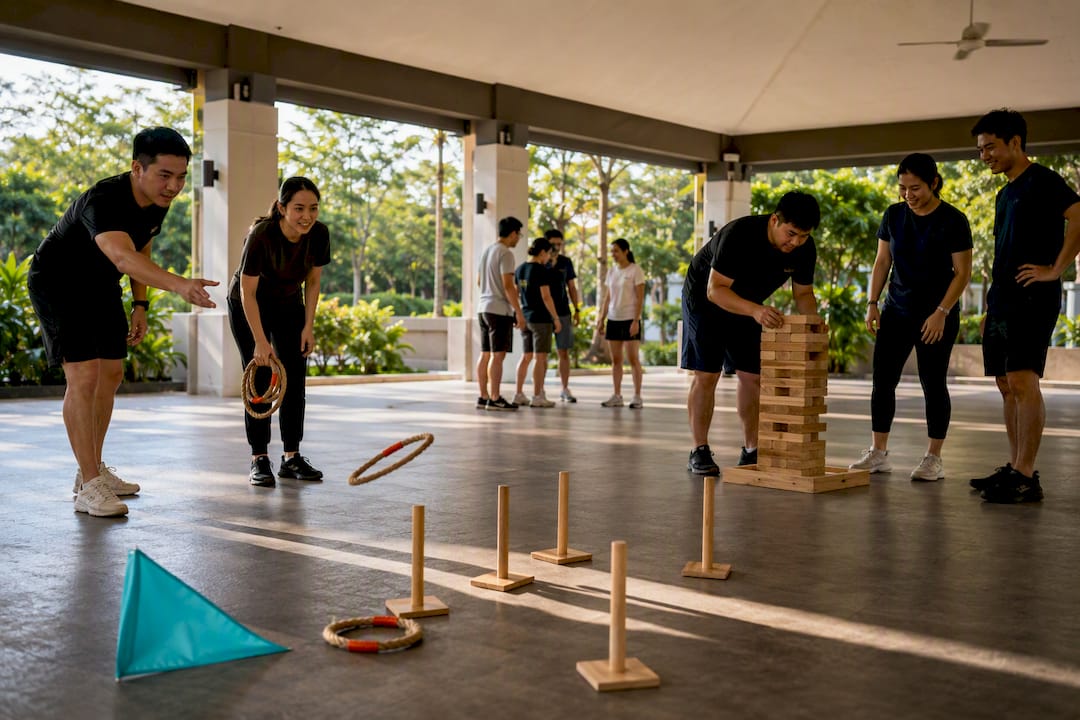
14. Carnival-style station rotations. Multiple competitive mini-games (ring toss, laser clay lanes, giant Jenga, quiz booths) run in parallel, with points tallied across stations for an overall team winner. Fits 100 to 500+ people, with prices generally starting near $25 per person per station depending on how many you book, and needs shelter for outdoor versions given Singapore’s afternoon rain pattern. This format is the one most planners underuse for genuinely large headcounts, because it lets you mix high-energy and low-energy stations side by side rather than forcing 400 people through one activity at once.
How to choose between shortlisted competitive formats
Start with the objective, not the activity. A format chosen because it looked good in a supplier’s brochure rarely survives contact with your actual headcount, venue and budget. Work through these criteria in order:
- Objective first: are you measuring bonding, onboarding speed, innovation output, or pure morale? Pick a format built to score that specific outcome.
- Accessibility: does the format exclude anyone by mobility, dietary need or language, and is there a genuine alternate role rather than a token one?
- Energy level match: a low-energy team a week after redundancies needs a different pitch than a team celebrating a record quarter.
- Venue fit: confirm ceiling height, floor space, power points and noise tolerance before you fall in love with a format your venue can’t host.
- Budget realism: get an all-in per-person price, not a base rate that balloons once facilitators, AV and prizes get added.
- Hybrid capability: if any staff are remote, ask whether the format has a genuine remote track or just a spectator link.
Choosing a format with one measurable, scored element built in tends to pay off twice: it sharpens engagement during the event and gives HR something concrete to report afterwards, a pattern event-industry research on scoring and timed rounds backs up directly.
Before signing, ask suppliers: What exactly is included in the quoted price? What’s the facilitator-to-participant ratio? What’s the wet-weather or no-show contingency? What safety certifications and equipment insurance do you carry? Can you share references from similar-sized Singapore corporate events?
Watch for red flags: vague line items like “activities included” with no breakdown, pricing that only appears after a sales call, no named facilitator assigned to your date, or no flexibility on rescheduling. A supplier who can’t answer the facilitator-ratio question in one sentence usually hasn’t run enough of these events.
Pricing, lead times and venue logistics for Singapore events
Budget bands in Singapore generally fall into three tiers. Low-cost station rotations and trivia formats start at about $15 to $35 per person. Mid-range hosted experiences, including laser clay, culinary battles and arena games, tend to start around $40 to $85 per person. Premium bespoke days with multiple activities, catering and custom branding often exceed $100 per person.
What pushes price up: custom scoring software, branded equipment, premium venues with AV built in, and any format requiring specialist coaches like dragon boat crews.
- Lead time: book 2 to 3 weeks ahead for groups under 50, 4 to 6 weeks for 50 to 200, and 8 or more weeks for anything over 200 or during peak season.
- Peak season: year-end (November and December) and the weeks following Chinese New Year see the highest demand, with supplier calendars filling fast.
- Venue checklist: confirm space clearances, power and AV access, step-free access, and shelter for any outdoor component.
- Wet-weather contingency: always confirm an indoor backup venue or a flexible reschedule window before signing an outdoor booking.
For larger or multi-vendor events, VisitSingapore’s MICE planning resources list supplier networks and filters that speed up vendor vetting considerably.
Why laser-based target games work as a competitive format here
Laser clay solves a specific planning problem: how do you run a genuinely competitive shooting-style event without the safety briefing, lead ammunition, or environmental liability that come with the traditional sport? The reusable clay targets and sound-simulated deactivated shotguns remove the live-ammunition risk entirely, which matters when your guest list includes people who’ve never held anything resembling a firearm.
The scoring is what makes it a real competition, not just a novelty. Electronic scoreboards track hits round by round, so a facilitator can run heats, tally cumulative points, and produce a clear winner without anyone disputing the result.
A format that scales from a 15-person office rotation to a 150-person carnival lane, runs indoors or outdoors, and needs no special ammunition licensing, solves more logistics headaches than most planners expect from a “shooting” activity.
It suits mixed-skill groups particularly well, since the electronic sighting narrows the gap between a first-timer and someone who plays casually at a range. That’s rare in competitive corporate formats, most of which quietly favour whoever’s most athletic or most experienced.
A planner’s honest take on what actually works
Most competitive formats fail for one boring reason: nobody assigned a facilitator whose only job was running the clock and the leaderboard. Teams don’t need elaborate themes. They need a clear scoring system, a visible leaderboard, and someone keeping time so the competition doesn’t drift into a vague social hour.
The common pitfall isn’t picking the wrong activity category. It’s picking a format that sounds impressive on a proposal but has no genuine measurement built in, so nobody can say afterwards whether it worked. Build one scored element into whatever you choose, confirm your wet-weather plan in writing, and check the facilitator ratio before you check the theme.
Pro Tip: Ask every shortlisted supplier for their exact facilitator-to-participant ratio in writing. If they hedge, that’s your answer.
— Joshua
Book a laser clay corporate event in Singapore
Laserclay provides planners with a scored, competitive shooting-style event that avoids many complexities associated with live clay pigeon shooting. Packages typically include facilitators, scoreboard setup, and equipment for indoor and outdoor venues, allowing flexible group sizes from small office rotations to larger events.
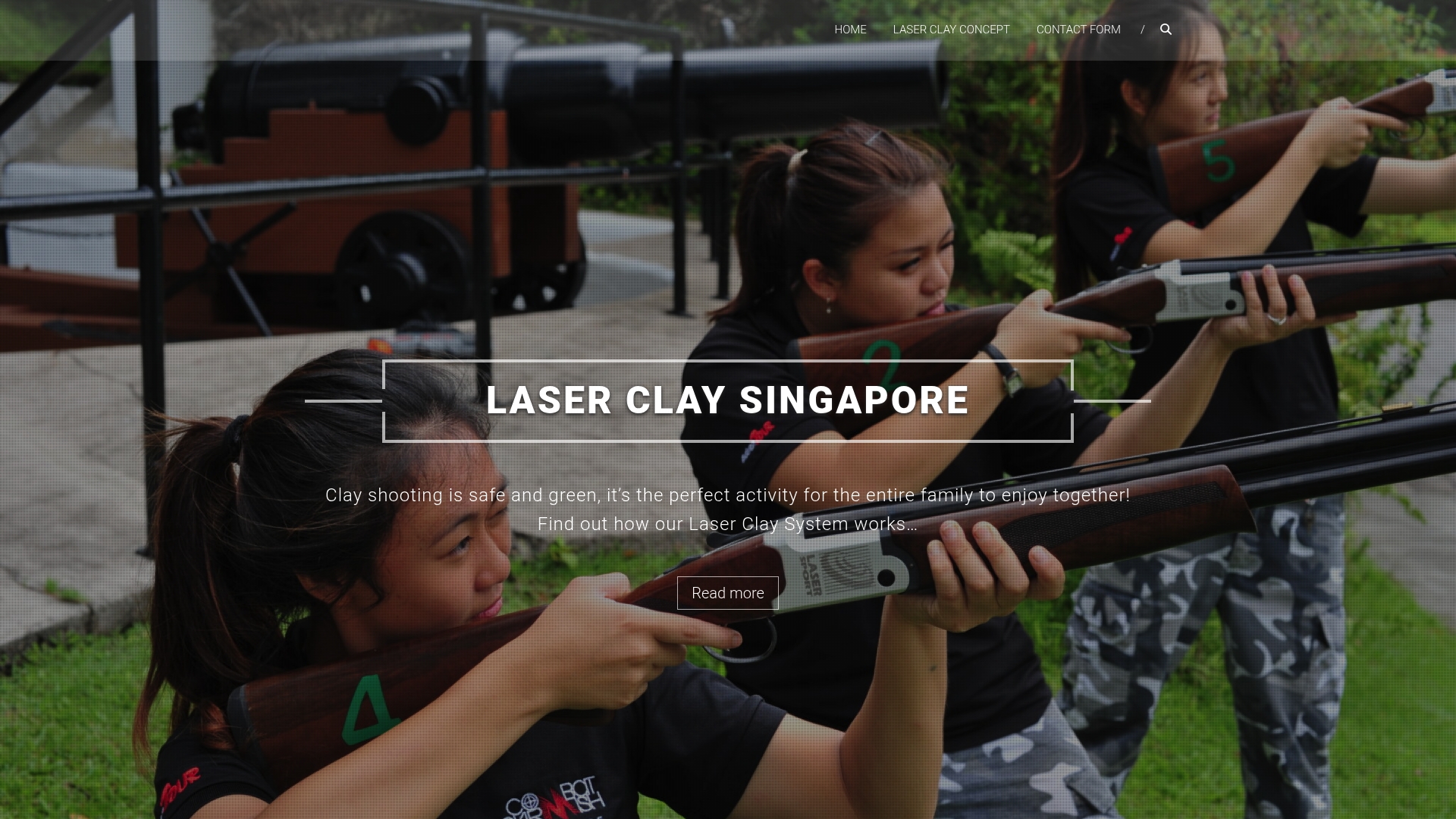
It is a suitable choice when safety briefings need to be brief, groups have mixed skill levels, or when environmental considerations are important to the leadership. The use of reusable targets eliminates the need to manage spent ammunition afterwards, unlike traditional clay shooting. If a scored, photogenic anchor activity fits your brief, check package options and pricing for corporate team building or read how the gameplay and scoring work before you enquire about dates.
Further planning resources
For supplier vetting and large-event logistics, VisitSingapore’s MICE portal lists local networks. For format trends shaping 2026 budgets, see Bizzabo’s corporate event ideas and uRequest Live’s 2026 roundup.
Sources
- Corporate event ideas — Bizzabo blog
- 15 corporate event ideas that will dominate 2026 — uRequest Live
FAQ
What are some good corporate games in Singapore?
Arena games, laser-based target competitions, timed culinary battles and hybrid puzzle hunts all work well because each has a built-in scoring system that makes the competition measurable.
What are some fun activities for corporate teams?
Formats that combine light competition with a clear goal, such as timed cooking challenges, archery tag, or laser clay rotations, tend to outperform purely social mixers on both engagement and follow-up recall.
What are some fun and corporate bonding activities in Singapore?
CSR-linked build challenges and carnival-style station rotations both score well for bonding because they mix competition with a shared purpose, whether that’s a charity outcome or simply rotating through stations together.
What are some fun activities I can do during a team meeting?
Short trivia rounds or a five-minute scored quiz work inside a standard meeting slot without needing a separate venue, and they translate easily to a hybrid setup if some attendees are remote.
Is laser clay suitable for large corporate groups in Singapore?
Yes. Laser clay scales from small teams of around 15 up to 150 people in rotation, and runs indoors or outdoors depending on your venue.