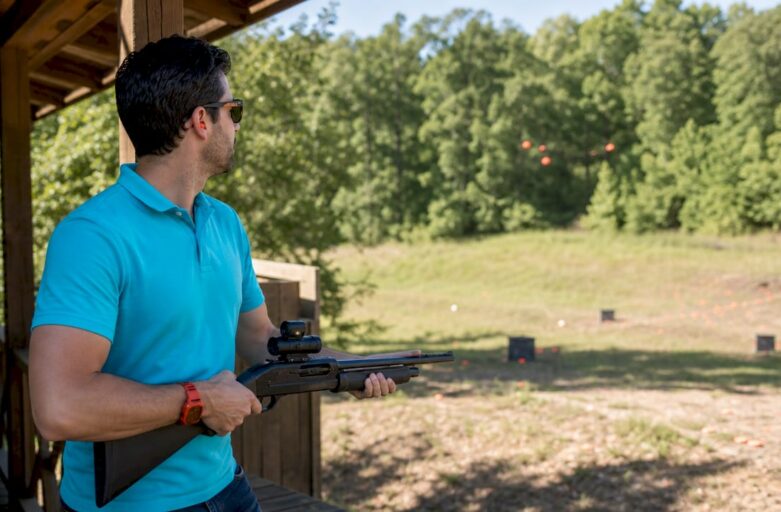
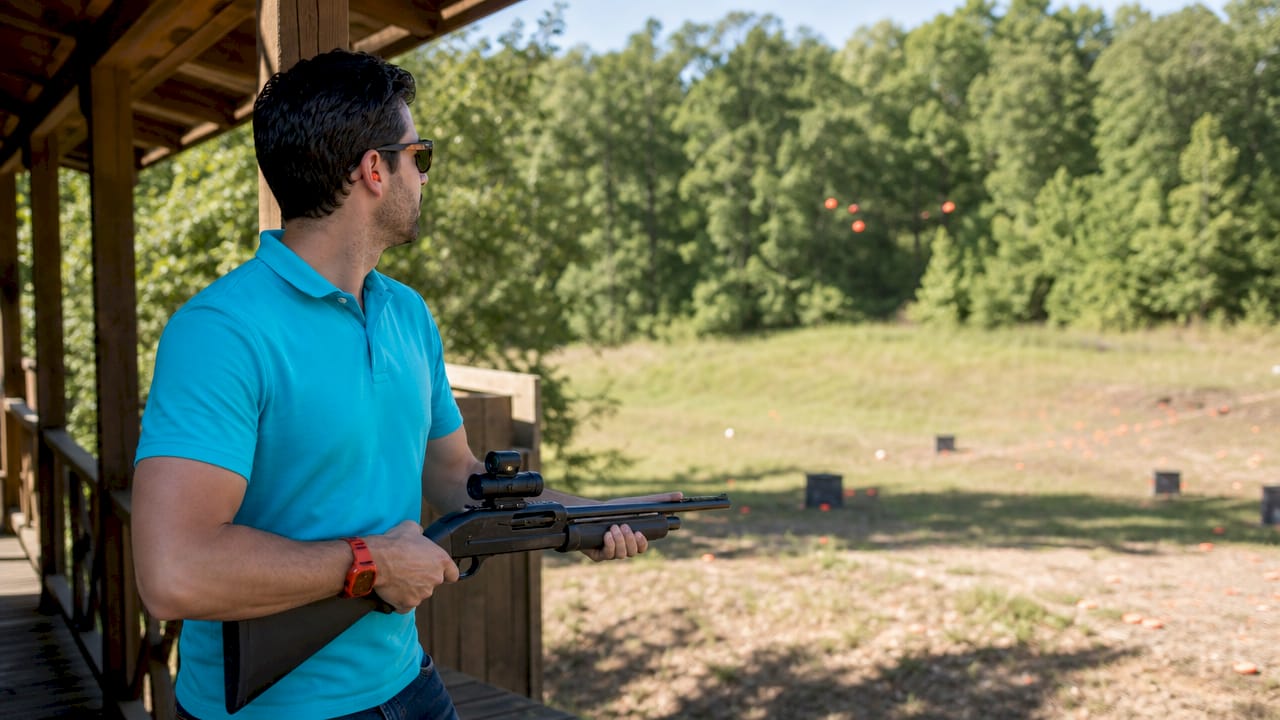
Laser clay shooting is defined as an infrared-based target sport where a digital beam replaces live ammunition, achieving shot detection accuracy near 0.1 pixel precision in advanced systems. Understanding how laser clay compares to real clay accuracy matters because the two methods measure and deliver accuracy in fundamentally different ways. Laser clay offers instant digital feedback and removes recoil entirely, while real clay shooting depends on pellet ballistics, environmental conditions, and physical technique. Laserclay uses real clay launchers paired with infrared shotguns, giving participants the visual realism of clay flight without lead ammunition or safety risks. Knowing the distinction helps recreational shooters and event organisers choose the right format for their goals.
What factors determine accuracy in real clay shooting?
Real clay shooting accuracy depends on a combination of physical, mechanical, and environmental variables that no digital system fully replicates. Shot pattern spread is the first major factor. A standard shotgun cartridge fires hundreds of pellets in a cone pattern, and the density of that pattern at a given distance determines whether a clay breaks. The shooter does not need to be perfectly on target; the spread provides a margin of error that laser systems do not replicate.
Recoil is the second critical variable. Each shot pushes the gun back into the shooter’s shoulder, and managing that force affects gun mount consistency and follow-through. Poor recoil management causes the barrel to lift before the shot completes, breaking the swing and reducing accuracy. This physical conditioning element is absent from laser clay entirely.
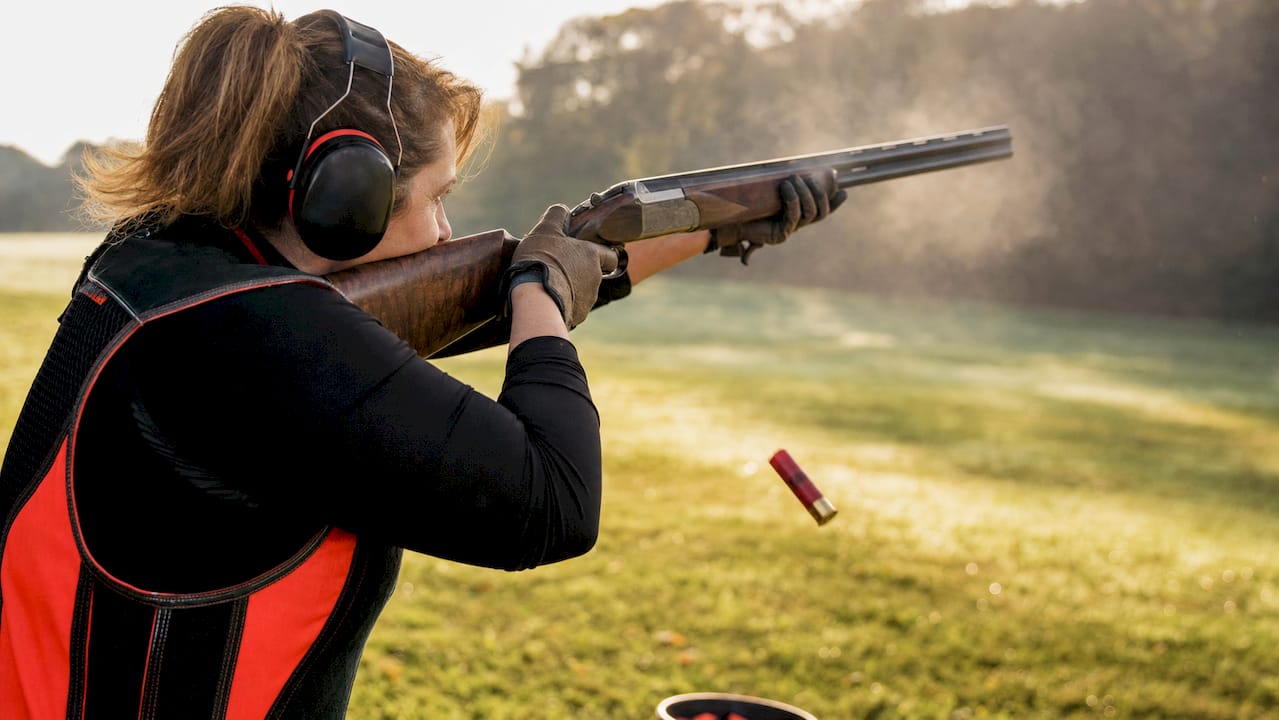
Lead allowance adds another layer of complexity. A clay target travelling at speed requires the shooter to fire ahead of it, accounting for pellet travel time. Wind, target angle, and distance all change the required lead. Environmental factors such as light conditions, background contrast, and terrain further influence how reliably a shooter can read and track a target.
| Factor | Effect on real clay accuracy |
|---|---|
| Shot pattern spread | Creates a cone of pellets; partial hits still break clays |
| Recoil management | Poor control breaks swing and reduces follow-through |
| Lead allowance | Pellet travel time requires shooting ahead of the target |
| Wind and weather | Alters target flight path and pellet trajectory |
| Target contrast | Affects visual tracking and timing of the shot |
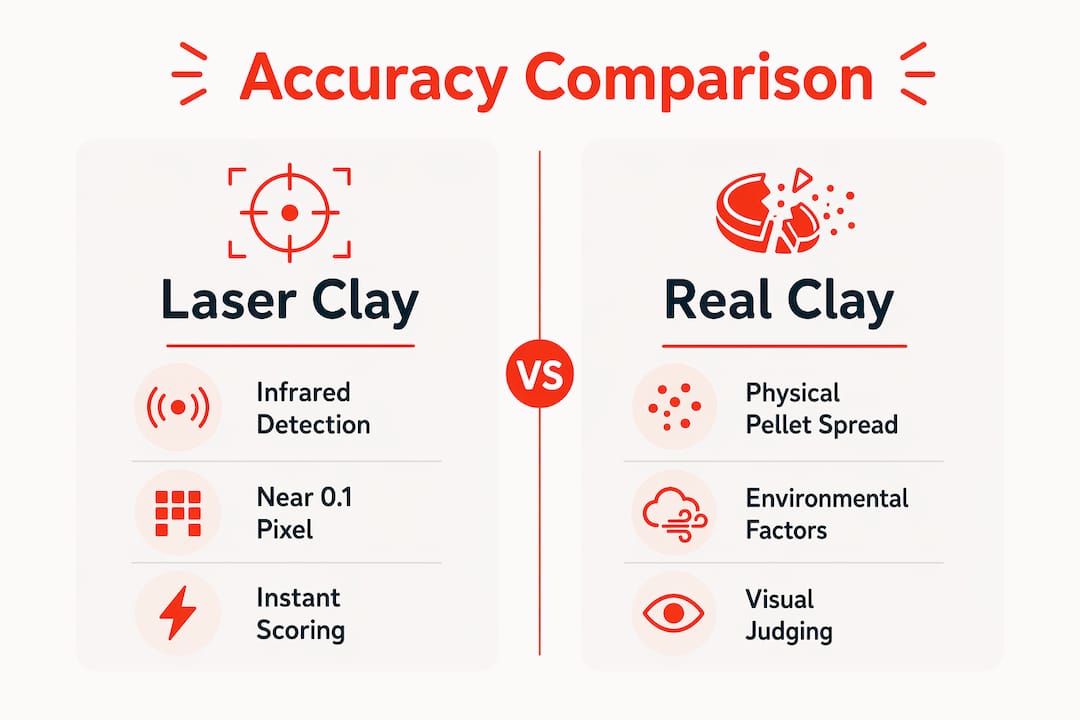
Scoring in real clay shooting also carries a natural delay. Judges confirm breaks visually, and in high-volume rounds this introduces human error. Digital systems eliminate that variable entirely, which is one area where laser clay accuracy differences become a genuine advantage.
How does laser clay technology achieve accuracy?
Laser clay systems achieve accuracy through infrared detection rather than physical projectiles. When a participant pulls the trigger, the infrared shotgun emits a beam that the system reads against the clay target’s position in real time. Instant hit identification removes the ambiguity of visual judging and provides a consistent, repeatable scoring standard.
The technical precision of these systems is significant. Advanced platforms can simulate cartridge and choke effects, calculate ballistic data, and adjust environmental variables digitally. That level of control is not available on a live range without changing physical equipment.
Key operational features of laser clay systems include:
- Infrared detection reads shot position against the clay’s flight path with no pellet travel delay.
- Real clay launchers are used for target presentation, preserving authentic flight trajectories.
- Instantaneous scoring removes human judging error and provides immediate feedback to the shooter.
- Simultaneous multi-shooter capability allows multiple shooters at once, reducing waiting time and increasing round pace.
- Digital analytics record aim point, timing, and lead errors for post-round review.
One important accuracy nuance is lead allowance. Laser clay requires less lead than live ammunition because the infrared beam travels at the speed of light rather than at pellet velocity. This makes target acquisition easier for beginners but means the timing skills developed on a laser system do not transfer directly to competitive live-fire shooting.
Pro Tip: Adjust your laser system’s lead compensation settings to mirror the cartridge and choke combination you use on a live range. This closes the gap between simulator timing and real-world performance.
Laserclay combines these technical elements with real clay flight, giving participants the visual experience of a genuine clay target while the digital layer handles scoring and feedback. The result is a format that is highly accurate within its own technical framework, even though that framework differs from live ammunition shooting.
How do accuracy differences impact training and skill development?
The accuracy differences between laser and real clay shooting have direct consequences for how skills develop and transfer. Laser systems excel at building foundational mechanics. Gun mount, eye tracking, hold-point visualisation, and target reading all improve with laser-based practice because the system provides immediate, precise feedback on where the aim point was at the moment of the shot.
Competitive shooters report that extensive simulated practice improves real-world consistency, particularly for pre-shot routines and mental focus. The absence of noise and recoil reduces fatigue, allowing more repetitions per session than a live range typically permits.
The limitations are equally clear. The absence of recoil can cause shooters to develop poor follow-through habits, because there is no physical consequence for lifting the head or breaking the swing early. Laser trainers also reveal trigger control errors that recoil normally masks, which is a genuine benefit for diagnostics but requires a coach or structured programme to act on those findings.
Common mistakes when relying solely on laser clay training:
- Neglecting follow-through. Without recoil, shooters stop the swing after pulling the trigger. This habit causes misses on live ranges where follow-through is physically necessary.
- Underestimating lead. Because laser beams travel instantly, shooters calibrated on a laser system often shoot behind fast-moving targets when switching to live ammunition.
- Ignoring gun mount pressure. Recoil-free shooting removes the feedback that reinforces a firm, consistent mount. Shooters may develop a loose hold that fails under live-fire conditions.
- Over-relying on digital scoring. Instant scores can create a gamification mindset that prioritises points over technique, which diverges from the discipline required in competitive trap or skeet.
- Skipping live-fire sessions. Experts view laser systems as training enhancements, not replacements. Foundational mechanics built on a simulator still require live-fire validation to reach competitive standard.
Pro Tip: Use laser clay sessions specifically for technical drills: hold-point work, target reading, and pre-shot routine. Reserve live-fire sessions for physical conditioning, recoil management, and competition preparation.
A balanced training regimen combines laser clay for foundational skills and digital feedback with traditional live-fire for physical conditioning and competition readiness. Neither method alone produces a complete shooter.
When is laser clay shooting preferred over real clay shooting?
Laser clay shooting is the better choice in several specific contexts. Understanding those contexts helps event organisers and recreational shooters make an informed decision rather than treating the two formats as interchangeable.
Laser clay suits mixed-ability groups better than live-fire shooting. Recoil-free systems accommodate participants of all ages and physical conditions, including those who would find a live shotgun uncomfortable or unsafe. Laserclay events regularly serve corporate team-building groups, school programmes, and family celebrations where participant range is wide.
Environmental and logistical advantages are substantial:
- No lead contamination. Live clay shooting deposits lead shot across the range. Laser systems produce no ammunition waste, making them suitable for eco-friendly events and locations where lead discharge is restricted.
- Flexible venue requirements. A laser clay setup requires approximately 50m x 20m of space, far less than a licensed clay range. This opens up parks, car parks, and indoor venues.
- Reduced noise. Infrared shotguns produce minimal sound, removing the need for ear protection and making the activity suitable for noise-sensitive environments.
- Lower cost per round. No cartridges or clay replacements are consumed during shooting, reducing the per-participant cost significantly for high-volume events.
For beginners exploring shooting sports, laser clay provides a low-pressure introduction to target acquisition, gun handling, and competitive scoring without the physical and financial barriers of live ammunition. The instant feedback loop accelerates early learning in a way that a live range, with its inherent delays and costs, cannot match.
Laser clay does not suit shooters preparing for Olympic trap, FITASC sporting, or other disciplines governed by physical ballistics. Those formats require the full sensory and physical experience of live ammunition. The most effective approach combines both methods: laser clay for accessible, high-repetition skill work, and live-fire for competitive conditioning.
Key takeaways
Laser clay shooting delivers superior digital precision and instant feedback, but real clay shooting remains essential for mastering ballistics, recoil, and competitive physical conditions.
| Point | Details |
|---|---|
| Accuracy mechanisms differ | Laser uses infrared detection; real clay relies on pellet ballistics and shot pattern spread. |
| Lead allowance gap | Laser beams travel instantly, requiring less lead than live ammunition and affecting timing transfer. |
| Training strengths | Laser clay builds gun mount, eye tracking, and hold-point skills faster than live-fire repetition. |
| Key training risk | Absence of recoil can cause poor follow-through habits if laser sessions lack structured coaching. |
| Best combined approach | Use laser clay for foundational drills and digital feedback; use live-fire for physical and competitive readiness. |
My honest view on laser clay versus real clay accuracy
The debate between laser clay and real clay accuracy often gets framed as a technology-versus-tradition argument. I think that framing misses the point entirely.
Laser clay is not trying to be live-fire shooting. It is a different tool with a different purpose. The infrared detection accuracy is genuinely impressive, and the instant feedback it provides would have been transformative for my own early training. The problem arises when shooters treat a laser session as a direct substitute for range time and then wonder why their scores do not transfer.
The real value of understanding laser clay precision is knowing exactly what it trains and what it does not. Gun mount consistency, pre-shot routine, and target reading all improve measurably with structured laser practice. Recoil management, lead timing for fast targets, and the mental pressure of live ammunition do not. Knowing that boundary is what separates shooters who use technology well from those who develop bad habits and blame the system.
My recommendation is straightforward. Use laser clay heavily for foundational work and event formats where accessibility and safety matter. Complement it with coached live-fire shooting lessons when competitive performance is the goal. The two methods are not rivals. They are partners in a complete shooting development programme.
— Joshua
Laserclay Singapore: accurate, accessible clay shooting
Laserclay brings together real clay launchers and infrared shotgun technology to deliver a shooting experience that is accurate, safe, and open to all skill levels.
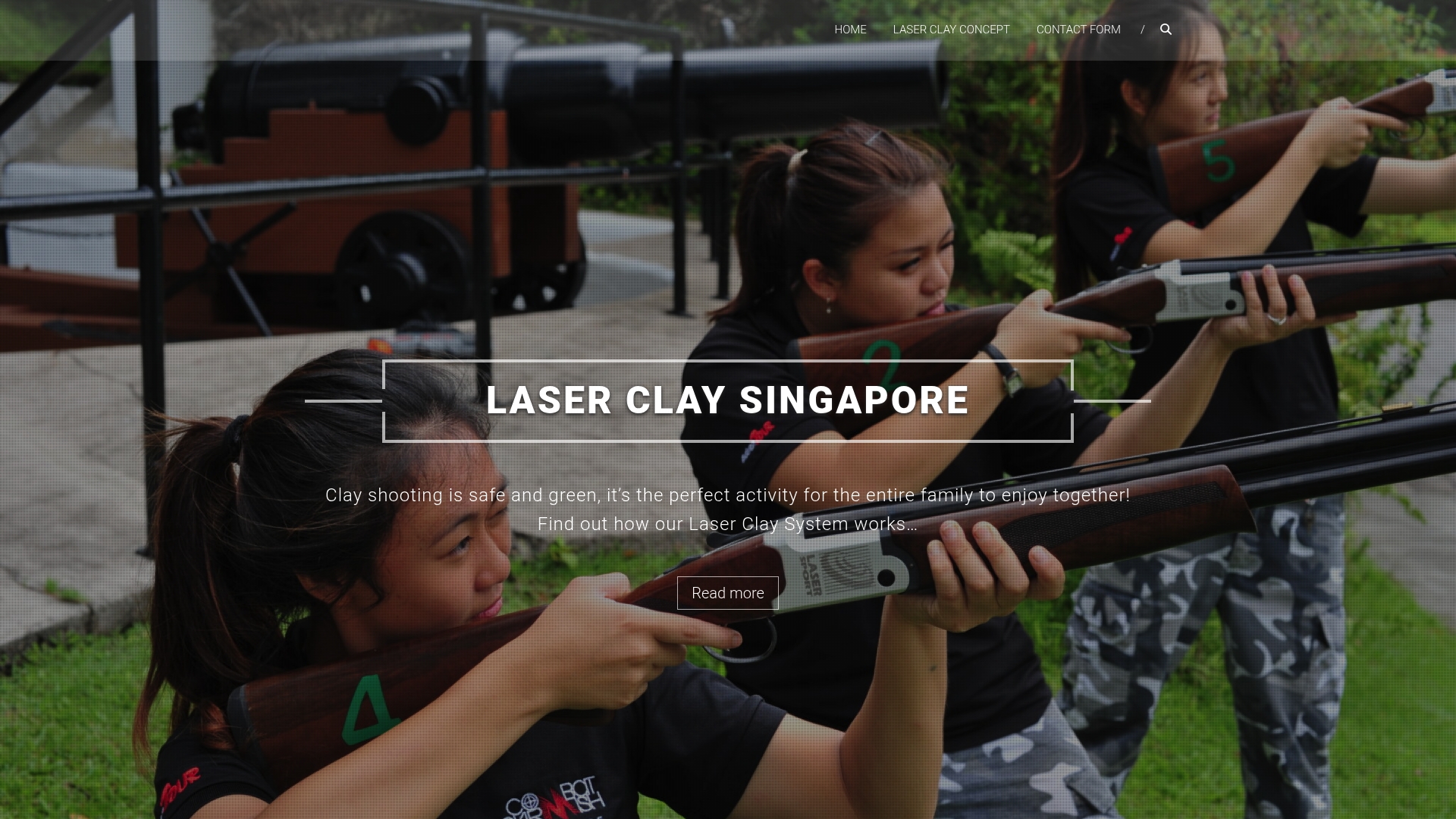
Every session uses genuine clay targets for authentic flight paths, with instant digital scoring that removes guesswork from performance tracking. There is no lead, no heavy recoil, and no specialist venue required. Whether you are planning a corporate team-building day, a school event, or a weekend group activity, Laserclay provides a format that works for first-timers and experienced shooters alike. Book your session and see how real-time accuracy feedback changes the way your group engages with the sport. For a full overview of what to expect, visit Laserclay Singapore.
FAQ
How accurate is laser clay compared to real clay shooting?
Laser clay achieves shot detection accuracy near 0.1 pixel precision through infrared technology, providing more consistent scoring than visual judging on a live range. Real clay accuracy depends on pellet ballistics, recoil management, and environmental conditions, making it technically more complex.
Does laser clay shooting build the same skills as live-fire clay shooting?
Laser clay builds strong foundational skills including gun mount, eye tracking, and hold-point visualisation, but does not replicate recoil or physical shot patterns. Competitive shooters use laser systems to supplement, not replace, live-fire training.
Why does laser clay require less lead than real clay shooting?
Infrared beams travel at the speed of light, so there is no pellet travel time to account for. Live ammunition requires the shooter to fire ahead of a moving target to compensate for the time pellets take to reach it.
Is laser clay shooting suitable for competitive training?
Laser clay is effective for developing foundational mechanics and identifying technical errors, but experts recommend combining it with live-fire practice for competition preparation. Digital scoring and instant feedback make it a strong diagnostic tool.
What makes laser clay a better choice for group events?
Laser clay accommodates multiple simultaneous shooters, requires no ear protection, produces no lead waste, and suits all ages and abilities. These factors make it the preferred format for corporate events, school programmes, and mixed-ability social activities.