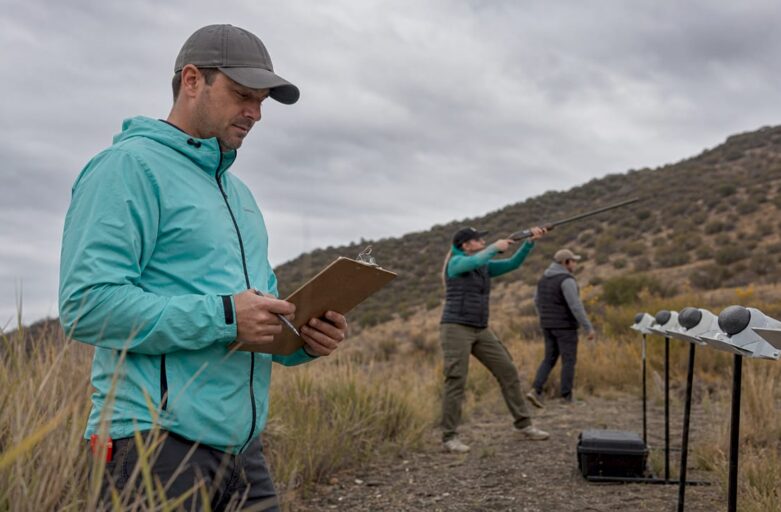
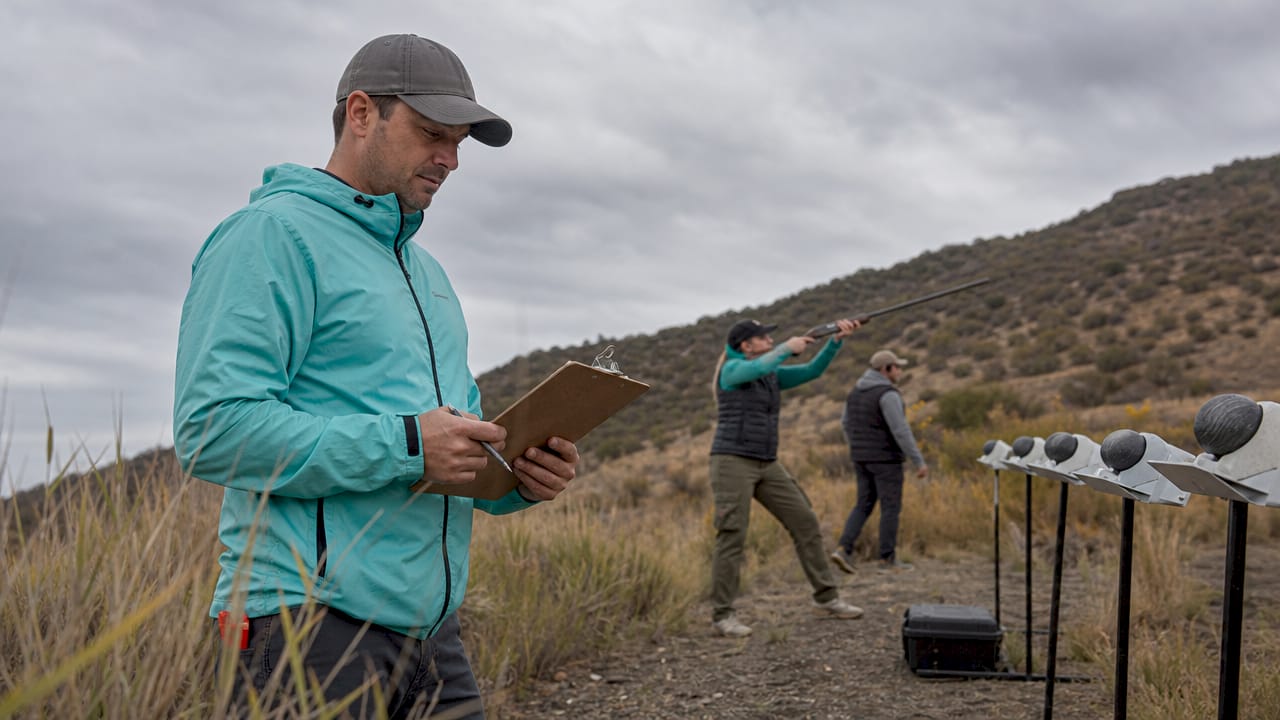
Weather is the single biggest variable event planners face when organising outdoor laser clay shooting. The good news is that how weather affects outdoor laser clay is less about the laser technology failing and more about participant safety and mechanical target stability. Laserclay’s laser systems are built to perform across a wide range of conditions. The real decisions operators make in wet, windy, or extreme weather centre on keeping participants safe and keeping the game flowing. Understanding this distinction helps planners prepare properly rather than cancel unnecessarily.
What weather conditions directly impact outdoor laser clay shooting?
The laser technology at the heart of clay shooting is more resilient than most participants expect. Research into laser sensor performance shows that laser systems remain robust in fog, haze, and high humidity, where other sensing technologies degrade faster. That resilience means the laser itself is rarely the reason a session stops.
Rain is the most common weather concern for outdoor events. Its primary effect is not on laser accuracy but on the ground beneath participants’ feet. Slippery surfaces on grassy fields or boat decks create genuine liability risks for operators, and that is what drives the decision to pause or relocate a session. A wet field changes the risk profile of the event entirely, even when the equipment is functioning perfectly.
Temperature extremes sit at the other end of the concern scale. Very high temperatures affect participant comfort and concentration during sessions that can run for 90 minutes or more. Cold temperatures slow reaction times and make handling equipment less comfortable. Neither extreme typically causes laser system failure, but both affect the quality of the experience.
Key weather factors and their primary effects:
- Rain: Creates slippery terrain and surface hazards. The laser system continues to function, but participant safety takes priority.
- Wind: Disturbs mechanical target launchers, causing erratic clay trajectories. This is the most disruptive weather factor for gameplay itself.
- Fog and high humidity: Minor reduction in visibility for participants. Laser precision remains largely unaffected compared to other sensor types.
- Extreme heat: Reduces participant stamina and comfort over longer sessions.
- Cold: Affects grip, reaction time, and general enjoyment, particularly for participants unfamiliar with outdoor shooting sports.
Pro Tip: Schedule outdoor laser clay sessions in the morning during summer months. Temperatures are lower, light conditions are better for visibility, and wind speeds tend to be calmer before midday.
How do event organisers mitigate weather challenges?
Preparation is what separates a disrupted event from a successful one. Experienced operators build weather management into every booking from the start, not as an afterthought.
The most practical mitigation steps follow a clear order of priority:
- Communicate attire requirements in advance. Operators recommend layering clothing and wearing water-resistant, closed-toe footwear. Participants standing on outdoor terrain for 90-minute sessions need protection from both wet ground and changing temperatures. Sunglasses and sunscreen are standard recommendations for sunny conditions.
- Establish a contingency plan before the event date. Indoor alternatives maintain gameplay integrity and competitive scoring when outdoor conditions become unsafe. Laser clay technology transfers well to covered or indoor venues without losing the core experience.
- Set a clear decision deadline. Weather decisions require at least 24 hours of notice before the session to allow equipment setup changes or venue relocation. Last-minute decisions lead to booking cancellations and logistical problems that damage the event experience.
- Monitor conditions on the day. Operators should check wind speed, rainfall forecasts, and surface conditions in the hours before the session begins. A brief morning shower that clears by midday may not require any change to the programme.
- Brief participants on safety protocols. Clear communication about where to stand, how to move on wet terrain, and when to pause reduces the risk of accidents significantly.
For event planners managing corporate team building days or large group bookings, having a confirmed indoor backup venue is not optional. It is the difference between a memorable event and a refund conversation.
In what ways does wind influence outdoor laser clay shooting?
Wind is the most underestimated weather factor in outdoor clay shooting. Most planners focus on rain, but wind creates a different category of problem entirely.
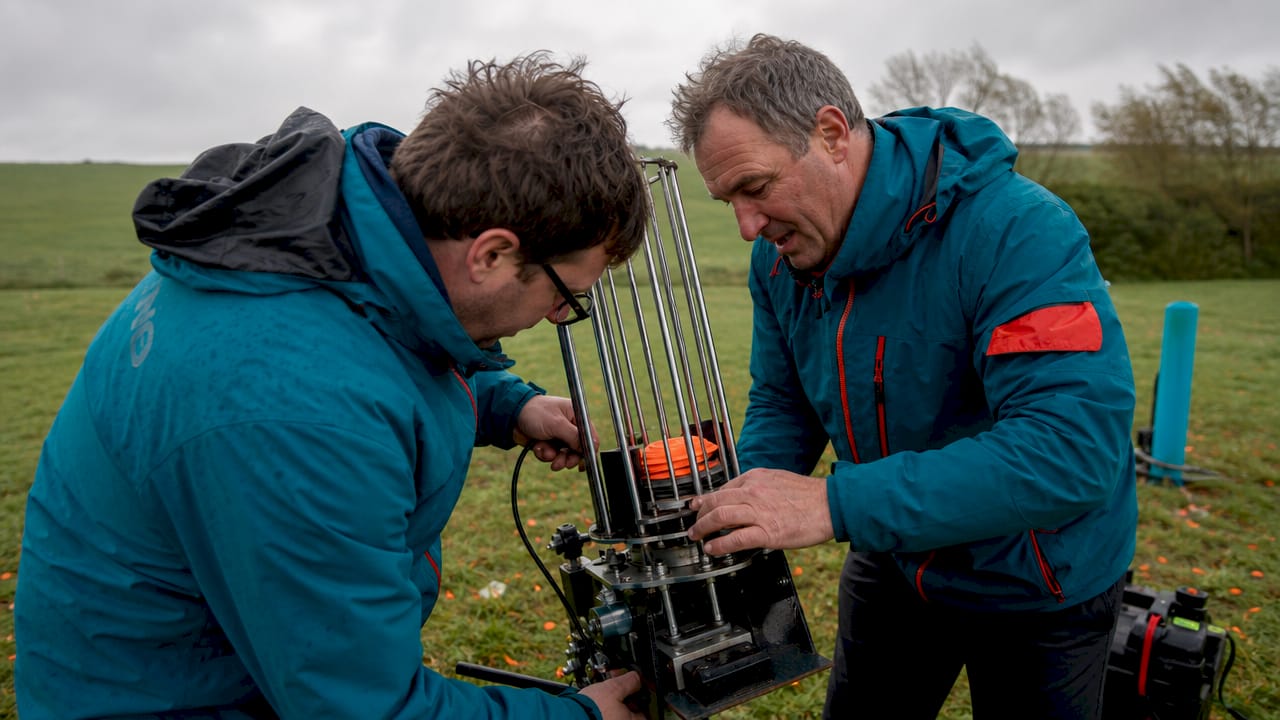
Mechanical target launchers are lightweight by design. That makes them portable and easy to set up across different outdoor locations. It also makes them susceptible to wind gusts, which cause the launcher to oscillate and send clay targets on unpredictable flight paths. Participants cannot adjust their technique to compensate because the trajectory changes with each shot. Scoring becomes unreliable, and frustration replaces enjoyment quickly.
The knock-on effects of wind on event flow include:
- Repeated resets of launcher position between rounds, slowing the session pace
- Inconsistent target trajectories that make fair scoring difficult to maintain
- Participant frustration that reduces engagement, particularly for beginners
- Potential for equipment movement that requires operator intervention mid-session
Site selection is the most effective defence against wind disruption. Positioning launchers with natural windbreaks such as hedgerows, walls, or tree lines significantly reduces oscillation. Operators running events at exposed coastal or hilltop locations should factor wind exposure into their site assessment before confirming the booking. For those exploring indoor shooting alternatives when wind makes outdoor play impractical, the laser clay format adapts well to covered environments without losing its competitive edge.
Pro Tip: When assessing a new outdoor venue, visit it on a day with moderate wind. Walk the proposed shooting line and identify natural windbreaks. A small repositioning of the launcher setup can make the difference between a smooth session and a frustrating one.
What are best practices for participants and planners in variable weather?
The most successful outdoor laser clay events share one characteristic: the organiser treated weather planning as seriously as any other logistical element. Reactive decisions made on the morning of an event almost always produce worse outcomes than decisions made 24–48 hours in advance.
Practical guidance for planners and participants covers several areas:
- Footwear is non-negotiable. Closed-toe shoes and water-resistant footwear are the standard recommendation across operators. Open-toed sandals or flat-soled shoes on wet grass create avoidable injury risks.
- Dress for the forecast, not the calendar. A sunny day in spring can turn cold quickly in the UK. Layers that can be removed are always better than a single layer that cannot be added to.
- Book with a provider that offers indoor contingency. Laser clay technology indoors maintains electronic scoring and competitive gameplay. Choosing a provider with a confirmed indoor option protects the investment in the event.
- Confirm the weather decision timeline with your operator. The 24-hour decision window is standard practice. Knowing this in advance allows planners to communicate changes to participants without last-minute chaos.
- Embrace weather-related pauses as part of the outdoor experience. Brief pauses for safety checks or equipment resets are normal in outdoor shooting sports. Participants who understand this in advance are far more accepting when it happens.
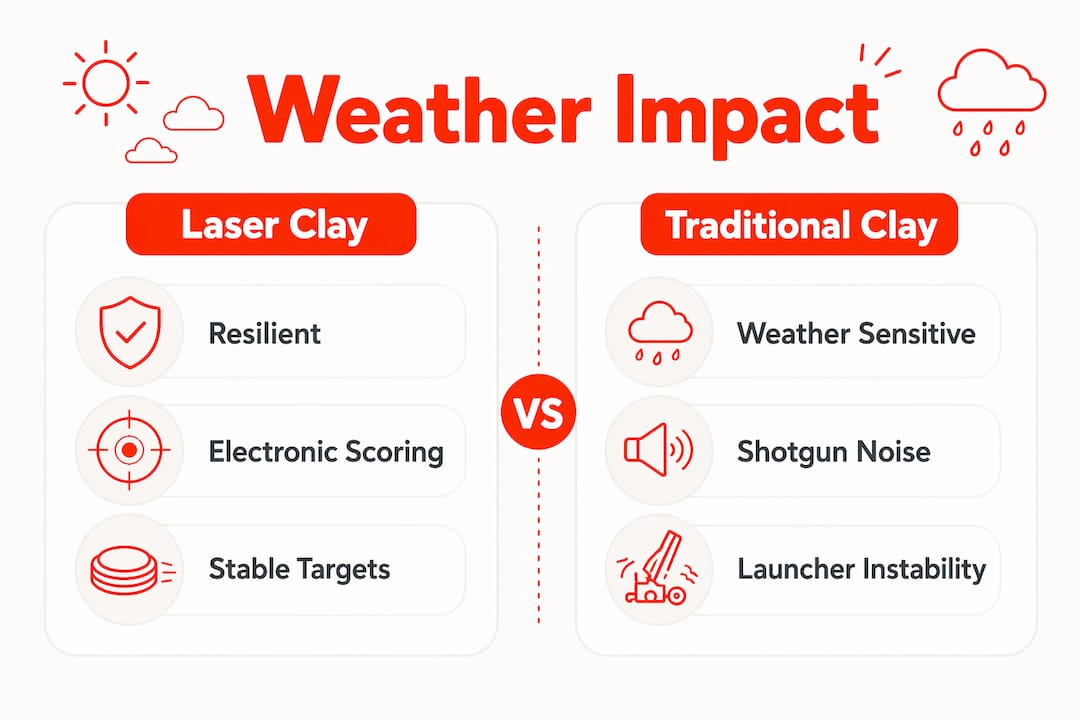
Laser clay holds a clear advantage over traditional shotgun clay shooting in variable weather. Electronic scoring and laser accuracy continue to function reliably across a wide range of conditions. Traditional clay shooting involves live ammunition, physical clay targets, and significantly more equipment that is sensitive to weather disruption. The comparison favours laser clay for outdoor events where weather variability is expected. Operators at venues such as shooting ranges that offer covered facilities demonstrate how the format adapts across environments without sacrificing the competitive experience.
Key takeaways
Weather affects outdoor laser clay shooting primarily through participant safety and launcher stability, not through any failure of the laser technology itself.
| Point | Details |
|---|---|
| Laser systems are weather-resilient | Fog, humidity, and rain do not significantly degrade laser precision during outdoor sessions. |
| Rain creates surface hazards | Slippery terrain is the main reason operators pause or relocate sessions, not equipment failure. |
| Wind disrupts mechanical launchers | Gusts cause unpredictable clay trajectories, affecting scoring and participant enjoyment. |
| Plan contingencies 24 hours ahead | Weather decisions made at least 24 hours before the event prevent last-minute cancellations. |
| Attire preparation matters | Closed-toe, water-resistant footwear and layered clothing are standard safety requirements for outdoor sessions. |
Weather, lasers, and the lessons I keep learning
My view on weather and outdoor laser clay has shifted considerably over the years. Early on, I assumed the technology was the fragile part. It is not. The laser systems hold up remarkably well. What actually determines whether an event succeeds or fails in difficult conditions is the quality of the planning that happened days before anyone arrived on site.
The operators I respect most treat weather contingency as a core part of their service, not a footnote in the booking terms. They have confirmed indoor venues. They communicate attire requirements clearly. They set the 24-hour decision deadline as a firm expectation, not a vague suggestion. When they do that, participants arrive prepared, and the event delivers regardless of what the sky is doing.
Wind is the factor that still catches people out most often. Rain gets all the attention, but a gusty afternoon on an exposed field does more damage to the experience than a light drizzle. Choosing the right site, with natural windbreaks and a sensible launcher position, is a skill that comes from visiting venues before you commit to them.
The broader point is that laser clay’s resilience to weather is a genuine advantage over traditional clay shooting. That advantage only translates into a better event when the operator builds a proper plan around it. Technology resilience and operational preparation work together. Neither is sufficient on its own.
— Joshua
Planning your outdoor laser clay event with Laserclay
Laserclay brings professional event management and flexible setup options to every outdoor session, with weather contingency built into the planning process from the start.
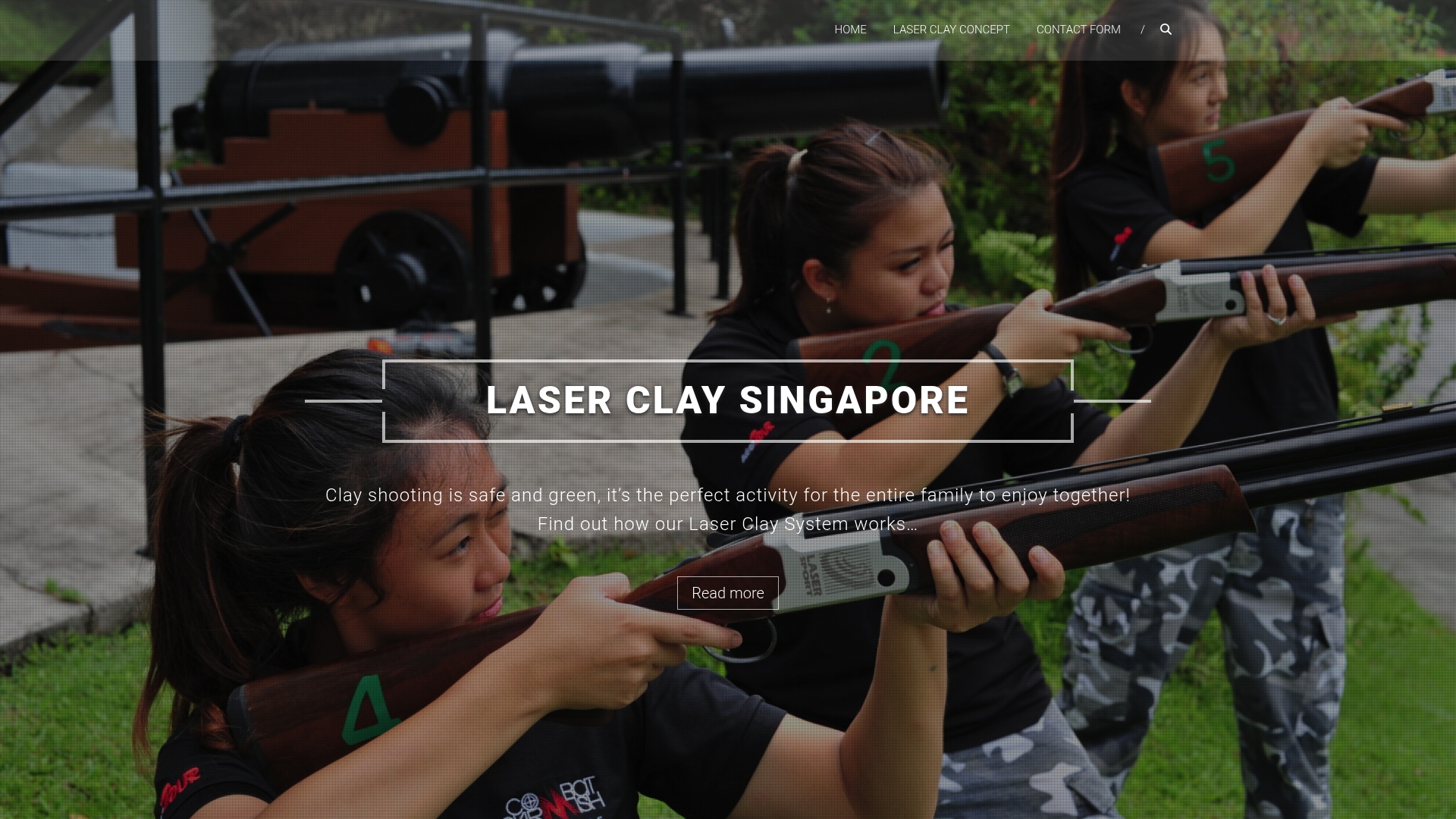
Whether you are organising a corporate day, a birthday celebration, or a group outing, Laserclay’s team handles the logistics of weather-related decisions so you do not have to manage them alone. Indoor alternatives are available when outdoor conditions become unsuitable, and the 24-hour decision process keeps your group informed without last-minute disruption. Visit the Laserclay booking guide to explore session options, or go directly to Laserclay Singapore to discuss your event requirements with the team.
FAQ
Does rain cancel outdoor laser clay sessions?
Rain does not automatically cancel a session. Operators assess surface safety first. If terrain becomes slippery and poses a risk to participants, the session pauses or moves indoors rather than continuing outdoors.
How does wind affect laser clay shooting?
Wind primarily affects the mechanical target launchers, causing them to oscillate and send clay targets on unpredictable flight paths. The laser system itself is not disrupted by wind.
What should participants wear for outdoor laser clay in variable weather?
Closed-toe, water-resistant footwear and layered clothing are the standard recommendations. Sunglasses and sunscreen are advised for sunny conditions, and warm layers are recommended for cooler days.
How far in advance should weather contingency decisions be made?
Event weather decisions should be confirmed at least 24 hours before the session. This allows operators to arrange indoor alternatives or equipment relocation without last-minute cancellations.
Is laser clay more weather-resilient than traditional clay shooting?
Yes. Laser systems maintain precision in fog, humidity, and rain where traditional clay shooting equipment and live ammunition face greater disruption. The primary weather concern for laser clay is participant safety, not equipment performance.