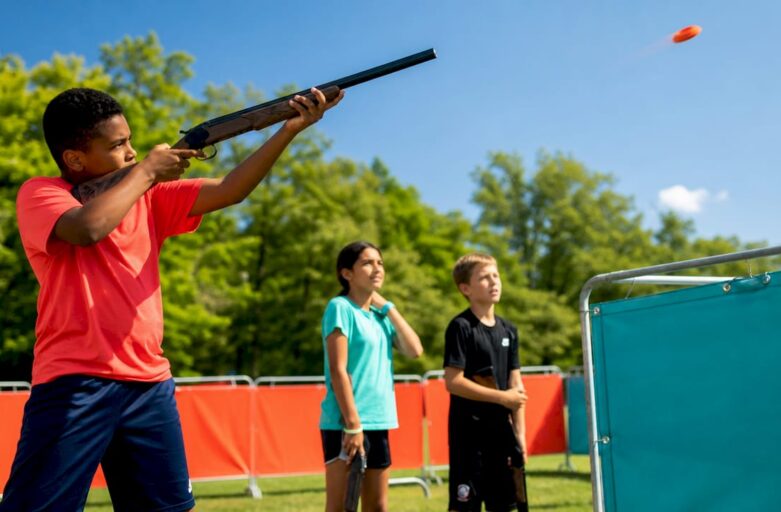
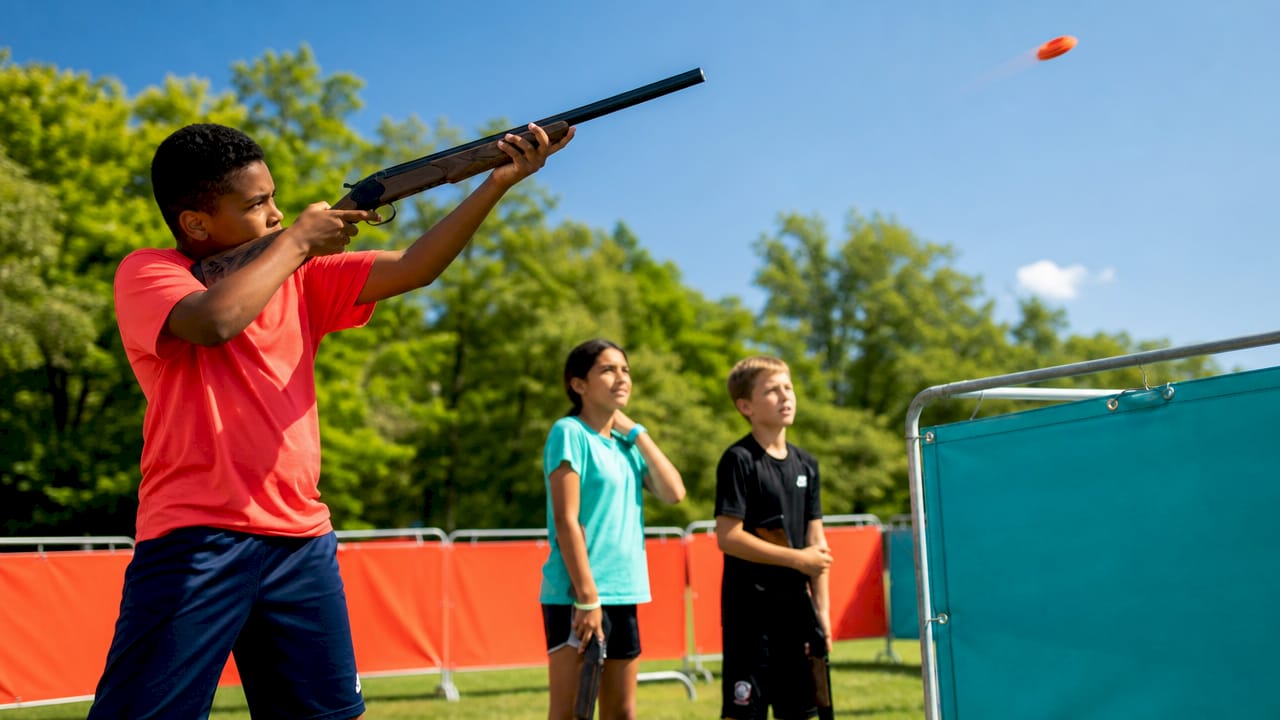
Laser clay shooting is defined as a sport that uses deactivated 12-bore shotguns modified to fire infrared beams at electronically triggered clay targets, delivering the full thrill of clay pigeon shooting without live ammunition, recoil, or lead shot. For parents weighing up recreational options in 2026, the case for choosing laser over traditional clay shooting is clear: it is safer, more accessible, and better suited to children’s developmental needs. Laserclay has built its entire offering around this principle, combining authentic equipment with modern technology to create an experience that children genuinely love. Research confirms that laser technology preserves excitement while enhancing safety and accessibility, making it the smarter choice for families.
Why laser beats real clay shooting for kids: the safety case
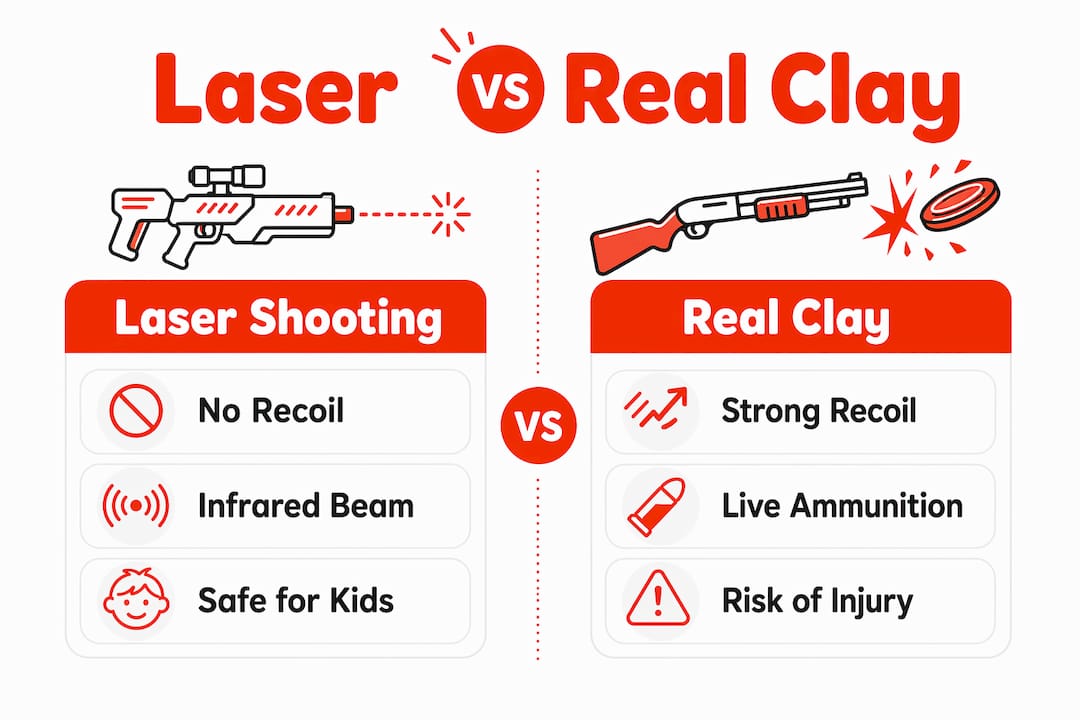
The most compelling reason to choose laser over traditional clay shooting for children is the complete removal of physical risk. Real clay shooting involves live shotgun cartridges, significant recoil, and lead shot that disperses into the surrounding environment. None of these hazards exist in laser clay shooting, and that single fact changes everything for parents.
The key safety advantages include:
- No live ammunition. Deactivated shotguns fire an invisible infrared beam rather than a cartridge, so there is no risk of accidental discharge or injury from shot.
- No recoil. Traditional shotguns produce a forceful kick that can injure younger or lighter participants. Laser-modified guns produce none, making the experience comfortable for children from around eight years old upwards.
- No lead contamination. Lead shot from real clay shooting settles into soil and water, creating long-term environmental and health risks. Laser systems produce zero residue.
- Controlled firing arcs. Safe setup requirements specify a minimum area of 30 metres by 10 metres outdoors or 60 feet by 60 feet indoors, which prevents crossfire and keeps all participants within a defined, supervised zone.
- Flexible venue options. Sessions can run indoors or outdoors, giving organisers full control over the environment and weather conditions.
The absence of recoil is particularly significant. A standard 12-bore shotgun generates enough force to bruise a child’s shoulder and create a fear response that puts them off the sport entirely. Deactivated 12-bore shotguns retain the authentic weight and feel of the real firearm without any of that physical consequence. Children hold and operate a genuine-feeling gun, which builds confidence rather than anxiety.
Pro Tip: When booking a session for younger children, ask the provider specifically about their minimum age recommendation and whether instructors adjust the gun weight or stance guidance for smaller participants. Reputable providers like Laserclay offer experienced instructors who tailor the experience to each child’s size and comfort level.
How does laser clay shooting support children’s development?
Beyond safety, the benefits of laser shooting for kids extend into genuine physical and cognitive development. This is not simply a fun activity. It is a structured sport that builds transferable skills.
Laser clay shooting improves hand-eye coordination and reaction times by requiring children to track a moving target, align the gun, and respond to both visual and auditory cues simultaneously. That combination of inputs trains the brain and body to work together under mild pressure, which is exactly the kind of challenge that supports healthy development.
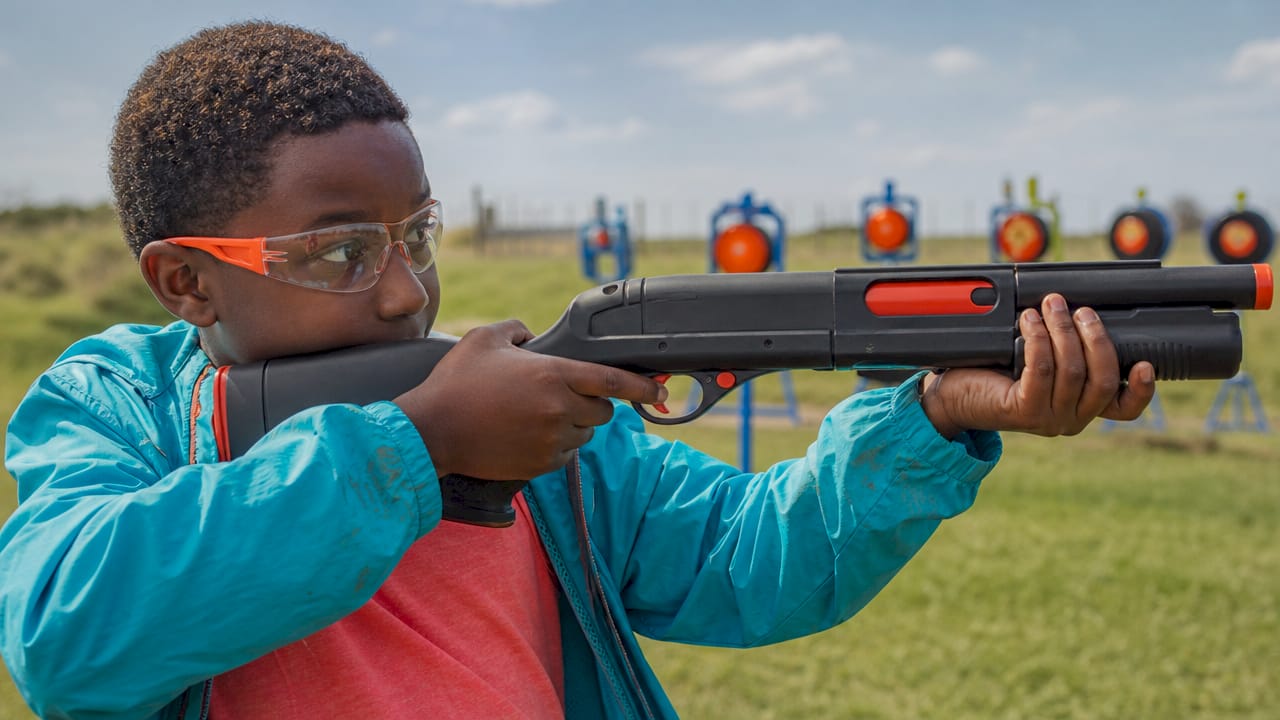
Spatial awareness is another measurable gain. Children must judge the speed, arc, and distance of a clay target before committing to a shot. Laser shooting games gamify complex skills like spatial reasoning and sustained focus, allowing children to practise repeatedly without the anxiety that often accompanies competitive sport. Because there is no cost to a missed shot beyond a lower score, children feel free to experiment and improve at their own pace.
The social dimension matters too. Modern laser clay systems accommodate up to five players simultaneously, with electronic scoreboards providing instant feedback that naturally encourages friendly competition and teamwork. Children cheer each other on, compare scores, and develop the kind of sporting camaraderie that parents hope for from group activities. You can read more about how group laser activities develop social skills in children across different ability levels.
Laser tag fosters movement, balance, and coordination while simultaneously engaging decision-making and focus. The result is a child who finishes a session physically active, mentally stimulated, and socially engaged. That combination is genuinely rare in a single recreational activity.
Kids laser shooting advantages at a glance:
- Improved hand-eye coordination through tracking moving targets
- Stronger spatial awareness and depth perception
- Better focus and sustained attention under mild competitive pressure
- Social confidence through multiplayer formats and shared scoring
- Inclusive participation regardless of physical strength or prior experience
Does laser clay shooting feel as exciting as the real thing?
Parents sometimes worry that removing the gunpowder removes the thrill. The evidence says otherwise. Realistic sound effects and instant digital scoring engage participants and audiences alike, creating a competitive atmosphere that feels entirely authentic. When a clay target registers a hit, the sound effect mimics the crack and shatter of a real clay, and the scoreboard updates immediately. That instant feedback loop is genuinely exciting for children.
The guns themselves contribute enormously to the experience. Industry experts confirm that realistic shotguns with authentic sound effects preserve the thrill even without live ammunition. Children are holding and operating a real-feeling firearm, not a toy. That distinction matters to older children in particular, who want to feel they are doing something genuinely impressive.
| Feature | Real clay shooting | Laser clay shooting |
|---|---|---|
| Gun type | Live 12-bore shotgun | Deactivated 12-bore, infrared modified |
| Recoil | Significant, can injure children | None |
| Target feedback | Visual clay break | Instant digital score and sound effect |
| Learning curve | Steep, requires leading targets | Gentler, infrared spread reduces need to lead |
| Environmental impact | Lead shot contamination | Zero residue |
| Suitable age | Typically 12 and above | Generally from 8 years upward |
The learning curve comparison in that table deserves particular attention. Traditional clay shooting requires a shooter to aim ahead of the target, a technique called leading, which takes considerable practice to master. Deactivated shotguns firing infrared beams use a spread effect that reduces the need to lead targets precisely, so children experience success much earlier in the process. Early success is the single most reliable predictor of whether a child will want to continue with a sport.
Pro Tip: Encourage children to focus on the clay target rather than the gun barrel. This natural instinct actually works better with laser systems than it does in traditional shooting, giving kids an immediate confidence boost in their first session.
What practical steps should parents take to get started?
Introducing children to laser clay shooting is straightforward, but a few deliberate choices make the experience significantly better.
-
Choose a reputable provider with experienced instructors. Look for providers like Laserclay that use genuine deactivated shotguns rather than toy replicas, and that employ instructors who are trained to work with children. The quality of instruction in the first session shapes whether a child develops a lasting interest.
-
Check the age and size recommendations. Most providers consider children from eight years old suitable for laser clay shooting, though this varies by provider and child. Confirm this before booking, and ask whether the instructor will adjust stance and grip guidance for younger participants.
-
Start with a short session. A 30 to 45 minute introductory session is enough for most children to get comfortable with the equipment, take several rounds of shots, and finish on a high. Longer sessions risk fatigue and frustration before the child has found their rhythm.
-
Integrate it into a family event or birthday party. Laser clay shooting works exceptionally well as a group activity. Booking it as part of a birthday celebration or family day out means children are already in a positive social mood, which amplifies the enjoyment. Laserclay specialises in exactly this kind of flexible, event-based booking.
-
Consider pairing it with complementary activities. If you are planning a full activity day, laser clay versus archery is a natural pairing. Both activities develop focus and hand-eye coordination, and the contrast keeps children engaged across a longer event.
-
Review the venue setup in advance. A safe setup requires at least 30 metres by 10 metres of clear space. Confirm the provider has assessed the venue properly, particularly for indoor sessions where ceiling height and layout matter.
Key takeaways
Laser clay shooting is the superior choice for children because it removes every physical and environmental risk of traditional clay shooting while preserving the authentic feel, competitive excitement, and skill development that make the sport worthwhile.
| Point | Details |
|---|---|
| Safety is absolute | No live ammunition, no recoil, and no lead contamination make laser clay shooting safe from age eight upward. |
| Development is genuine | Children build hand-eye coordination, spatial awareness, focus, and social confidence through structured play. |
| Authenticity is preserved | Deactivated 12-bore shotguns with realistic sound effects and instant scoring deliver real competitive excitement. |
| Learning curve is gentler | Infrared spread technology removes the need to lead targets, so children experience success in their first session. |
| Booking is flexible | Providers like Laserclay offer mobile setups for birthday parties, family days, and group events at varied venues. |
Why I think laser clay shooting is one of the best things you can offer a child outdoors
I have watched a lot of children try a lot of activities over the years, and the pattern is almost always the same. If a child fails repeatedly in the first ten minutes, they disengage. If they succeed early, they lean in. Laser clay shooting is one of the few outdoor sports I have seen consistently produce that early success, and I think that is because the technology is genuinely designed around the participant rather than the tradition.
What strikes me most is how inclusive it is without feeling watered down. A ten-year-old with no sporting background can stand next to a teenager who plays cricket and both of them will be genuinely competing within twenty minutes. That is not something you can say about real clay shooting, where the recoil alone creates an immediate physical hierarchy. Experts emphasise laser clay shooting’s inclusive nature, and in my experience, that inclusivity is not just a marketing claim. It is observable in the room.
The environmental argument also matters more than parents sometimes realise. Lead shot does not disappear. It accumulates in soil and water over years of use, and choosing a laser alternative is a genuinely responsible decision, not just a cautious one. Event organisers confirm that environmental safety drives parental preference for laser alternatives, and I think that preference is well founded.
My honest recommendation: book a session before you decide whether your child will enjoy it. The gap between what parents imagine and what children actually experience is almost always larger than expected, and it is almost always in the activity’s favour.
— Joshua
Try laser clay shooting with Laserclay
Laserclay offers family-friendly laser clay shooting sessions across Singapore, designed specifically for groups that include children. Every session uses genuine deactivated shotguns, experienced instructors, and mobile setups that can be arranged at your chosen venue.
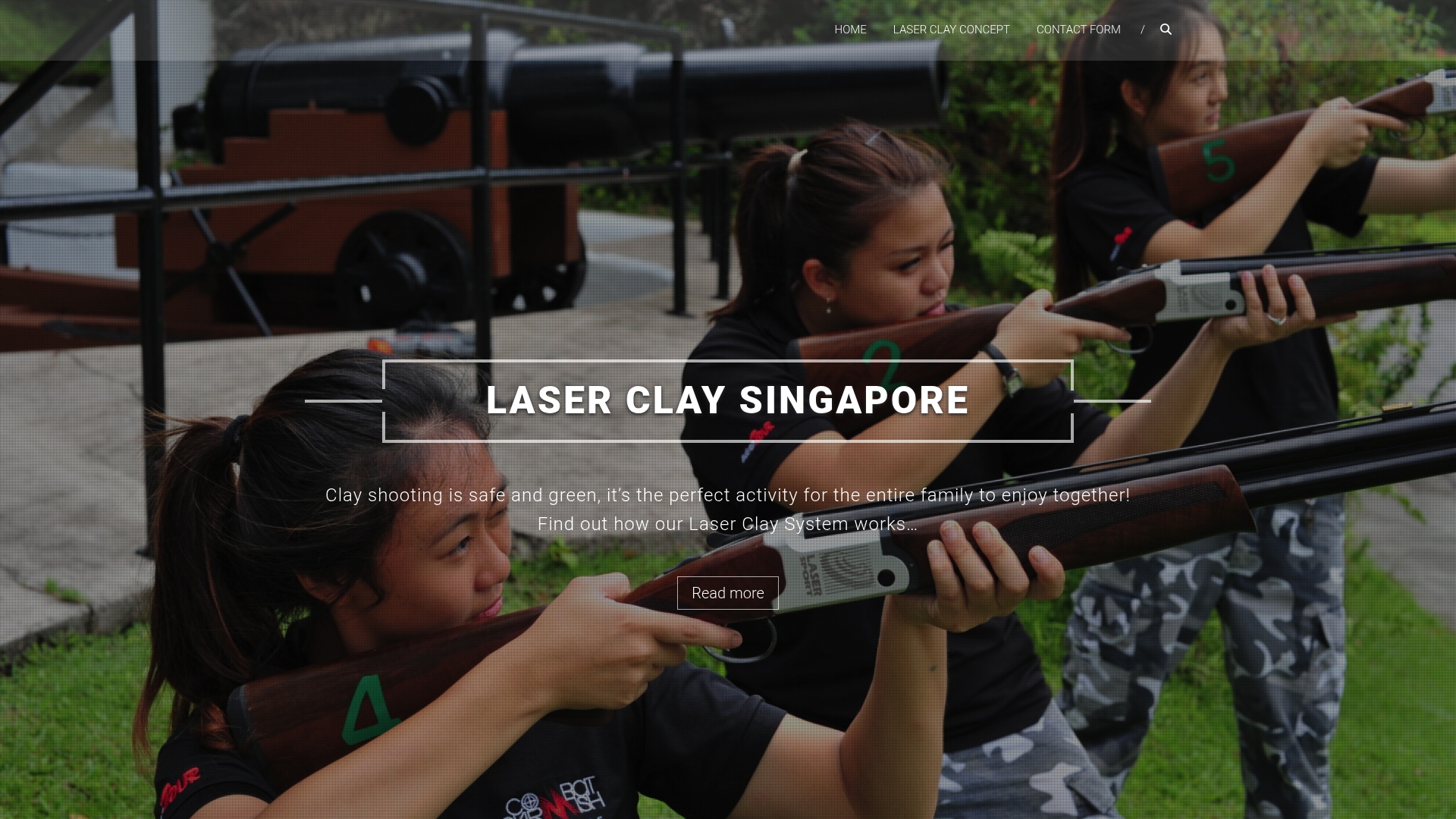
Whether you are planning a birthday party, a family weekend activity, or a school group outing, Laserclay makes the booking process straightforward and the experience genuinely memorable. Sessions are suitable from eight years old, and the team adjusts the programme to match each group’s age and experience level. Visit Laserclay Singapore to explore available packages, or go directly to the how to play guide to understand exactly what your child’s first session will look like.
FAQ
Is laser clay shooting safe for young children?
Laser clay shooting is safe for children from approximately eight years old upward. It uses deactivated shotguns with no live ammunition, no recoil, and no lead shot, removing the primary physical risks associated with traditional clay shooting.
How does laser clay shooting compare to real clay shooting for skill development?
Laser clay shooting develops the same core skills as real clay shooting, including hand-eye coordination, spatial awareness, and focus, but with a gentler learning curve. The infrared spread technology reduces the need to lead targets, so children experience success earlier and build confidence faster.
What equipment is used in laser clay shooting?
Sessions use genuine deactivated 12-bore shotguns modified to fire an infrared beam. The guns retain their authentic weight and feel, and realistic sound effects replicate the crack of a live shot, preserving the sport’s atmosphere without any of its hazards.
Can laser clay shooting be set up at a birthday party or private venue?
Yes. Providers like Laserclay offer mobile setups that can be arranged at a range of indoor and outdoor venues. The minimum space required is 30 metres by 10 metres outdoors or 60 feet by 60 feet indoors, which fits most garden or hall settings comfortably.
How many children can participate at the same time?
Modern laser clay systems support up to five players simultaneously, with electronic scoreboards displaying each participant’s score in real time. This makes it well suited to group events where children can compete and cheer each other on together.