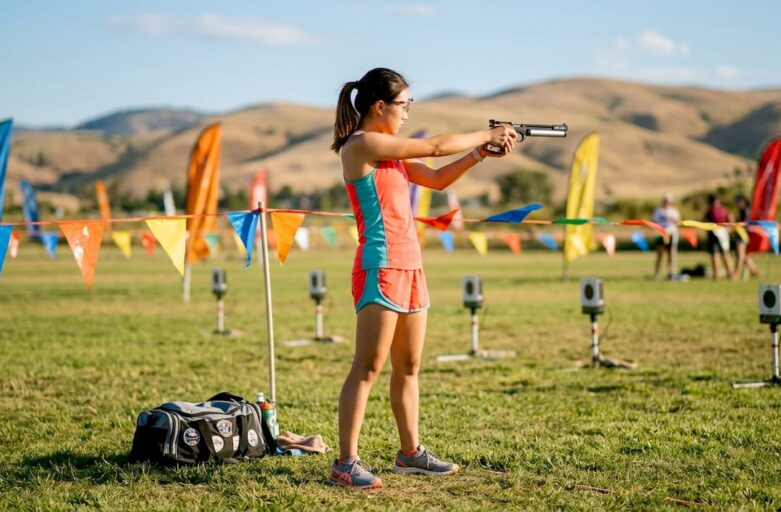
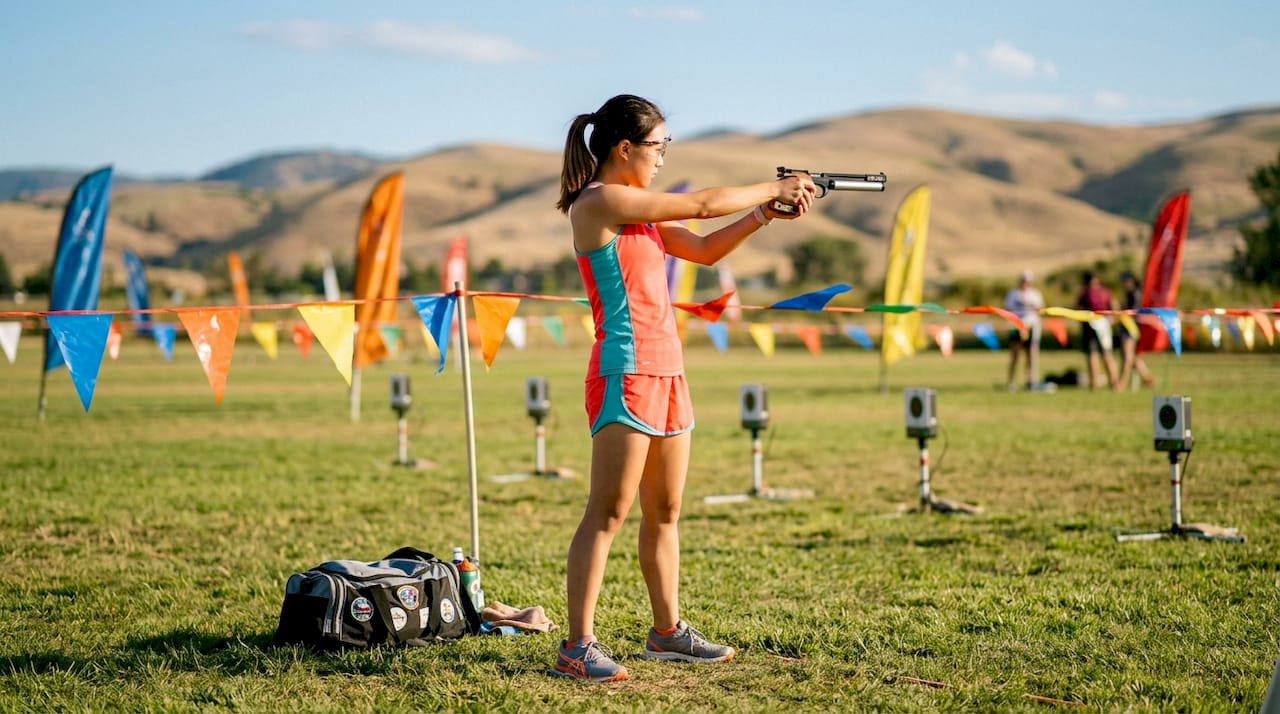
Year-round laser sport training is the most effective method for sustained athletic development, combining consistent mechanical practice with advanced laser technologies that support both skill precision and physiological recovery. Two distinct laser modalities drive these gains: interactive laser targets, which deliver objective timing and accuracy feedback, and photobiomodulation therapy, which accelerates muscle recovery and upgrades nervous system function. Athletes who train consistently throughout the year outperform those who rely on seasonal bursts, building cumulative improvements that compound over time. Laserclay brings these advantages together in an accessible, eco-friendly format suited to athletes at every level.
1. Benefits of year-round laser sport training: skill retention that compounds
Year-round training preserves mechanics and skill timing more effectively than seasonal bursts. The reason is straightforward: motor patterns fade without regular reinforcement, and even a short off-season gap can set back months of progress. Athletes who maintain indoor training year-round keep their movement patterns sharp regardless of weather or competition schedules.
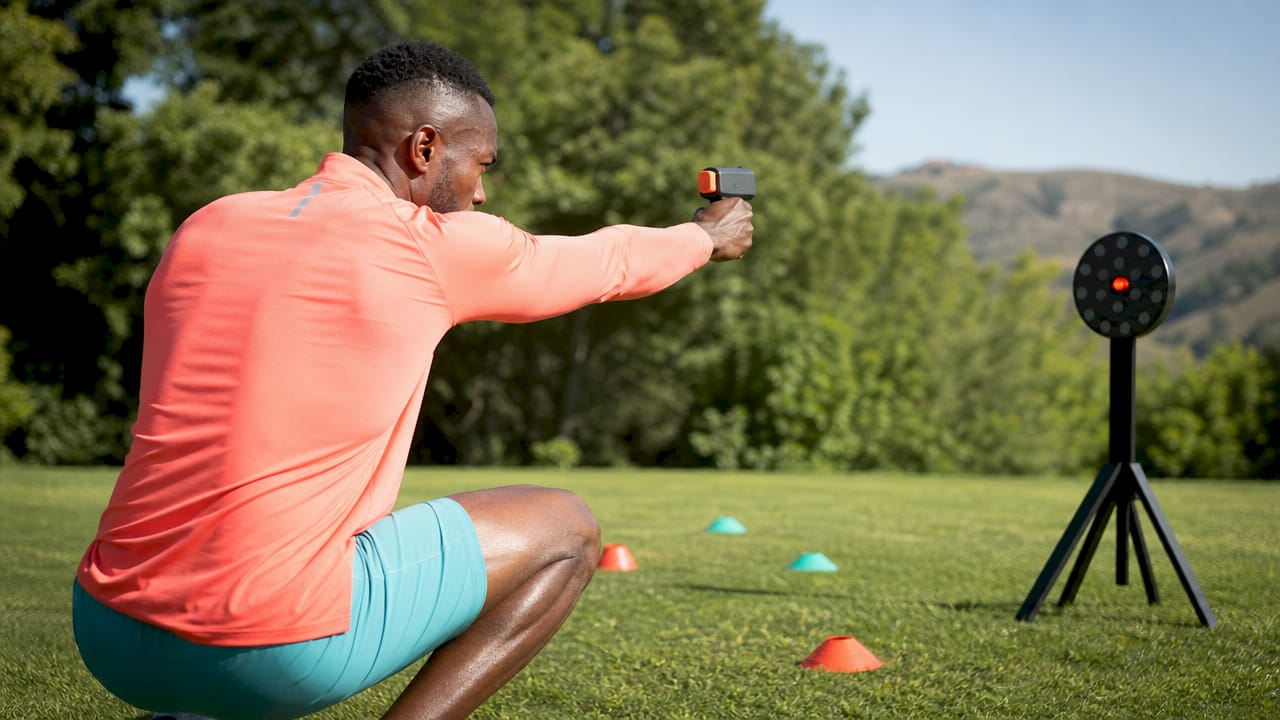
The minimum effective dose is lower than most athletes expect. Just 1–2 sessions per week produces meaningful skill retention and gradual improvement. That frequency is achievable for recreational athletes and competitive shooters alike, making year-round commitment realistic rather than burdensome.
Confidence follows consistency. Athletes who never fully stop training arrive at each new season already sharp, rather than spending the first weeks rebuilding lost ground. That readiness translates directly into competitive performance when it counts.
Pro Tip: Schedule your 1–2 weekly laser sessions at fixed times, treating them like appointments. Consistency of timing builds habit, and habit is what keeps skill retention on track through busy periods.
2. Objective feedback from interactive laser targets
Interactive laser targets provide 100% objective timing accuracy, removing the guesswork from skill assessment. Basic laser targets confirm a hit or miss. Advanced interactive systems go further, capturing reaction time, movement speed, and decision-making data that a coach or athlete can act on immediately.
| Feature | Basic laser targets | Advanced interactive targets |
|---|---|---|
| Hit or miss feedback | Yes | Yes |
| Reaction time data | No | Yes |
| Movement speed tracking | No | Yes |
| Drill sequencing | Limited | Full programmable sequences |
| Gamification | Minimal | Built-in scoring and challenges |
That data gap matters. Without timing data, athletes train on feel, which is subjective and slow to improve. With precise reaction metrics, you can identify exactly where a movement breaks down and correct it within the same session.
Gamification is an underrated advantage of advanced systems. Scoring systems and timed challenges sustain motivation across long training blocks, which is the real enemy of year-round programmes. When progress is visible and measurable, athletes stay engaged.
Pro Tip: Match target complexity to your current skill level. Beginners build better habits on simpler single-target drills before progressing to multi-target sequences. Jumping ahead too fast produces sloppy mechanics, not speed.
3. Neural pathway development through high-volume repetition
Laser target training enables high-volume, low-cost repetition that is critical for neural pathway development. Each repetition reinforces the same motor sequence, gradually making the movement faster and more automatic. This is the same principle behind dry-fire practice in shooting sports, but with objective feedback added.
Neural efficiency is what separates experienced athletes from beginners. A novice consciously thinks through each step. An experienced athlete executes the same sequence without conscious effort, freeing mental bandwidth for decision-making. Laser target repetition accelerates that transition.
The cost advantage is significant for year-round training. Traditional clay shooting requires ammunition and targets for every repetition. Laser-based practice removes that cost barrier, making high-volume sessions financially sustainable across a full calendar year.
4. Photobiomodulation therapy: faster recovery between sessions
Photobiomodulation therapy reduces acute muscle injury recovery time by 30–50%, with mean recovery shortened by 7.1 days compared to sham treatments across eight randomised controlled trials. That reduction is not marginal. It means athletes can return to training sooner, accumulating more sessions per month without overloading damaged tissue.
The mechanism operates at the cellular level. Photobiomodulation modulates oxidative stress by increasing enzyme activity, specifically superoxide dismutase and catalase, which protect muscle cells during intense effort. The result is less cellular damage per session and faster clearance of the byproducts that cause soreness.
This physiological support is what makes year-round training sustainable rather than punishing. Without recovery support, high-frequency training accumulates fatigue until performance drops. Photobiomodulation breaks that cycle.
“Laser therapy reduces pro-inflammatory cytokines and swelling without side effects, allowing athletes to train continuously without pharmaceutical intervention or regulatory risk.”
The drug-free nature of photobiomodulation is a practical advantage for competitive athletes. Non-pharmaceutical recovery carries no doping risk, making it safe for use at any level of competition without concern about regulatory compliance.
5. Neurorecalibration: upgrading the nervous system in real time
Laser therapy applied during active movement drills produces a different category of benefit from post-workout recovery use. This approach, termed neurorecalibration, upgrades nervous system coordination, reaction time, and movement quality in real time rather than passively healing tissue after the fact.
The practical implication is significant. Applying laser during a movement drill triggers immediate improvements in processing speed and coordination. Athletes do not have to wait for the next session to feel the benefit. The nervous system adapts during the session itself.
This shifts photobiomodulation from a recovery tool into a performance enhancement tool. Preactivation laser use before or during drills yields greater performance gains than post-workout use alone. That distinction changes how athletes should schedule their laser therapy relative to their training sessions.
6. Endurance and fatigue reduction across the training year
Photobiomodulation enhances endurance and reduces fatigue by modulating oxidative stress at the cellular level. This benefit extends well beyond injury recovery. Athletes using photobiomodulation regularly report sustained energy levels across longer training blocks, which is precisely what year-round programmes demand.
Fatigue accumulation is the primary reason athletes abandon year-round training plans. When each session leaves residual tiredness, motivation drops and sessions get skipped. Reduced fatigue per session keeps the training schedule intact across the full year.
The endurance benefit also shows up in individual sessions. Athletes who use photobiomodulation before or during training sustain higher output for longer before performance degrades. That means more quality repetitions per session, compounding the skill development gains described earlier.
7. Best practices for avoiding burnout in year-round programmes
Sustainable year-round laser sport training requires moderate intensity and consistent frequency, not high-intensity bursts. Overemphasis on high-intensity off-season training risks nervous system fatigue, which undermines both performance and motivation. The athletes who sustain progress longest are those who train at a manageable level every week, not those who train hard for a month and then collapse.
A practical framework for sustainable training:
- Limit laser target sessions to 1–2 per week during maintenance phases.
- Keep sessions focused and short rather than long and unfocused.
- Integrate photobiomodulation on the same days as technical drills to maximise recovery overlap.
- Watch for signs of nervous system fatigue: disrupted sleep, reduced reaction times, and irritability.
- Build one lighter week into every four-week block to allow full recovery.
Variation prevents mental burnout alongside physical fatigue. Rotating between single-target drills, multi-target sequences, and timed challenges keeps sessions engaging across a full year. Monotony is as damaging to long-term progress as overtraining.
Pro Tip: Track your reaction times weekly. A consistent drop over two or more sessions is an early warning sign of nervous system fatigue, not a reason to train harder. Take a lighter week immediately.
8. Matching laser training to your goals and experience level
The right laser training approach depends on your current level and ambitions. Beginners benefit most from basic target systems that build foundational mechanics before introducing data complexity. Competitive athletes need data-rich environments that expose small inefficiencies in timing and decision-making.
- Beginners: Start with single-target drills at moderate pace. Focus on consistent technique before chasing speed. Use photobiomodulation for recovery support from the first session.
- Intermediate athletes: Introduce multi-target sequences and timed drills. Begin reviewing reaction time data to identify specific weaknesses.
- Competitive athletes: Use full interactive systems with programmable drill sequences. Apply preactivation laser therapy before sessions to maximise nervous system readiness.
- Recreational athletes: Prioritise engagement and enjoyment. Gamified laser clay formats like those offered by Laserclay provide the repetition needed for skill development without the pressure of formal training structures.
Laser clay sport formats are particularly effective for building decision-making speed alongside physical skills. The combination of moving targets, time pressure, and immediate feedback replicates competitive conditions in a low-stakes environment. That transfer to real performance is what makes the format valuable beyond simple entertainment.
Confidence is a skill that develops alongside physical ability. Athletes who train year-round in structured laser environments report stronger decision-making under pressure, because they have rehearsed those decisions hundreds of times in training.
9. Why Laserclay’s format suits year-round athletic development
Laserclay’s approach to laser clay shooting removes the barriers that typically interrupt year-round training. No ammunition costs, no weather dependency, and no safety concerns associated with live rounds mean athletes can maintain consistent schedules without the logistical friction of traditional clay shooting. The advantages over traditional formats are practical as well as environmental.
The eco-friendly design matters for athletes who train frequently. Traditional clay shooting generates lead contamination and significant waste across a full year of sessions. Laser-based practice eliminates both, making high-frequency training responsible as well as effective.
Technology deepens engagement by making progress measurable and visible. Laserclay’s format provides the feedback loops that sustain motivation across a full training year, which is the single most important factor in whether athletes actually maintain their year-round commitment.
Key takeaways
Year-round laser sport training produces superior athletic development because it combines consistent mechanical practice, objective feedback, and physiological recovery support into a single, sustainable system.
| Point | Details |
|---|---|
| Consistency beats intensity | Training 1–2 times per week year-round outperforms seasonal high-intensity bursts for skill retention. |
| Two laser modalities, two roles | Interactive targets develop mechanical skill; photobiomodulation supports recovery and nervous system function. |
| Recovery enables frequency | Photobiomodulation reduces recovery time by 30–50%, making high-frequency training sustainable. |
| Neurorecalibration is real-time | Applying laser during active drills improves coordination and processing speed within the same session. |
| Burnout prevention is structural | Moderate intensity, session variation, and recovery weeks keep year-round programmes intact. |
Why I think most athletes are using laser training backwards
Athletes tend to treat photobiomodulation as a recovery afterthought, something to use when they are already injured or exhausted. That is the wrong order. The evidence on preactivation laser use shows that applying therapy before or during drills produces greater performance gains than using it purely for post-session healing. Most athletes I have observed discover this too late, after months of using an expensive tool at a fraction of its potential.
The second common mistake is conflating laser targets with laser therapy. They are entirely different tools with different purposes. Laser targets train mechanical skill through repetition and feedback. Photobiomodulation trains the nervous system and supports physiology. Mixing them up leads to athletes using the wrong modality for the wrong problem, then concluding that laser training does not work.
The athletes who get the most from year-round laser training are those who treat it as a system rather than a collection of gadgets. They schedule their target sessions, their therapy sessions, and their recovery weeks with the same discipline they apply to physical conditioning. The technology rewards that discipline with compounding gains that seasonal training simply cannot match.
Complementary training methods matter too. Coordination work such as rope flow training pairs well with laser target practice, reinforcing the movement quality that photobiomodulation supports at the neurological level. The athletes who combine modalities intelligently are the ones who sustain progress across a full year without burning out.
The future of laser sport training is not more powerful equipment. It is smarter scheduling and better understanding of which tool does what.
— Joshua
Laserclay: year-round laser sport training in Singapore
Laserclay offers a format that makes consistent year-round training genuinely accessible. No ammunition, no lead contamination, and no weather dependency mean you can maintain your training schedule across every month of the year without interruption.
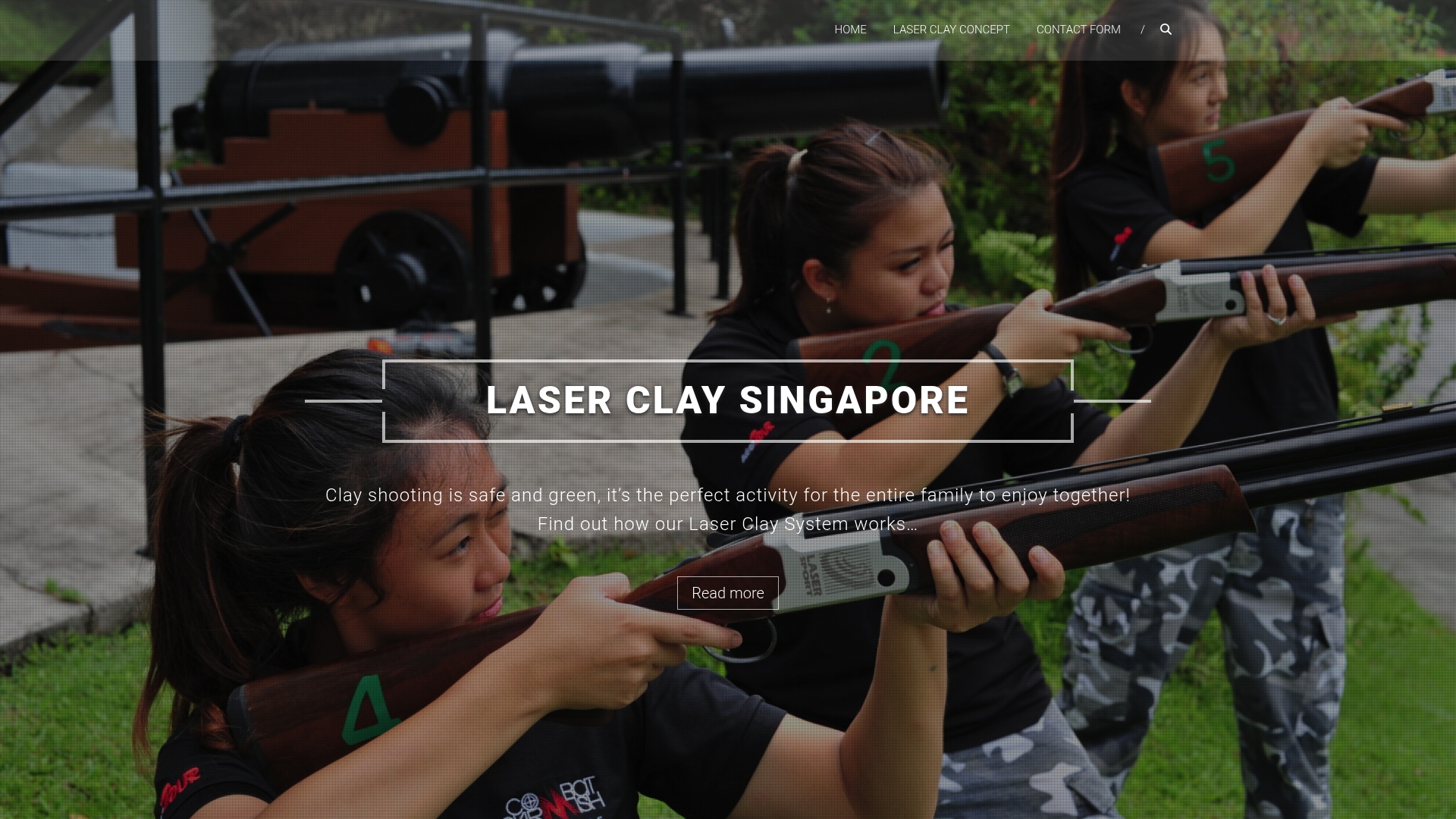
Whether you are building foundational skills or sharpening competitive performance, Laserclay’s interactive laser clay sessions provide the repetition, feedback, and engagement that sustained development requires. The beginner’s guide to laser clay shooting is the clearest starting point if you are new to the format. Ready to experience it directly? Book a session and see how quickly consistent laser training changes your performance.
FAQ
What are the main benefits of year-round laser sport training?
Year-round laser sport training preserves mechanical skill, builds neural efficiency through consistent repetition, and supports faster recovery via photobiomodulation therapy. Athletes who train consistently throughout the year outperform those who rely on seasonal bursts.
How often should I train with laser targets to see improvement?
Just 1–2 sessions per week produces meaningful skill retention and gradual improvement. Consistency of frequency matters more than session length or intensity.
What is photobiomodulation therapy and how does it help athletes?
Photobiomodulation therapy uses laser light to modulate oxidative stress at the cellular level, reducing muscle recovery time by 30–50% and enhancing endurance. It is drug-free and carries no doping risk, making it safe for competitive athletes.
What is the difference between laser targets and photobiomodulation therapy?
Laser targets train mechanical skill through repetition and objective feedback on timing and accuracy. Photobiomodulation therapy supports physiological recovery and nervous system function. They serve different purposes and work best when used together.
Can laser training help prevent burnout during a long training year?
Yes. Moderate-intensity sessions at consistent frequency, combined with photobiomodulation recovery support and planned lighter weeks, prevent the nervous system fatigue that causes athletes to abandon year-round programmes.