

The fastest route to an inclusive lesson is to design for participation from the start, not retrofit adjustments once a student struggles. That single shift, borrowed from Universal Design for Learning (UDL), means asking “how will everyone take part?” instead of “can this student join in?” Combine that mindset with guidance from Project Inclusion’s educator modules and structured providers such as Laserclay, and you have a workable framework rather than a vague aspiration.
Three things you can do before the end of today:
- Pick one learning objective and one core adaptation for it, rather than trying to adjust everything at once.
- Book or mark out a quiet sensory-break space near the activity area, even if it’s just a corner with a folding screen.
- Send a short note home naming the activity and inviting families to flag any accommodation they’d like considered.
Pro Tip: Start with the adaptation, not the activity. Decide how a student with mobility or sensory needs will access the task before you finalise the game itself, and the rest of the planning gets much easier.
Key Takeaways
Inclusive activity planning works best when the adaptation is designed in from the objective stage, not added after a student struggles to join in.
| Point | Details |
|---|---|
| Design with UDL first | Build the activity to be usable by everyone from the outset, rather than retrofitting fixes later. |
| Use the template every time | A timed, fillable lesson plan with objective, materials, and steps lets any staff member run the session. |
| Match adaptations to need | Mobility, vision, hearing, cognitive, and sensory needs each call for different, specific adjustments. |
| Measure participation, not performance | Track effort, engagement, and independence rather than skill-based outcomes. |
| Consider a facilitated option | Laserclay’s laser clay sessions offer built-in accessibility adaptations for schools that want a supported, ready-to-run activity. |
Table of Contents
- A ready-to-use inclusive lesson-plan template
- Five inclusive activities you can run tomorrow
- Adapting activities by impairment type
- Safety and accessibility checklist before you start
- Measuring success without measuring performance
- Why the “how” mindset actually changes outcomes
- Working with families and specialists on activity plans
- Getting staff ready to run inclusive activities
- Inclusive activities across subjects and age groups
- A facilitated option for schools that want extra support
- Sources
- FAQ
A ready-to-use inclusive lesson-plan template
Print this, fill in the blanks, and hand it to a colleague or cover teacher with no further explanation needed.
Learning objective: state it in plain language everyone in the room can act on, e.g. “Work with a partner to move an object across a marked space using at least two different methods.”
Success criteria: written for participation, not perfection, e.g. “Every student contributes to at least one attempt, using their preferred method of movement or communication.”
Timing (adjust to your period length):
- Warm-up and instructions (5-8 minutes, with visual schedule shown)
- Core activity (15-20 minutes, with a built-in choice point at minute 10)
- Optional extension for students ready to add complexity (5 minutes)
- Cool-down and reflection (5 minutes)
- Buffer/sensory-break window (flexible, used as needed rather than fixed)
Materials list:
- Visual schedule or picture cards showing each stage of the activity
- Tactile markers (rope, textured tape, floor spots) for students who navigate by touch
- A simple auditory cue (bell, clap pattern) as an alternative to shouted instructions
- Low-cost adaptive options: pool noodles as reach extenders, beanbags instead of balls, laminated choice boards
Step-by-step flow (numbered so any adult can run it):
- Show the visual schedule and name the objective aloud.
- Demonstrate the task once, slowly, using a student volunteer or a staff pair.
- Offer the activity’s two or three format choices before splitting into groups.
- Run the core activity, checking in with any student flagged for a specific adaptation at the five-minute mark.
- Signal the cool-down cue and gather for a two-minute reflection.
Assessment prompt: note who took part, what adaptation (if any) they used, and one thing that worked well enough to repeat next time.
Pro Tip: Keep a laminated master copy of this template in your planning folder. Filling in new details each week takes less time than rebuilding the structure from scratch.
Five inclusive activities you can run tomorrow
Each of these needs under ten minutes of setup and works across primary and secondary settings.
1. Parachute pass. Groups hold the edge of a parachute and pass a ball around the rim without dropping it. It works because everyone can grip, push, or watch for a turn regardless of mobility level, and the Challenged Athletes Foundation’s adapted PE activities list this as a strong low-barrier option. Adapt it by seating students who cannot stand, using a larger textured ball for low-vision students, and pairing anyone needing extra processing time with a buddy who calls out the pattern.
2. Balloon volley. A slow-moving balloon replaces a ball, giving every player extra reaction time. Adjust net height or remove it entirely for wheelchair users, add a bell inside the balloon for students who are blind or low vision, and allow a “two-touch” rule for students who need more time to track and respond.
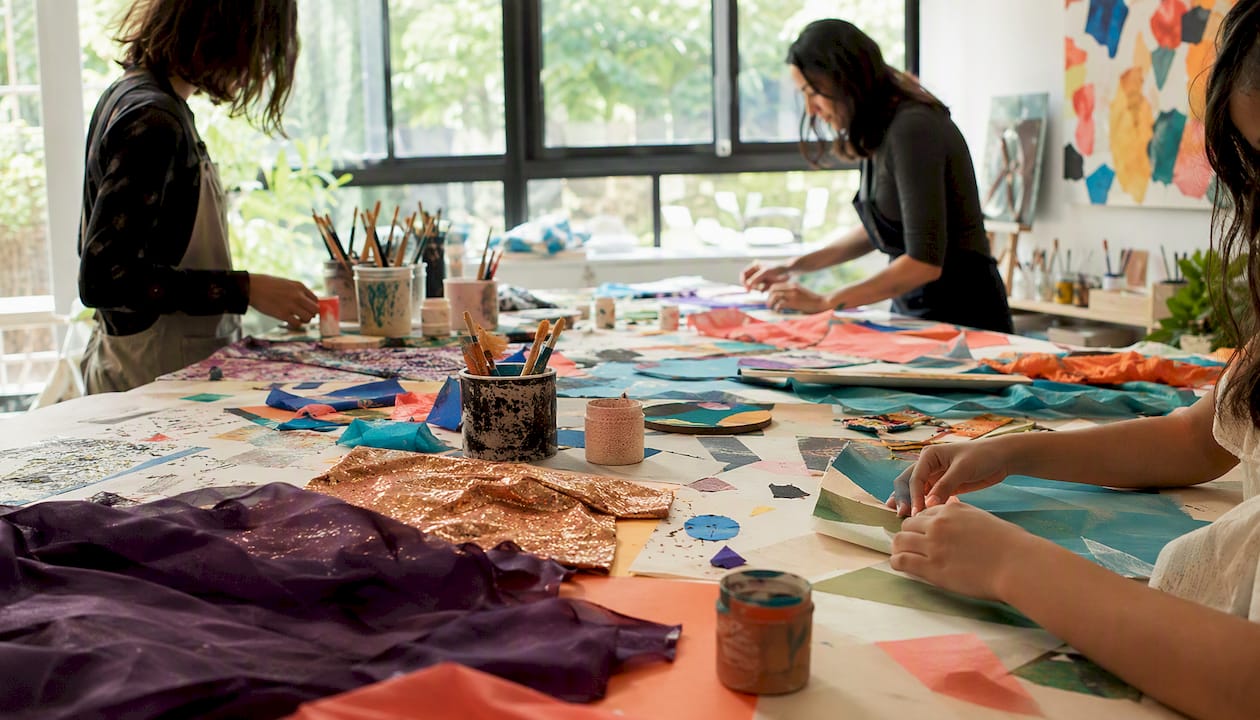
3. Textured art trail. Students create a collaborative mural using varied materials, sand, fabric, string, at marked stations. It works because there’s no single “correct” outcome, so effort is visible regardless of skill. Offer standing and seated easels, provide audio-described prompts at each station, and allow students to work in pairs if independent movement between stations is difficult.
4. Quiet-partner storytelling. Pairs build a story using picture cards, taking turns adding one card at a time. Low energy, high inclusion, works because it removes speed pressure entirely. Use tactile picture cards, allow AAC devices or pointing as valid turns, and let a student pass their turn to their partner without penalty.
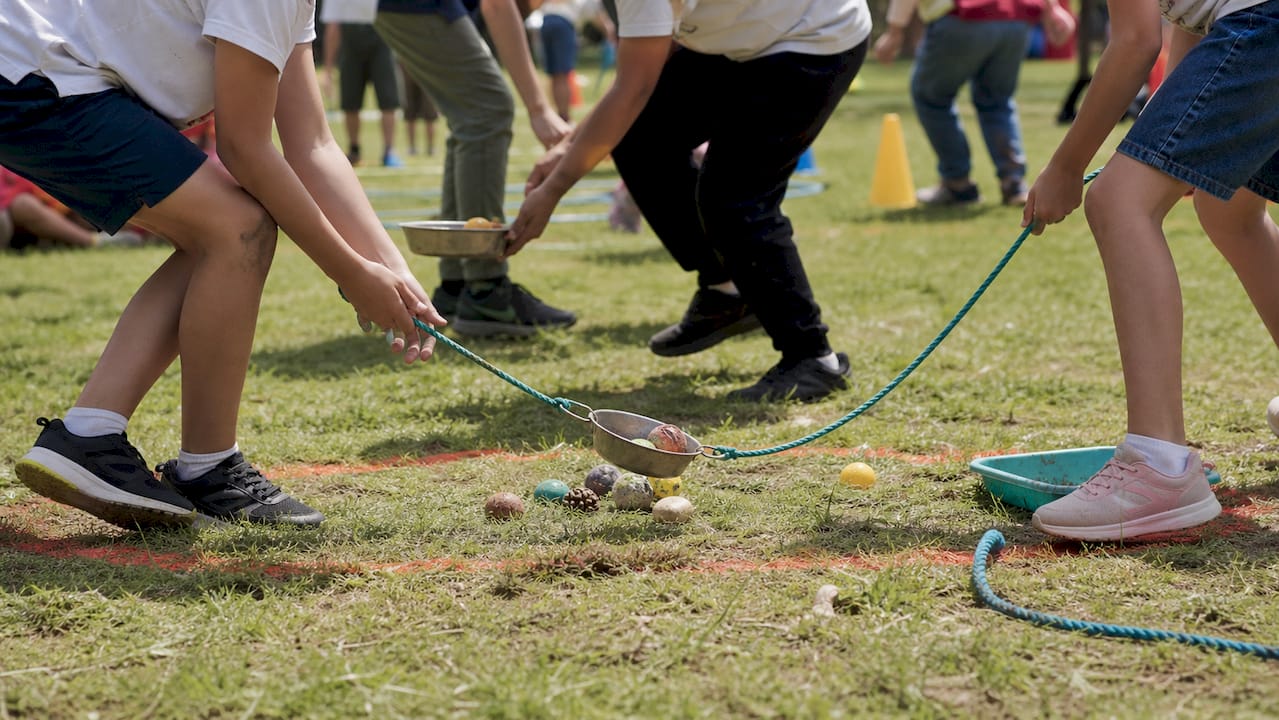
5. Team treasure transport. Groups move objects across a space using tools, not hands, ropes, trays, scoops. It works because problem-solving replaces physical demand as the main challenge. Shorten the travel distance for students with limited mobility, use high-contrast markers for the drop zones, and give a simplified two-step version for students who need scaffolded instructions.
Pro Tip: Run every new activity with staff first, even for two minutes. You’ll spot the one instruction that’s ambiguous long before a student does.
Adapting activities by impairment type
Match the adjustment to the need rather than applying one blanket accommodation to every student.
- Mobility: shorten travel distances, offer seated or standing options, modify rules around running or standing to include wheeling or seated movement, and assign partner roles for tasks needing two hands.
- Vision: add tactile or audible cues to equipment, pre-teach the layout of the space and any equipment by touch before the activity starts, and use high-contrast markers for boundaries and targets, a strategy backed by Wilson College’s guidance on adaptive PE.
- Hearing: keep clear sight lines to whoever is giving instructions, use visual timers instead of verbal countdowns, and provide captioned or written instructions alongside anything spoken aloud.
- Cognitive or learning differences: break steps down further than you think necessary, use visual schedules throughout, and try backward chaining, letting a student complete the final, satisfying step first before teaching the earlier steps.
- Sensory processing: build in scheduled sensory breaks, offer an alternative workstation away from noise or bright lighting, and keep a calming object (fidget tool, weighted lap pad) available without singling anyone out.
Safety and accessibility checklist before you start
Run through this before any activity or event, not just for major days.
- Step-free routes to and from the activity space, with trip hazards cleared beforehand.
- Accessible washroom within reasonable distance of the activity area.
- A trained first-aider on site and a named staff member responsible for supervision ratios.
- One identified contact for accessibility requests, with agreed adaptations written down so cover staff can follow them.
- A one-line note home confirming what supports are available and how families can request more.
Pro Tip: Put the accessibility contact’s name on the event flyer itself. A single line does more than a lengthy policy document nobody reads.
Measuring success without measuring performance
Assessment should track effort and access, not outcome quality.
- Score participation on a simple 3-point scale: attempted with support, attempted independently, or led/assisted a peer.
- Note engagement separately: did the student stay involved for the intended duration, with or without a break?
- Record independence: did the adaptation used allow the student to complete more of the task unaided than last time?
Log adaptations used, not just results, and get written or verbal consent before taking any photo or video for records. A short peer or self-report (“what part did you enjoy, what was hard?”) adds context numbers alone can’t capture.
Why the “how” mindset actually changes outcomes
Plan around how a student will participate, not whether they can. That single reframe shifts every subsequent design decision, from equipment choice to grouping, toward inclusion by default rather than accommodation as an afterthought.
Practitioner guidance consistently favours modification over exclusion: rule changes, tactile or audible cues, and pre-teaching of spaces measurably increase participation, according to Wilson College’s overview of adaptive PE strategies. Budgeting matters too. Set aside even a modest line item for accessibility tools at the planning stage, and if full coverage isn’t possible for a given event, say so plainly to families rather than leaving gaps unexplained, a point echoed in the Waterloo Undergraduate Student Association’s inclusive event guide.
Pro Tip: Treat the accessibility budget line the same way you treat materials or transport, non-negotiable, not the first thing cut when funds tighten.
Working with families and specialists on activity plans
Parents and carers usually know more about what works for their child than a single lesson plan can capture, so bring them in early rather than after a problem occurs. A short conversation before term starts, covering sensory triggers, communication preferences, and physical needs, saves far more time than adjusting mid-activity.
Occupational therapists, physiotherapists, and speech and language specialists can offer specific input on equipment or pacing that a generalist teacher wouldn’t otherwise know to ask for. Where a student has an existing support plan, cross-reference it directly against your activity design rather than assuming it will transfer automatically. For off-site trips, Project Inclusion’s guidance recommends sharing a class profile with venue staff in advance, so hosts know what to expect before the group arrives, and checking washroom access and travel logistics ahead of the day rather than on arrival.
Keep the tone collaborative rather than transactional. Asking “what’s worked well for your child in group settings before?” tends to surface more useful detail than a generic accommodation checklist. Specialists appreciate being consulted at the planning stage rather than brought in to fix a problem after the fact, and families notice the difference too.
Getting staff ready to run inclusive activities
Training doesn’t need to be a formal course to be effective. A fifteen-minute walkthrough of the lesson plan with any staff or volunteers involved, including cover teachers, covers most of what’s needed: the objective, the adaptations in play, and who to check in with if something isn’t working.
Build a simple reference sheet for recurring activities, listing the adaptations used for specific students so a substitute teacher isn’t starting from zero. Rotate staff through different support roles across the term, so no single adult becomes the only person who knows how a particular adaptation works. That spreads confidence and reduces the risk of a key routine falling apart when one person is away.
Where possible, involve teaching assistants or specialist staff in the initial activity design rather than handing them a finished plan to execute. They often catch practical issues, timing, positioning, equipment reach, that a lesson planner working alone would miss.
Inclusive activities across subjects and age groups
In early years, sensory circuits (textured mats, soft lighting stations, simple movement sequences) work well because they need almost no verbal instruction and every child can move at their own pace.
For primary PE, parachute games and balloon volleys, both discussed earlier, adapt easily across a wide range of mobility and sensory needs without requiring separate equipment sets.
In secondary science, paired lab tasks with clearly divided roles (one student manages materials, one records observations) let students contribute according to strength rather than requiring identical participation from everyone.
For art and design at any age, collaborative textured murals or tactile sculpture projects remove the pressure of a single “correct” outcome, which tends to increase willingness to take part among students who avoid tasks with visible right and wrong answers.
Team-based challenges, whether a treasure-transport task or a structured problem-solving game, scale from primary to secondary by adjusting complexity rather than changing the format entirely, useful when running mixed-age school events or camps. Outdoor formats such as those detailed in Laserclay’s guide to inclusive outdoor school sports offer a ready template for this kind of scalable, low-barrier activity.
A classroom practitioner’s take
Pre-teaching the task a few days ahead and building in a genuine small-choice menu changes more than any single piece of equipment does. Familiarise cover staff with the plan in ten minutes, not ten pages.
A facilitated option for schools that want extra support
Some schools plan every adaptation in-house; others want a facilitator who’s already built the accessibility considerations into the activity itself. Laserclay’s laser clay shooting sessions are designed around exactly that: sound-simulated equipment with no live ammunition, adjustable scoring and formats, and facilitators who run the session rather than leave staff managing setup and supervision alone.
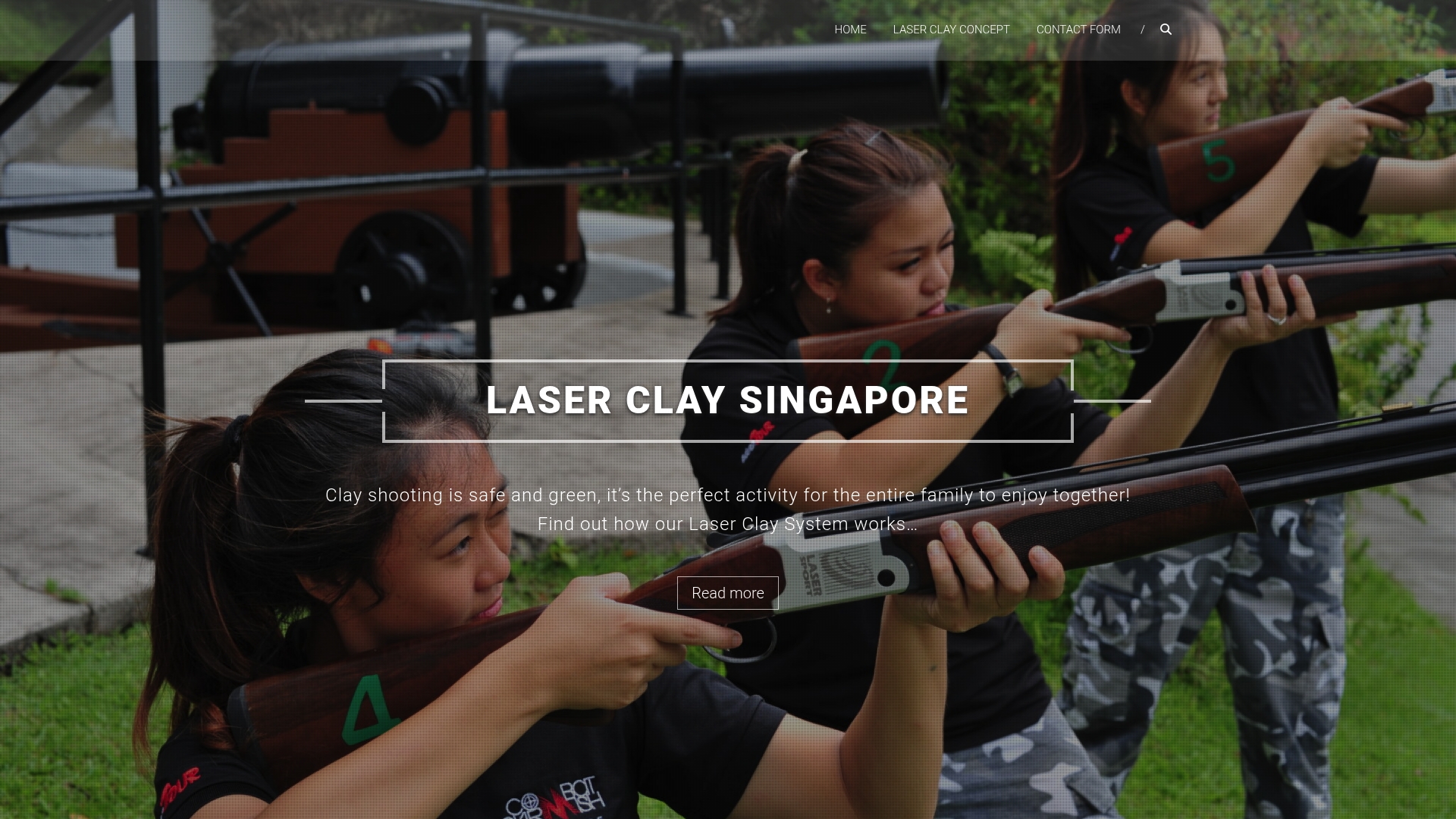
For camps, carnivals, or a non-contact alternative to a traditional sports day, this removes a good deal of the planning load, particularly around equipment adaptation and supervision ratios. When booking, ask specifically for a risk assessment, confirm what accessibility adaptations the facilitators can make on the day, and give at least two to three weeks’ lead time so equipment and staffing can be arranged properly, consistent with the advance-notice guidance in the Waterloo Undergraduate Student Association’s event planning resource. Explore how laser clay works or get in touch through the Laserclay Singapore homepage to check dates for an upcoming school event.
Sources
- Project Inclusion: Educator modules on disability, accessibility, and inclusion Module 4 Record
- Inclusive Event Guide for Student Leaders – Waterloo Undergraduate Student Association
- Adaptive Physical Education Activities for Children With Diverse Needs | Wilson College
FAQ
What is the easiest way to start planning an inclusive activity?
Pick one objective and one core adaptation first, then build the rest of the lesson plan around that decision rather than trying to adjust everything at once.
How do I adapt a physical activity for a wheelchair user?
Shorten travel distances, remove or adjust rules requiring standing or running, and offer a seated or wheeled equivalent for every core task in the activity.
What should a sensory-break space include?
A quiet but not isolated area, signposted clearly, with a calming object or two available, so students can step away and rejoin the activity without missing the whole session.
Do students with disabilities need a completely separate activity?
Rarely. Most activities work better with built-in choices and modifications available to everyone, following UDL principles, rather than a separate parallel task.
Can a facilitated provider help with inclusive school events?
Yes. Providers such as Laserclay build adjustable formats and facilitator support into their sessions, which reduces the planning and supervision load on school staff running larger events.
Recommended
- Inclusive outdoor school sports: 10 examples for educators | Laser Clay Singapore
- How to plan safe outdoor activities for school groups | Laser Clay Singapore
- Safe after school programme activity ideas: 25 picks | Laser Clay Singapore
- Non-contact school sports day: your planning guide | Laser Clay Singapore